
Regulator Manufacturer Tel: +86 13380377051
Regulator Manufacturer Tel: +86 13380377051

Ensuring Precision in Semiconductor Manufacturing: An In-depth Look at ETO Gas UHP Valve Design and Materials
The modern integrated circuit, the silent brain behind nearly every piece of technology we use, is a marvel of miniaturization and complexity. Transistors, now measured in mere angstroms, are etched onto silicon wafers with a precision that borders on the impossible. Achieving this nanoscale fidelity requires an absolutely pristine and controlled environment. At the heart of this controlled chaos lies a complex network of gas delivery systems, responsible for transporting the ultra-pure process gases that deposit and etch these microscopic features. If the silicon wafer is the stage and the fabrication equipment is the performer, then the Ultra-High Purity (UHP) valves, particularly those handling the most demanding gases like Ethylene Oxide (ETO), are the finely-tuned instruments that ensure a flawless performance. This article delves into the critical design philosophies and material science challenges behind ETO gas UHP valves, the unsung heroes of semiconductor manufacturing precision.
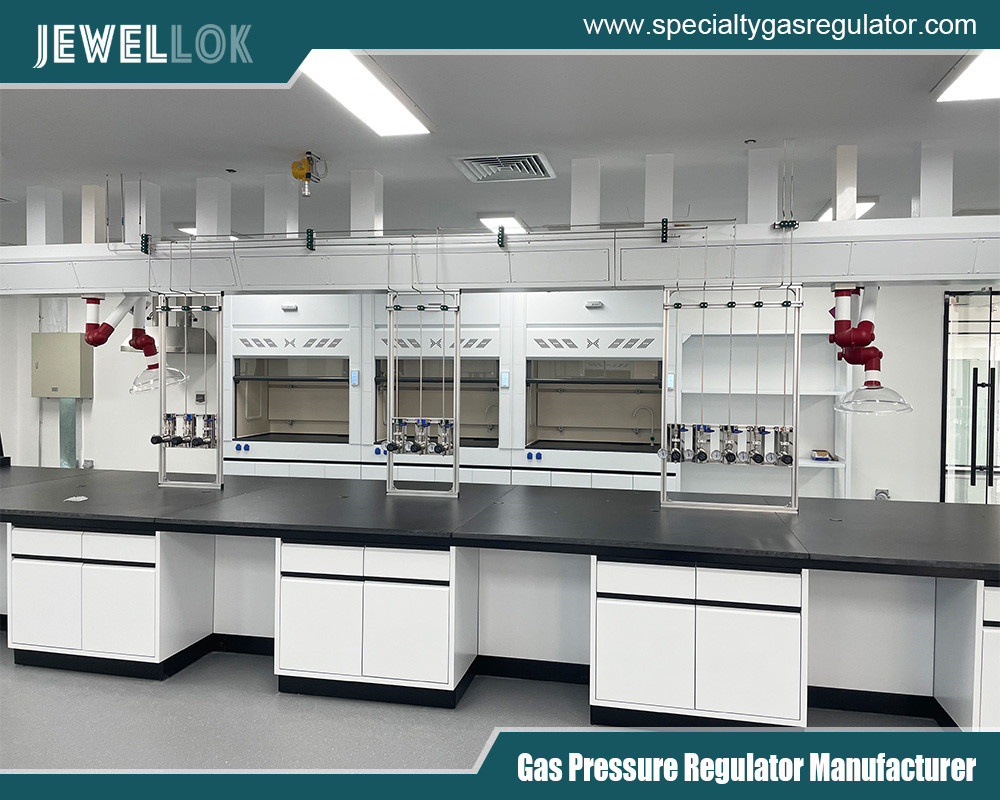
The Critical Role of ETO in Semiconductor Fabrication
Before examining the valve itself, it is essential to understand the medium it controls. Ethylene Oxide (ETO), with the chemical formula C₂H₄O, is a highly reactive and versatile compound. In the semiconductor industry, its primary role is as a carbon source for Chemical Vapor Deposition (CVD) processes. It is used to deposit high-quality silicon dioxide (SiO₂) and other dielectric films at lower temperatures than traditional methods. This low-temperature capability is crucial for advanced node manufacturing, where preventing thermal diffusion in previously formed layers is paramount.
However, ETO is a formidable substance. It is flammable, toxic, and, most importantly for valve design, chemically aggressive and prone to polymerization. Under certain conditions of temperature, pressure, or catalytic contact with incompatible materials, ETO can spontaneously polymerize. This exothermic reaction can lead to the formation of solid residues, clogging critical flow paths, compromising seal integrity, and potentially leading to catastrophic system failure. Therefore, a valve designed for ETO is not just a barrier; it is a precision instrument engineered to resist chemical attack and prevent polymerization while maintaining absolute purity.
The Core Mission: UHP Valve Design for ETO
A UHP valve for ETO must fulfill three non-negotiable missions: contain the gas without leaks, deliver it without contamination, and operate reliably over millions of cycles. These missions dictate every aspect of its design.
1. Absolute Containment and Fugitive Emission Control
In semiconductor fabs, any leak, no matter how small, is unacceptable. Process gases can be toxic, pyrophoric, or corrosive, posing safety risks to personnel and equipment. Moreover, atmospheric gases like oxygen and moisture, if they ingress into the gas line, can react with ETO or contaminate the deposition process, ruining entire batches of wafers.
To combat this, UHP valves employ a diaphragm-based seal design. Unlike traditional packed stem valves found in industrial applications, which use compression packing that can wear and leak over time, diaphragm valves use a thin, flexible metal membrane to separate the flow path from the actuation mechanism.
-
The Seal Mechanism: When the valve actuator (pneumatic or manual) is engaged, it compresses the diaphragm stack against a raised seat in the valve body. This metal-to-metal contact creates a leak-tight seal. When closed, the seal is absolute; when open, the diaphragm lifts, allowing gas to flow through the valve body with minimal obstruction.
-
External Leak Integrity: This design inherently eliminates the dynamic stem seal, the most common source of external leakage in conventional valves. The only potential leak paths are the body-to-bonnet and end-connection seals, which are typically sealed with high-performance metal gaskets, ensuring near-zero fugitive emissions.
2. Minimizing Entrapment and Particle Generation
For ETO, the design of the flow path is just as critical as the seal. Any dead space, crevice, or rough surface within the valve can become a nucleation site for polymerization or a trap for particles. These particles can later dislodge and be carried onto the wafer surface, causing fatal defects.
This has led to the dominance of the pocketless design in UHP valves.
-
Direct Flow Path: The ideal UHP valve presents a smooth, straight-through flow path when open. The diaphragm retracts completely into the bonnet area, leaving the flow path clear of obstructions. This “pocketless” configuration ensures that gas flows through with minimal turbulence and no stagnant zones where contaminants could accumulate.
-
Low Internal Volume: The internal volume (the “wetted” area) of the valve is minimized. A smaller volume reduces the surface area available for adsorption and desorption of moisture and other contaminants, leading to faster system purge times and more stable process conditions. For a reactive gas like ETO, a smaller volume also means less surface area for potential catalytic reactions to occur.
The Science of Material Selection
The choice of materials is arguably the most critical factor in the success of an ETO UHP valve. The materials must be compatible with the process gas, resistant to corrosion, capable of forming an ultra-fine surface finish, and mechanically robust for millions of cycles. The benchmark material for this application is 316L stainless steel, but not as commonly understood.
1. The Role of 316L Stainless Steel
The “L” in 316L stands for “Low Carbon” (maximum 0.03% carbon). This is a crucial distinction. Standard 316 stainless steel contains higher carbon levels, which can precipitate out as chromium carbide at grain boundaries when the material is heated, such as during welding. This process, known as sensitization, depletes the surrounding area of chromium, the element responsible for corrosion resistance, making the steel susceptible to intergranular corrosion.
-
VIM-VAR Processing: For semiconductor applications, standard 316L is not enough. The steel undergoes specialized melting processes, most commonly Vacuum Induction Melting (VIM) followed by Vacuum Arc Remelting (VAR) . This VIM-VAR process significantly reduces the inclusion count—non-metallic impurities like sulfides and silicates. Fewer inclusions mean fewer sites for corrosion to initiate and for particles to be generated.
-
Consistency and Homogeneity: The VIM-VAR process creates an exceptionally clean, homogeneous, and fine-grained microstructure. This consistency is vital for achieving the mirror-like surface finishes required in UHP systems.
2. Surface Finish: The Battlefield for Purity
The surface finish of the wetted parts is just as important as the base material. A rough surface provides a haven for moisture, hydrocarbons, and other contaminants. It also presents a much larger effective surface area for chemical reactions.
-
Electropolishing: The industry-standard final surface treatment is electropolishing. This electrochemical process reverses the plating process. The component is submerged in an electrolyte bath and subjected to an electric current, which preferentially removes microscopic “peaks” from the metal surface, leaving a smooth, passive surface.
-
The Benefits: Electropolishing offers multiple benefits for ETO service:
-
Reduced Surface Area: It dramatically reduces the microscopic surface area, minimizing sites for adsorption and particle adhesion.
-
Enhanced Passivation: It removes a layer of disturbed metal and embedded contaminants, enriching the surface in chromium oxide. This passive layer is the true barrier against corrosion, making the surface inert and resistant to attack from ETO.
-
Improved Cleanability: The smooth, slick surface allows particles and moisture to be easily swept away during system purging. A typical specification for a UHP valve will call for an average surface roughness (Ra) of 10 micro-inches (0.25 µm) or less after electropolishing.
-
3. The Diaphragm: A Metallurgical Marvel
The heart of the valve is its diaphragm. It must be simultaneously strong enough to withstand high differential pressures, flexible enough to cycle millions of times without fatiguing, and corrosion-resistant to the process gas. This complex set of requirements is typically met by a multi-layer stack of thin metal foils.
-
Cobalt-Based Superalloys: The material of choice for demanding applications like ETO is often a cobalt-based alloy, such as Elgiloy® or Havar® . These alloys offer an exceptional combination of high strength, excellent fatigue resistance, and inherent corrosion resistance. Their elasticity ensures consistent sealing force over the valve’s lifetime.
-
Multi-Layer Design: A single thin foil might be prone to pinhole leaks. By stacking multiple thin layers, the diaphragm assembly becomes a redundant barrier. If one layer develops a minute defect, the others maintain the seal. The layers are often made of different materials or thicknesses to dampen vibration and optimize the flexing characteristics, ensuring a long mechanical life, often exceeding 10 million cycles.
4. Seat Material: The Final Barrier
While the diaphragm provides the motive force, the seal is made where the diaphragm contacts the valve seat. For metal-to-metal seals, both the diaphragm tip and the seat in the body are made of the same VIM-VAR 316L stainless steel, relying on precise deformation to create the seal. However, in some designs, or for valves requiring lower actuation forces, a polymeric seat may be used. For ETO service, this material must be carefully selected for chemical compatibility.
-
High-Performance Polymers: Materials like PCTFE (Polychlorotrifluoroethylene) or specialized PEEK (Polyetheretherketone) grades are sometimes used. These materials offer excellent chemical resistance, low outgassing, and the ability to conform to the metal diaphragm to create a bubble-tight seal, even if there is minor particulate contamination on the seat.
Ensuring Weldability and System Integration
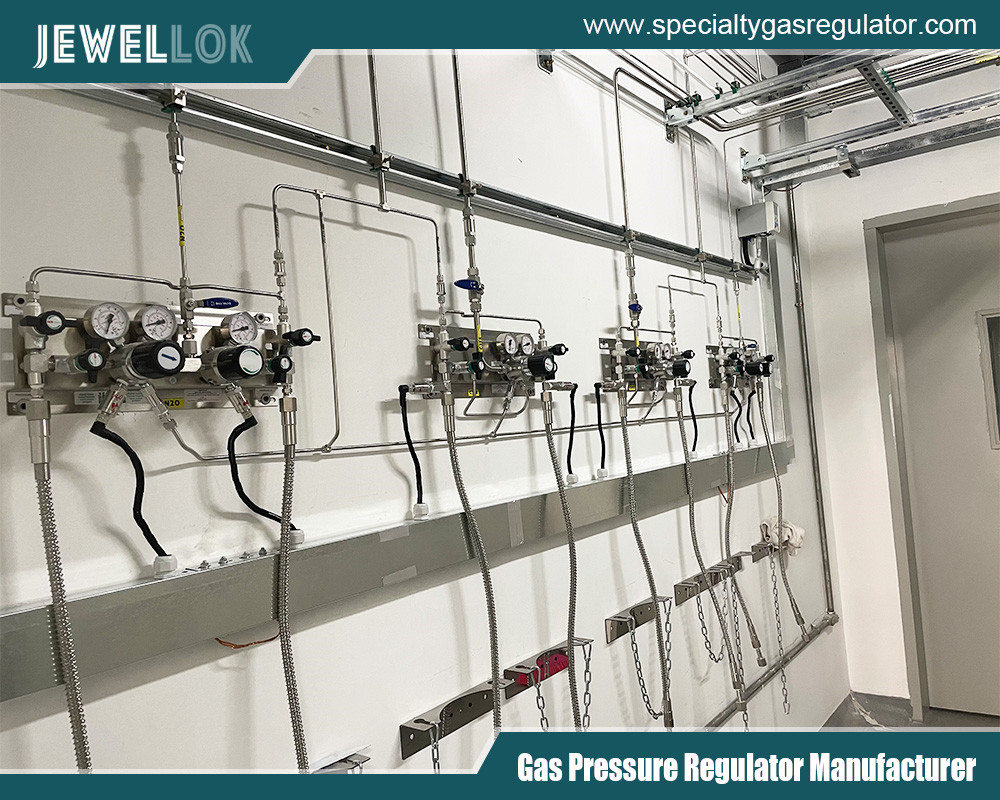
A UHP valve does not exist in isolation; it is a node in a larger network of tubing, fittings, regulators, and filters. To maintain purity, the connections between these components are almost always made by automatic orbital welding.
-
Weld Consistency: The VIM-VAR 316L material is engineered for weldability. Its low carbon and inclusion content result in consistent, strong, and corrosion-resistant welds. Orbital welding creates a fusion weld that is as clean and pure as the base materials, eliminating the dead spaces and potential leak points associated with mechanical fittings.
-
Tube Stub Ends: UHP valves are typically manufactured with integral “tube stub” ends that are precision-machined to match the exact inner diameter (ID) and outer diameter (OD) of the process tubing. This ensures a perfect, burr-free fit for welding, creating a smooth, continuous flow path from one component to the next.
Future Trends and Conclusion
As semiconductor nodes continue to shrink towards the physical limits of silicon, the demands on gas delivery systems will only intensify. We can expect future ETO UHP valves to feature even more sophisticated surface treatments, perhaps utilizing atomic layer deposition (ALD) to coat internal surfaces with an ultra-thin, perfectly inert barrier layer. Diagnostic capabilities are also being integrated, with “smart” valves capable of reporting their cycle count, internal temperature, and even the integrity of their seal in real-time, enabling predictive maintenance and preventing unscheduled downtime.
In conclusion, the humble UHP valve is a pinnacle of precision engineering. When tasked with controlling a difficult medium like Ethylene Oxide, it becomes a testament to the power of material science and thoughtful design. From the VIM-VAR processed superalloys of the diaphragm to the angstrom-level smoothness of the electropolished body, every element is optimized to perform one critical task: to deliver absolute purity and control. By mastering the challenges of containment, cleanliness, and compatibility, these valves ensure that the intricate dance of molecules on a silicon wafer proceeds without flaw, one precise pulse of gas at a time.
For more about ensuring precision in semiconductor manufacturing: an in-depth look at ETO gas UHP valve design and materials, you can pay a visit to Jewellok at https://www.specialtygasregulator.com/ for more info.
-
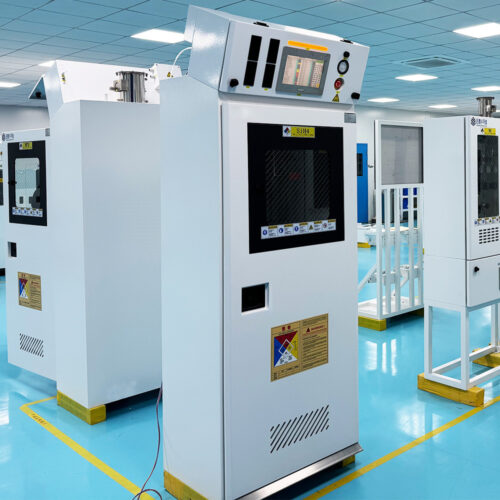
Advanced Bulk Specialty Gas Systems BSGS Gas Cabinet for Safe Handling of Toxic and Flammable Process Gases
-
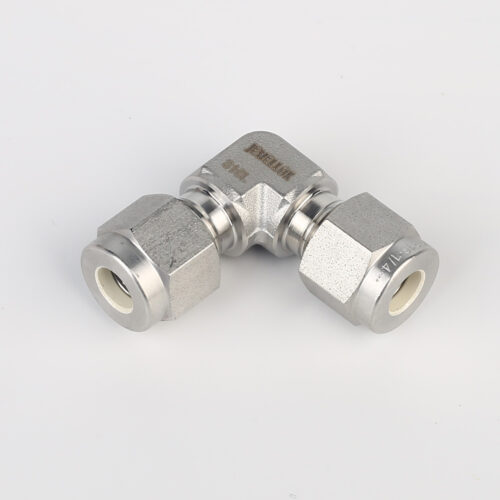
765L Stainless Steel Union Elbow Reducing High Purity Fitting Tubing Extension Tubing Connection
-
Fully Automated Gas Cabinet For Precise UHP Gas Delivery And High Purity Gas Delivery Systems JW-300-GC
-
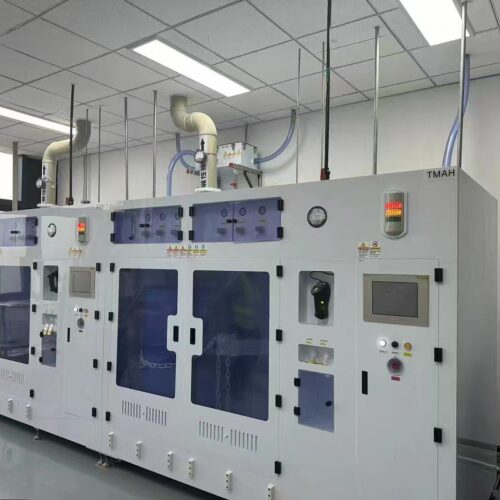
Vertical Laminar Flow Workstation (VLF) With Chemical Concentration Monitor
-
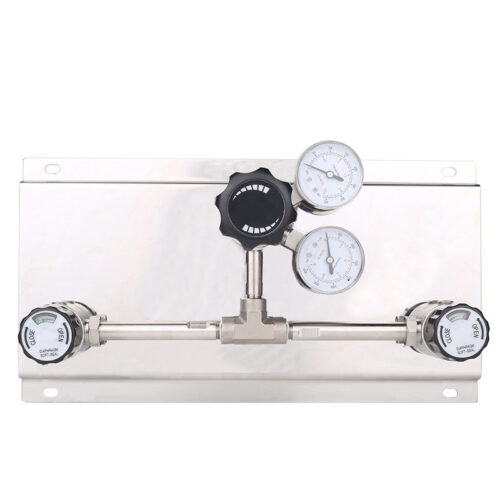
High Pressure High Flow Specialty Gas Control Panel With Diaphragm Valve , 3000Psig Oxygen Control Medical Changeover Manifold Panel
-
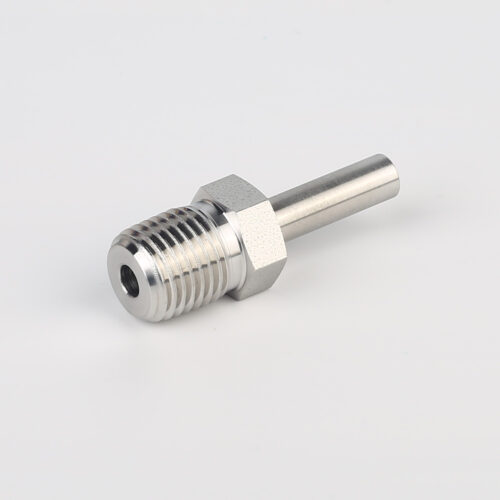
739 High Purity LMR Male Adapter Tube To Pipe Fittings And Adapters
-
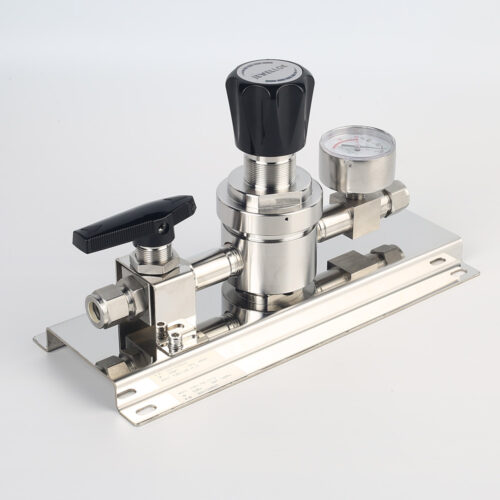
High Purity And Industria Gas Stick Assemblies Precise Pressure Control Gas Systems JSR-1ETG-BV Series
-
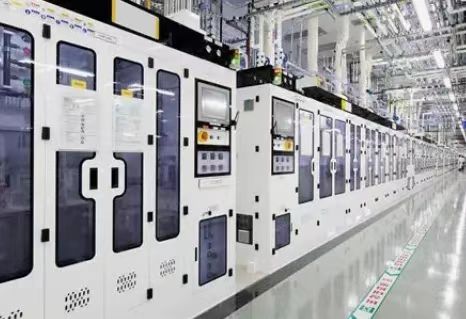
Automatic Chemical Delivery Module (CDM) and Chemical Delivery System (CDS) for Precise Point of Use Blending and Dilution