
Regulator Manufacturer Tel: +86 13380377051
Regulator Manufacturer Tel: +86 13380377051
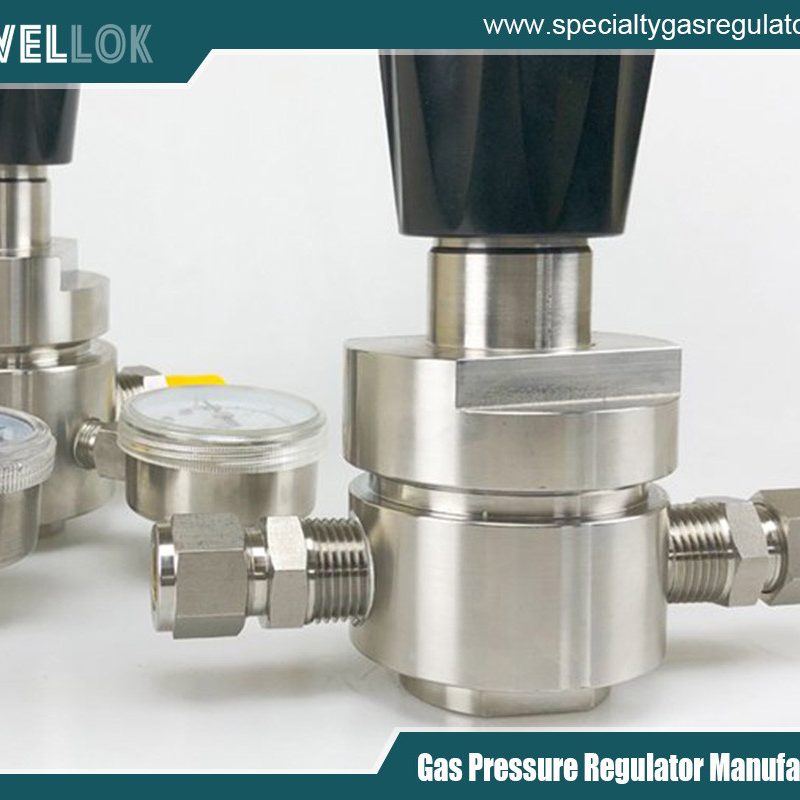
Precision at the Pressure Point: The Engineering of Ultra-High Purity Gas Regulators
In the landscape of modern advanced manufacturing—spanning semiconductor fabrication, photovoltaic cell production, and high-stakes analytical chemistry—gas purity is not just a preference; it is a fundamental requirement. When gases like Silane, Phosphine, or Hydrogen Chloride are utilized to build sub-7nm microchips, the presence of a single moisture molecule or a microscopic metallic particle can result in catastrophic yield loss. The ultra high purity gas regulator stands as the critical gatekeeper in these systems, tasked with reducing high cylinder pressures to usable process levels without introducing a single contaminant into the flow stream.
This article explores the technical architecture, material science, and operational protocols that define a true UHP regulator and why it is the backbone of high-tech fluid control.
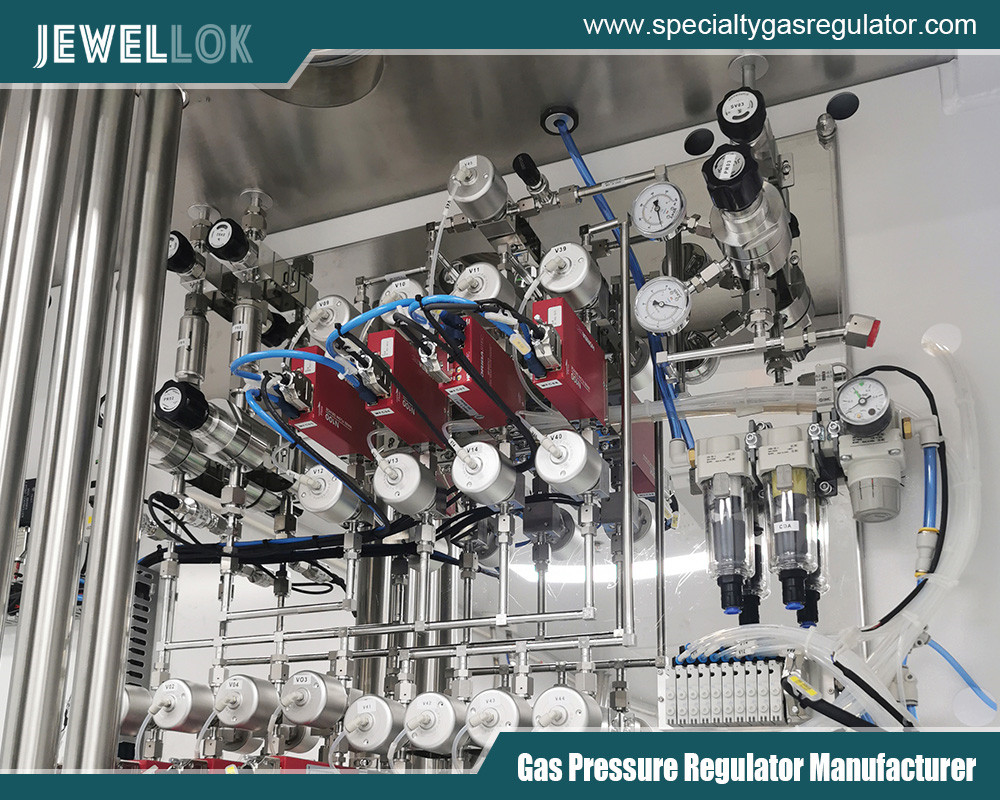
- Material Integrity: The VIM-VAR Standard
The most significant difference between a standard industrial regulator and an ultra high purity gas regulator lies in its metallurgy. Standard regulators often use 316 stainless steel or brass. However, UHP regulators utilize 316L VIM-VAR stainless steel.
- VIM (Vacuum Induction Melting): This process melts the steel in a vacuum to remove dissolved gases and volatile impurities.
- VAR (Vacuum Arc Remelting): The steel is remelted to further refine the grain structure and eliminate non-metallic inclusions.
By using VIM-VAR steel, manufacturers ensure the regulator body is “clean” at a molecular level. This prevents outgassing—the phenomenon where gas molecules trapped in the metal are slowly released into the process gas—and provides superior corrosion resistance against aggressive specialty gases like Chlorine or Hydrogen Bromide.
- Surface Science: The Importance of Electropolishing
Even the highest quality steel has a surface that looks like a mountain range under a microscope. These microscopic peaks and valleys (known as “asperities”) can trap moisture and particles.
To solve this, UHP regulators undergo electropolishing, an electrochemical process that removes the “peaks” of the surface. A high-quality ultra high purity gas regulator typically features an internal surface roughness average (Ra) of 5 to 10 micro-inches. This mirror-like finish ensures:
- Minimal Surface Area: Reducing the sites where moisture can adhere.
- Enhanced Passive Layer: Creating a chromium-rich oxide film that protects the steel from chemical attack.
- Easier Purging: Allowing the system to be cleaned of atmospheric air much faster during cylinder changes.
- Tied-Diaphragm vs. Non-Tied Designs
In UHP applications, safety and purity are inextricably linked. Most UHP regulators utilize a tied-diaphragm design. In this configuration, the diaphragm is mechanically linked (tied) to the poppet (the part that opens and closes to control flow).
Why is this critical?
If a regulator is used with a corrosive or “sticky” gas, the poppet might get stuck in the open position due to salt buildup or contamination. In a non-tied regulator, the gas would continue to flow uncontrollably. In a tied-diaphragm regulator, the act of turning the handle to close the regulator physically pulls the poppet back into the seat, ensuring a positive shut-off. This is a mandatory safety feature for handling toxic or pyrophoric gases in semiconductor fabs.
- Sealing Technology and Leak Integrity
Leakage is the enemy of purity. An ultra high purity gas regulator must be hermetically sealed to prevent the “in-leakage” of oxygen and moisture from the surrounding air.
- Metal-to-Metal Diaphragm Seals: Unlike industrial regulators that use rubber O-rings, UHP models use a metal diaphragm clamped directly against the metal body. This creates a permanent, high-integrity seal that does not degrade over time.
- Helium Leak Testing: Every UHP regulator is tested using a helium mass spectrometer. The industry standard for a UHP regulator is a leak rate of less than 1×10⁻⁹ atm cc/sec. To put that in perspective, at that rate, it would take over 30 years for a single cubic centimeter of gas to leak out.
- Performance Metrics: Droop and Supply Pressure Effect
A technical evaluation of a regulator must consider its ability to maintain a steady outlet pressure.
- Droop: This is the decrease in outlet pressure as the flow rate increases. High-end UHP regulators are designed with optimized internal flow paths to minimize droop, ensuring the process tool receives a constant pressure regardless of demand.
- Supply Pressure Effect (SPE): As a gas cylinder empties, its inlet pressure drops. In many regulators, this causes the outlet pressure to actually increase. A high-quality ultra high purity gas regulator is engineered to have an SPE of less than 1%, meaning for every 100 psi drop in the cylinder, the outlet pressure changes by less than 1 psi.
- Cleanroom Assembly and Packaging
The manufacturing process for a UHP regulator is as important as its design. Assembly must take place in a Class 10 or Class 100 cleanroom.
- Cleaning: Components are cleaned using deionized water and ultrasonic baths to remove all traces of hydrocarbons and machining oils.
- Purging: After assembly, regulators are purged with high-purity nitrogen to remove any remaining moisture.
- Packaging: They are double-bagged in nylon or polyethylene bags and heat-sealed. This ensures that when an engineer in a semiconductor fab opens the box, the regulator is as clean as the day it was manufactured.
- Applications in Modern Industry
The ultra high purity gas regulator is the foundational component for several critical systems:
- Gas Cabinets: Regulating high-pressure specialty gases at the source.
- Valve Manifold Boxes (VMB): Providing point-of-use pressure control for multiple process tools.
- Analytical Instrumentation: Ensuring stable carrier gas flow for Gas Chromatography (GC) and ICP-MS systems, where pressure fluctuations can lead to inaccurate data.

Conclusion
The ultra high purity gas regulator is much more than a simple valve; it is a masterpiece of precision engineering. By combining advanced metallurgy, electrochemical surface treatments, and rigorous leak-testing protocols, these devices allow modern industry to handle the world’s most dangerous and sensitive gases with absolute safety and purity.
As we move toward even smaller semiconductor nodes and more efficient solar energy technologies, the demand for even higher performance from these regulators will only increase, driving further innovation in the field of UHP fluid control.
For more about ultra high purity gas regulator, you can pay a visit to Jewellok at https://www.specialtygasregulator.com/product-category/ultra-high-purity-gas-regulators/ for more info.
-
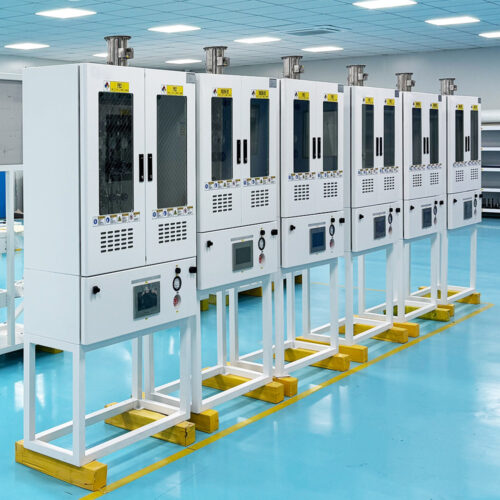
Corrosion Resistant 316L Stainless Steel Exhaust Gas Scrubber System for Harsh Chemical Process Environments
-
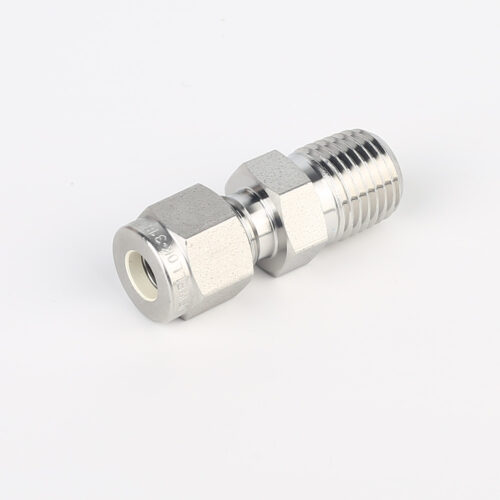
768L Stainless Steel Male Tube Butt Weld Connector | Clean Weld Fittings And Ultra-High Purity Fittings
-
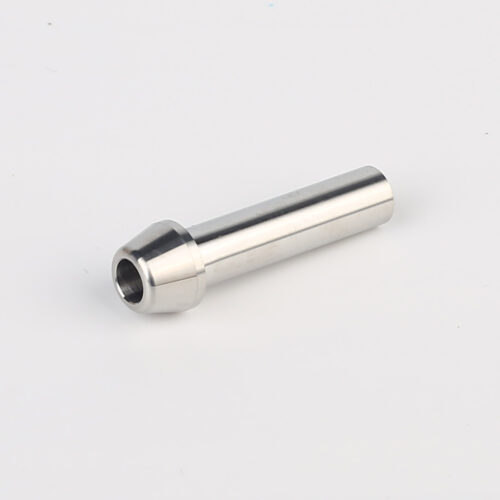
767LP Port Connector Ultra High Purity VCJ Metal Gasket Face Seal Tube Fittings
-
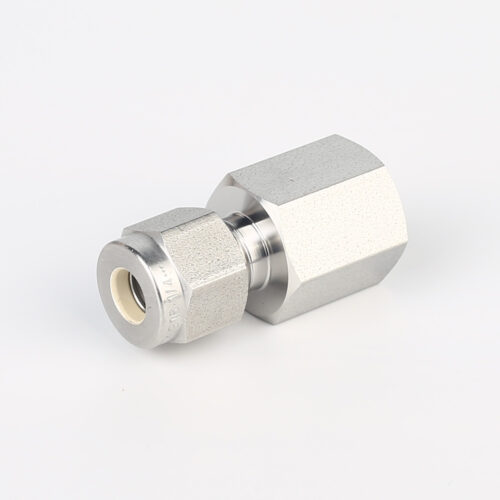
766L High Purity Female Connector UHP Fitting Female Connector
-
Automated Valve Manifold Box with Leak Detection for Toxic and Flammable Semiconductor Process Gases
-
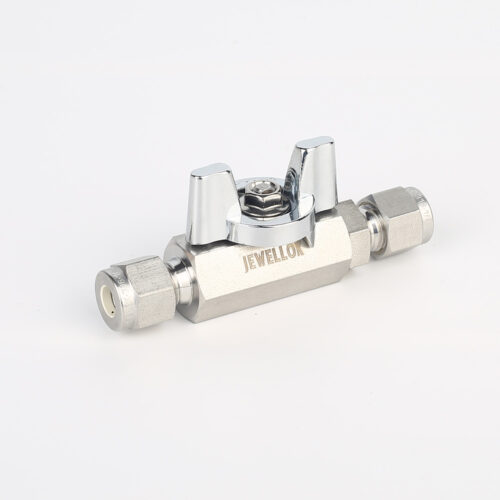
Stainless Steel High-Purity High Temperature Metal Seated Ball Valves JBV3 Series
-
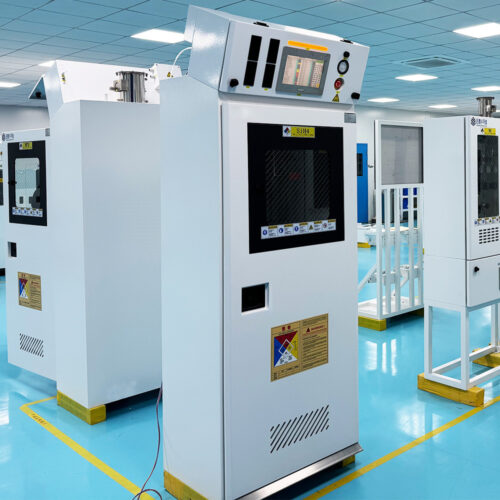
Advanced Bulk Specialty Gas Systems BSGS Gas Cabinet for Safe Handling of Toxic and Flammable Process Gases
-
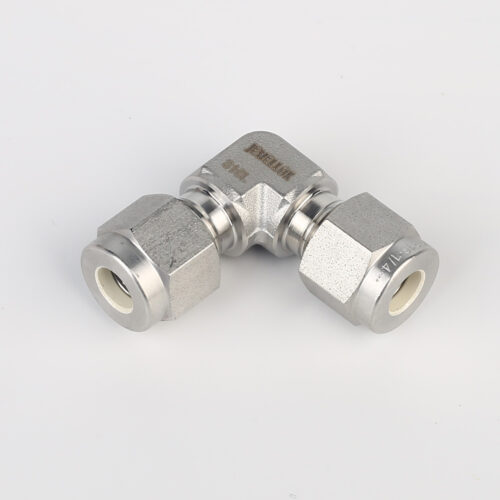
765L Stainless Steel Union Elbow Reducing High Purity Fitting Tubing Extension Tubing Connection