
Regulator Manufacturer Tel: +86 13380377051
Regulator Manufacturer Tel: +86 13380377051
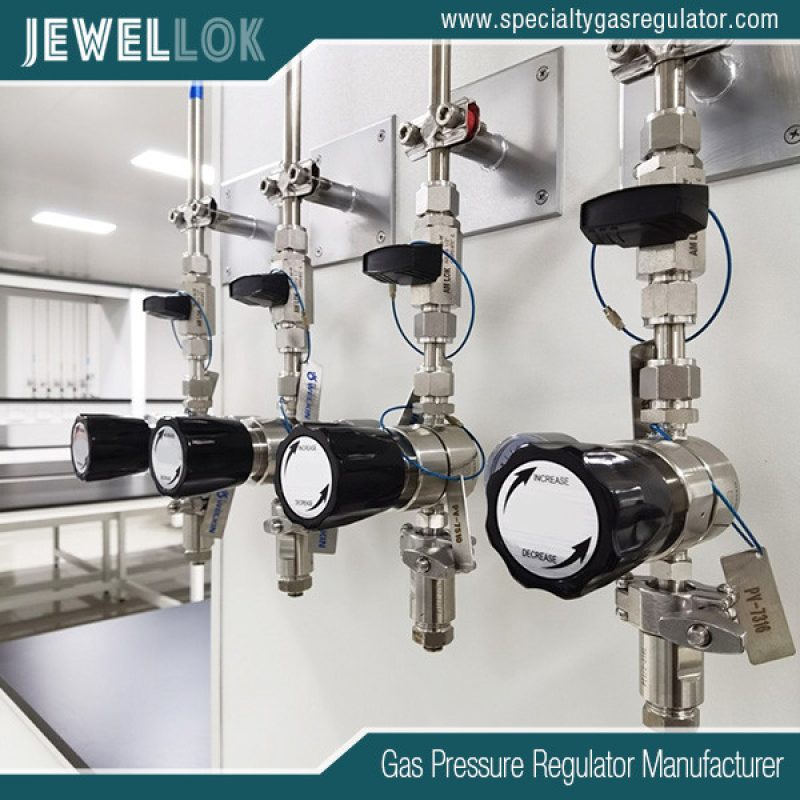
Centralized Chemical Dispense Unit for Semiconductor Chemical Distribution Systems
The semiconductor manufacturing industry requires an extremely high level of control over chemical delivery, because even small variations in chemical purity, flow rate, pressure, or contamination can affect wafer processing and final device performance. As semiconductor process nodes become more advanced, chemical distribution systems must provide stable and repeatable delivery of process chemicals while minimizing contamination, leakage, chemical waste, and operator exposure.
A Centralized Chemical Dispense Unit (CDU) is an important solution for semiconductor chemical distribution applications. Instead of installing independent chemical supply and dispensing equipment for every process tool, a centralized CDU can receive chemicals from bulk storage or chemical supply systems, perform controlled filtration, pressure regulation, pumping, monitoring, and distribution, and then deliver chemicals through dedicated process lines to multiple points of use.
A properly engineered centralized chemical dispense unit combines fluid handling components, high-purity piping, valves, pumps, sensors, filtration, control systems, and safety functions into an integrated platform. When designed correctly, it can improve chemical delivery consistency, simplify facility management, reduce equipment duplication, and support the demanding requirements of modern semiconductor fabs.
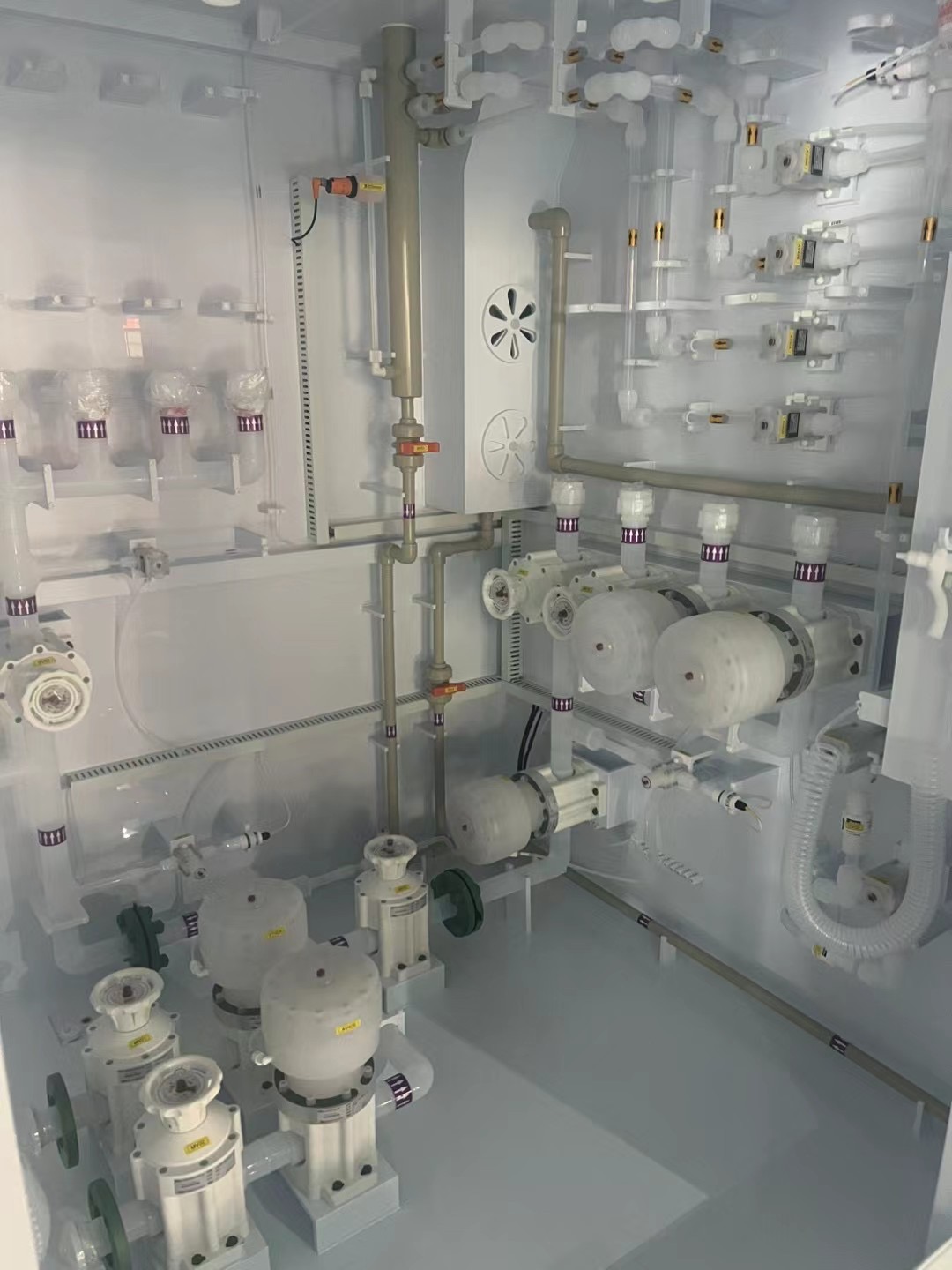
What Is a Centralized Chemical Dispense Unit?
A centralized Chemical Dispense Unit is an integrated chemical handling system designed to prepare and distribute process chemicals from a central supply source to multiple semiconductor manufacturing tools.
Depending on the application, the system may handle chemicals such as acids, bases, solvents, oxidizers, cleaning chemicals, and other process fluids. The exact materials of construction, filtration technology, pump configuration, instrumentation, and control architecture must be selected according to the chemical properties and semiconductor process requirements.
A typical centralized CDU may include:
- Chemical inlet and supply connections
- High-purity chemical storage or buffer tanks
- Chemical pumps
- UHP valves and diaphragm valves
- Pressure regulators and control valves
- High-purity filters
- Flow meters and pressure sensors
- Leak detection sensors
- Chemical concentration or temperature monitoring
- Automated drain and purge functions
- PLC-based control system
- HMI operating interface
- Emergency shutdown system
- Secondary containment
- Exhaust and ventilation interfaces
The CDU can therefore serve as the central interface between the facility chemical supply system and downstream process tools.
Why Centralized Chemical Distribution Is Important
Semiconductor fabs often operate hundreds of process tools, each requiring highly controlled chemical delivery. A decentralized architecture can require multiple local chemical cabinets, pumps, filters, control systems, and maintenance points. As the number of process tools increases, this can increase system complexity and maintenance requirements.
A centralized chemical dispense unit provides a different architecture. One engineered system can serve multiple process points while maintaining controlled chemical conditions throughout the distribution network.
One major advantage is delivery consistency. A centralized system can continuously monitor parameters such as pressure, flow, temperature, and chemical supply status. PLC-based control can automatically adjust operating conditions to maintain predefined process parameters.
Another benefit is space utilization. Centralizing chemical handling equipment can reduce the amount of equipment installed around individual process tools. This can be particularly valuable in semiconductor facilities where cleanroom floor space is expensive and tightly controlled.
Centralization can also simplify maintenance. Pumps, filters, instruments, and control components can be organized in dedicated service areas, allowing technicians to perform inspection or replacement without unnecessarily disturbing process equipment.
High-Purity Fluid Handling Design
Chemical purity is one of the most important considerations when designing a semiconductor CDU. Contamination can originate from chemical sources, piping materials, valves, seals, pumps, filters, dead legs, or improperly controlled maintenance procedures.
For high-purity applications, wetted components should be selected according to the chemical compatibility and required purity level. Common materials may include high-purity fluoropolymers and corrosion-resistant stainless steels, depending on the chemical.
For compatible applications, 316L stainless steel can provide excellent mechanical strength and corrosion resistance. Surface treatment and electropolishing may also be specified where high-purity fluid handling requires low surface roughness and improved resistance to particle accumulation.
For aggressive chemicals, fluoropolymer materials such as PTFE, PFA, or PVDF may be considered. Material selection must always be based on actual chemical concentration, temperature, pressure, exposure time, and process conditions rather than simply selecting a material because it is commonly used in semiconductor systems.
The internal geometry of the CDU is equally important. Engineers should minimize unnecessary dead legs, sharp transitions, stagnant zones, and difficult-to-clean sections. Smooth flow paths can help reduce particle accumulation and improve system cleanability.
Pumps and Flow Control
The pump is one of the most important components in a centralized chemical dispense unit. Its function is to provide stable chemical transfer and sufficient pressure for distribution to downstream process tools.
Different applications may require different pump technologies. Pneumatic diaphragm pumps, magnetic-drive pumps, canned pumps, or other chemical-compatible pump configurations can be considered according to the fluid properties and required flow characteristics.
Pump selection should consider:
- Required flow rate
- Differential pressure
- Chemical compatibility
- Temperature
- Particle sensitivity
- Pulsation
- Pump lifetime
- Maintenance requirements
- Required cleanliness level
Flow control is normally achieved through a combination of pump control, pressure regulation, control valves, and flow measurement.
A well-designed system should prevent excessive pressure fluctuations when multiple process tools start or stop simultaneously. Proper hydraulic sizing and control logic are therefore essential for maintaining stable chemical delivery.
Filtration and Particle Control
Filtration is another critical function of a semiconductor Chemical Dispense Unit. Process chemicals must often meet stringent particle requirements because particles can cause defects during wafer processing.
The CDU may incorporate point-of-supply filtration, recirculation filtration, or point-of-use filtration depending on the chemical and process architecture.
Filter selection involves more than choosing a nominal micron rating. Engineers should evaluate:
- Chemical compatibility
- Filter membrane material
- Particle retention efficiency
- Pressure drop
- Flow capacity
- Extractables
- Filter lifetime
- Replacement procedure
- Required cleanliness level
A centralized system can also incorporate differential pressure monitoring across filters. When the pressure drop increases beyond a predefined threshold, the control system can generate an alarm or maintenance notification.
PLC-Based Automation and Monitoring
Modern centralized CDUs increasingly rely on PLC-based automation to improve reliability and process control.
The PLC can monitor signals from pressure transmitters, flow meters, level sensors, temperature sensors, leak detectors, pump status indicators, valve position sensors, and other field devices.
Typical automated functions include:
- Chemical supply monitoring
- Pump start and stop control
- Pressure regulation
- Flow monitoring
- Automatic valve sequencing
- Filter differential-pressure monitoring
- Leak detection
- Low-level protection
- Emergency shutdown
- Alarm management
- Data logging
- Preventive maintenance notifications
An HMI can provide operators with real-time information about system status. Important parameters can be displayed through process graphics, trend charts, alarm screens, and equipment status indicators.
For advanced semiconductor facilities, the CDU can also be integrated with factory-level monitoring systems through appropriate industrial communication protocols. This allows operating information and alarms to be incorporated into the facility’s broader equipment management architecture.
Safety and Leak Prevention
Chemical safety must be incorporated into the CDU from the initial engineering stage rather than added after installation.
A centralized CDU should provide appropriate secondary containment for potential chemical leakage. Leak detection sensors can identify abnormal liquid accumulation and trigger alarms or automated shutdown sequences.
Emergency shutdown logic can be designed to isolate chemical supply lines, stop pumps, and close selected valves when critical conditions are detected.
Typical safety monitoring parameters may include:
- Chemical leakage
- Excessive pressure
- Abnormally low pressure
- Pump failure
- Low chemical level
- High temperature
- Valve position errors
- Loss of exhaust
- Loss of control power
The exact safety architecture depends on chemical hazards, facility requirements, applicable regulations, and the semiconductor process.
Recirculation and Chemical Stability
For certain semiconductor chemicals, recirculation can improve delivery stability. Instead of allowing chemical to remain stagnant in a distribution line, the system can continuously circulate the chemical through a controlled loop.
Recirculation may help maintain consistent chemical conditions and reduce stagnation-related concerns. It can also provide a stable supply pressure for multiple downstream points of use.
However, recirculation is not universally required. The appropriate architecture depends on chemical characteristics, process consumption, required purity, temperature sensitivity, and distribution distance.
Engineering the circulation loop requires careful consideration of pump sizing, pressure balance, return-line configuration, filtration, and temperature control.
Centralized CDU vs. Point-of-Use Chemical Supply
A centralized system and a decentralized point-of-use system each have their own advantages.
A centralized CDU is generally attractive when a facility has many process tools requiring the same or compatible chemicals. It can consolidate equipment and simplify chemical management.
A point-of-use architecture may be more suitable when different process tools require significantly different chemical conditions or when chemical isolation is particularly important.
The correct approach is therefore determined by the fab’s process architecture, chemical consumption, facility layout, safety requirements, and future expansion plans.
For large semiconductor facilities, a hybrid architecture can also be considered. Central chemical supply equipment can feed several independent CDUs, while individual process areas maintain dedicated dispensing and monitoring functions.
Maintenance and Reliability
Reliability is essential because an interruption in chemical delivery can affect production equipment and wafer throughput.
A centralized CDU should be designed with maintenance accessibility in mind. Components such as filters, pumps, valves, sensors, and control modules should be positioned so that technicians can inspect and replace them efficiently.
Where production requirements justify it, redundant pumps or critical instrumentation can be incorporated. Isolation valves can allow selected components to be serviced without shutting down the entire distribution system.
Preventive maintenance can also be supported through PLC monitoring. For example, pump operating hours, filter differential pressure, valve cycles, and alarm history can be recorded to help maintenance teams identify potential problems before they result in an unexpected shutdown.
Engineering a Customized Semiconductor CDU
A centralized Chemical Dispense Unit should not be treated as a standard off-the-shelf chemical cabinet. Semiconductor chemical distribution systems normally require customized engineering based on the customer’s process requirements.
Important design inputs include:
- Chemical type and concentration
- Chemical consumption rate
- Number of process tools
- Required flow rate
- Supply and return pressure
- Operating temperature
- Required purity level
- Required filtration level
- Piping material
- Valve configuration
- Pump technology
- Control architecture
- Cleanroom requirements
- Exhaust requirements
- Safety requirements
- Future expansion capacity
Based on these parameters, engineers can develop the P&ID, equipment layout, piping configuration, control logic, alarm matrix, and electrical architecture.

Conclusion
A Centralized Chemical Dispense Unit for semiconductor chemical distribution systems provides an integrated approach to delivering process chemicals safely, consistently, and efficiently to multiple manufacturing tools. By combining high-purity fluid-handling components, pumps, filters, valves, sensors, PLC automation, leak detection, and safety functions, a centralized CDU can become an important part of a modern semiconductor chemical supply infrastructure.
The most important factors are not simply equipment capacity or initial purchase price. Material compatibility, contamination control, hydraulic stability, automation reliability, maintenance accessibility, safety, and system scalability all have a direct influence on long-term performance.
For semiconductor manufacturers, a properly engineered centralized CDU can reduce system complexity while improving monitoring and chemical delivery consistency. As semiconductor processes continue to demand tighter control and higher levels of cleanliness, customized chemical dispense technology will remain an important component of advanced chemical distribution systems.
For more about Centralized Chemical Dispense Unit for semiconductor chemical distribution systems, you can pay a visit to Jewellok at https://www.specialtygasregulator.com/product-category/specialty-gas-cabinet/ for more info.
-
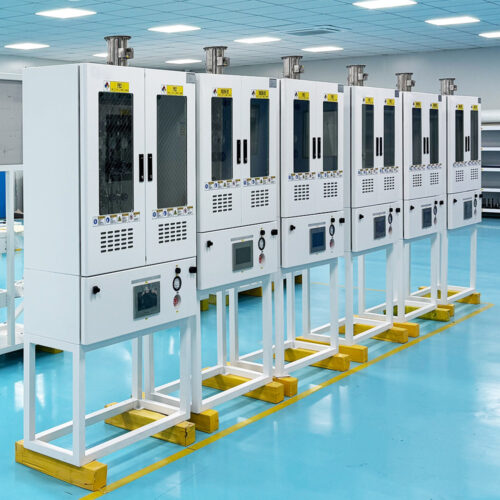
Ultra High Purity Gas Delivery Systems And Liquid Chemical Delivery Systems JW-300-LDS
-
Stainless Steel High Purity High Temperature Pneumatic Actuated Ball Valves JBV2 Series
-
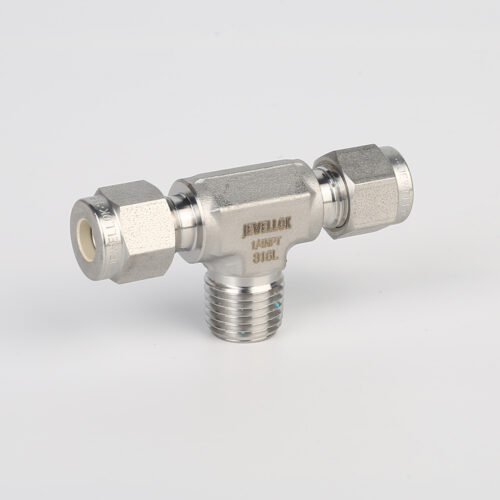
772L Male Branch Tee | Stainless Steel High-Purity Tube Fitting Male Branch Tee
-
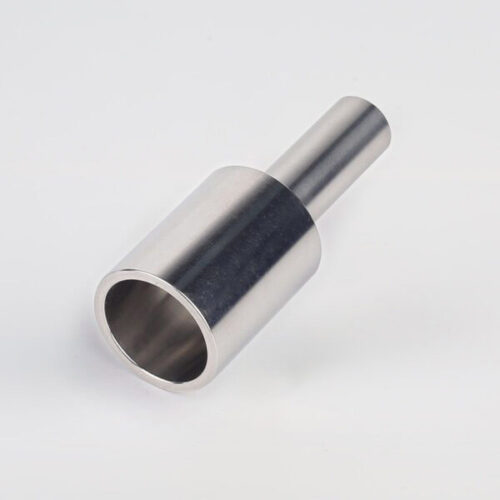
316L Stainless Steel Tube Butt Weld Reducing Fittings Union Reducer RW Series Ultrahigh Purity Process
-
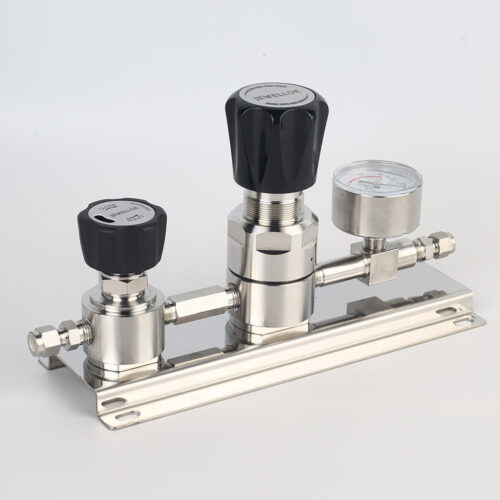
High Purity High Flow Pressure Control Regulators & Valves Gas Stick Assemblies JSR-2TG Series
-
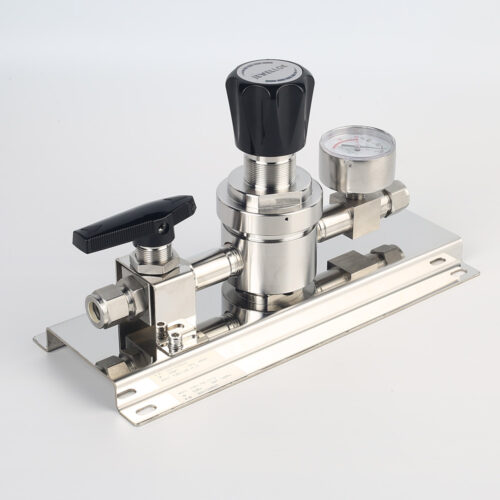
High Purity And Industria Gas Stick Assemblies Precise Pressure Control Gas Systems JSR-1ETG-BV Series
-
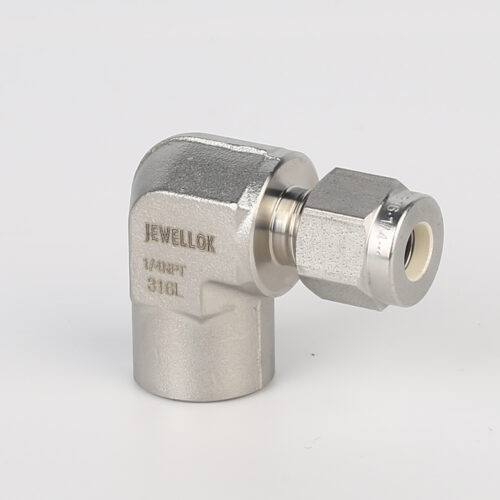
770L Female Elbow | Stainless Steel High Purity Weld Fittings Female Micro Elbow Fittings
-
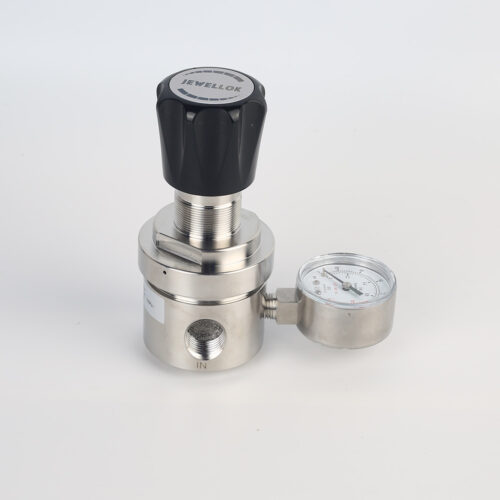
Line And Panel Mounting Adjustable Low Pressure Propane And Nitrogen Pressure Regulator JSR-3L & JSR-3LP Series