
Regulator Manufacturer Tel: +86 13380377051
Regulator Manufacturer Tel: +86 13380377051
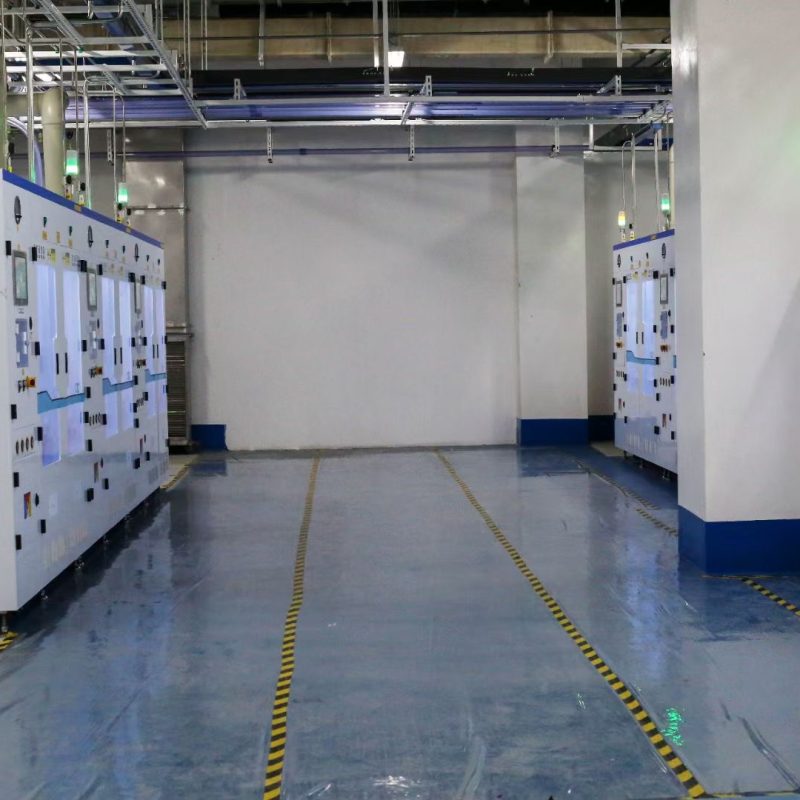
OEM Chemical Delivery System Manufacturer in China for Semiconductor and Advanced Manufacturing Applications
In advanced manufacturing industries, the reliable handling and delivery of process chemicals is critical to product quality, equipment safety, production efficiency, and contamination control. Semiconductor fabrication, photovoltaic manufacturing, LED production, display manufacturing, pharmaceuticals, laboratories, and other high-precision industries increasingly require customized chemical delivery systems capable of transporting corrosive, toxic, reactive, or high-purity chemicals under tightly controlled conditions.
An OEM Chemical Delivery System Manufacturer in China can provide customized engineering, manufacturing, assembly, testing, and integration services according to specific process requirements. Compared with standardized equipment, an OEM chemical delivery system can be designed around the customer’s chemical properties, flow rate, pressure, piping configuration, control requirements, installation environment, and production capacity.
A professional OEM supplier does more than manufacture a cabinet or piping assembly. It integrates fluid handling components, valves, pumps, regulators, sensors, tubing, control systems, safety devices, and monitoring functions into a complete chemical delivery solution.
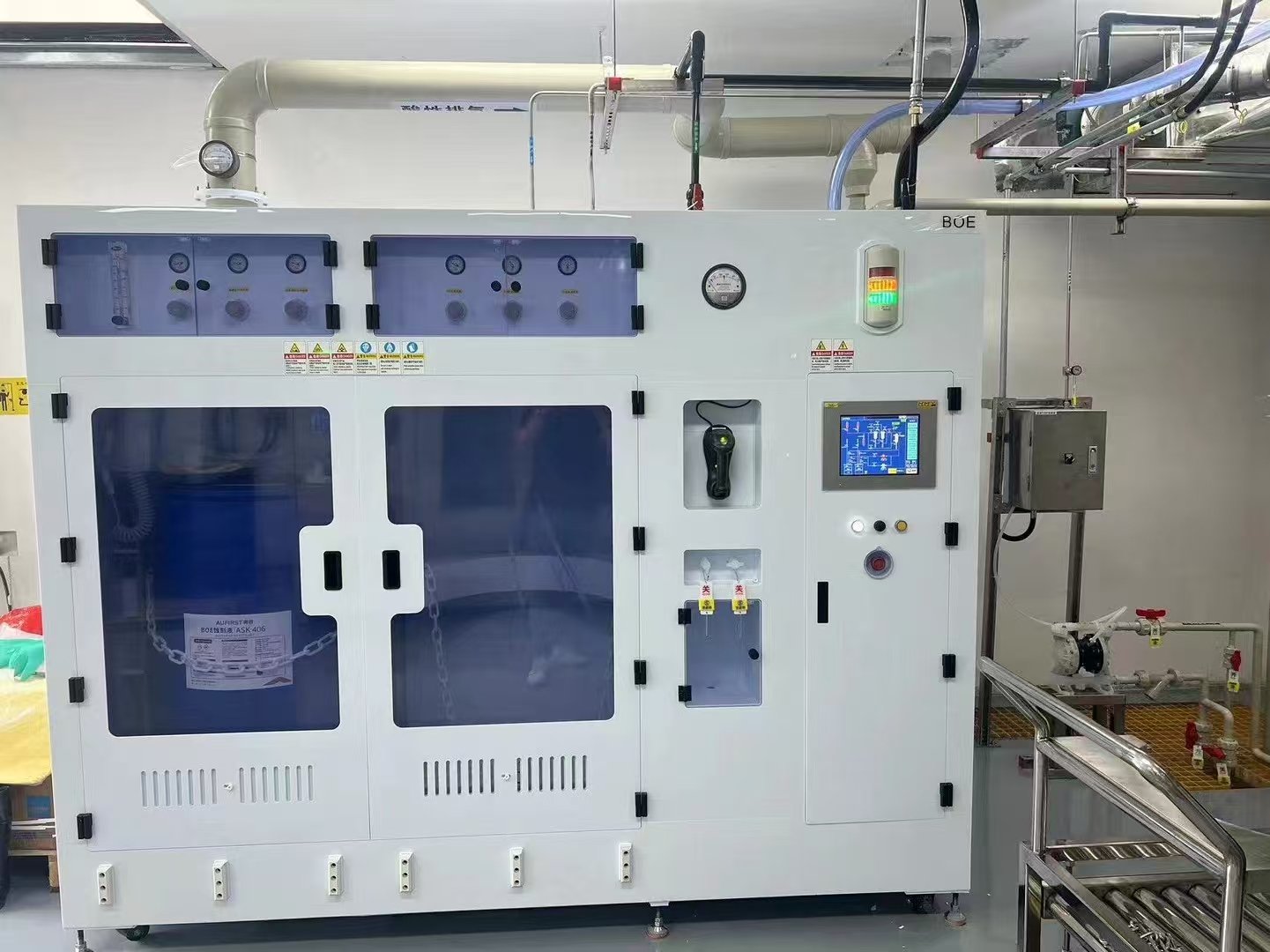
What Is a Chemical Delivery System?
A Chemical Delivery System (CDS) is an engineered system used to store, transfer, condition, meter, and deliver liquid chemicals to manufacturing equipment or process tools. Depending on the application, the system may include chemical storage containers, pumps, valves, filters, regulators, pressure sensors, flow meters, leak detection devices, exhaust connections, control panels, and automated monitoring systems.
The basic process can be described as:
Chemical Source → Transfer → Filtration → Pressure/Flow Control → Distribution → Process Tool
The exact configuration depends on the chemical and process requirements.
For example, semiconductor manufacturing may require extremely high levels of purity and particle control. Chemical systems handling acids, bases, solvents, or specialty chemicals may require corrosion-resistant materials and secondary containment. Automated systems may also need PLC control, remote monitoring, alarm management, and automatic shutoff functions.
Therefore, chemical delivery equipment should be designed as an integrated engineering system rather than simply assembled from individual components.
Why Choose an OEM Chemical Delivery System Manufacturer?
The main advantage of working with an OEM manufacturer is customization.
Different production facilities have different requirements. A standard chemical cabinet may not provide the correct number of outlets, pressure range, chemical compatibility, footprint, control interface, or connection configuration.
An OEM manufacturer can customize the system according to the customer’s technical specifications.
Typical OEM customization services include:
- Customized cabinet dimensions
- Customized chemical inlet and outlet configurations
- Different pipe and tubing materials
- Manual or automatic valve configurations
- Customized pump selection
- Flow and pressure control
- Filtration and purification modules
- Leak detection systems
- PLC and HMI control
- Remote monitoring interfaces
- Customized electrical systems
- Special connection standards
- Customized labeling and documentation
- Factory acceptance testing
This flexibility is particularly important for semiconductor fabs, chemical plants, and advanced manufacturing facilities where chemical delivery systems must be integrated with existing process equipment.
Chemical Compatibility and Material Selection
Material selection is one of the most important considerations when designing a chemical delivery system.
The wetted components must be compatible with the chemicals being transported. Depending on the application, commonly used materials may include 316L stainless steel, PTFE, PFA, PVDF, PP, PVC, and other chemically resistant materials.
For high-purity applications, 316L stainless steel is widely used in precision gas and chemical handling systems because of its mechanical strength, corrosion resistance, and suitability for high-purity fabrication when properly processed.
For highly corrosive chemicals, fluoropolymer materials such as PTFE and PFA can provide excellent chemical resistance. Plastic materials such as PVDF and PP may also be selected for specific chemical applications.
Material selection should consider more than basic corrosion resistance. Engineers should evaluate:
- Chemical concentration
- Operating temperature
- Operating pressure
- Chemical compatibility
- Permeation characteristics
- Particle generation
- Surface finish
- Cleanliness requirements
- Mechanical strength
- Expected service life
A professional OEM manufacturer should review these parameters before selecting wetted materials and components.
Customized Chemical Delivery System Design
An experienced manufacturer normally begins an OEM project with a technical review.
The customer may provide information such as chemical type, number of chemicals, required flow rate, delivery pressure, operating temperature, process tool requirements, installation space, electrical specifications, and automation requirements.
Engineers then develop the system architecture.
A customized chemical delivery system may include several functional modules.
Chemical Storage and Supply Module
This section connects the system to chemical containers, drums, tanks, totes, or other supply sources. Depending on the application, it may incorporate level monitoring, pressure monitoring, secondary containment, and chemical identification.
Pumping and Transfer Module
The pumping system provides controlled chemical transfer from the source to the process equipment. Pump selection depends on flow requirements, pressure requirements, chemical compatibility, temperature, and contamination sensitivity.
Filtration Module
Filters can remove particles and protect downstream process equipment. In high-purity applications, filtration performance can have a direct influence on manufacturing yield.
Valve and Flow Control Module
Valves regulate the movement of chemicals through the system. Depending on the application, the system may use manual valves, pneumatic valves, diaphragm valves, bellows-sealed valves, or other specialized valve technologies.
Flow control can also be combined with pressure sensors and flow meters to achieve more precise chemical delivery.
Monitoring and Control Module
Modern chemical delivery systems increasingly use automation technology. PLC controllers, HMIs, sensors, alarms, and communication interfaces can allow operators to monitor operating conditions and respond to abnormal situations.
Parameters such as pressure, flow, liquid level, temperature, and leakage status can be monitored continuously.
Safety Features of Chemical Delivery Systems
Chemical handling requires comprehensive safety engineering.
A professionally designed chemical delivery system may incorporate leak detection, emergency shutoff, pressure monitoring, secondary containment, ventilation connections, interlocks, alarms, and other protective measures.
For example, if a sensor detects an abnormal pressure condition, the control system can trigger an alarm and execute a predefined shutdown sequence where appropriate.
Leak detection is particularly important for systems handling corrosive or hazardous chemicals. Sensors can be installed in designated containment areas to detect chemical leakage at an early stage.
Safety design should also consider maintenance operations. Components requiring periodic replacement should be accessible while minimizing unnecessary exposure to chemicals.
The exact safety architecture should be determined according to the chemical hazards, facility requirements, applicable standards, and customer specifications.
Automation and Intelligent Control
Automation is becoming an important feature of modern chemical delivery systems.
A manually operated system may be sufficient for small-scale applications, but large production facilities often require automated chemical supply, monitoring, and alarm management.
An automated CDS can integrate:
- PLC control
- HMI operation
- Pressure sensors
- Flow meters
- Level sensors
- Leak detectors
- Automatic valves
- Pump control
- Alarm systems
- Data communication
- Remote monitoring
The control logic can be customized according to the customer’s process sequence.
For example, the system can monitor chemical levels and provide alerts when a supply container approaches a predefined level. Automated valves can also be controlled according to process requirements, while pressure and flow information can be displayed through an HMI.
For advanced manufacturing facilities, communication with factory automation systems can further improve production visibility and operational efficiency.
OEM Manufacturing and Quality Control
Choosing an OEM manufacturer is not only about design capability. Manufacturing quality and testing procedures are equally important.
A professional factory should establish quality control throughout the production process.
Typical manufacturing steps may include:
- Engineering design
- Bill of materials confirmation
- Material inspection
- Component preparation
- Tubing and piping fabrication
- Welding or mechanical assembly
- Valve and instrument installation
- Electrical assembly
- Cleaning
- Pressure testing
- Leak testing
- Functional testing
- Control system testing
- Final inspection
- Packaging and shipment
For high-purity systems, cleanliness control is especially important. Manufacturing and assembly procedures should be designed to minimize contamination, particles, and unwanted residues.
Documentation can also include material certificates, inspection records, test reports, component lists, drawings, operation manuals, and maintenance documentation according to project requirements.
Applications of Chemical Delivery Systems
OEM chemical delivery systems are used in a wide range of industries.
Semiconductor Manufacturing
Semiconductor fabs use chemical delivery systems for processes involving cleaning, etching, deposition, lithography-related processes, and other manufacturing operations. High purity, stable flow, contamination control, and automation are essential.
Solar Cell Manufacturing
Photovoltaic production requires chemical handling systems for various cleaning, texturing, etching, and surface treatment processes.
Display Manufacturing
LCD, OLED, and other display manufacturing processes may require precise delivery of specialty chemicals with stable flow and pressure control.
Electronics Manufacturing
Advanced electronics production can use chemical delivery equipment for cleaning, surface treatment, plating, and other processes.
Pharmaceutical and Laboratory Applications
Pharmaceutical and laboratory environments may require controlled delivery of chemicals and process liquids while emphasizing material compatibility, cleanliness, and accurate metering.
Why Source an OEM CDS Manufacturer in China?
China has developed a strong manufacturing ecosystem for industrial automation, precision machining, stainless steel fabrication, valves, pumps, instrumentation, electrical control systems, and semiconductor-related equipment.
This supply chain allows OEM manufacturers to integrate multiple components into customized chemical delivery solutions.
Another advantage is manufacturing flexibility. Chinese OEM factories can often support prototype development, small-batch production, and larger-volume manufacturing.
For international customers, an experienced export-oriented manufacturer can also provide engineering drawings, technical documentation, customized packaging, remote technical communication, and international shipment coordination.
However, customers should evaluate suppliers based on engineering capability and quality management rather than price alone.
Important evaluation criteria include:
- Chemical handling experience
- Material selection capability
- Engineering team
- Manufacturing facilities
- Component quality
- Welding and assembly capability
- Testing procedures
- Automation experience
- Documentation quality
- OEM customization capability
- Export experience
- After-sales technical support
How to Select the Right OEM Chemical Delivery System Manufacturer
Before placing an OEM order, customers should provide as much technical information as possible.
The manufacturer should understand the chemical properties, required flow rate, pressure, temperature, number of delivery points, installation environment, available utilities, communication protocols, and safety requirements.
It is also important to clarify whether the project requires a standalone chemical delivery unit or a complete system including storage, distribution, control, exhaust, and monitoring.
A good OEM partner should be able to identify potential engineering issues during the design stage instead of waiting until production or installation.
Technical communication is particularly important for international projects. Drawings, specifications, P&IDs, electrical diagrams, component lists, and testing requirements should be confirmed before manufacturing begins.
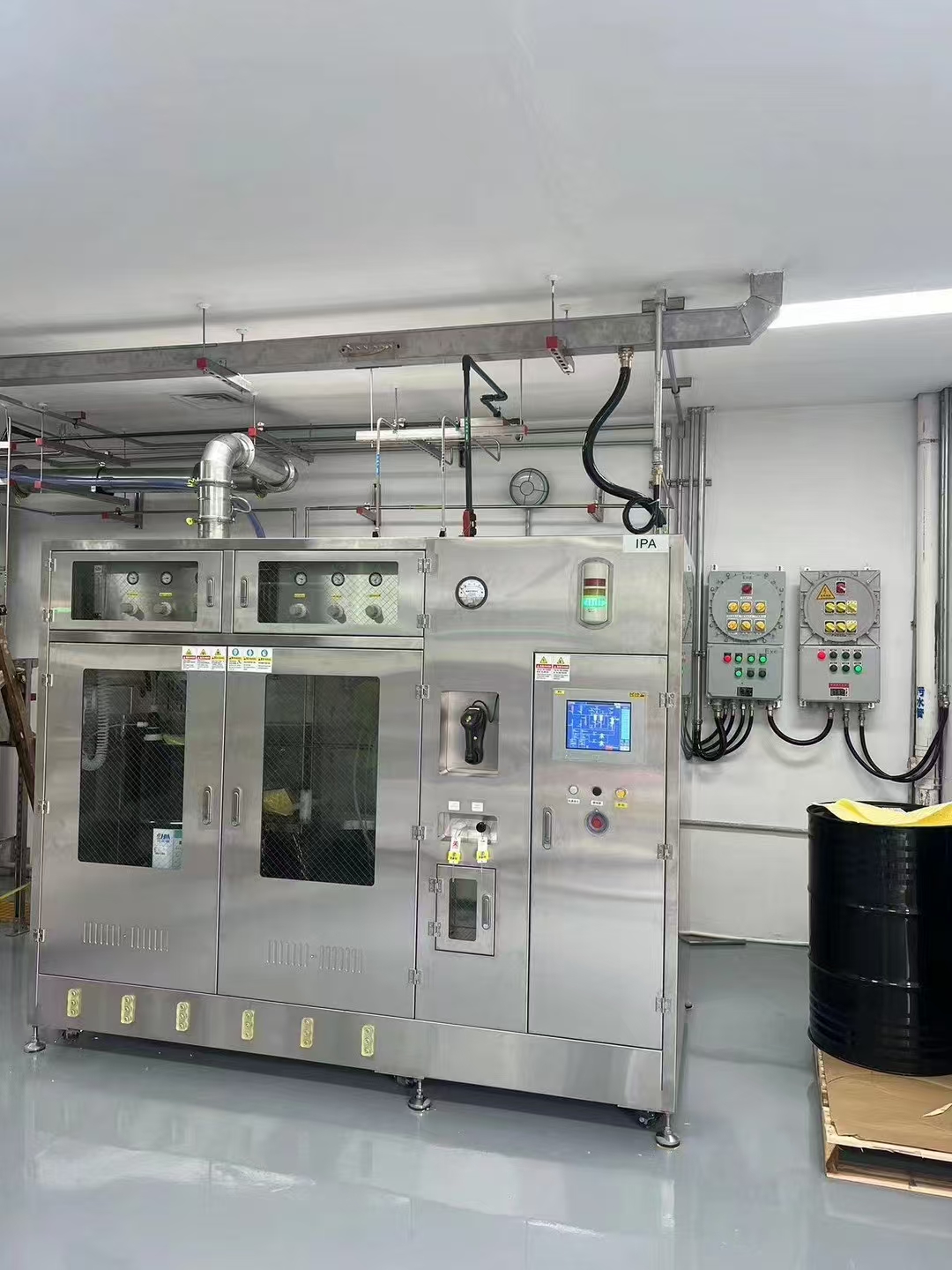
Conclusion
An OEM Chemical Delivery System Manufacturer in China can provide a flexible and cost-effective solution for companies requiring customized chemical handling and distribution equipment.
From chemical storage and pumping to filtration, pressure regulation, flow control, monitoring, automation, and safety management, a modern CDS combines multiple engineering technologies into one integrated platform.
For semiconductor, photovoltaic, display, pharmaceutical, electronics, and advanced manufacturing applications, system reliability depends on correct material selection, precise engineering, high-quality components, controlled manufacturing, and comprehensive testing.
When selecting a Chinese OEM supplier, buyers should look beyond equipment price and evaluate engineering expertise, chemical compatibility, manufacturing quality, automation capabilities, testing standards, documentation, and long-term technical support.
A capable OEM partner can transform a customer’s process requirements into a customized chemical delivery solution designed for stable operation, controlled chemical handling, and reliable integration with modern manufacturing equipment.
For companies looking for a custom chemical delivery system, chemical dispense unit, or automated chemical distribution solution, partnering directly with an experienced OEM manufacturer can provide greater flexibility in system configuration, component selection, production scale, and future customization.
For more about OEM chemical delivery system manufacturer in china for semiconductor and advanced manufacturing applications, you can pay a visit to Jewellok at https://www.specialtygasregulator.com/product-category/specialty-gas-cabinet/ for more info.
-
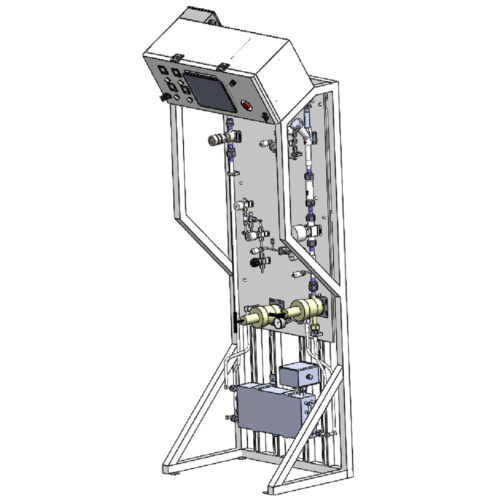
High Purity High Pressure Specialty Gas Bottle Gas Cylinder Storage Cabinet And Gas Pressure Regulating Cabinet For Semiconductor
-
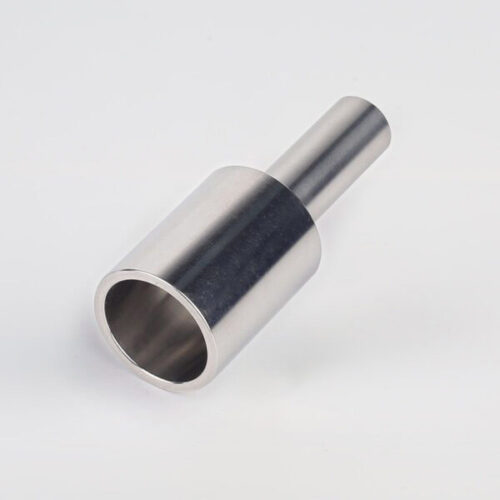
316L Stainless Steel Tube Butt Weld Reducing Fittings Union Reducer RW Series Ultrahigh Purity Process
-
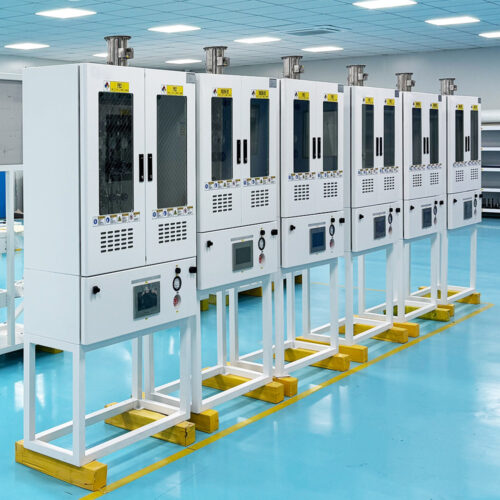
Precision Stainless Steel Valve Manifold Panel for Inert Gas Distribution in Cleanroom Manufacturing Environments
-
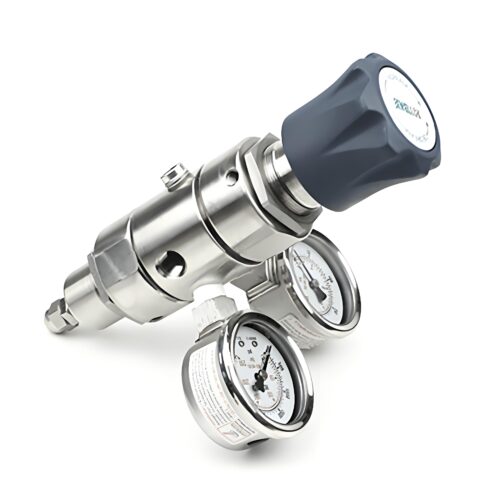
DPR1 Ultra High Purity Two Stage Dual Stage Pressure Reducing Regulator Semiconductor Grade Regulators
-
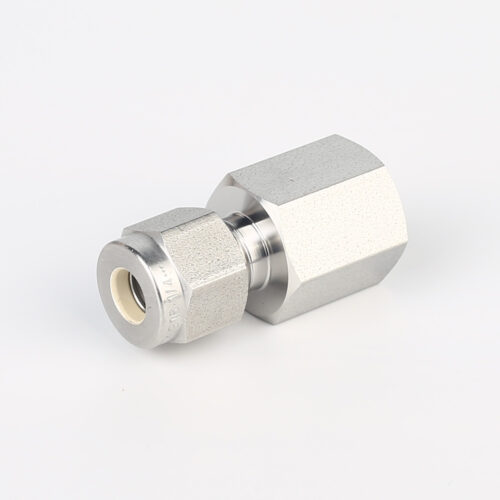
766L High Purity Female Connector UHP Fitting Female Connector
-
Integrated Gas Delivery Solutions with VMB Valve Manifold Box and Automatic Gas Switchover Systems for Industrial
-
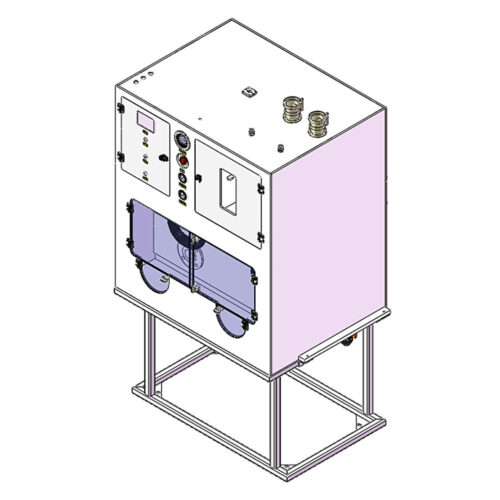
Clean Connection Cabinet JW-300-CCB Valve Manifold Box And Control Valve Box
-
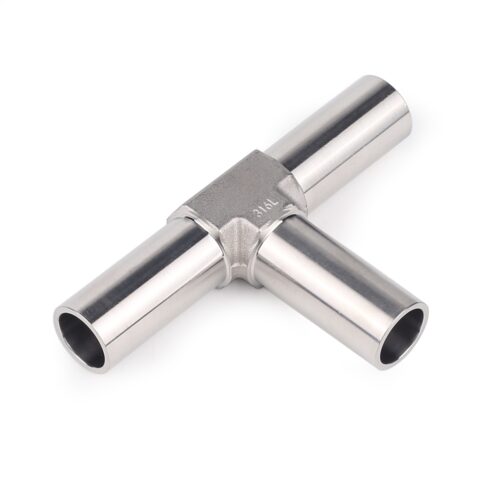
Stainless Steel Ultra Clean Welding Joint Fittings TW Series TRW Series & CW Series