
Regulator Manufacturer Tel: +86 13380377051
Regulator Manufacturer Tel: +86 13380377051
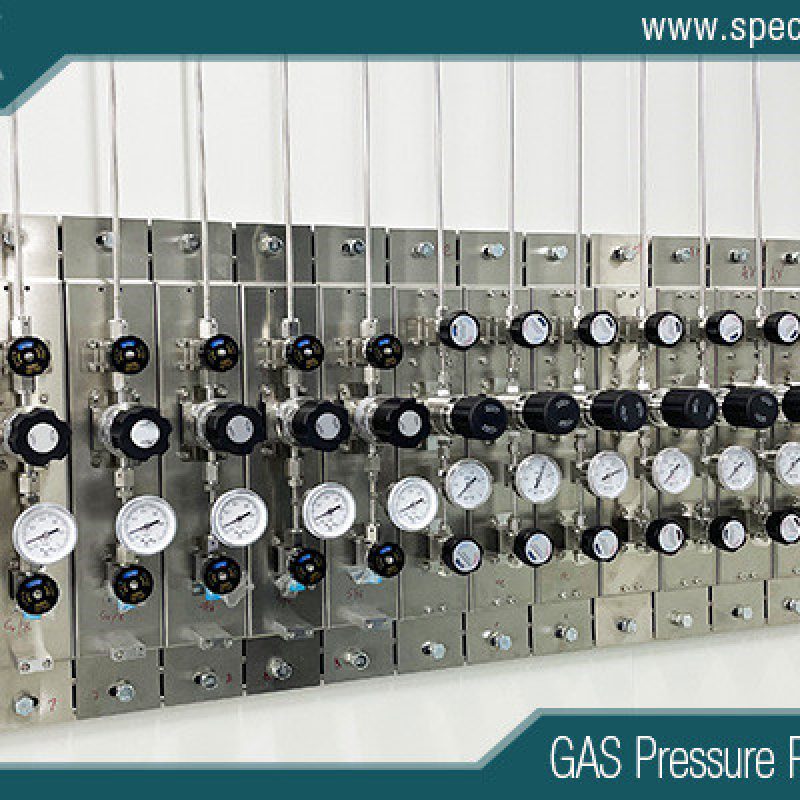
Ultra High Purity Pressure Regulator Manufacturer for Semiconductor Applications
In semiconductor manufacturing, gas delivery accuracy, purity, and pressure stability directly influence process consistency, wafer quality, equipment reliability, and production yield. As semiconductor processes continue to move toward smaller geometries and more complex process nodes, conventional industrial pressure regulators are often unable to meet the stringent requirements of advanced cleanroom environments. This has increased demand for ultra high purity pressure regulators specifically engineered for semiconductor gas delivery systems.
A reliable Ultra High Purity Pressure Regulator Manufacturer for Semiconductor Applications must provide more than a standard pressure-reducing device. The regulator needs to combine high-purity materials, precision pressure control, low leakage, optimized internal geometry, advanced surface finishing, stringent cleaning, and reliable quality control. It must also integrate seamlessly with gas cabinets, gas panels, chemical vapor deposition (CVD), atomic layer deposition (ALD), etching, ion implantation, and other semiconductor process equipment.
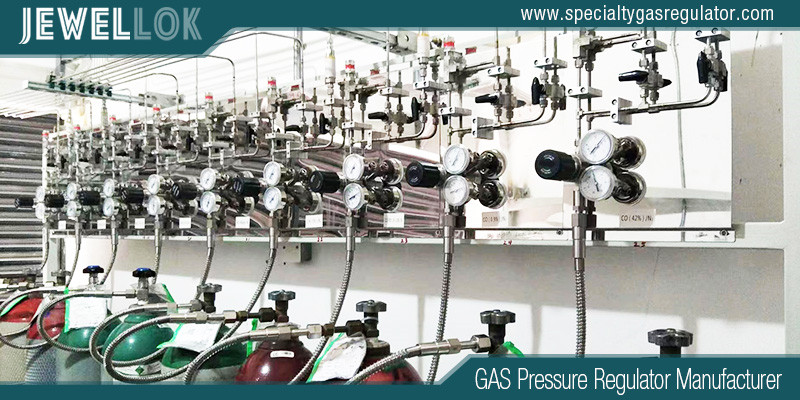
What Is an Ultra High Purity Pressure Regulator?
An ultra high purity pressure regulator is a precision pressure-control component designed to reduce and stabilize the pressure of high-purity or specialty gases used in critical manufacturing processes.
Unlike general-purpose regulators, UHP regulators are designed to minimize particle generation, moisture contamination, oxygen contamination, dead volume, and gas adsorption. Their internal components and flow passages are carefully engineered to maintain gas purity throughout the delivery process.
Typical gases used with semiconductor gas delivery systems may include nitrogen (N₂), argon (Ar), helium (He), hydrogen (H₂), oxygen (O₂), carbon dioxide (CO₂), and various specialty process gases. Depending on the application, the regulator may need to handle corrosive, toxic, reactive, oxidizing, or otherwise difficult-to-manage gases.
The primary functions of a UHP pressure regulator include:
- Reducing high inlet pressure to a controlled outlet pressure
- Maintaining stable downstream pressure
- Minimizing pressure fluctuations during process operation
- Preventing contamination of high-purity gases
- Providing reliable shutoff and pressure-control performance
- Supporting automated semiconductor gas delivery systems
- Maintaining consistent gas flow to process equipment
For advanced semiconductor manufacturing, pressure regulation is not simply a mechanical function—it is an important part of the overall process-control strategy.
Why Semiconductor Applications Require UHP Pressure Regulators
Semiconductor fabrication requires extremely clean and stable process conditions. Even small variations in gas pressure or contamination levels can affect deposition rates, etching characteristics, film uniformity, and other critical process parameters.
A conventional industrial regulator may contain materials, lubricants, internal geometries, or surface conditions that are unsuitable for semiconductor applications. In contrast, a semiconductor-grade UHP pressure regulator is designed around contamination control from material selection through manufacturing, assembly, cleaning, testing, and packaging.
Key requirements include:
1. High Purity Materials
316L stainless steel is widely used for semiconductor gas delivery components because of its corrosion resistance, mechanical strength, and compatibility with high-purity gas applications.
For more demanding applications, manufacturers may specify 316L VIM-VAR stainless steel, which provides enhanced material consistency and is commonly selected for critical UHP gas components.
Internal wetted surfaces should be carefully controlled to minimize the possibility of particle generation, corrosion, or contamination.
2. Electropolished and Smooth Internal Surfaces
Internal surface quality is extremely important in semiconductor gas systems. Rough surfaces can increase gas adsorption and create locations where contaminants or particles may accumulate.
Electropolishing can improve surface smoothness and corrosion resistance while helping reduce potential contamination sites.
A qualified manufacturer should be able to provide controlled surface-finish specifications according to the application and customer requirements.
3. Low Internal Dead Volume
Dead volume refers to areas within a gas system where gas can remain stagnant. Excessive dead volume may increase gas residence time and make purging or gas switching less efficient.
UHP pressure regulators should therefore use optimized internal flow paths and compact designs wherever possible. Low-volume designs can help improve response time and reduce the quantity of residual gas trapped inside the component.
4. Low Leakage
Leak prevention is critical when handling expensive, hazardous, or reactive specialty gases.
A semiconductor-grade pressure regulator should be designed to provide reliable sealing performance under the required pressure and temperature conditions. Depending on the product specification and testing standard, manufacturers may conduct helium leak testing to verify external and internal sealing performance.
For high-purity applications, low leakage is important not only for safety but also for process stability and contamination control.
Precision Pressure Control
Pressure stability is one of the most important performance characteristics of a semiconductor pressure regulator.
Process gases are typically supplied from cylinders, bulk gas systems, or centralized gas distribution systems at relatively high pressures. The regulator reduces this pressure to the level required by downstream equipment.
During operation, the regulator must compensate for changes in inlet pressure and downstream demand while maintaining stable outlet pressure.
Important performance parameters may include:
- Inlet pressure range
- Outlet pressure range
- Flow capacity
- Pressure accuracy
- Pressure stability
- Droop characteristics
- Repeatability
- Temperature sensitivity
- Leakage rate
- Cv value
The correct combination of these parameters depends on the process and gas characteristics.
For example, a regulator used for a low-flow analytical process may prioritize extremely precise pressure control, while a high-flow gas distribution application may require a larger flow capacity and optimized pressure stability.
Single-Stage vs. Two-Stage Pressure Regulators
Semiconductor gas systems can use different regulator architectures depending on pressure requirements and process conditions.
A single-stage pressure regulator reduces pressure through one primary regulation mechanism. It offers a relatively compact structure and can be suitable for applications where inlet pressure remains relatively stable.
A two-stage pressure regulator performs pressure reduction in two steps. This configuration can provide improved outlet pressure stability when inlet pressure changes significantly.
For high-pressure gas cylinders, two-stage regulation can be particularly useful because cylinder pressure changes as the gas supply is consumed.
The choice between single-stage and two-stage regulation should consider gas properties, inlet pressure, outlet pressure, flow rate, process sensitivity, and system configuration.
UHP Pressure Regulators for Specialty and Reactive Gases
Semiconductor manufacturing frequently uses specialty gases with demanding chemical characteristics. Some gases can be corrosive or reactive with conventional materials.
For these applications, the pressure regulator must be selected based on chemical compatibility.
Material selection may involve:
- 316L stainless steel
- High-performance diaphragm materials
- Compatible sealing materials
- Corrosion-resistant internal components
- Low-outgassing materials
The regulator should also be manufactured and cleaned specifically for the intended gas service.
A regulator designed for inert gases should not automatically be assumed to be suitable for every reactive or corrosive process gas. Gas compatibility should always be evaluated based on actual operating conditions.
Diaphragm-Based Pressure Regulation
High-purity semiconductor regulators often use diaphragm-based designs to isolate the sensing and adjustment mechanism from the process gas.
A diaphragm regulator can reduce the possibility of contamination from moving components and provide precise pressure control.
In demanding UHP applications, advanced diaphragm materials and carefully engineered spring and sensing mechanisms can improve regulator performance.
The diaphragm must maintain reliable mechanical performance through repeated pressure cycles while minimizing permeation and contamination risks.
For critical semiconductor applications, manufacturers may offer different diaphragm configurations according to pressure range, gas type, and required purity level.
Connection Options for Semiconductor Gas Systems
The pressure regulator must also integrate properly with the rest of the gas delivery system.
Common connection configurations may include:
- VCR connections
- Tube connections
- Face-seal fittings
- Welded connections
- Customized process connections
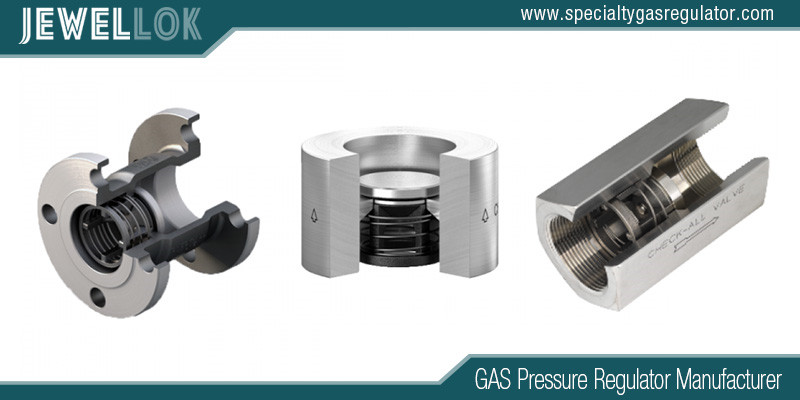
VCR-type face-seal connections are widely used in high-purity gas systems because they can provide reliable metal-to-metal sealing when properly assembled.
Connection selection depends on tube size, system pressure, installation requirements, maintenance strategy, and customer specifications.
A professional UHP pressure regulator manufacturer should offer multiple connection options and customized configurations for different semiconductor gas delivery architectures.
Applications in Semiconductor Manufacturing
Ultra high purity pressure regulators are used across many semiconductor manufacturing processes.
CVD Gas Delivery Systems
Chemical vapor deposition requires precise delivery of process gases to deposition chambers. Stable pressure regulation helps maintain consistent gas delivery and process conditions.
ALD Systems
Atomic layer deposition relies on highly controlled precursor and purge-gas delivery. Pressure stability and low internal volume can be especially important because ALD processes frequently involve repeated gas switching and precise dosing.
Etching Systems
Etching processes may use reactive gases that require carefully controlled pressure and flow conditions. UHP regulators help maintain stable gas supply to the process equipment.
Ion Implantation
Ion implantation systems require specialized gases and controlled process conditions. Reliable pressure regulation contributes to stable gas delivery and equipment operation.
Semiconductor Gas Cabinets
Gas cabinets provide controlled storage and delivery of gas cylinders. UHP regulators are installed within gas cabinets to reduce cylinder pressure and deliver gas to downstream gas panels or process equipment.
Gas Panels and VMB Systems
Valve manifold boxes (VMBs) and gas panels require compact, clean, reliable pressure-control components. A properly selected regulator can help maintain stable downstream pressure while supporting automated gas distribution.
Automation and Digital Pressure Monitoring
Modern semiconductor fabs increasingly use automated gas delivery systems. Pressure regulators therefore need to work together with pressure sensors, valves, PLC systems, mass flow controllers, and factory automation platforms.
Advanced gas systems may monitor:
- Inlet pressure
- Outlet pressure
- Gas flow
- Valve status
- Cylinder pressure
- Alarm conditions
- Regulator performance
Digital pressure monitoring can help operators identify abnormal pressure conditions before they affect production.
For high-volume semiconductor manufacturing, automation also supports preventive maintenance and system diagnostics.
Cleaning and Assembly Requirements
Manufacturing quality is just as important as regulator design.
A UHP pressure regulator should be manufactured in a controlled environment using procedures intended to prevent contamination.
Typical production controls may include:
- Precision machining of metal components
- Surface treatment and electropolishing
- Ultrasonic or specialized cleaning
- High-purity water rinsing
- Controlled drying
- Cleanroom assembly
- Helium leak testing
- Pressure testing
- Functional performance testing
- Clean packaging
The exact process depends on the manufacturer’s specifications and required purity level.
Proper packaging is also essential because a perfectly cleaned component can become contaminated if it is improperly handled or exposed to uncontrolled environments before installation.
How to Select an Ultra High Purity Pressure Regulator Manufacturer
Choosing the right manufacturer requires evaluating both technical capabilities and quality-management systems.
Customers should consider:
Material capability: Can the manufacturer provide high-quality 316L stainless steel and traceable material documentation?
Surface treatment: Are electropolishing and internal surface-finish requirements controlled?
Leak testing: Does the manufacturer have reliable helium leak-testing capabilities?
Cleanroom assembly: Are critical components cleaned and assembled under controlled conditions?
Customization: Can the manufacturer modify pressure ranges, connections, body configurations, and diaphragm materials?
Quality control: Are inspection and testing records available for critical components?
Application experience: Does the supplier understand semiconductor gas delivery systems rather than simply manufacturing general industrial regulators?
Technical support: Can the supplier assist with regulator selection, system integration, and troubleshooting?
These factors are particularly important for OEMs, semiconductor equipment manufacturers, gas system integrators, and engineering companies.
Custom UHP Pressure Regulator Solutions
Different semiconductor processes have different pressure and flow requirements. A standard catalog regulator may not always provide the optimal solution.
An experienced manufacturer should be capable of developing customized configurations based on:
- Gas type
- Inlet pressure
- Outlet pressure
- Flow requirement
- Connection type
- Material requirements
- Surface finish
- Leakage specifications
- Installation space
- Automation requirements
Customized regulators can be integrated into gas cabinets, gas panels, VMBs, VMPs, and other semiconductor gas distribution systems.
Why Choose a Professional UHP Pressure Regulator Manufacturer?
For semiconductor applications, the regulator is a critical component rather than a simple pressure-reduction accessory. Its performance can influence the stability, cleanliness, and reliability of the entire gas delivery system.
A professional manufacturer should combine precision machining, high-purity material selection, surface treatment, clean manufacturing, pressure testing, leak testing, and application engineering.
For customers sourcing UHP pressure regulators from China, evaluating the manufacturer’s production capabilities and quality-control procedures is essential. The best supplier should be able to provide not only competitive pricing but also stable quality, technical documentation, customization, and responsive engineering support.
Conclusion
An Ultra High Purity Pressure Regulator Manufacturer for Semiconductor Applications must meet demanding requirements for purity, pressure stability, leakage performance, material compatibility, and manufacturing cleanliness.
From CVD and ALD to etching, ion implantation, gas cabinets, gas panels, and centralized gas distribution systems, UHP pressure regulators play an essential role in delivering process gases safely and consistently.
By selecting high-purity 316L stainless steel, optimized internal flow paths, low-dead-volume structures, precision diaphragm mechanisms, reliable face-seal connections, and stringent cleaning and testing procedures, manufacturers can produce pressure regulators suitable for demanding semiconductor environments.
As semiconductor manufacturing continues toward advanced process nodes and increasingly automated fabs, the importance of precise and contamination-controlled gas delivery will continue to grow. Working with an experienced UHP pressure regulator manufacturer can help semiconductor equipment manufacturers and gas-system integrators achieve stable pressure control, reliable system performance, and long-term operational reliability.
For more about ultra high purity pressure regulator manufacturer for semiconductor applications, you can pay a visit to Jewellok at https://www.specialtygasregulator.com/product-category/specialty-gas-cabinet/ for more info.
-
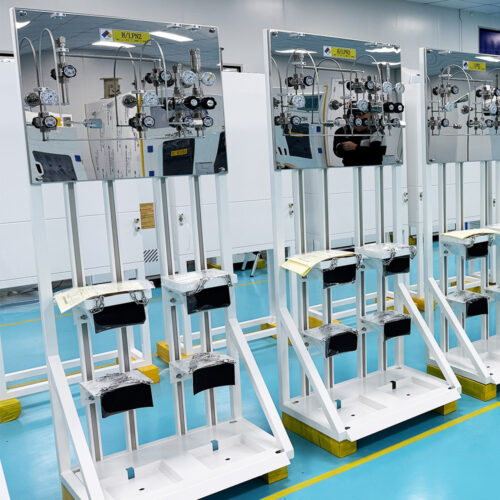
Semi-Automatic VMB Gas Cabinet Gas Changeover Manifold With Semiconductor Valve Manifold Box Diaphragm Valves And Gas Pressure Regulators
-

Semi Automatic Gas Changeover Manifold System Manual Changeover Manifold Panel Single Stage Automatic Switchover Board
-
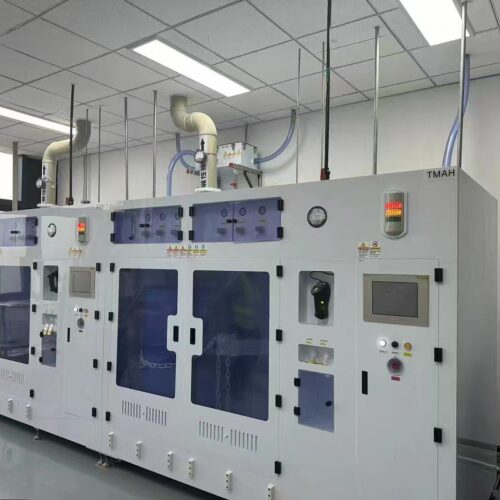
Automated Bulk Chemical Delivery System with Ultra High Purity CDU for Precise Industrial Fluid Control
-
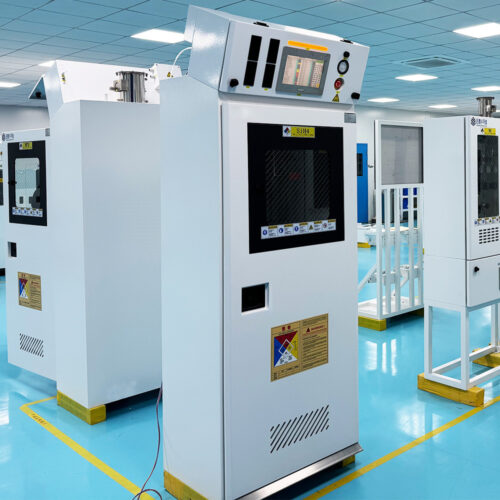
Advanced Bulk Specialty Gas Systems BSGS Gas Cabinet for Safe Handling of Toxic and Flammable Process Gases
-
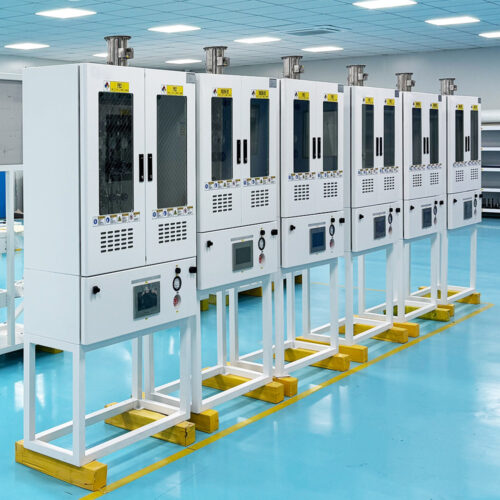
Ultra High Purity Diaphragm Valves and Pressure Regulators for Reliable Ultra High Purity Liquid Chemical Handling Systems
-
Fully Automated Gas Cabinet For Precise UHP Gas Delivery And High Purity Gas Delivery Systems JW-300-GC
-
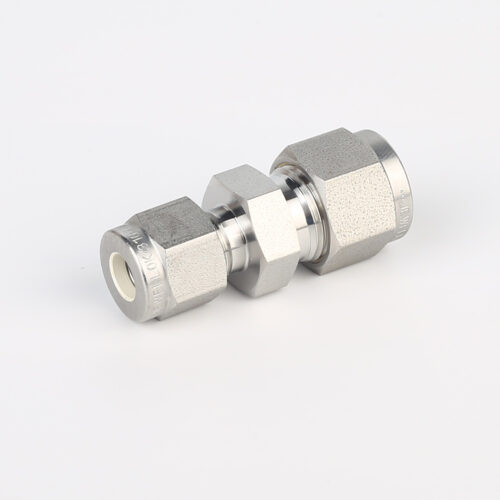
763L Stainless Steel High Purity Pressure Reducing Union Fittings And Tubing Pressure Reducing Valve Adjustment
-
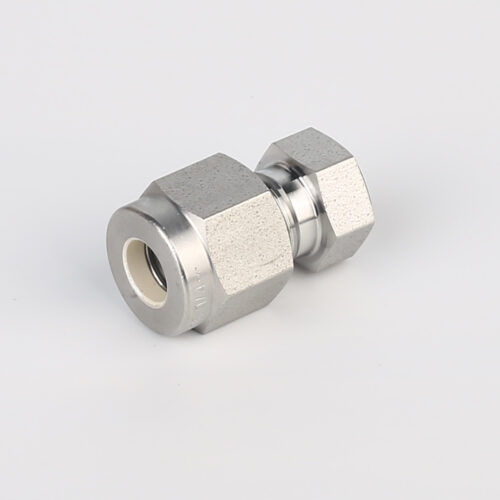
7108L Cylinder Cap Connectors For Ultra High Purity Gases