
Regulator Manufacturer Tel: +86 13380377051
Regulator Manufacturer Tel: +86 13380377051

Understanding UHP Single Stage Specialty Gas Pressure Regulators
In the realm of industrial gas handling, precision and purity are paramount, especially when dealing with specialty gases used in high-tech applications. Ultra High Purity (UHP) single stage specialty gas pressure regulators represent a critical component in ensuring that these gases are delivered safely, accurately, and without contamination. These devices are engineered to manage the pressure of gases from high-pressure sources, such as cylinders, down to usable levels while maintaining the integrity of the gas stream.
Specialty gases, which include inert, reactive, corrosive, or toxic variants like nitrogen, hydrogen, helium, or hydrochloric acid mixtures, are essential in industries ranging from semiconductor manufacturing to pharmaceutical production. The demand for UHP regulators arises from the need to prevent impurities that could compromise processes, such as particle contamination in chip fabrication or chemical reactions in analytical labs. A single stage regulator accomplishes pressure reduction in one step, making it suitable for applications where moderate flow stability is required without the complexity of multi-stage systems.
This article delves into the technical aspects of UHP single stage specialty gas pressure regulators, exploring their design, materials, applications, advantages, selection criteria, maintenance, and emerging trends. By understanding these regulators, engineers and technicians can better optimize their gas delivery systems for efficiency and reliability.
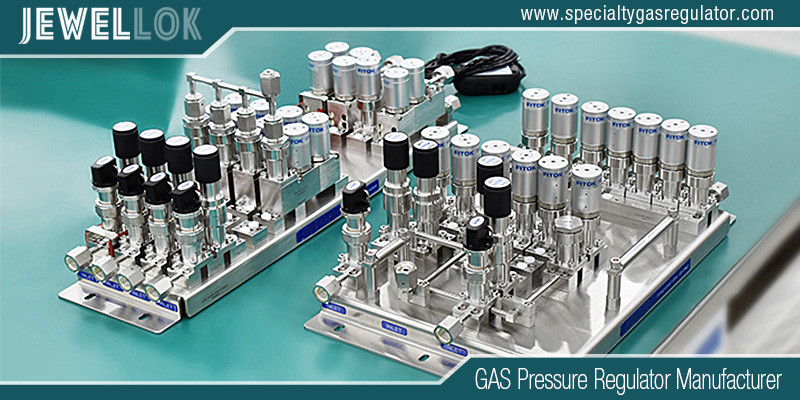
What is a UHP Single Stage Pressure Regulator?
A UHP single stage pressure regulator is a device designed to reduce the inlet pressure of a gas from a high-pressure source to a lower, controlled outlet pressure in a single operation. Unlike dual-stage regulators, which perform pressure reduction in two sequential steps for greater stability, single stage models are simpler and more compact. This design is ideal for scenarios where the inlet pressure remains relatively constant or where space constraints limit the use of larger equipment.
The “UHP” designation refers to Ultra High Purity, typically meaning the regulator is capable of handling gases with purity levels of 99.999% (grade 5.0) or higher, up to 99.9999% (grade 6.0). These regulators minimize contamination by using specialized construction techniques that eliminate potential sources of impurities, such as threaded connections or springs in the wetted path. For instance, tied-diaphragm designs seal the gas path without exposing internal components that could off-gas or corrode.
In operation, gas enters the regulator at high pressure (often up to 3000-4500 psig or 207-310 bar) and passes through a diaphragm or piston mechanism that adjusts based on downstream demand. The outlet pressure can be set via a control knob or handle, with typical ranges from 0-25 psig up to 0-500 psig, depending on the model. Flow capacities vary, with standard units handling 15-30 standard liters per minute (slpm), while high-flow versions can manage up to 50 standard cubic feet per minute (SCFM).
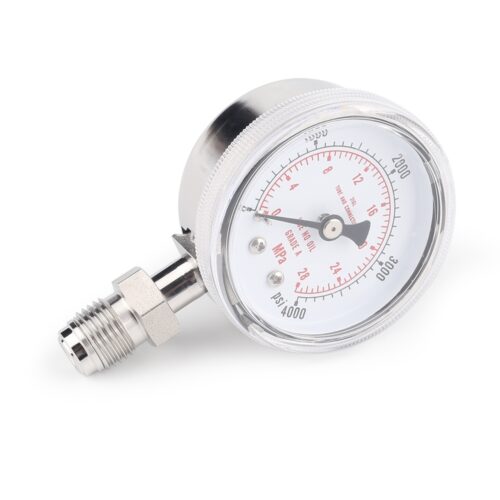
These regulators are often equipped with gauges for inlet and outlet pressure monitoring, and safety features like relief valves to prevent over-pressurization. Their single-stage nature makes them cost-effective for intermediate flow applications in clean environments.
Design and Components
The design of UHP single stage specialty gas pressure regulators prioritizes purity, reliability, and ease of use. Key components include the body, diaphragm, poppet, seat, and compression members.
The body is the main housing, typically machined from barstock rather than forged to reduce internal voids that could trap contaminants. Ports are configured for flexibility, often in a six-port layout allowing base or side entry for installation convenience.
The diaphragm is central to the regulator’s function, acting as a flexible barrier that senses pressure changes and adjusts the poppet accordingly. In UHP models, diaphragms are often made from stainless steel or Hastelloy to avoid elastomer outgassing. Tied-diaphragm designs link the diaphragm directly to the poppet, eliminating springs and threads in the gas path, which enhances purity by preventing metal-to-metal wear particles.
The poppet and seat form the sealing mechanism. The poppet, a movable plug, presses against the seat to control flow. In high-purity setups, these are polished to sub-micron surface finishes (e.g., 10 Ra or better) to minimize leakage and particle generation. Some models feature springless designs, where the diaphragm provides the restoring force, further reducing contamination risks.
Additional components include filters on the inlet to capture particles, and optional tube weld fittings for seamless integration into piping systems. High-flow variants incorporate larger orifices and optimized flow paths to handle increased volumes without pressure droop—a phenomenon where outlet pressure decreases as flow rises.
Advanced designs may include sub-atmospheric capabilities for vacuum-assisted gas delivery or Hastelloy internals for corrosive resistance. Overall, the compact footprint (often under 6 inches in height) makes these regulators suitable for point-of-use installations.
Materials Used in Construction
Material selection is crucial in UHP regulators to ensure compatibility with specialty gases and maintain purity. The primary material is 316L stainless steel, chosen for its low carbon content, which enhances corrosion resistance and weldability. Secondary remelt processes further purify the steel, reducing inclusions that could leach into the gas.
For aggressive gases like halogens or acids, Hastelloy C-22 or Monel alloys are used for internals, providing superior resistance to pitting and stress cracking. Diaphragms and poppets in these materials withstand harsh environments without degrading.
Nickel-plated brass is employed in some bodies for cost-effective corrosion protection, though it’s less common in ultra-pure applications due to potential nickel shedding. Elastomer seals, if used, are typically Viton or Kalrez for their chemical inertness, but many UHP designs opt for all-metal seals to eliminate organic contamination.
Surface treatments, such as electropolishing, achieve finishes as low as 5 Ra, minimizing adhesion sites for impurities. These materials ensure the regulator’s longevity, with service lives often exceeding 10 years in clean conditions.
Applications in Various Industries
UHP single stage specialty gas pressure regulators find extensive use across industries where gas purity directly impacts product quality.
In semiconductor manufacturing, they control dopant gases like arsine or phosphine during wafer processing, preventing defects from contaminants. Flow stability ensures uniform deposition in chemical vapor deposition (CVD) tools.
Pharmaceutical and biotechnology sectors rely on them for sterile gas delivery in fermentation tanks or chromatography systems, handling gases like oxygen or carbon dioxide without introducing microbes or particles.
Analytical laboratories use these regulators for gas chromatography (GC) and mass spectrometry (MS), where even trace impurities can skew results. They are ideal for calibrating instruments with standard gas mixtures.
In the food and beverage industry, they manage CO2 for carbonation or nitrogen for packaging, maintaining purity to avoid off-flavors.
High-tech research, such as in photovoltaics or LED production, employs them for precursor gases in thin-film deposition. Petroleum fields and environmental monitoring also benefit from their robust design in handling sample gases.
For corrosive or toxic gases, models with exotic alloys are preferred, ensuring safe operation in hazardous areas.
Advantages and Benefits
The primary advantage of UHP single stage regulators is their ability to deliver high-purity gas without complex setups. Their simplicity reduces failure points, lowering maintenance costs compared to multi-stage units.
They offer excellent flow characteristics, with minimal droop and rapid response to demand changes, making them suitable for intermediate flows. Compact size facilitates integration into tight spaces, like inside process tools.
Purity features, such as threadless designs, minimize helium leak rates to 1×10^-9 scc/sec or better, exceeding industry standards. This translates to reduced downtime and higher yields in critical processes.
Economically, single stage models are more affordable upfront, with barstock construction providing durability. Safety is enhanced through features like filtered seats and overpressure protection.
Overall, they balance performance, purity, and practicality for specialty gas applications.
Selection Criteria
Choosing the right UHP single stage regulator involves assessing several factors.
First, evaluate gas type and compatibility—corrosive gases require Hastelloy, while inert ones suit stainless steel.
Pressure requirements: Match inlet max (e.g., 3500 psig) and outlet range to your system.
Flow needs: Select based on slpm or SCFM, opting for high-flow if volumes exceed 30 slpm.
Purity level: Ensure the regulator meets or exceeds gas grade, with appropriate surface finishes.
Installation: Consider port configurations and fittings (e.g., CGA connections like 580 for nitrogen).
Environmental factors: For harsh settings, choose robust materials; for cleanrooms, prioritize low-particle designs.
Budget and certifications (e.g., SEMI standards) also play roles. Consulting manufacturers’ specs ensures optimal selection.
Maintenance and Safety Considerations
Proper maintenance extends regulator life and ensures safety. Regular inspections for leaks using helium detectors are essential. Clean wetted parts with approved solvents to remove residues.
Avoid over-pressurization by monitoring gauges and using relief valves. For toxic gases, incorporate purge systems to evacuate lines before disassembly.
Safety protocols include wearing PPE and ensuring proper ventilation. Train personnel on handling procedures to prevent accidents.
Periodic recalibration, every 6-12 months, maintains accuracy. Store regulators in dry, clean environments to prevent corrosion.
Future Trends
As industries push for higher purities and efficiencies, UHP regulators are evolving. Integration with IoT for remote monitoring and predictive maintenance is emerging. Advanced materials like graphene composites may enhance durability.
Sustainability drives designs with recyclable components and lower energy use. Miniaturization supports portable applications in emerging fields like quantum computing.

Conclusion
UHP single stage specialty gas pressure regulators are indispensable for precise, contamination-free gas delivery. Their robust design, material excellence, and application versatility make them a cornerstone of modern industrial processes. By selecting and maintaining them appropriately, users can achieve optimal performance and safety.
For more about UHP single stage specialty gas pressure regulator, you can pay a visit to Jewellok at https://www.specialtygasregulator.com/product-category/ultra-high-purity-gas-regulators/single-stage-pressure-regulators/ for more info.
-
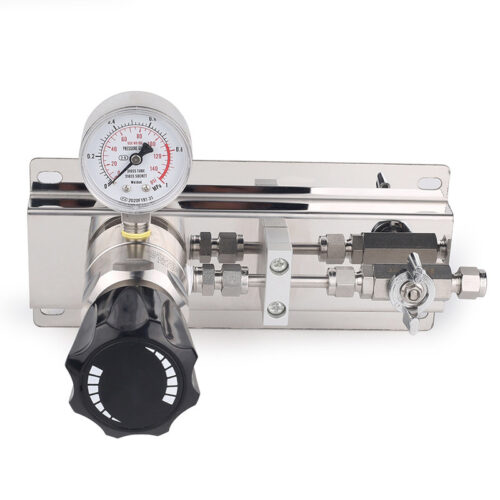
Medical Oxygen Single Stage Manual Gas Changeover Manifold Panel High-Purity Two-Stage Manual Gas Manifold Gas Pressure Control Panels
-
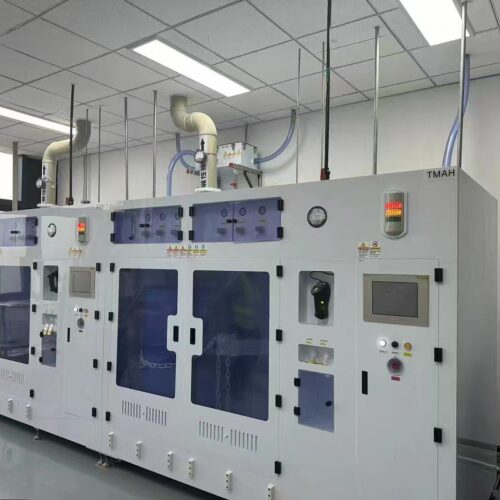
Vertical Laminar Flow Workstation (VLF) With Chemical Concentration Monitor
-
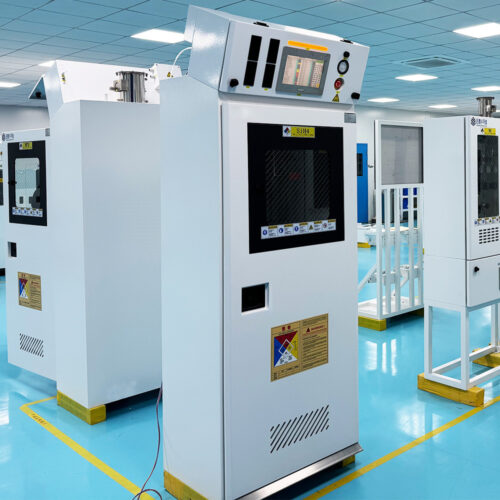
Fully Automated Gas Cabinet For Precise UHP Gas Delivery And High Purity Gas Delivery Systems JW-300-GC
-
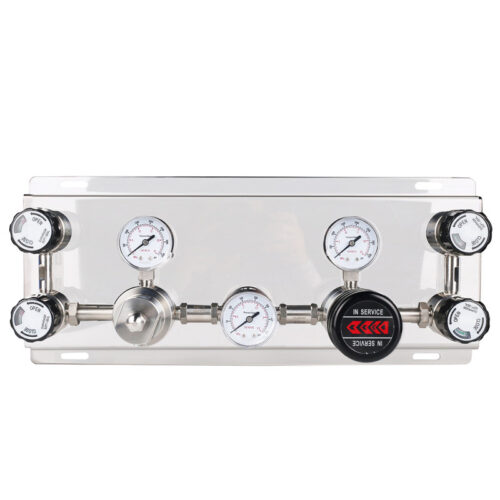
Semi Automatic And Automatic Switching Speicialty Gas Changeover Manifold Panel With Semiconductor Valve Manifold Box Gas Pressure Regulators
-
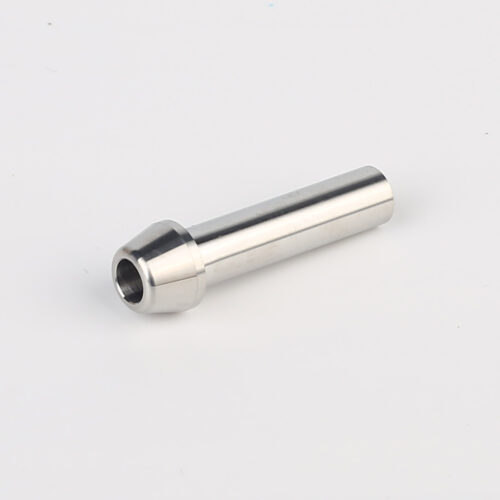
767LP Port Connector Ultra High Purity VCJ Metal Gasket Face Seal Tube Fittings
-
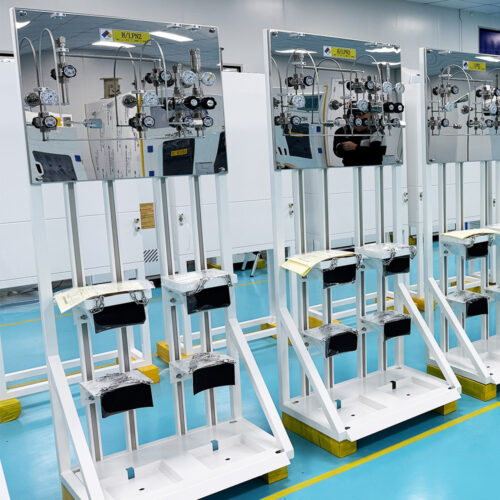
Fully Automated Gas Cabinet for Safe Ultra High Purity Specialty Gas Delivery in Semiconductor Manufacturing
-
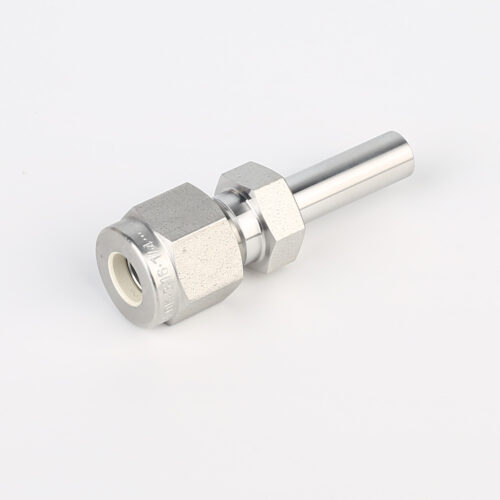
767LT Reducer Pressure Reducing Valve Adjustment High purity Pressure Reducing Union Fittings And Tubing
-
Ultra High Purity Oxygen Pressure Gauge For Semiconductor Gases JG Series Pressure Instruments For Semiconductor Manufacturing