
Regulator Manufacturer Tel: +86 13380377051
Regulator Manufacturer Tel: +86 13380377051
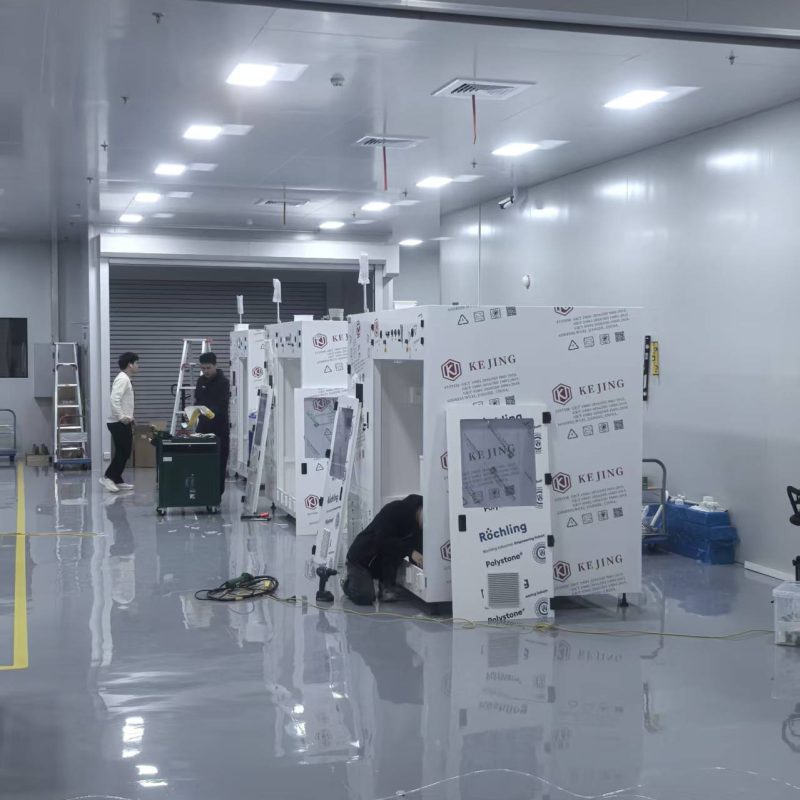
Laboratory Fume Hood Gas Scrubber Tower: Complete Guide to Lab Exhaust Treatment
Laboratories generate a wide range of chemical fumes, corrosive gases, volatile organic compounds (VOCs), and hazardous airborne pollutants during research, testing, synthesis, analysis, and production processes. A laboratory fume hood provides primary protection by capturing contaminated air at the source, but capturing exhaust is only the first step. Depending on the chemicals involved, the exhaust may require additional treatment before it is discharged into the atmosphere.
A laboratory fume hood gas scrubber tower is an engineered exhaust treatment system designed to remove or neutralize targeted contaminants from laboratory exhaust air. By combining chemical absorption, physical mass transfer, filtration, and controlled airflow, a properly designed scrubber can significantly reduce emissions and help laboratories meet environmental and occupational safety requirements.
This complete guide explains how laboratory fume hood scrubber towers work, the main types available, key design parameters, suitable applications, and how to select an appropriate lab exhaust treatment system.
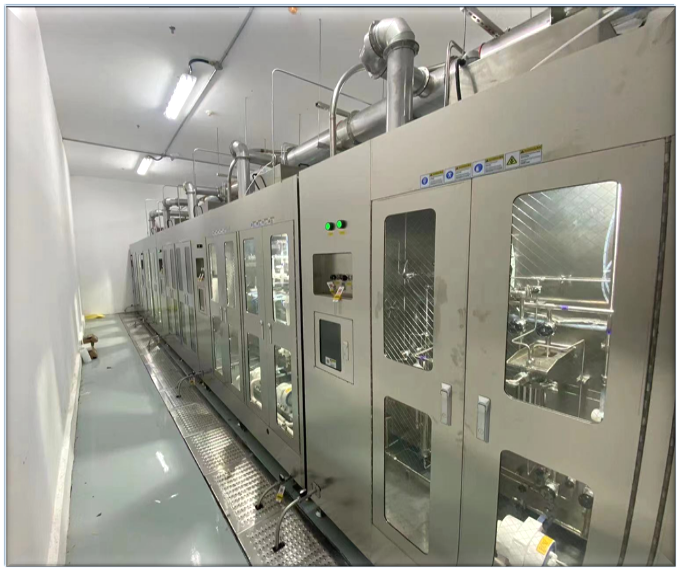
What Is a Laboratory Fume Hood Gas Scrubber Tower?
A laboratory fume hood gas scrubber tower is a gas treatment device installed downstream of laboratory fume hoods, process equipment, chemical storage systems, or laboratory exhaust ducts.
The system receives contaminated exhaust generated by laboratory operations and brings the gas into contact with a treatment medium. Depending on the pollutant, the treatment medium may be water, an alkaline solution, an acidic solution, an oxidizing solution, or another specially selected chemical absorbent.
The basic treatment process is:
Laboratory process → Fume hood → Exhaust duct → Gas scrubber tower → Mist eliminator → Exhaust fan → Stack
Inside the scrubber tower, contaminated gas flows through a packed section while the scrubbing liquid is distributed over the packing material. The large surface area created by the packing improves gas-liquid contact and promotes the transfer or chemical reaction of pollutants.
The treated gas then passes through a mist eliminator before being discharged through the exhaust stack.
Why Is Fume Hood Exhaust Treatment Important?
Fume hoods are designed to capture hazardous substances before they enter the laboratory environment. However, the captured exhaust can contain significant concentrations of pollutants.
Common laboratory exhaust contaminants include:
- Hydrochloric acid (HCl)
- Sulfuric acid mist
- Nitric acid vapors
- Hydrofluoric acid (HF)
- Ammonia (NH₃)
- Chlorine and chlorine-containing gases
- Sulfur compounds
- Solvent vapors
- VOCs
- Aerosols and particulate matter
- Odorous chemical compounds
Discharging these substances without appropriate treatment can create environmental, corrosion, odor, and regulatory concerns.
A laboratory scrubber system provides a second level of pollution control by treating contaminants after they have been captured by the fume hood.
How Does a Laboratory Gas Scrubber Work?
A typical wet laboratory gas scrubber operates through several stages.
1. Contaminated Gas Collection
The fume hood captures chemical vapors and directs them into the laboratory exhaust ductwork. Proper duct design is essential because insufficient airflow can reduce capture efficiency, while excessive airflow can increase energy consumption.
2. Gas Distribution
The contaminated gas enters the scrubber tower through an inlet designed to distribute the gas evenly across the treatment section.
Uniform gas distribution is important because channeling can reduce gas-liquid contact and create untreated flow paths.
3. Liquid Distribution
A circulation pump transfers scrubbing liquid from the tank to spray nozzles positioned above the packed bed.
The liquid is distributed across the packing surface and flows downward under gravity.
4. Gas-Liquid Contact
As exhaust gas travels upward through the packed section, it contacts the downward-flowing scrubbing liquid.
This counter-current arrangement provides a large contact area and increases mass transfer.
For soluble pollutants, contaminants dissolve into the liquid. For reactive pollutants, chemical reactions may convert hazardous compounds into less harmful substances.
5. Mist Elimination
After passing through the packed section, the treated gas may contain fine droplets of scrubbing liquid.
A mist eliminator removes these droplets before the gas leaves the scrubber. This helps prevent liquid carryover, downstream corrosion, and contamination of the exhaust fan or stack.
6. Exhaust Discharge
After treatment, the gas passes through the exhaust system and is discharged through the stack.
Depending on the application, additional treatment technologies may be installed downstream of the wet scrubber.
Main Types of Laboratory Fume Hood Scrubber Towers
There is no single scrubber configuration suitable for every laboratory. The correct design depends on the chemical composition, gas concentration, airflow, temperature, moisture content, and required emission limits.
Packed Bed Wet Scrubber
Packed bed scrubbers are among the most commonly used configurations for laboratory chemical exhaust.
They contain structured or random packing that increases the surface area available for gas-liquid contact.
They are particularly suitable for water-soluble and chemically reactive gases such as HCl, HF, ammonia, and certain acid gases.
Spray Tower Scrubber
A spray tower uses multiple nozzles to atomize the scrubbing liquid into droplets.
Compared with packed towers, spray towers generally have a simpler internal structure and can be useful where particulate loading or fouling is a concern.
Venturi Scrubber
Venturi scrubbers use high gas velocity through a constricted section to generate intense gas-liquid contact.
They can provide effective particulate and aerosol removal and may be considered for laboratory processes producing fine particles or chemical aerosols.
Multi-Stage Scrubber
Some laboratories generate multiple pollutants that cannot be effectively treated using a single chemical solution.
A multi-stage system can combine different treatment sections. For example, one stage may remove acid gases while another stage provides additional treatment for alkaline gases, VOCs, or residual contaminants.
Scrubbing Liquids and Chemical Selection
The selection of the scrubbing liquid is one of the most important aspects of scrubber design.
For acid gases such as HCl, HF, and sulfur-containing acidic compounds, alkaline solutions are commonly considered. Sodium hydroxide-based solutions, for example, can react with acidic contaminants and convert them into water-soluble salts.
For alkaline gases such as ammonia, an acidic scrubbing solution may be used.
Water alone may be sufficient for certain highly water-soluble contaminants when chemical neutralization is not necessary.
The correct chemistry must be determined according to the actual exhaust composition. Using an inappropriate scrubbing liquid can result in poor removal performance, excessive chemical consumption, or secondary pollution.
Key Design Parameters for Laboratory Scrubber Towers
Several engineering parameters must be considered when designing a laboratory fume hood gas scrubber.
Exhaust Airflow
Airflow is normally expressed in m³/h, CFM, or another volumetric flow unit.
The scrubber must be capable of handling the maximum expected exhaust flow without creating excessive pressure drop.
Laboratories with multiple fume hoods should consider simultaneous operating conditions rather than simply adding nominal airflow values.
Pollutant Concentration
The inlet concentration of each contaminant affects scrubber sizing, chemical consumption, and expected removal performance.
A system designed for trace-level laboratory emissions may be significantly different from one treating concentrated process exhaust.
Gas Temperature
High-temperature gases can affect absorption efficiency, packing materials, chemical reactions, and equipment life.
Cooling or quenching may therefore be required upstream of the scrubber in some applications.
Pressure Drop
The pressure drop across the scrubber affects fan selection and overall system energy consumption.
Packing type, gas velocity, liquid flow rate, mist eliminator design, and duct configuration all influence pressure drop.
Liquid-to-Gas Ratio
The liquid-to-gas ratio determines how much scrubbing liquid is supplied relative to the exhaust gas flow.
An inadequate liquid flow rate may reduce treatment performance, while excessive circulation increases pump energy consumption and chemical usage.
Residence and Contact Time
Effective gas-liquid contact is necessary for mass transfer and chemical reaction.
Tower height, packing depth, gas velocity, liquid distribution, and packing characteristics all influence treatment efficiency.
Materials of Construction
Laboratory exhaust can be highly corrosive, making material selection critical.
Common scrubber construction materials include:
- PP (polypropylene)
- PVC
- CPVC
- FRP
- PVDF
- PTFE-lined components
- Stainless steel for selected non-corrosive applications
PP wet scrubber towers are widely used for many laboratory chemical exhaust applications because polypropylene provides good resistance to numerous acids, alkalis, and laboratory chemicals.
For highly aggressive chemicals or elevated-temperature applications, PVDF or specialized fluoropolymer materials may be considered.
The wetted materials should always be selected according to the actual chemical composition and operating temperature.
Automatic Monitoring and Control
Modern laboratory gas scrubbers can incorporate automated control systems to improve operational reliability.
Typical monitoring functions include:
- Scrubbing liquid pH
- Liquid level
- Pump status
- Exhaust airflow
- Differential pressure
- Fan operation
- Chemical concentration
- Temperature
- Alarm status
A PLC-based control system can automatically monitor operating parameters and activate alarms when values move outside predefined limits.
For example, if the scrubbing liquid pH becomes unsuitable for neutralizing the target contaminant, the system can generate an alarm or initiate chemical dosing.
Automatic control reduces the need for continuous manual intervention and helps operators identify abnormal operating conditions.
Laboratory Applications
Laboratory fume hood gas scrubber towers are used across many industries and research environments.
Chemical Laboratories
Chemical synthesis and analytical laboratories may generate acid vapors, alkaline gases, solvents, and reactive chemical emissions.
Pharmaceutical Laboratories
Pharmaceutical research can involve solvents, active compounds, corrosive chemicals, and process-related emissions that require controlled exhaust treatment.
University and Research Laboratories
Universities often operate multiple laboratories with different chemical processes. Modular scrubber systems can be designed for individual buildings, laboratories, or centralized exhaust systems.
Semiconductor and Electronics Laboratories
Certain semiconductor and electronics processes use corrosive or reactive chemicals. Exhaust treatment may be required for acid gases and other process emissions.
Medical and Healthcare Laboratories
Clinical and research laboratories can generate chemical vapors from analytical instruments, sample preparation, sterilization, and other processes.
Wet Scrubber vs. Dry Scrubber
Both wet and dry technologies have applications in laboratory exhaust treatment.
A wet scrubber uses a liquid absorbent and is particularly suitable for water-soluble or chemically reactive gases. It can also handle certain particulate or aerosol emissions depending on the configuration.
A dry scrubber uses solid adsorbents or reactive media. It can be useful where liquid wastewater generation needs to be minimized or where specific contaminants are better suited to adsorption.
In some applications, a hybrid system combines wet scrubbing, activated carbon adsorption, filtration, or other technologies.
The best configuration depends on the contaminants rather than simply the laboratory type.
How to Select the Right Laboratory Gas Scrubber
Before purchasing a scrubber tower, laboratory operators should collect accurate process information.
At minimum, the following data should be evaluated:
- Exhaust airflow: Normal and maximum airflow.
- Pollutant type: Acid gases, alkaline gases, VOCs, particulates, or mixed contaminants.
- Pollutant concentration: Expected minimum, average, and peak concentrations.
- Gas temperature: Normal and maximum operating temperature.
- Required removal efficiency: Based on the applicable emission requirements.
- Chemical compatibility: Compatibility of the tower, packing, pump, piping, and seals.
- Available installation space: Vertical and horizontal footprint.
- Pressure drop: Maximum allowable system resistance.
- Utility requirements: Water, chemical dosing, electricity, drainage, and compressed air if applicable.
- Maintenance requirements: Access to pumps, nozzles, packing, sensors, and mist eliminators.
A professional scrubber manufacturer should use these parameters to calculate tower diameter, packing height, circulation flow, pump capacity, fan requirements, and chemical dosing requirements.
Maintenance of Laboratory Fume Hood Scrubber Towers
Regular maintenance is essential for maintaining stable performance.
Operators should routinely inspect:
- Circulation pumps
- Spray nozzles
- Packing materials
- Mist eliminators
- pH sensors
- Liquid level sensors
- Ductwork
- Exhaust fans
- Chemical dosing systems
- Drainage systems
Packing can become fouled by particulate matter or chemical deposits. Spray nozzles may also become blocked, resulting in uneven liquid distribution.
The scrubbing liquid should be monitored and replaced or replenished according to operating conditions.
Periodic inspection of differential pressure can also help identify fouling, blockage, or abnormal airflow conditions.
Conclusion
A laboratory fume hood gas scrubber tower is an important component of laboratory exhaust treatment when chemical emissions require additional control after fume hood capture. By using controlled gas-liquid contact, chemical absorption, neutralization, and mist elimination, wet scrubbers can provide effective treatment for many acid gases, alkaline gases, and other water-soluble contaminants.
The correct system should never be selected solely according to laboratory size or exhaust airflow. Pollutant chemistry, concentration, temperature, airflow, removal requirements, pressure drop, material compatibility, and maintenance conditions must all be considered.
For laboratories handling corrosive or hazardous chemicals, a properly engineered laboratory gas scrubber system can provide a practical approach to controlling exhaust emissions while supporting safer and more reliable laboratory operations.
For complex applications involving mixed chemical exhaust, multi-stage treatment, corrosive gases, or high-performance emission control, working with an experienced scrubber manufacturer is recommended. A customized PP wet scrubber tower, laboratory exhaust treatment system, or multi-stage gas scrubbing system can be engineered according to the laboratory’s actual process conditions and exhaust requirements.
For more about laboratory fume hood gas scrubber tower: complete guide to lab exhaust treatment, you can pay a visit to Jewellok at https://www.specialtygasregulator.com/product-category/specialty-gas-cabinet/ for more info.
-
771L Male Run Tee | Stainless Steel High Quality High Purity Male Run Tee Branch Tee Pipe Fittings
-
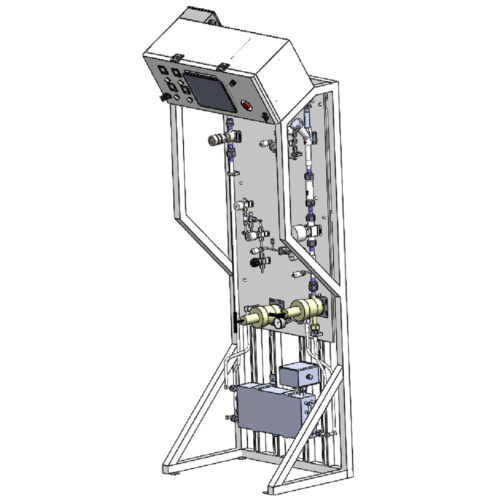
High Purity High Pressure Specialty Gas Bottle Gas Cylinder Storage Cabinet And Gas Pressure Regulating Cabinet For Semiconductor
-
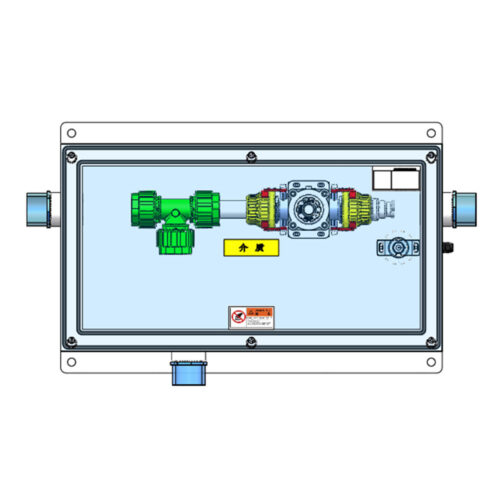
T-BOX JW-TB-C Special Gas Delivery System Gas Valve Manifold Boxes
-
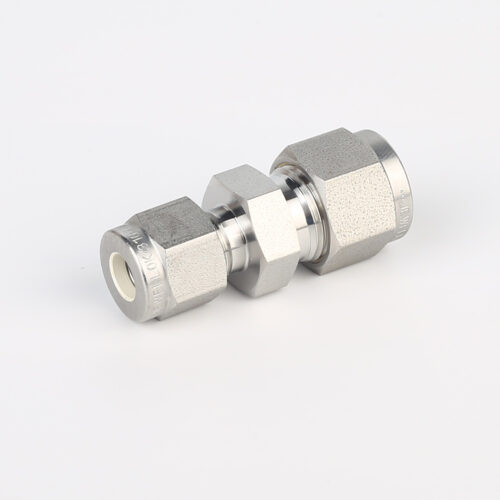
763L Stainless Steel High Purity Pressure Reducing Union Fittings And Tubing Pressure Reducing Valve Adjustment
-
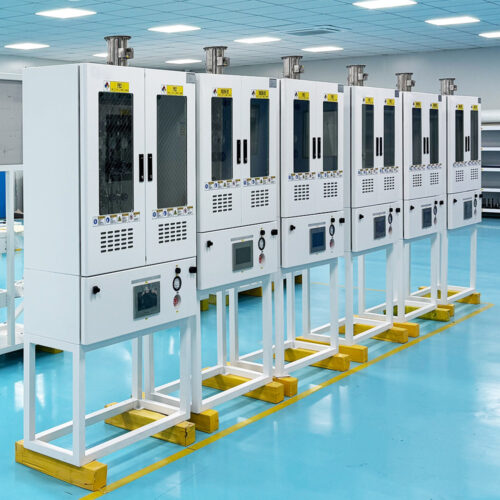
VMB Valve Manifold Panels And Boxes High Purity Configurable Systems JW-200-VMB & JW-100-VMB
-
Manual Gas Rack High Purity Gas Delivery Systems JW-100-GR
-
Integrated Gas Delivery Solutions with VMB Valve Manifold Box and Automatic Gas Switchover Systems for Industrial
-
High Purity Chemical Dispense System & Packing System For Semiconductors JW-200L-CDM & JW-1000L-CDM