
Regulator Manufacturer Tel: +86 13380377051
Regulator Manufacturer Tel: +86 13380377051
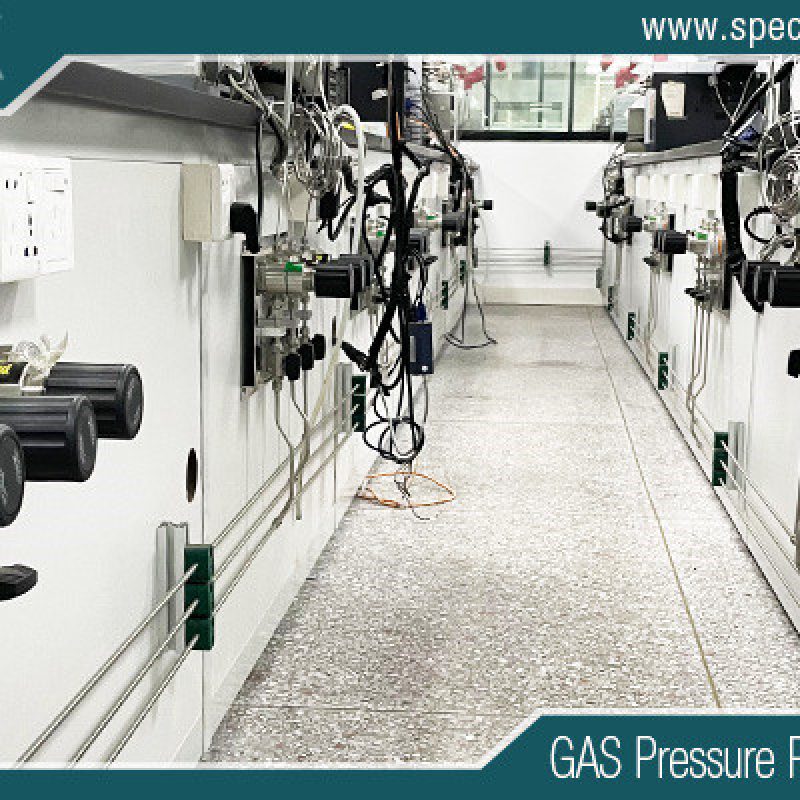
Automatic Gas Changeover Systems for Oxygen, Nitrogen, and Specialty Gases
In modern industrial environments, uninterrupted gas supply is critical for maintaining operational efficiency, product quality, and safety. Industries such as healthcare, semiconductor manufacturing, chemical processing, laboratories, and food packaging rely heavily on continuous supplies of gases including oxygen (O₂), nitrogen (N₂), and various specialty gases. Any interruption in gas flow can lead to costly downtime, compromised processes, or even hazardous situations.
Automatic gas changeover systems are engineered to ensure a seamless transition between gas sources, eliminating manual intervention and minimizing supply disruptions. These systems are particularly essential in applications where reliability and purity are paramount. This article explores the design principles, components, operational mechanisms, and application considerations of automatic gas changeover systems.
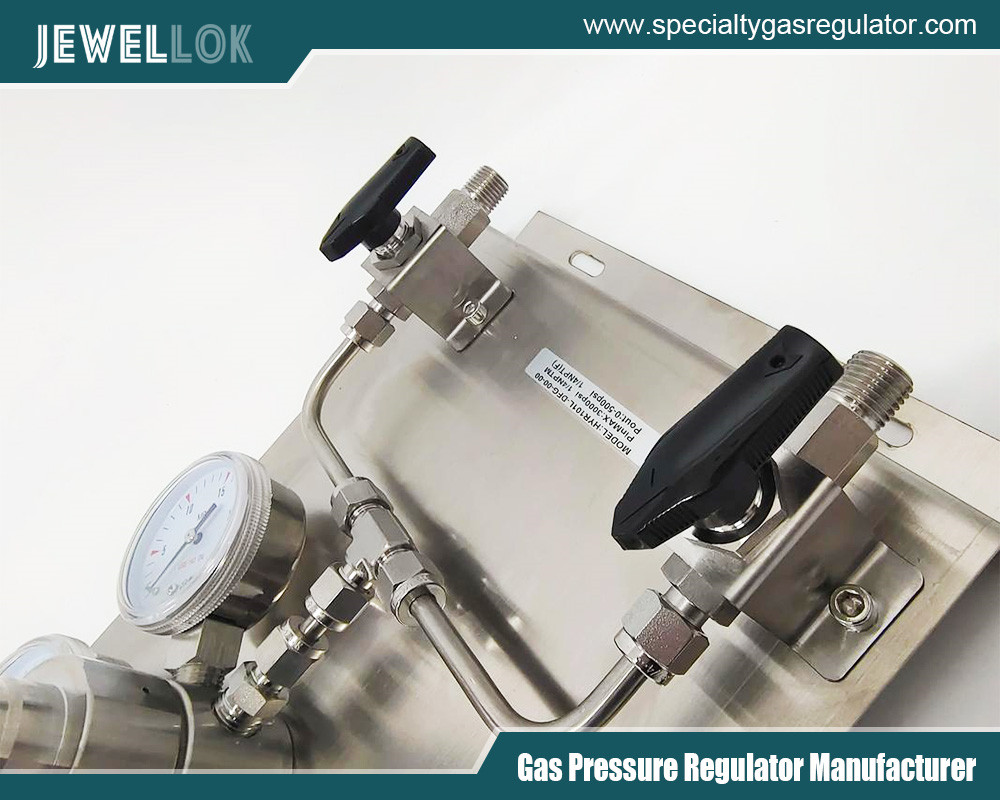
Overview of Automatic Gas Changeover Systems
An automatic gas changeover system is designed to switch gas supply from a primary source (bank) to a secondary or reserve source without interrupting downstream flow. These systems are typically used with cylinder banks, cryogenic tanks, or bulk gas supply systems.
The primary objectives of an automatic changeover system include:
- Ensuring continuous gas supply
- Maintaining stable outlet pressure
- Enhancing safety through controlled switching
- Reducing human error
- Optimizing gas utilization
Such systems are widely deployed in centralized gas distribution networks where multiple cylinders are manifolded together.
Key System Components
1. Gas Sources (Cylinder Banks)
Gas is typically stored in high-pressure cylinders grouped into two banks:
- Primary bank: Supplies gas under normal conditions
- Secondary bank: Acts as a reserve when the primary is depleted
Each bank may consist of multiple cylinders connected via manifolds to ensure sufficient capacity.
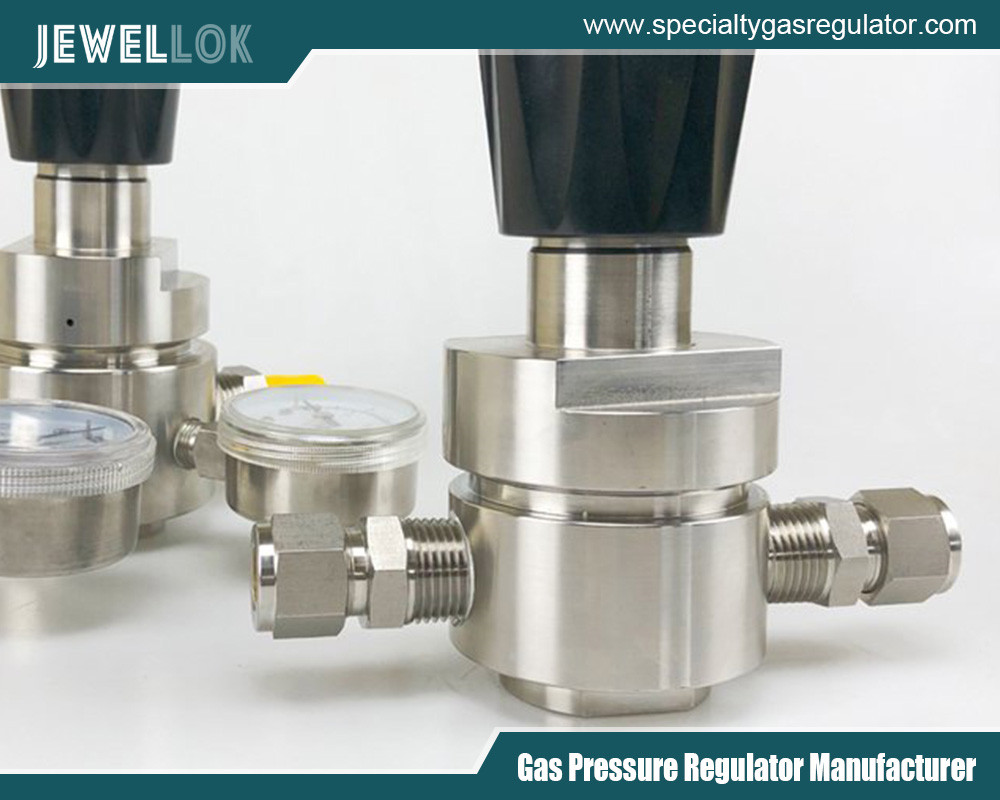
2. Pressure Regulators
Pressure regulators reduce high cylinder pressure to a usable level for downstream processes. In automatic changeover systems, two-stage regulation is often used:
- First stage: Reduces cylinder pressure to an intermediate level
- Second stage: Provides stable outlet pressure regardless of inlet fluctuations
High-precision regulators are essential for specialty gas applications where pressure stability directly impacts process outcomes.
3. Changeover Mechanism
The changeover mechanism is the core of the system. It monitors pressure levels in both banks and automatically switches supply when the primary bank pressure falls below a preset threshold.
There are two main types:
- Mechanical (spring-loaded or differential pressure-based)
- Electronic (sensor-based with control units)
Electronic systems offer higher accuracy, programmability, and integration with monitoring systems.
4. Check Valves and Isolation Valves
Check valves prevent backflow between gas banks, ensuring safety and preventing cross-contamination. Isolation valves allow maintenance or cylinder replacement without shutting down the entire system.
5. Pressure Gauges and Sensors
Pressure gauges provide visual indication of gas levels, while sensors in advanced systems transmit real-time data to control panels or remote monitoring platforms.
6. Alarm and Monitoring Systems
Modern systems incorporate alarms to notify operators when:
- A bank is depleted
- Pressure drops below safe levels
- System faults occur
These alerts can be local (audible/visual) or remote (via SCADA or IoT platforms).
Operating Principle
The automatic gas changeover system operates based on differential pressure monitoring. The general process is as follows:
- Gas is supplied from the primary bank under normal conditions.
- As gas is consumed, cylinder pressure gradually decreases.
- When the pressure drops below a predefined setpoint, the system detects the imbalance.
- The changeover mechanism activates and switches supply to the secondary bank.
- The depleted bank can then be safely replaced without interrupting gas delivery.
Some systems feature priority switching, allowing operators to designate which bank serves as primary. After cylinder replacement, the system can be reset or automatically revert to the original configuration.
Design Considerations
1. Gas Type and Compatibility
Different gases have unique properties that affect system design:
- Oxygen: Requires oxygen-clean components to prevent combustion risks
- Nitrogen: Generally inert but used in high-purity applications
- Specialty gases: May be corrosive, toxic, or reactive, requiring specialized materials such as stainless steel or coated components
Material compatibility is critical to prevent contamination and ensure system longevity.
2. Flow Rate Requirements
System sizing must account for peak and average flow rates. Undersized systems can lead to pressure drops, while oversized systems may increase costs unnecessarily.
3. Pressure Stability
Applications such as semiconductor manufacturing demand extremely stable pressure. Dual-stage regulation and precision control components are necessary to maintain tight tolerances.
4. Redundancy and Reliability
Redundant design ensures continuous operation even if one component fails. This is especially important in medical or critical industrial applications.
5. Installation Environment
Environmental factors such as temperature, humidity, and exposure to corrosive agents influence system design. Outdoor installations may require weatherproof enclosures.
6. Compliance and Standards
Automatic gas changeover systems must comply with relevant industry standards, such as:
- CGA (Compressed Gas Association)
- ISO standards for gas systems
- NFPA guidelines for medical and industrial gases
Compliance ensures safety and regulatory acceptance.
Applications
1. Medical and Healthcare Facilities
Hospitals rely on continuous oxygen supply for patient care. Automatic changeover systems ensure uninterrupted delivery to critical areas such as ICUs and operating rooms.
2. Semiconductor Manufacturing
Ultra-high purity gases are essential in semiconductor fabrication. Even minor interruptions or contamination can result in defective products. Automatic systems maintain consistent supply and purity levels.
3. Laboratories and Research Facilities
Analytical instruments such as gas chromatographs require stable gas flow. Changeover systems prevent interruptions that could compromise experimental results.
4. Food and Beverage Industry
Nitrogen is commonly used for packaging and preservation. Continuous supply ensures product quality and shelf life.
5. Chemical Processing
Specialty gases used in reactions must be delivered reliably and safely. Automated systems reduce the risk of human error in handling hazardous gases.
Advantages of Automatic Changeover Systems
1. Continuous Operation
The primary benefit is uninterrupted gas supply, which is critical for sensitive processes.
2. Enhanced Safety
Automation reduces the need for manual intervention, minimizing the risk of operator error and exposure to hazardous gases.
3. Improved Efficiency
Operators do not need to constantly monitor gas levels, allowing resources to be allocated more effectively.
4. Optimal Gas Utilization
The system ensures that cylinders are used efficiently before switching, reducing waste.
5. Scalability
Systems can be expanded to accommodate additional gas banks or higher flow requirements.
Challenges and Limitations
Despite their advantages, automatic gas changeover systems have certain challenges:
- Initial cost: Higher upfront investment compared to manual systems
- Maintenance requirements: Regular inspection and calibration are necessary
- Complexity: Advanced systems require trained personnel for operation and troubleshooting
- Potential failure points: Sensors and control units must be reliable to prevent malfunction
Proper design, installation, and maintenance can mitigate these issues.
Future Trends
The evolution of industrial automation and digitalization is shaping the future of gas changeover systems. Key trends include:
1. IoT Integration
Real-time monitoring and predictive maintenance are becoming standard features. Systems can send alerts and performance data to cloud platforms.
2. Smart Control Systems
Advanced algorithms optimize switching logic, pressure control, and gas usage.
3. Enhanced Safety Features
Integration with gas detection systems and emergency shutdown mechanisms improves overall safety.
4. Modular Design
Modular systems allow easier installation, maintenance, and scalability.
Conclusion
Automatic gas changeover systems play a vital role in ensuring continuous, safe, and efficient gas supply across a wide range of industries. By automatically switching between gas sources, these systems eliminate downtime, enhance safety, and improve operational efficiency.
From oxygen supply in hospitals to ultra-high purity gas delivery in semiconductor fabrication, the importance of reliable gas management cannot be overstated. As technology advances, the integration of smart monitoring and control systems will further enhance the performance and reliability of automatic changeover solutions.
For organizations relying on critical gas supplies, investing in a well-designed automatic gas changeover system is not just a matter of convenience—it is a fundamental requirement for maintaining productivity, safety, and quality.
For more about automatic gas changeover systems for oxygen, nitrogen, and specialty gases, you can pay a visit to Jewellok at https://www.specialtygasregulator.com/product-category/uhp-liquid-delivery-system/ for more info.
-
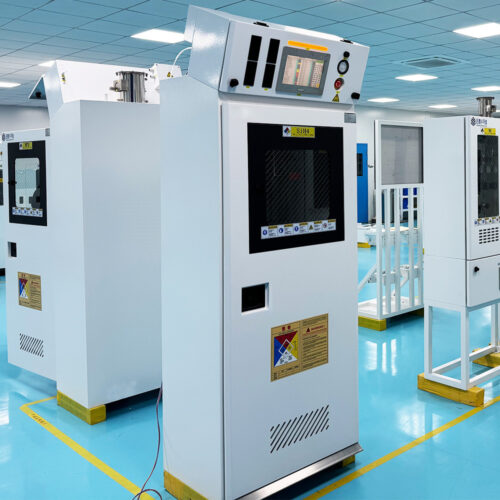
High Purity Bulk Gas Delivery Systems for Semiconductor Manufacturing and Advanced Chemical Distribution Infrastructure
-
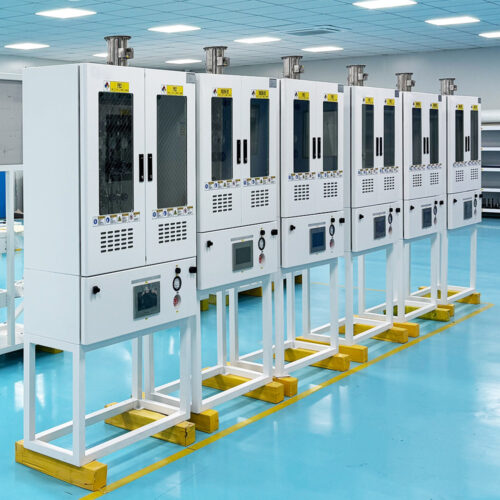
Precision Stainless Steel Valve Manifold Panel for Inert Gas Distribution in Cleanroom Manufacturing Environments
-
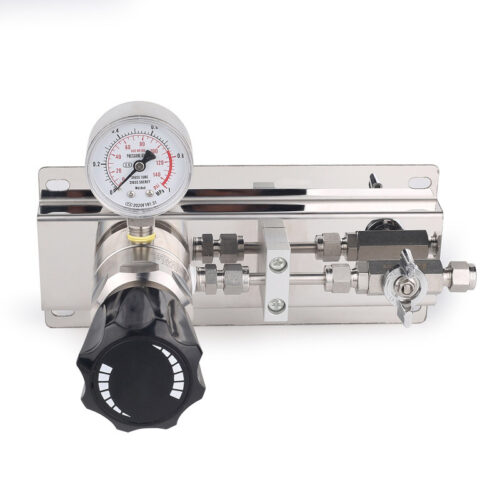
High Purity Gas Cylinder Semi Automatic Changeover Manifold Regulator Panel 3000psig Stainless Steel Gas Control Panel 1/8 Npt With Gauge
-
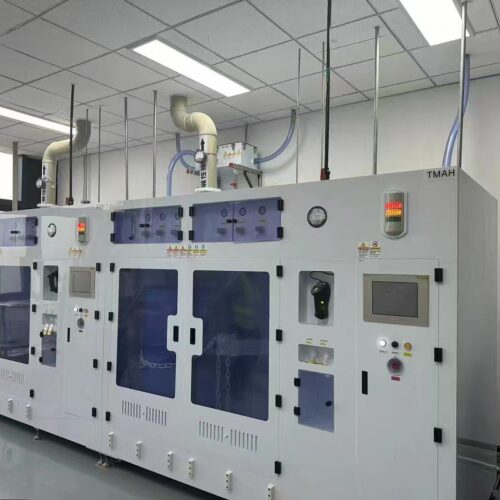
Integrated Bulk Chemical Delivery System and Automatic CDU Solutions for Safe Hazardous Chemical Fluid Handling
-
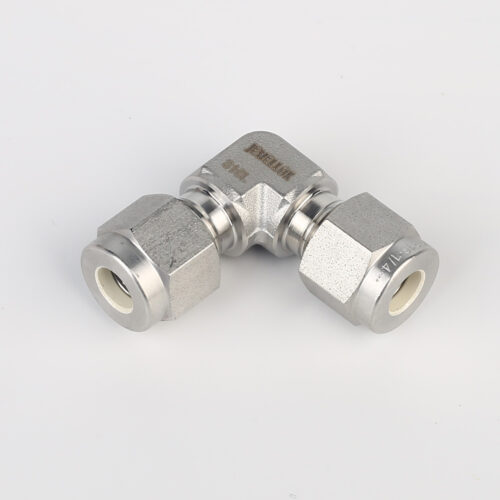
765L Stainless Steel Union Elbow Reducing High Purity Fitting Tubing Extension Tubing Connection
-
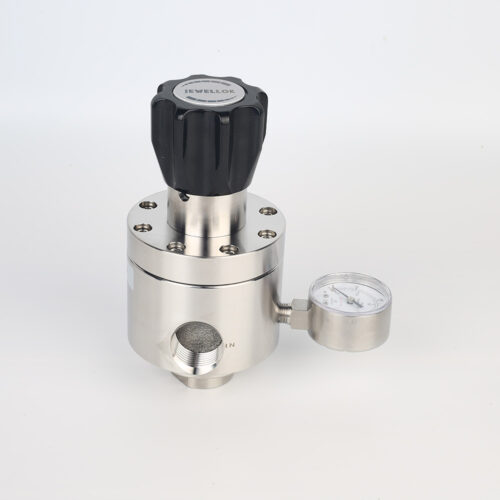
Low Pressure High Flow Line Pressure Regulators And Control Valves JSR-4L Series For Laboratory Pressure Control
-
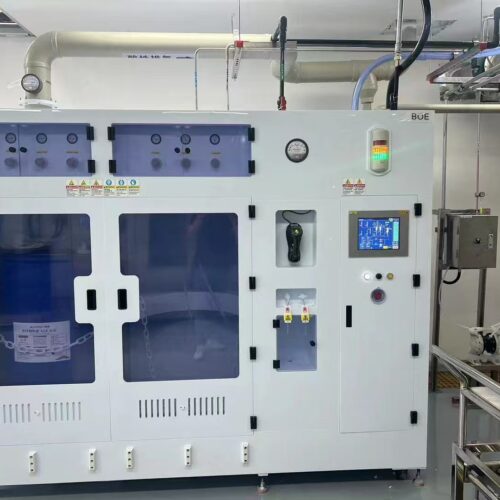
UHP Liquid Chemical Delivery Systems for Semiconductor Fabrication and Photovoltaic Manufacturing Processes
-
Advanced Exhaust Gas Scrubber System Design for 99% Removal Efficiency of Industrial Toxic Gases