
Regulator Manufacturer Tel: +86 13380377051
Regulator Manufacturer Tel: +86 13380377051

How Does a 316L VIM-VAR Stainless Steel Diaphragm Valve Work?
In the complex world of fluid handling, where purity, corrosion resistance, and absolute reliability are non-negotiable, the 316L VIM-VAR stainless steel diaphragm valve stands as a critical component. Among the various constructions, valves crafted from 316L Stainless Steel processed via Vacuum Induction Melting and Vacuum Arc Remelting (VIM-VAR) represent the pinnacle of performance for the most demanding applications. This article provides a comprehensive technical exploration of how these elite valves function, why their material pedigree is paramount, and where they are indispensable.
The Fundamental Principle: Isolation is Key
At its core, a diaphragm valve is a weir-type or straight-through valve that uses a flexible diaphragm as the sealing and isolating element. Unlike gate or ball valves, where the closure mechanism is in direct contact with the process fluid, the diaphragm acts as a dynamic barrier. It isolates the valve bonnet and actuation mechanism from the fluid stream entirely. This design delivers two fundamental advantages:
- Contamination Prevention: The process fluid cannot contact the stem, actuator, or internal bonnet components, eliminating a potential source of metallic contamination, microbial growth (in dead spaces), or particle generation.
- Leakage Integrity: It provides a single, reliable seal (the diaphragm) between the body and bonnet, drastically reducing the risk of external leakage to atmosphere—a critical safety feature for toxic, hazardous, or expensive fluids.
Anatomy of a 316L VIM-VAR Stainless Steel Diaphragm Valve: Component Breakdown
To understand its operation, we must first dissect its key components, paying special attention to the material science behind them.
- The Body (316L VIM-VAR Stainless Steel)
- Function: Forms the primary pressure boundary, containing the fluid flow path. It features a raised “weir” (in a weir-type design) or a saddle (in straight-through designs) against which the diaphragm seals.
- Material Significance (316L VIM-VAR):
- 316L Stainless Steel: An austenitic stainless steel with added molybdenum (2-3%) for superior chloride and pitting corrosion resistance compared to 304/304L. The low carbon content (“L” grade, ≤0.03% C) is crucial to prevent sensitization (chromium carbide precipitation) during welding, which can lead to intergranular corrosion.
- VIM-VAR Processing: This dual-melt process elevates 316L to an ultra-high-purity level.
- VIM (Vacuum Induction Melting): Initial melting under vacuum removes volatile impurities like gases (O₂, H₂, N₂) and some trace elements.
- VAR (Vacuum Arc Remelting): The VIM ingot is remelted under vacuum in a controlled arc furnace. This process refines the microstructure, eliminates non-metallic inclusions (oxides, sulfides), and ensures extreme chemical and structural homogeneity.
- Result: The body exhibits exceptional corrosion resistance, very low magnetic permeability (important for semiconductor tools), superior mechanical properties at temperature, and a dramatically reduced risk of inclusions that could become initiation sites for corrosion or particle shedding.
- The Diaphragm (Multilayer Elastomer/PTFE with 316L Core)
- Function: The heart of the valve. It is a flexible disc that moves up and down to open, close, and throttle the flow. Its periphery is clamped between the body and the bonnet, forming the primary seal.
- Construction: Modern high-performance diaphragms are often composite structures:
- Elastomeric Layer (PTFE, EPDM, FKM, etc.): Provides the sealing face and chemical compatibility. For ultra-pure applications, a smooth, FDA-approved PTFE (Teflon®) layer is common.
- Reinforcing Fabric: Embedded for mechanical strength and pressure resilience.
- Core Disc (316L VIM-VAR): A circular metal insert embedded in the diaphragm that connects to the compressor. This is the critical load-bearing element that transfers actuator force evenly to the diaphragm. Using 316L VIM-VAR here ensures it will not corrode, fatigue, or contaminate the fluid stream even if the elastomer layer were compromised.
- The Compressor
- Function: A component housed in the bonnet that is connected to the valve stem. It presses directly onto the metal core of the diaphragm, displacing it downwards.
- The Stem and Actuator
- Function: The stem translates rotational (handwheel, electric actuator) or linear (pneumatic piston) motion into linear travel of the compressor. The actuator provides the motive force.
- The Bonnet Assembly
- Function: Encloses the stem, compressor, and spring (if any), and is bolted to the valve body, trapping the diaphragm. It is also typically made from 316L VIM-VAR to maintain material integrity.
The Operational Sequence: From Open to Closed
- Open Position:
The actuator positions the stem and compressor in the fully retracted (up) position. The diaphragm, due to its inherent elasticity and sometimes assisted by line pressure, is lifted off the weir or saddle. The fluid flows freely through the unobstructed flow path with minimal pressure drop. There are no cavities or pockets to trap fluid, promoting excellent drainability. - Closing Motion:
As the actuator is engaged (handwheel turned, air applied to piston), the stem drives the compressor downward. The compressor applies a uniform, concentric force to the metal core of the diaphragm. The flexible diaphragm material deforms and is pressed firmly against the contour of the weir or saddle. - Sealed/Closed Position:
In the fully closed position, the diaphragm is elastically and plastically (within design limits) deformed against the weir, forming a leak-tight seal along the entire contact circumference. The flow path is completely blocked. The force is contained within the diaphragm’s structure—the process fluid is isolated below, the bonnet environment is isolated above. - Throttling/Regulating Position:
A key advantage of the diaphragm valve is its suitability for throttling. By precisely positioning the compressor, the diaphragm can be lowered to a specific distance from the weir, creating a variable annular orifice. The streamlined flow path and the diaphragm’s ability to form a parabolic profile enable stable and controllable flow regulation, though with a limited rangeability compared to some other valve types.
The Critical Role of 316L VIM-VAR in Performance
Why go to the expense of VIM-VAR metallurgy? The answer lies in the failure modes it prevents in critical services:
- Semiconductor Fabrication (Ultra-High Purity Gases and Chemicals): A single micron-sized metallic inclusion released from a valve body can destroy an entire wafer worth millions of dollars. VIM-VAR’s virtual elimination of inclusions is essential. Low outgassing is also critical in vacuum service.
- Pharmaceutical & Biotech (WFI, Purified Water, Process Fluids): These industries operate under strict cGMP and must prevent metallic ion contamination (e.g., Iron, Nickel, Chromium leaching) that could affect drug safety or cell cultures. The passive layer on 316L VIM-VAR is exceptionally stable and non-reactive.
- Nuclear and Aerospace: Components must withstand radiation, stress corrosion cracking, and maintain integrity under extreme thermal cycles. The refined, homogeneous grain structure from VAR provides superior fatigue and fracture toughness.
- Aggressive Chemical Processing: Handling hot acids, chlorides, or other corrosives demands the highest possible corrosion resistance. VIM-VAR material offers the most consistent and reliable performance, with no weak points from impurities.
Advantages and Limitations
Advantages:
- Zero Internal Leakage: Excellent shut-off capability with a tight seal.
- Hygienic/Clean Design: Smooth flow path, no dead legs, excellent cleanability (CIP/SIP).
- Contamination-Free Operation: Perfect for sterile or ultrapure processes.
- External Leak Integrity: The single diaphragm seal minimizes external leak paths.
- Good Corrosion Resistance: Excellent material compatibility, especially with the 316L VIM-VAR construction.
- Maintenance-Friendly: Diaphragm replacement is relatively simple and does not require removing the valve body from the pipeline.
Limitations:
- Diaphragm Life: The diaphragm is a wear component with a finite cycle life, especially under high pressure, temperature, or aggressive fluids. It is the system’s planned maintenance item.
- Pressure/Temperature Constraints: Limited by the strength of the diaphragm material. PTFE diaphragms have lower temperature limits than elastomers. High pressures can cause excessive stress.
- Pressure Drop: The weir design, in particular, creates a more restrictive flow path than a full-bore ball valve.
- Cost: High-performance valves with 316L VIM-VAR bodies and specialized diaphragms carry a significant premium over standard valves.
Application-Specific Considerations and Selection
Selecting a 316L VIM-VAR stainless steel diaphragm valve requires careful analysis:
- Fluid Compatibility: Choose the diaphragm elastomer/PTFE grade based on chemical compatibility, temperature, and purity requirements.
- Pressure Ratings: Ensure the valve’s pressure rating (both body and diaphragm) exceeds the system’s maximum operating pressure, including any surge or water hammer.
- Temperature Range: Verify that both the body material and the diaphragm are rated for the minimum and maximum process temperatures.
- Actuation Method: Manual, pneumatic (spring-return or double-acting), or electric actuation is chosen based on required speed, force, and control integration needs.
- End Connections: Sanitary tri-clamp, butt-weld, or ISO flanges must match the piping system and cleanability requirements.
- Surface Finish: For ultra-pure applications, specifying an electropolished interior (e.g., Ra < 15 µin) reduces adhesion and improves cleanability.
Conclusion
The 316L VIM-VAR stainless steel diaphragm valve is a masterpiece of precision engineering and advanced material science. Its operation, centered on the simple yet brilliant concept of a flexible, isolating diaphragm, provides an unmatched combination of containment, purity, and control. While the fundamental mechanics are straightforward, the incorporation of ultra-high-purity VIM-VAR metallurgy transforms it from a simple fluid control device into a critical component enabling the most advanced technologies of our time—from nanometer-scale semiconductors to life-saving biopharmaceuticals. Understanding its workings is not merely a technical exercise but a necessity for engineers designing systems where failure is not an option, and where the integrity of the fluid pathway is synonymous with the integrity of the final product. Its continued evolution in materials (e.g., improved diaphragm polymers) and design (e.g., liner-style for abrasives) ensures its place as a cornerstone of high-integrity fluid handling for decades to come.
For more about how does a 316L VIM-VAR stainless steel diaphragm valve work, you can pay a visit to Jewellok at https://www.specialtygasregulator.com/product-category/ultra-high-purity-gas-regulators/ for more info.
-
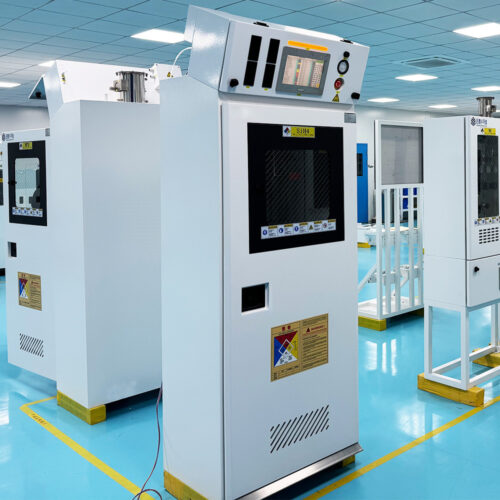
Fully Automated Gas Cabinet For Precise UHP Gas Delivery And High Purity Gas Delivery Systems JW-300-GC
-
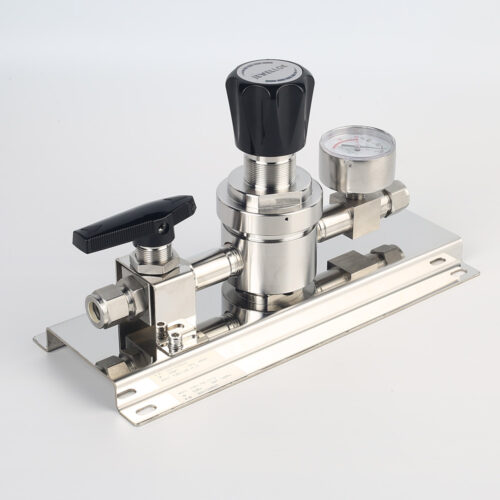
High Purity And Industria Gas Stick Assemblies Precise Pressure Control Gas Systems JSR-1ETG-BV Series
-
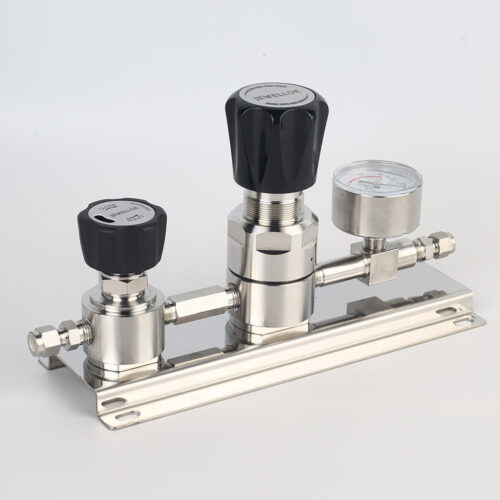
High Purity High Flow Pressure Control Regulators & Valves Gas Stick Assemblies JSR-2TG Series
-
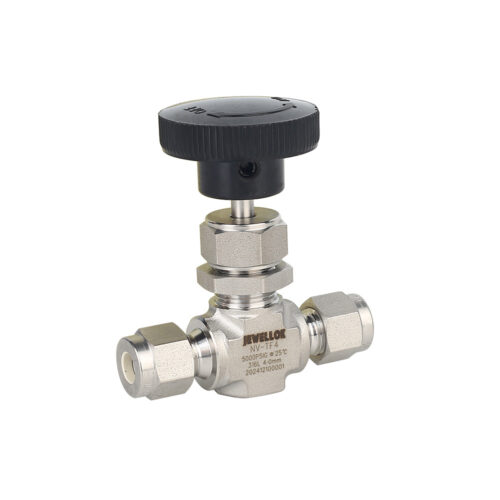
High Purity High Pressure Stainless Steel Needle Valve Natural Gas Flow Control Valve JNV Series
-
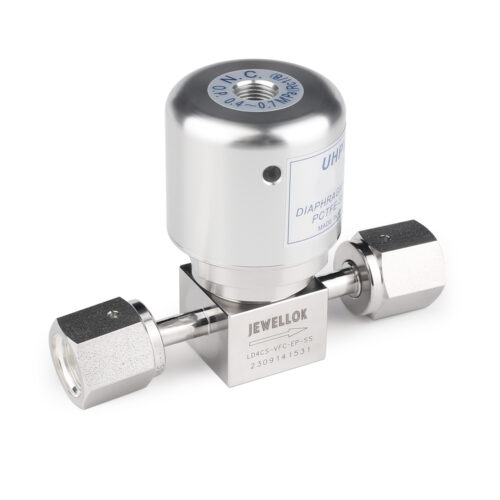
Stainless Steel Low Pressure Seal Pneumatic Diaphragm Control Valve For For HP & UHP Gases
-
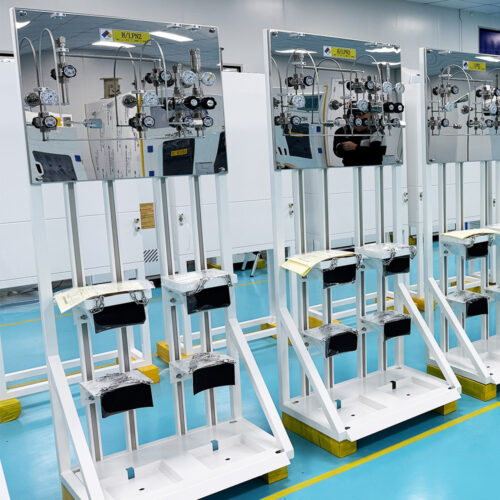
Manual Gas Rack High Purity Gas Delivery Systems JW-100-GR
-
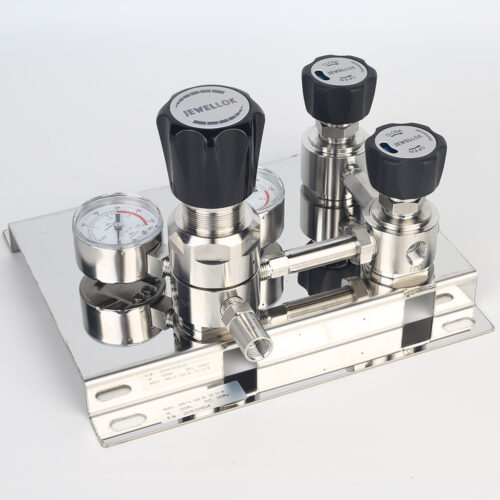
Stainless Steel 316L Single Stage Regulator Pressure Control Panels JSP-1E Series For Semiconductor Fluid Control
-
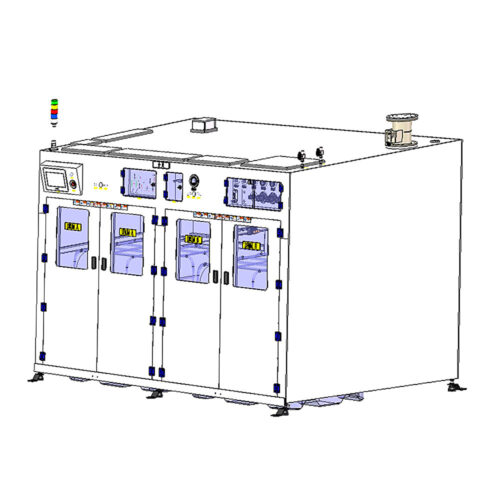
High Purity Chemical Dispense System & Packing System For Semiconductors JW-200L-CDM & JW-1000L-CDM