
Regulator Manufacturer Tel: +86 13380377051
Regulator Manufacturer Tel: +86 13380377051
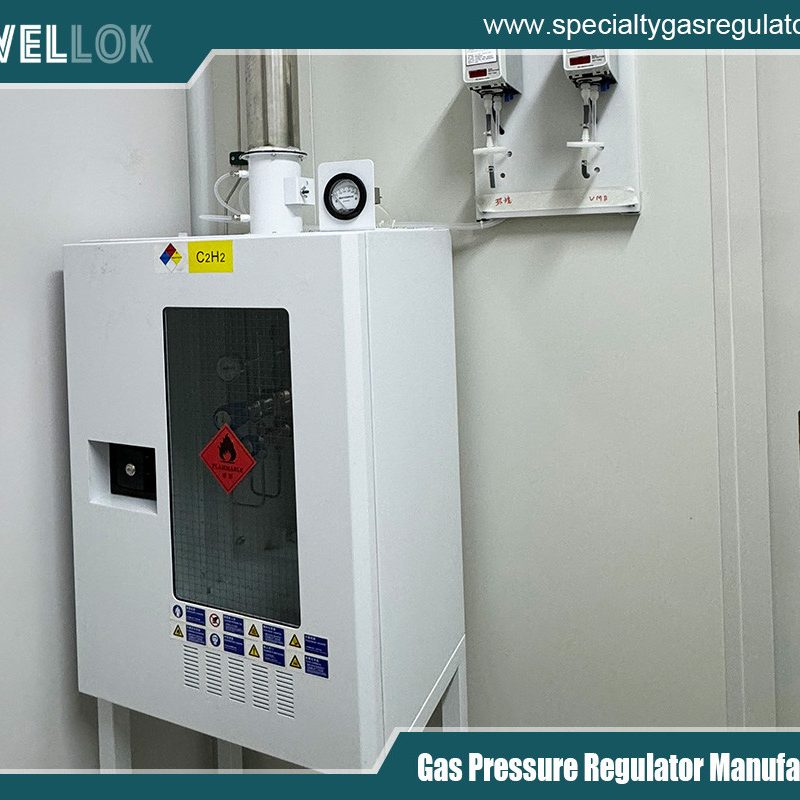
Precision in the Sub-Fab: The Critical Role of Chemical Valve Manifold Boxes (VMB) in Semiconductor Manufacturing
In the high-stakes world of semiconductor fabrication, the difference between a high-yielding wafer and a total loss often comes down to the delivery of liquid chemicals at the “parts-per-trillion” purity level. While bulk delivery systems (BCDS) act as the heart of a facility, the Valve Manifold Box (VMB), often used interchangeably with the Control Valve Box (CVB), acts as the nervous system. This technical article explores the architecture, safety protocols, and material science behind modern chemical VMB systems.
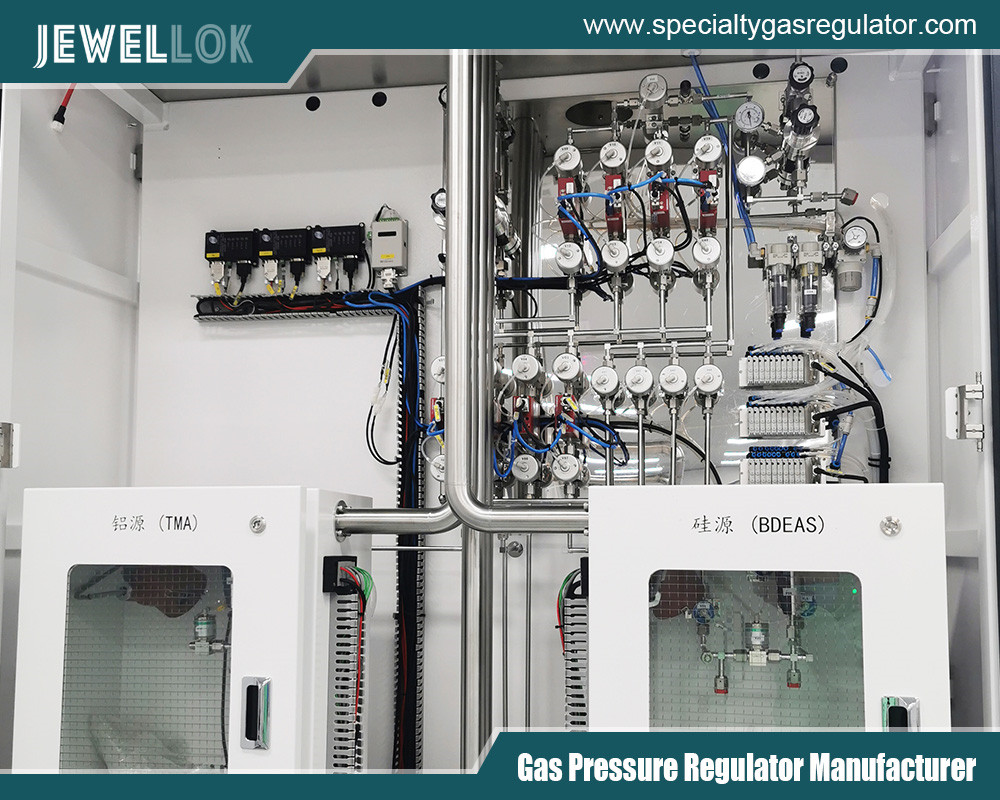
- The Architectural Role of the VMB
A Valve Manifold Box is a specialized, secure enclosure designed to take a single high-purity chemical supply line and split it into multiple independent process points, or “sticks.”
In a typical mega-fab, a single bulk chemical delivery system might serve dozens of process tools. Routing individual lines from a remote sub-fab directly to every tool is inefficient and creates excessive potential leak points. The VMB solves this by acting as a localized distribution hub. It allows a facility to run one large-diameter main header to a specific “bay” or “chase,” where the VMB then distributes the chemical to 4, 8, or even 12 separate tools.
- Anatomy of a VMB Distribution “Stick”
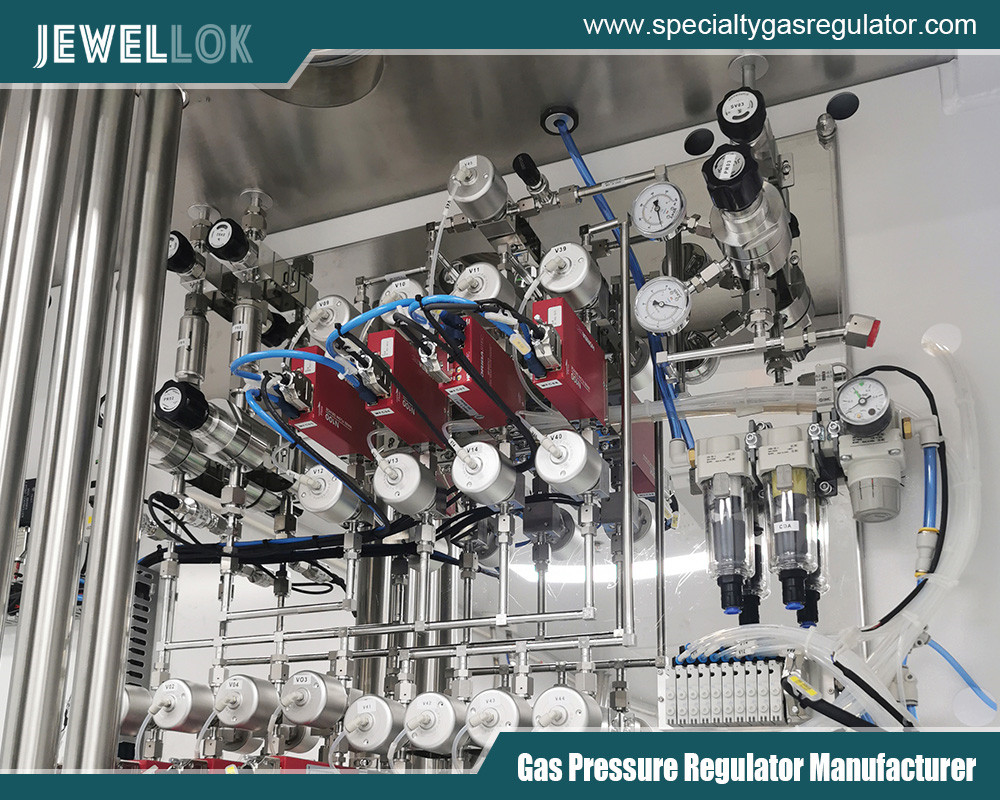
The core of any VMB is the distribution stick—the assembly of components that manages the flow to an individual tool. A high-spec VMB stick typically includes:
- Isolation Valves: Pneumatically actuated diaphragm valves that allow a single tool to be shut down without affecting the others.
- Pressure Regulators: To ensure that despite fluctuations in the main supply header, the tool receives a consistent, steady pressure.
- Filters: Point-of-use sub-micron filters (often down to 2nm) to capture any particulates generated by moving parts within the manifold.
- Flow and Pressure Sensors: Ultrasonic flowmeters and pressure transducers provide real-time data to the facility’s SCADA (Supervisory Control and Data Acquisition) system.
- Vent and Purge Ports: Critical for maintenance, these allow the line to be safely cleared of hazardous chemicals and purged with high-purity nitrogen before a technician opens the line.
- Material Science and Chemical Compatibility
Material selection is the most critical design phase of a VMB, dictated entirely by the chemical being handled.
Stainless Steel Systems (Solvents and Flammables)
For flammable solvents like Isopropyl Alcohol (IPA) or Photoresist, 316L Electropolished Stainless Steel is the industry standard. These systems must be grounded to prevent static discharge and are often equipped with fire suppression (CO2 or Clean Agent) and explosion-proof electrical components.
Polymer Systems (Acids and Bases)
For highly corrosive acids (Hydrofluoric, Sulfuric) and bases (Ammonium Hydroxide), metals are unsuitable due to corrosion and metal-ion contamination. These VMBs are fabricated from high-purity plastics such as Polypropylene (PP) or Polyvinylidene Fluoride (PVDF). In many modern fabs, the enclosure itself must meet FM4910 standards, a fire-safe material protocol for cleanroom environments.
- Safety and Containment Protocols
Because VMBs often handle toxic, pyrophoric, or highly corrosive materials, they are engineered as “secondary containment” vessels.
- Leak Detection: The floor of the VMB is sloped toward a sump equipped with a liquid sensor. If a primary valve or fitting fails, the sensor triggers an Emergency Shut Off (ESO), instantly closing the main supply valve to the box.
- Exhaust Management: VMBs are continuously exhausted to a facility’s acid or solvent scrubber. If the exhaust pressure drops below a safe threshold, the system automatically shuts down to prevent the buildup of hazardous vapors.
- Coaxial Piping: The supply lines entering and exiting the VMB are often “pipe-in-pipe” (double-contained). The interstitial space between the pipes is monitored for leaks, providing an extra layer of protection between the chemical and the cleanroom floor.
- Automation Levels: Manual to “Smart” VMBs
The semiconductor industry is rapidly moving toward “Smart” VMBs to support Industry 4.0 initiatives.
- Manual VMBs: Used primarily for inert or non-hazardous chemicals where the risk is low and maintenance is infrequent.
- Semi-Automatic: Feature automated safety trips but require a technician to be present for manual valve turning during maintenance cycles.
- Fully Automatic (Smart VMB): These units feature an integrated Programmable Logic Controller (PLC) and a Human Machine Interface (HMI). They can perform automated “purging and flushing” sequences, track the lifecycle of every internal component, and communicate directly with the process tool to synchronize chemical delivery with wafer processing.
- Maintenance and Uptime
In a fab where downtime is measured in thousands of dollars per minute, the VMB’s ability to provide “live” maintenance is its greatest value. Because each stick is isolated, a technician can replace a filter or a faulty valve on “Stick 1” while “Sticks 2 through 8” continue to feed production tools at full capacity.
Conclusion
The chemical VMB is far more than a simple box of valves; it is a sophisticated safety and precision instrument. By providing localized control, secondary containment, and ultra-high purity filtration, the VMB ensures that the aggressive chemicals required for modern chipmaking are delivered safely and consistently. As nodes shrink toward 2nm and beyond, the demand for even higher purity and more advanced automation in VMB systems will continue to drive innovation in the sub-fab.
For more about precision in the sub-fab: the critical role of chemical valve manifold boxes (vmb) in semiconductor manufacturing, you can pay a visit to Jewellok at https://www.specialtygasregulator.com/product-category/specialty-gas-cabinet/ for more info.
-
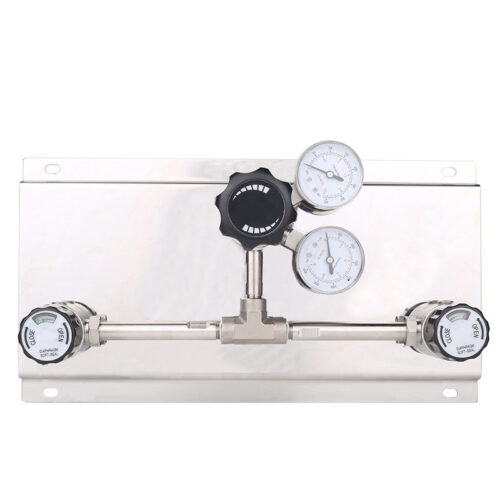
High Pressure High Flow Specialty Gas Control Panel With Diaphragm Valve , 3000Psig Oxygen Control Medical Changeover Manifold Panel
-
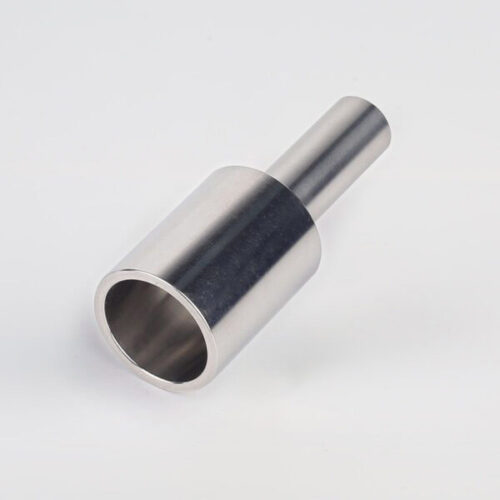
316L Stainless Steel Tube Butt Weld Reducing Fittings Union Reducer RW Series Ultrahigh Purity Process
-
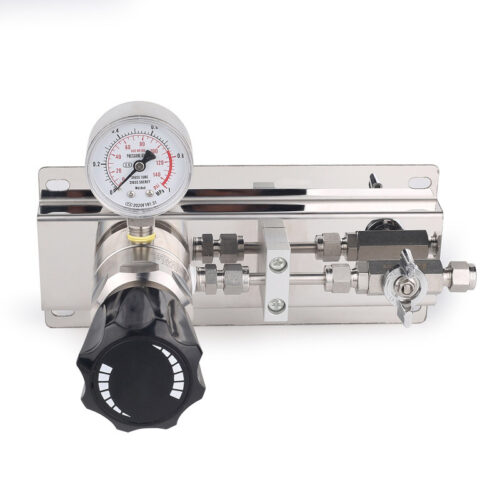
High Purity Gas Cylinder Semi Automatic Changeover Manifold Regulator Panel 3000psig Stainless Steel Gas Control Panel 1/8 Npt With Gauge
-
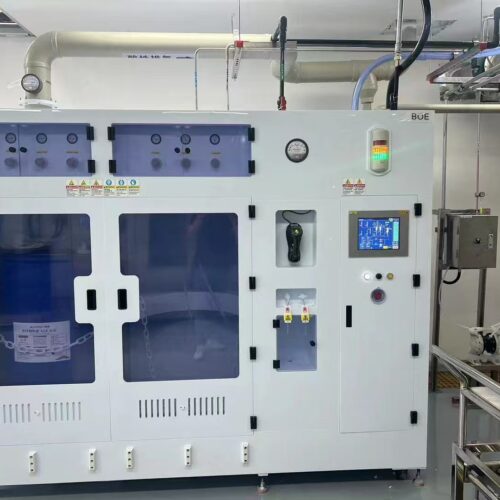
Chemical Delivery Modules for Automated Blending and Precise Dilution in Modern Wafer Cleaning Applications
-
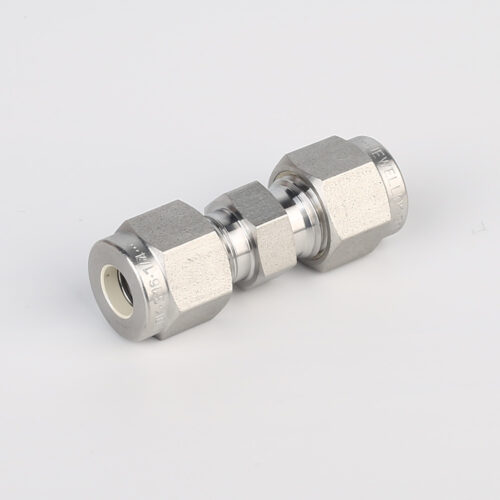
762L Stainless Steel High Purity Union High-Purity Gas System Fittings
-
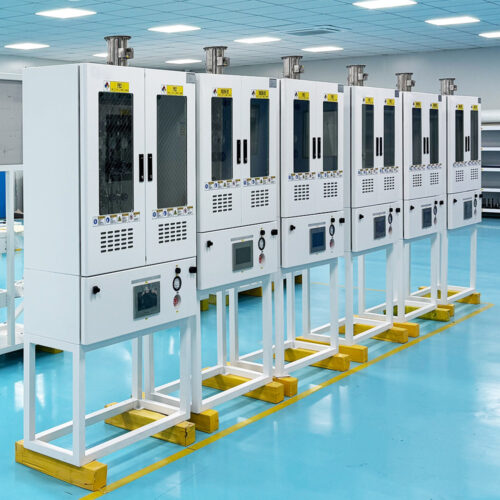
Corrosion Resistant 316L Stainless Steel Exhaust Gas Scrubber System for Harsh Chemical Process Environments
-
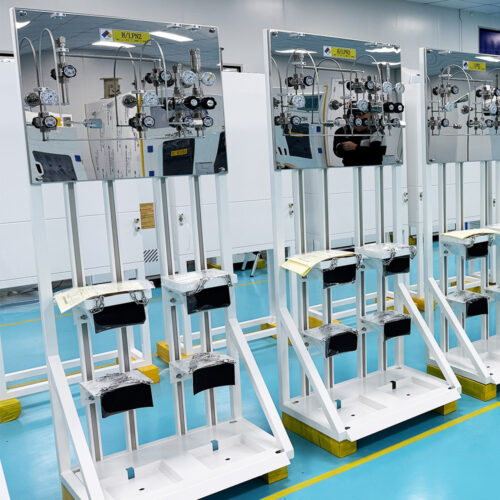
Semi Automatic Gas Cabinet Systems for Handling Toxic and Flammable Process Specialty Gases in High Tech
-
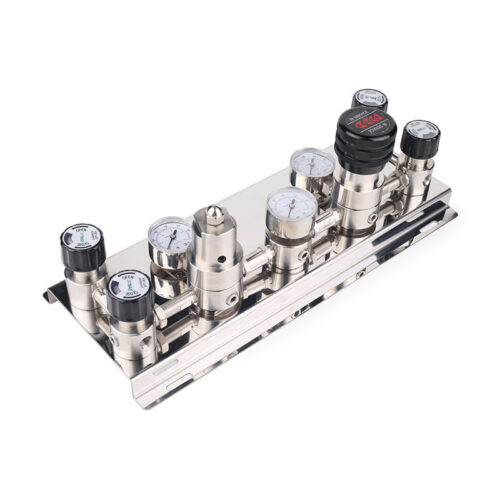
Stainless Steel High Pressure Specialty Gas Changeover Manifold For High Purity Oxygen Nitrogen Argon Helium Hydrogen Co2