
Regulator Manufacturer Tel: +86 13380377051
Regulator Manufacturer Tel: +86 13380377051
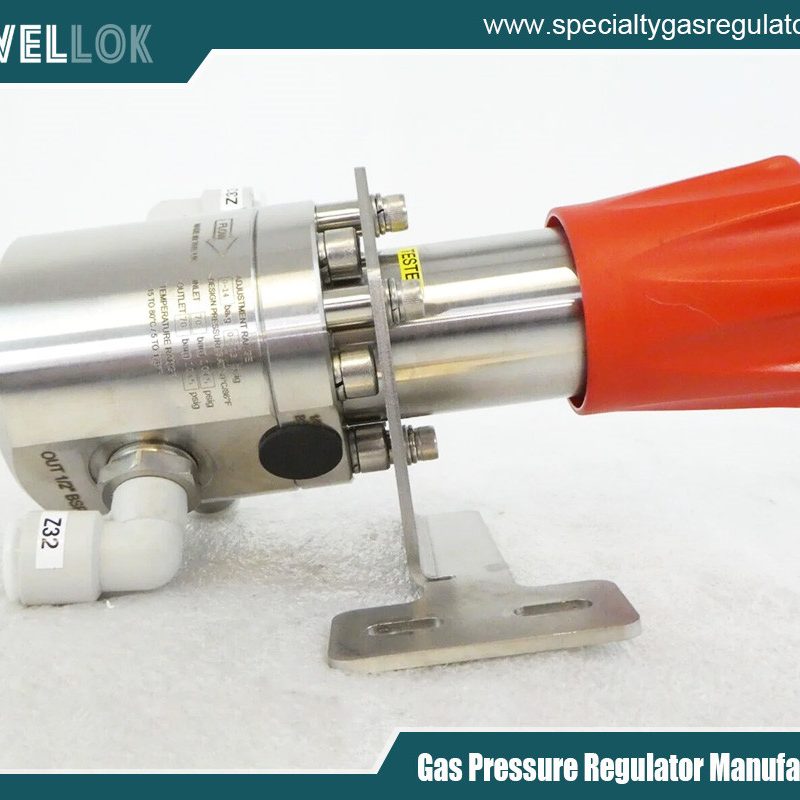
Understanding High Pressure Nitrogen Gas Tank Regulators
In the realm of industrial gases, nitrogen stands out as one of the most versatile and widely used elements. It is inert, non-flammable, and essential in applications ranging from food preservation to high-tech manufacturing. However, nitrogen is typically stored in high-pressure tanks or cylinders, often exceeding 3000 PSI (pounds per square inch), which poses significant challenges for safe and efficient use. This is where the high pressure nitrogen gas tank regulator comes into play. A high pressure nitrogen gas tank regulator is a critical device designed to reduce and control the pressure of nitrogen gas from the storage tank to a usable level for downstream equipment or processes.
These regulators ensure that the gas is delivered at a consistent, safe pressure, preventing damage to tools, pipelines, or end-user applications. Without them, the raw high pressure from the tank could lead to explosions, leaks, or inefficient operations. In this technical article, we will explore the fundamentals of high pressure nitrogen gas tank regulators, including their working principles, components, types, applications, selection criteria, maintenance, and safety considerations. By understanding these aspects, engineers, technicians, and operators can make informed decisions to optimize their systems.
Basic Principles of Operation
At its core, a high pressure nitrogen gas tank regulator operates on the principle of pressure reduction and stabilization. Nitrogen gas is compressed into tanks at pressures up to 7500 PSIG (pounds per square inch gauge) for ultra-high applications. The regulator acts as a gatekeeper, using mechanical components to step down this inlet pressure to a lower outlet pressure, often adjustable between 0 and 600 PSI, depending on the model.
The process begins when the high-pressure gas enters the regulator through an inlet port. Inside, a diaphragm or piston senses the outlet pressure and adjusts a valve to maintain the desired level. If the downstream pressure drops due to increased demand, the valve opens wider to allow more gas flow. Conversely, if pressure rises, the valve closes to restrict flow. This feedback mechanism ensures stability, even as the tank pressure decreases over time as gas is depleted.
For high-pressure scenarios, regulators are built with robust materials to withstand extreme forces. Brass is commonly used for its corrosion resistance and durability, while seals made from materials like Viton or PTFE handle the inert nature of nitrogen without degradation. The regulator also incorporates safety features like pressure relief valves to vent excess pressure, protecting the system from over-pressurization.
Key Components
A typical high pressure nitrogen gas tank regulator consists of several essential components that work in unison:
- Inlet Connection: This is the port that attaches to the nitrogen tank, often using standardized fittings like CGA-580 for nitrogen in the US or W24.3×1/14 female threads in Europe. It must handle inlet pressures up to 3000-7500 PSI without leaking.
- Body and Bonnet: The main housing, usually forged brass, encases the internal mechanisms. The bonnet covers the adjustment mechanism and is designed for easy access.
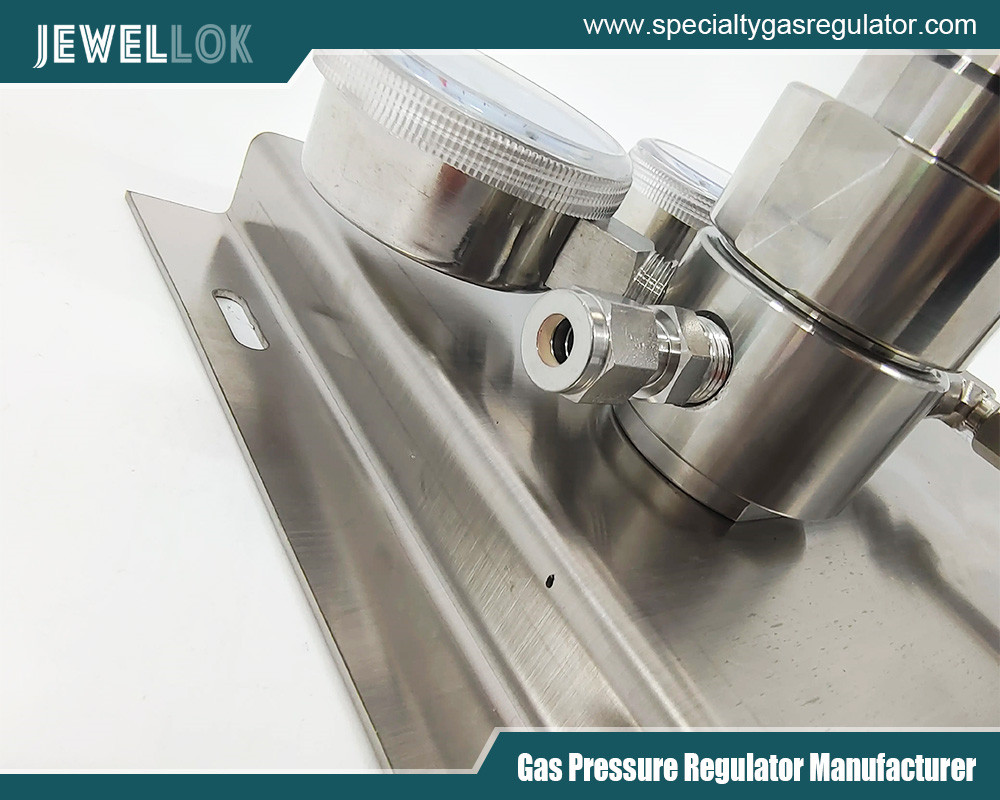
- Pressure Gauges: Dual gauges are standard—one for tank (inlet) pressure, reading up to 3000-4000 PSI, and another for outlet pressure, typically 0-120 PSI or higher for high-flow models. Rubber protectors shield these from damage.
- Diaphragm or Piston: The sensing element that responds to pressure changes. Diaphragms are flexible membranes for lower pressures, while pistons are used in high-pressure models for greater accuracy and durability.
- Adjustment Knob or Screw: Allows users to set the desired outlet pressure. In some models, this is a T-handle for precise control.
- Valve Seat and Poppet: The valve assembly that controls gas flow. Materials like stainless steel ensure longevity.
- Outlet Port: Connects to hoses or equipment, often with barb fittings for secure attachment.
- Relief Valve: Automatically releases gas if pressure exceeds safe limits, preventing catastrophic failure.
These components are engineered to minimize pressure drop and ensure flow rates suitable for the application, from low-flow lab use to high-volume industrial purging.
Types of Regulators
High pressure nitrogen gas tank regulators come in various types to suit different needs:
– Single-Stage Regulators: These reduce pressure in one step. They are simple, cost-effective, and ideal for applications where inlet pressure remains relatively constant. However, as tank pressure drops, outlet pressure may vary slightly.
– Dual-Stage Regulators: Featuring two reduction stages, these maintain a constant outlet pressure regardless of inlet fluctuations. The first stage reduces to an intermediate pressure, and the second fine-tunes to the final output. They are preferred for precision tasks like laboratory analysis or calibration.
– High-Flow Regulators: Designed for applications requiring large volumes of gas, such as HVAC purging or welding. They can deliver up to 5000 SCFH (standard cubic feet per hour) while handling high inlet pressures.
– Manifold Regulators: Used in systems with multiple tanks, these allow seamless switching between cylinders without interrupting flow. They are common in continuous operations like food packaging lines.
– Ultra-High Pressure Models: Rated for inlet pressures up to 7500 PSIG, these are built for specialized uses like motor sports or high-pressure testing.
Each type is selected based on factors like pressure range, flow rate, and environmental conditions.
Applications
High pressure nitrogen gas tank regulators find applications across diverse industries:
In HVAC and refrigeration, they facilitate purging systems to remove moisture and contaminants, ensuring efficient operation. In welding and metal fabrication, nitrogen regulators provide shielding gas to prevent oxidation during processes like TIG welding.
The food and beverage sector uses them for modified atmosphere packaging, extending shelf life by displacing oxygen. In laboratories, precise regulators support gas chromatography and other analytical instruments.
Pharmaceutical manufacturing relies on them for inert blanketing to prevent reactions with sensitive compounds. In aerospace and automotive testing, high-pressure models simulate extreme conditions for component validation.
Additionally, in electronics, they aid in soldering and cleaning processes, while in oil and gas, they support pressure testing of pipelines.
Selection and Installation
Choosing the right high pressure nitrogen gas tank regulator involves assessing several criteria:
– Pressure Requirements: Match inlet max to tank pressure and outlet to application needs.
– Flow Rate: Ensure the regulator can handle the demanded volume without excessive pressure drop.
– Material Compatibility: Nitrogen is inert, but ensure seals won’t degrade with trace impurities.
– Certifications: Look for compliance with standards like CGA or ISO for safety.
Installation is straightforward but critical: Attach the regulator to the tank valve, tighten securely, and check for leaks using soapy water. Adjust the outlet pressure gradually while monitoring gauges. Always install in a well-ventilated area to avoid asphyxiation risks from nitrogen buildup.
Maintenance and Safety
Regular maintenance extends the life of a high pressure nitrogen gas tank regulator. Inspect gauges for accuracy, clean inlet filters to prevent blockages, and replace worn seals annually. Store regulators in dry, clean environments to avoid corrosion.
Safety is paramount: Never exceed rated pressures, use only compatible fittings, and wear protective gear when handling high-pressure systems. Be aware of nitrogen’s asphyxiant properties—ensure proper ventilation. In case of leaks, evacuate and ventilate before repair.
Periodic testing, such as hydrostatic pressure tests, verifies integrity. Following manufacturer guidelines minimizes risks.
Conclusion
High pressure nitrogen gas tank regulators are indispensable for safe, efficient gas handling in myriad applications. By reducing and stabilizing pressure, they enable precise control, enhancing productivity and safety. As technology advances, these devices continue to evolve, incorporating digital monitoring for smarter operations. Understanding their principles, components, and best practices empowers users to harness nitrogen’s potential fully.
For more about high pressure nitrogen gas tank regulator, you can pay a visit to Jewellok at https://www.specialtygasregulator.com/product/high-purity-high-pressure-gas-cylinder-pressure-regulators-pressure-reducing-valve-jsr-1e-series/ for more info.
-
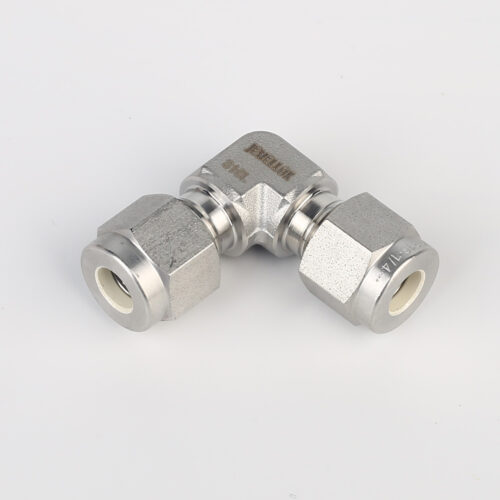
765L Stainless Steel Union Elbow Reducing High Purity Fitting Tubing Extension Tubing Connection
-
High-Efficiency Exhaust Gas Scrubber System for Semiconductor and Photovoltaic Hazardous Gas Abatement Solutions
-
Manual Gas Rack High Purity Gas Delivery Systems JW-100-GR
-
772 LF Female Branch Tee | Stainless Steel Tube Fitting Female Branch Tee 1/2 in. Tube OD x 1/2 in. Tube OD x 3/8 in. Female NPT
-
High Purity High Pressure Stainless Steel Needle Valve Natural Gas Flow Control Valve JNV Series
-
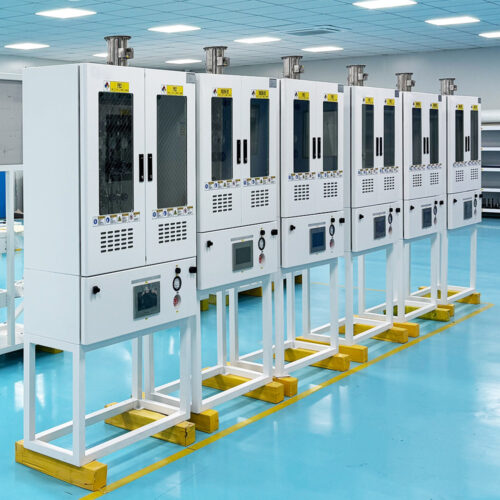
UHP Liquid Chemical Delivery Systems with Nitrogen Blanketing and Secondary Containment for Hazardous Industrial Chemical Processing
-
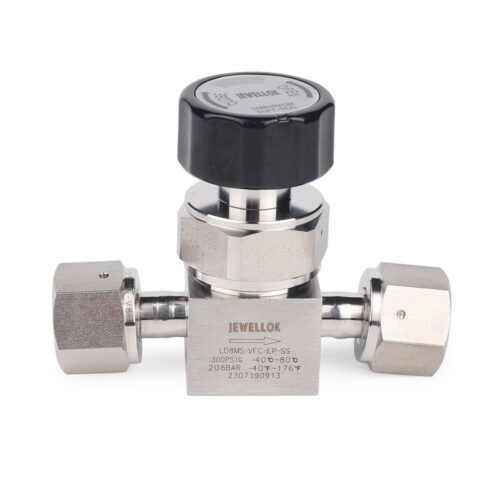
Flow Control Stainless Steel Low Pressure Manual Diaphragm Valve For High Purity And Ultra High Purity Gases
-
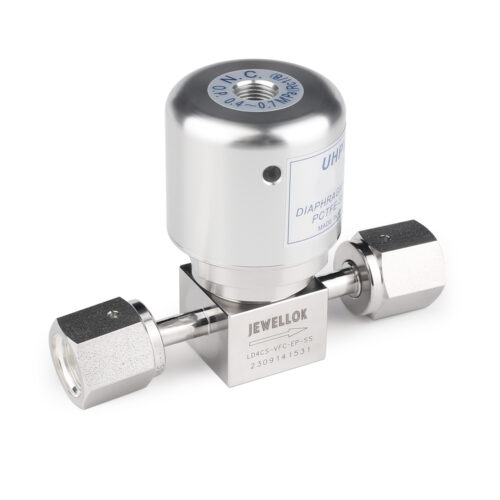
Stainless Steel Low Pressure Seal Pneumatic Diaphragm Control Valve For For HP & UHP Gases