
Regulator Manufacturer Tel: +86 13380377051
Regulator Manufacturer Tel: +86 13380377051

Comparative Analysis of Diaphragm Valves, Bellows Valves, and Ball Valves in Medical Gas Valve Applications
The safe, reliable, and contamination-free delivery of medical gas valves (e.g., oxygen, nitrous oxide, medical air, vacuum) is a critical cornerstone of modern healthcare infrastructure. The selection of appropriate valving technology within pipeline distribution systems and at point-of-use terminals directly impacts patient safety, system integrity, and operational efficiency. This technical article provides a comprehensive comparison of three prevalent valve types—Diaphragm Valves, Bellows Valves, and Ball Valves—in the context of medical gas valve applications. It analyzes their respective working principles, advantages, disadvantages, and ideal use-case scenarios to inform selection criteria for designers, engineers, and facility managers.
Medical gas pipeline systems (MGPS) are classified as life-support systems, governed by stringent international standards such as ISO 7396-1 and regional directives like HTM 02-01 in the UK. Valves in these systems must guarantee absolute leak-tightness, maintain gas purity, ensure fail-safe operation, and permit easy maintenance without compromising the sterile boundary of the pipeline. The internal mechanism of the valve, which separates the working parts from the gas stream, becomes a primary differentiator. This article delves into the technical specifics of diaphragm, bellows, and ball valves to elucidate their suitability for medical environments.
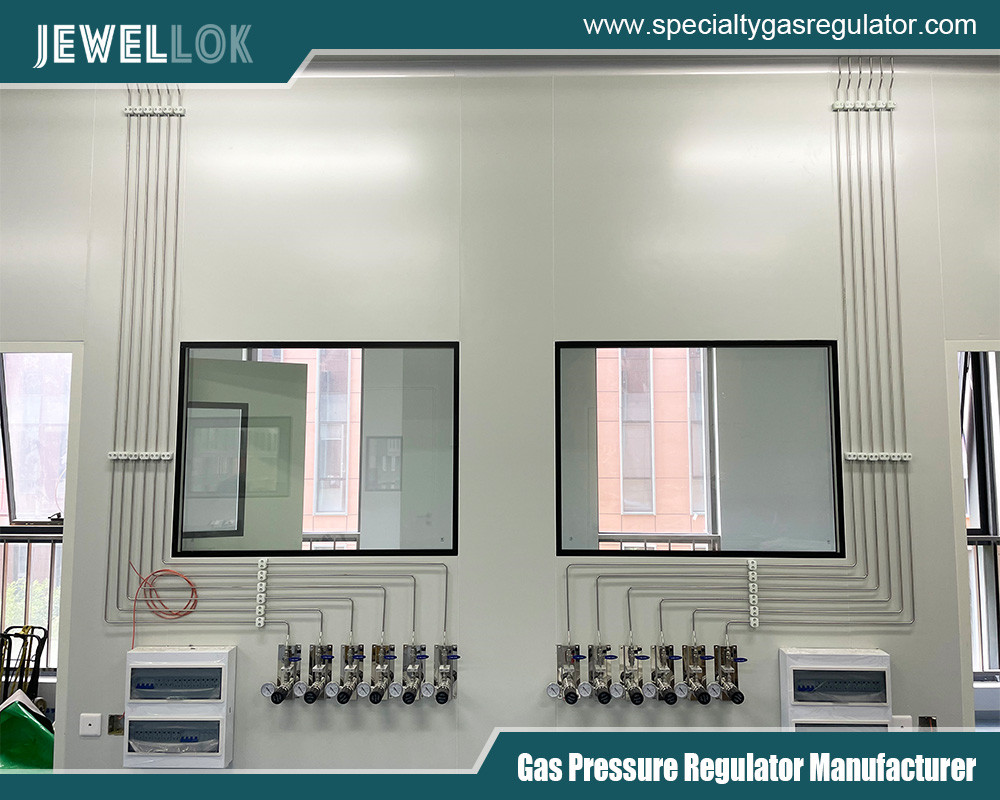
Diaphragm Valves
1. Working Principle
A diaphragm valve employs a flexible, elastomeric (e.g., EPDM, Silicone) or PTFE diaphragm as the sealing and isolating element. The diaphragm is mechanically actuated—typically via a handwheel or knob—which pushes a compressor or stem onto the diaphragm, forcing it downwards to seal against a weir or seat at the bottom of the valve body. This action pinches the flow path closed. In the open position, the diaphragm retracts fully, creating an unobstructed, smooth flow path.
2. Advantages in Medical Gas Applications
-
Superior Containment and Purity: The primary advantage is the complete isolation of the valve bonnet and actuation mechanism from the gas stream. The diaphragm acts as a physical barrier, preventing any lubricants, particulates, or metallic wear debris from contaminating the high-purity gas. This is paramount for medical gases.
-
Leak-Tightness: Offers excellent bubble-tight shut-off, crucial for preventing cross-connections or leakage of life-supporting gases.
-
Cleanability and Sterility: The straight-through flow path in weir-type designs minimizes areas for stagnation and particle entrapment. The diaphragm and body can be designed for clean-in-place (CIP) or steam-in-place (SIP) processes, relevant for certain medical manufacturing applications, though less so for fixed pipelines.
-
Maintenance-Friendly: The bonnet can often be serviced (diaphragm replacement) without removing the valve body from the pipeline, maintaining system integrity.
-
No Internal Lubrication: Eliminates the risk of oil vapor contamination, a critical requirement per medical standards.
3. Disadvantages
-
Pressure and Temperature Limitations: The strength of the diaphragm material defines operational limits. Elastomeric diaphragms are generally unsuitable for very high pressures or extreme temperatures. PTFE diaphragms offer better chemical resistance but may have different mechanical properties.
-
Flow Characteristics: Typically, diaphragm valves are not ideal for high-flow, low-pressure drop applications compared to full-bore alternatives. The weir can create some restriction.
-
Diaphragm Fatigue: The flexing action is a wear mechanism. The diaphragm is a consumable part and requires periodic preventive replacement based on cycle life to avoid catastrophic failure.
-
Cost: Generally more expensive than standard ball valves, though often comparable to high-purity bellows valves.
Bellows Valves
1. Working Principle
A bellows valve utilizes a hermetically sealed, metallic (usually stainless steel) bellows assembly welded to the valve stem and the body. As the handwheel is turned, the stem moves linearly, and the welded bellows expands or contracts, transmitting the motion to the valve plug or seat while maintaining a dynamic, metal-to-metal seal. This creates a double seal: one at the primary seat and a second where the bellows is sealed to the body.
2. Advantages in Medical Gas Valve Applications
-
Hermetic Seal: The metal bellows provides a formidable secondary containment, offering an extremely high level of leak-tightness to the atmosphere (often rated as <1×10⁻⁸ atm cc/sec He). This is essential for detecting leaks in critical vacuum systems or containing hazardous/expensive gases.
-
Zero Packing Leakage: Unlike gland-packed valves, bellows valves have no dynamic stem seal (packing) that can wear and leak. This eliminates a major source of fugitive emissions and maintenance.
-
Durability and High-Pressure/High-Temperature Suitability: The all-metal construction (bellows, stem, body) makes these valves robust for higher pressure and temperature services compared to elastomeric-sealed valves.
-
Suitability for Critical and Hazardous Gases: Their exceptional containment makes them the valve of choice for highly toxic or asphyxiant gases sometimes used in medical-specialty applications (e.g., laboratory gases, certain anesthetic gas mixtures) where even minute leakage is unacceptable.
3. Disadvantages
-
Cost: They are the most expensive option among the three, due to the precision manufacturing of the bellows assembly.
-
Bellows Fatigue: The metal bellows is subject to cyclic fatigue. Its life is finite and must be considered based on cycle count and stroke length. Catastrophic bellows failure, while rare with proper design, is a consideration.
-
Potential for Internal Contamination: Unlike the diaphragm, the bellows does not isolate the stem mechanism from the gas stream. Wear debris from the stem threads or actuator could theoretically enter the flow path, though high-quality designs minimize this.
-
Limited Stroke and Flow Coefficient: The bellows design constraints can limit stem travel, potentially affecting flow capacity (Cv) compared to a ball valve.
-
Complex Repair: Repairing a failed bellows assembly is often not field-serviceable; the entire cartridge or valve may need replacement.
Ball Valves
1. Working Principle
A ball valve controls flow using a rotating ball with a bore through its center. A 90-degree turn of the actuator aligns the bore with the pipeline (open) or positions the solid ball wall across it (closed). In medical gas service, they are almost exclusively used in the full-port (full-bore) configuration to minimize pressure drop and are equipped with rising stem or visual indicator handles to clearly show open/closed status—a safety requirement per standards.
2. Advantages in Medical Gas Applications
-
Excellent Flow Capacity & Low Pressure Drop: Full-port ball valves provide a virtually unimpeded flow path, minimizing pressure loss, which is beneficial for maintaining terminal outlet pressures.
-
Quick Operation & Clear Position Indication: A simple 90-degree operation allows for rapid shut-off. The mandated rising stem or lever indicator provides unambiguous visual confirmation of valve status—a critical safety feature.
-
Robustness and Simplicity: The simple quarter-turn mechanism with minimal moving parts offers high reliability and long service life for on/off duty.
-
Cost-Effectiveness: Generally the most economical choice for standard on/off isolation applications.
-
Good Sealing: When equipped with high-quality PTFE or reinforced polymer seats, they provide very reliable bubble-tight shut-off.
3. Disadvantages
-
Stagnation Zones and Cleanability: The cavity around the ball (in standard designs) can trap moisture, particulates, or microbial growth—a significant concern for gas purity. “Cavity-filler” or “free-floating ball” designs exist to mitigate this but add cost.
-
Risk of Internal Contamination: Wear debris from the ball/seat interface and, more importantly, potential lubricant migration from the stem seals (packing) can contaminate the gas stream. Medical gas ball valves must use cleanroom assembly and medical-grade, non-migrating lubricants sparingly.
-
Stem Seal Leakage (Fugitive Emissions): The dynamic stem seal (packing) is a potential point of leakage to the atmosphere over time, requiring periodic maintenance/tightening. This is less desirable than the hermetic seal of a bellows or the isolated seal of a diaphragm.
-
Not Ideal for Throttling: Throttling (flow control) with a ball valve can cause cavitation, uneven seat wear, and is generally discouraged in precision medical systems.
Comparative Summary and Selection Guidelines
| Feature | Diaphragm Valve | Bellows Valve | Ball Valve |
|---|---|---|---|
| Primary Sealing Mechanism | Elastomeric/PTFE Diaphragm | Metallic Bellows + Seat | Rotating Ball on Polymer Seat |
| Contamination Risk (Gas Stream) | Very Low (Full Isolation) | Low-Moderate (No Stem Isolation) | Moderate (Cavities, Stem Lubricant Risk) |
| Leakage to Atmosphere | Very Low (via diaphragm seal) | Extremely Low (Hermetic Bellows) | Moderate (via stem packing) |
| Flow Capacity (Cv) | Moderate (Restricted by Weir) | Moderate | High (Full-Port) |
| Pressure/Temp Rating | Moderate (Diaphragm Limited) | High (All-Metal) | High |
| Maintenance Cycle | Diaphragm Replacement | Bellows Life / Unit Replacement | Stem Packing Adjustment/Seat Replacement |
| Cyclic Fatigue Concern | Diaphragm Fatigue | Bellows Fatigue | Minimal |
| Cost | Medium-High | High | Low-Medium |
| Ideal Medical Application | General MGPS isolation, purity-critical outlets, zone valves. | Critical/hazardous gas lines, vacuum systems, high-pressure sources, R&D labs. | Main line isolation, branch shut-offs, non-critical points with clear visual indication required. |
Selection Guidelines:
-
For General Patient Outlets (Wall Units, Ceiling Pendants): Diaphragm valves are often the preferred choice due to their optimal balance of purity assurance, reliable sealing, and maintenance simplicity. They are the de facto standard for terminal units in many regions.
-
For Main Line Isolation, Manifolds, and Zone Valves: Ball valves (full-port, with rising stem) are commonly used for their excellent flow, clear indication, and cost-effectiveness for larger pipe sizes where frequent operation is not required. Diaphragm valves are also strong contenders here, especially where purity is paramount.
-
For Medical-Surgical Vacuum (MSV) Systems: Bellows valves are highly recommended, particularly for critical isolation. Their hermetic seal is vital for maintaining vacuum integrity and accurately leak-testing the system.
-
For Source Equipment & High-Pressure/Laboratory Gases: Bellows valves excel in containing high-pressure gases and hazardous specialty gases. Diaphragm valves may be used for lower-pressure sources like medical air compressors.

Conclusion
There is no single “best” valve for all medical gas valve applications. The choice hinges on a careful risk-benefit analysis aligned with the specific system function.
-
Diaphragm Valves offer the most robust protection against internal contamination and are the workhorse for point-of-care applications.
-
Bellows Valves provide unparalleled containment against external leakage and are the gold standard for the most critical and hazardous services.
-
Ball Valves deliver cost-effective, high-flow isolation with excellent visual indication, suitable for main distribution lines where cavity-related risks can be managed.
Adherence to relevant standards (ISO, HTM, NFPA 99) is non-negotiable. Ultimately, the selection must prioritize patient safety by ensuring gas purity, system integrity, and reliable operation throughout the lifecycle of the medical gas pipeline system. A hybrid approach, utilizing each valve type where its strengths are most beneficial, often yields the safest and most efficient medical gas distribution network.
For more about comparative analysis of diaphragm valves, bellows valves, and ball valves in medical gas valve applications, you can pay a visit to Jewellok at https://www.specialtygasregulator.com/product-category/ultra-high-purity-diaphragm-valves/ for more info.
-
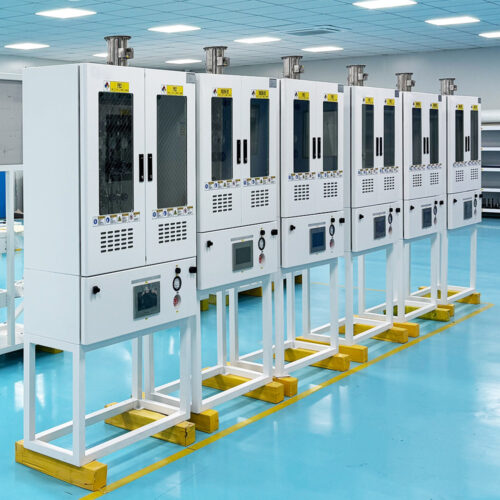
Integrated Gas Cabinets and Exhaust Gas Scrubber System for Ammonia and Hydrogen Chloride Industrial Emission Control
-
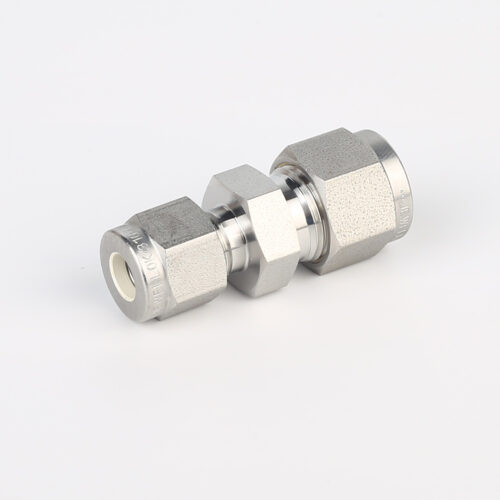
763L Stainless Steel High Purity Pressure Reducing Union Fittings And Tubing Pressure Reducing Valve Adjustment
-
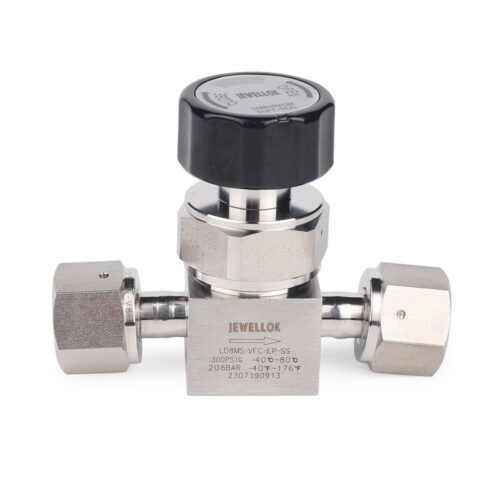
Flow Control Stainless Steel Low Pressure Manual Diaphragm Valve For High Purity And Ultra High Purity Gases
-
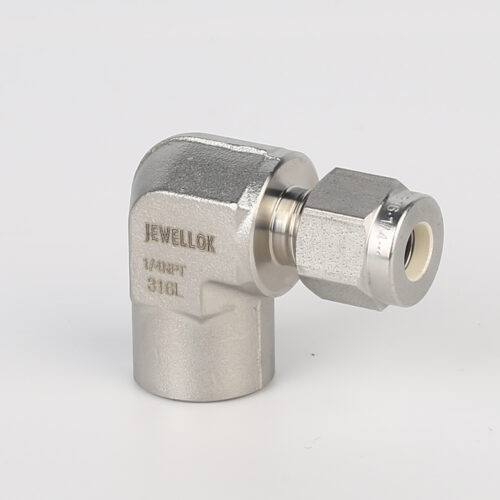
770L Female Elbow | Stainless Steel High Purity Weld Fittings Female Micro Elbow Fittings
-
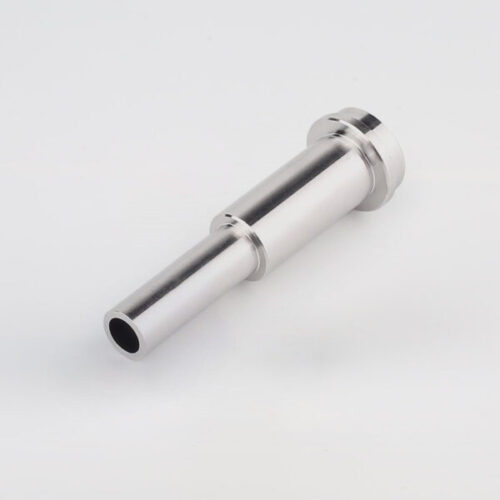
Long Gland LG Series For Ultra High Purity Gas And Chemical Delivery Systems
-
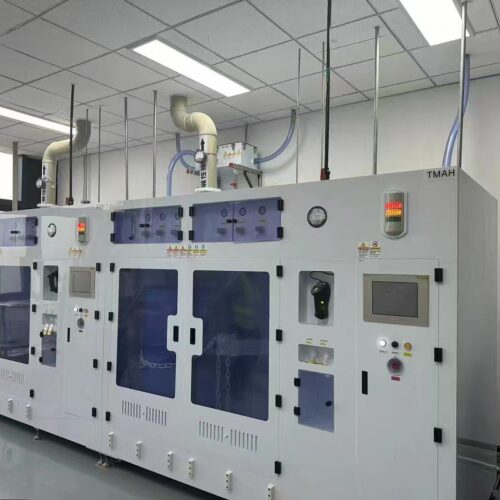
Liquid Bulk Chemical Delivery System with Automatic Chemical Dispense Unit (CDU) Featuring 316L Electropolished Stainless Steel Piping Components
-
Vertical Laminar Flow Workstation (VLF) With Chemical Concentration Monitor
-
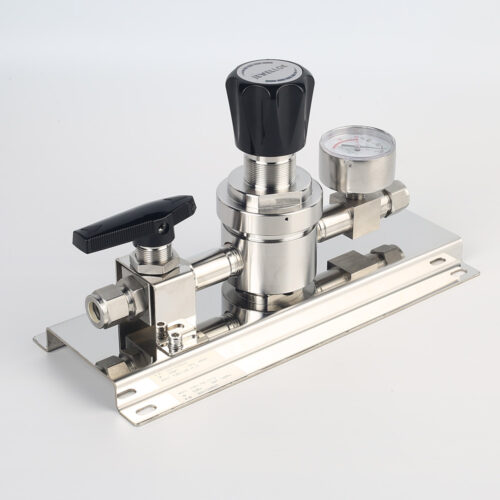
High Purity And Industria Gas Stick Assemblies Precise Pressure Control Gas Systems JSR-1ETG-BV Series