
Regulator Manufacturer Tel: +86 13380377051
Regulator Manufacturer Tel: +86 13380377051

Trimethylaluminum (TMA, Al(CH₃)₃) stands as one of the most indispensable yet hazardous precursor gases in modern semiconductor manufacturing, particularly in atomic layer deposition (ALD) and chemical vapor deposition (CVD) processes. As the primary aluminum source for high-k dielectric layers, metal gate electrodes, and diffusion barriers, TMA plays a fundamental role in constructing the nanoscale architecture of advanced integrated circuits. However, this metal-organic compound presents a unique combination of extreme hazards—pyrophoricity, toxicity, high reactivity, liquid-phase storage requirements, and thermal sensitivity—that collectively demand specialized fluid control solutions. At the heart of every safe and precise TMA delivery system lies a component of paramount importance: the TMA regulator. This device, responsible for reducing and stabilizing pressure while maintaining absolute purity, must be meticulously engineered to address the extraordinary challenges posed by this aggressive chemical. This article explores the distinctive characteristics of TMA and details the specific design features that a TMA regulator must incorporate to ensure safety, precision, process integrity, and operational longevity in semiconductor fabs and advanced materials research facilities.
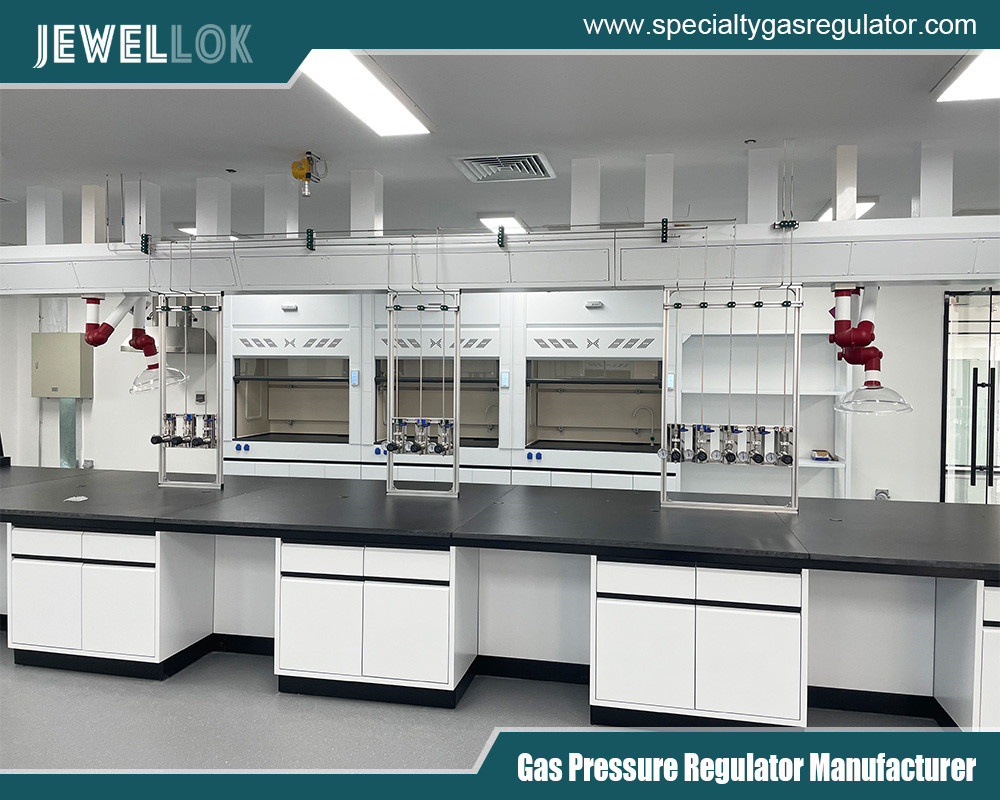
The Unique and Extreme Characteristics of Trimethylaluminum (TMA)
To comprehend why conventional gas regulators are catastrophically inadequate for TMA service, one must first fully appreciate the gas’s extreme physical and chemical behavior. TMA represents perhaps the most demanding challenge in specialty gas handling.
1. Pyrophoricity and Explosive Hydrolysis
The most immediately dangerous characteristic of TMA is its extreme pyrophoric nature. Upon exposure to air, TMA ignites spontaneously and violently, combusting to form aluminum oxide, carbon dioxide, and water. Even more hazardous is its reaction with water or moisture—TMA undergoes explosive hydrolysis, generating intense heat and methane gas. This means that any leak, no matter how minuscule, poses immediate risks of fire, explosion, and personnel injury. This characteristic fundamentally dictates that any TMA regulator must achieve absolute physical isolation from the atmospheric environment, with sealing integrity far exceeding industrial gas standards.
2. Liquid Storage with Vapor Delivery Requirements
At room temperature, TMA exists as a colorless, transparent liquid with a boiling point of 127°C. In semiconductor manufacturing, it is typically stored in liquid form within specialized cylinders or ampoules, often employing bubbler technology for vaporization. The delivery system must maintain TMA in vapor phase without condensation, requiring precise thermal management throughout the gas path. A TMA regulator must therefore handle not only vapor-phase media but also contend with upstream conditions that prevent condensation before the valve inlet. Furthermore, throttling-induced cooling or ambient thermal loss can cause TMA to recondense within the regulator, potentially blocking精密 flow passages and disrupting process stability.
3. The “Memory Effect” and Particulate Generation
TMA exhibits extreme chemical reactivity toward surface functionalities. During vapor transport, TMA molecules react irreversibly with any hydroxyl groups (-OH) or residual moisture present on internal surfaces of piping and valves. This reaction produces non-volatile, solid aluminum-methyl-oxygen polymers that gradually accumulate on surfaces. This phenomenon, known as the “memory effect” or “surface conditioning effect,” creates multiple operational problems:
-
Flow Path Modification: Accumulated deposits alter critical flow dimensions, compromising pressure and flow control accuracy over time.
-
Particulate Contamination: Deposits can detach and become deadly particle contaminants directly causing semiconductor device failures.
-
Process Drift: The conditioning process changes delivery characteristics until surfaces become fully passivated, leading to inconsistent precursor doses during initial operation.
This behavior mandates that TMA regulator internal surfaces possess extreme smoothness, chemical inertness, and minimal reactive sites.
4. Aggressive Material Reactivity
As a powerful Lewis acid, TMA reacts aggressively with many common materials, particularly oxygen-containing and nitrogen-containing polymers. Conventional elastomeric seals—such as Buna-N, Viton, or even many perfluoroelastomers—undergo rapid degradation, swelling, and eventual catastrophic failure when exposed to TMA. This reactivity extends to hydrocarbon-based lubricants, greases, and even some metal alloys under certain conditions. Consequently, TMA regulator design must fundamentally reconsider material selection, often eliminating organic materials entirely from the wetted gas path.
5. Thermal Instability and Ultra-High Purity Requirements
TMA undergoes thermal decomposition at elevated temperatures, potentially generating unwanted byproducts and contaminating delivered precursor purity. Semiconductor-grade TMA demands extraordinarily strict control over metallic impurities—sodium, potassium, iron, and other metals must typically be controlled to parts-per-billion (ppb) levels or below. This purity requirement extends to every component in the delivery path: any material that can outgas, corrode, or shed particles becomes an unacceptable contamination source. A TMA regulator must therefore be constructed from materials that not only resist chemical attack but also contribute no detectable contamination to the gas stream.
6. Safety and Toxicity Considerations
Beyond pyrophoricity, TMA presents significant toxicity hazards requiring comprehensive safety engineering. The compound and its combustion byproducts require careful handling and abatement. Any venting or maintenance activity must route exhaust gases to properly designed scrubber systems or burn boxes capable of neutralizing pyrophoric and toxic effluents. This places additional demands on TMA regulator systems to interface safely with facility safety infrastructure.
Required Features of a High-Performance TMA Regulator
Given these extraordinary challenges, a regulator designed for TMA service must transcend conventional pressure control paradigms. Whether for 300mm semiconductor manufacturing, research-scale ALD systems, or MOCVD applications, the following features are indispensable for a TMA regulator.
1. Absolute Sealing: Materials and Structural Architecture
The foundational requirement for any TMA regulator is achieving absolute containment—zero detectable leakage to atmosphere and zero internal leakage when closed.
All-Metal Gas Path Design: For TMA service, organic materials in contact with the process gas represent unacceptable risk. High-performance regulators employ completely metal-sealed gas paths:
-
Static Seals: Traditional elastomeric gaskets are eliminated entirely. Connections utilize metal surface seals such as VCJ, VCO, or advanced metal C-seal configurations. These seals achieve leak-tightness through metal-to-metal line or surface contact under ultra-high clamping force, creating plastic deformation that completely prevents permeation.
-
Dynamic Sealing: Dual bellows isolation technology represents the gold standard for stem sealing. Two concentric 316L stainless steel or Hastelloy bellows completely isolate valve stem motion from the process gas. This design accomplishes two critical objectives: zero leakage through the dynamic seal, and catastrophic failure protection—should the inner bellows rupture, the outer bellows maintains system containment.
-
Welded Construction: For ultimate reliability, premium regulators employ fully welded body and bonnet assemblies, eliminating all potential bolted flange leak paths.
Bellows Integrity Verification: Advanced designs incorporate monitoring ports between dual bellows, allowing real-time pressure monitoring to detect inner bellows failure before outer containment is compromised.
2. Surface Engineering for Ultra-High Purity and Inertness
Given TMA’s extreme surface reactivity, internal surface quality becomes critical for both purity maintenance and operational stability.
Electropolishing (EP): All gas-wetted internal surfaces must undergo mirror-grade electropolishing, achieving surface roughness Ra ≤ 0.1 μm. This ultra-smooth finish:
-
Dramatically reduces surface area available for TMA adsorption and reaction
-
Minimizes sites where deposits can nucleate and accumulate
-
Facilitates more effective purging and cleaning
-
Enhances corrosion resistance by optimizing the chromium oxide passive layer
Surface Passivation and Coatings: Beyond polishing, advanced surface treatments prove essential:
-
In-situ Passivation: Before initial operation or after maintenance, controlled introduction of dilute TMA or alternative passivation agents can form a stable monolayer passivation film on pristine surfaces, significantly suppressing subsequent memory effects.
-
ALD Barrier Coatings: State-of-the-art designs employ atomic layer deposition to coat internal surfaces with aluminum oxide or aluminum nitride thin films, creating perfectly inert barriers that eliminate surface reactivity entirely.
Minimal Dead Volume: Internal volume must be minimized to reduce gas residence time, minimize precursor waste, and facilitate rapid, complete purging during cylinder changeovers or maintenance procedures.
3. Precision Thermal Management
Temperature control represents a critical enabling technology for reliable TMA regulator operation.
Integrated Heating Systems: Premium regulators incorporate comprehensive heating jackets—typically electric—capable of maintaining precise, uniform temperature control across the entire valve body. Setpoints are typically maintained 10-20°C above TMA vapor dew point (commonly 40-60°C for typical delivery conditions) to prevent any condensation risk. Critical requirements include:
-
Uniform Heating: Eliminate cold spots where condensation could initiate
-
Controlled Heating: Prevent localized overheating that could induce thermal decomposition
-
Thermal Isolation: Stem and actuator regions may require isolation to prevent heat migration affecting control component stability or damaging sensitive instrumentation.
4. Precision Pressure Control for ALD Applications
The demanding requirements of modern atomic layer deposition processes place extraordinary demands on TMA regulator performance.
Ultra-High Precision Regulation: ALD processes require stable, repeatable precursor pulses delivered at precise pressures—often in the range of hundreds of Pa to tens of kPa. Regulators must maintain setpoint pressure regardless of inlet pressure decay (as source cylinders deplete) or downstream flow interruptions. Pilot-operated designs combining sensitive pilot regulation with high-flow main valves offer optimal combinations of precision and response speed.
Fast Response for Pulsed Operation: In ALD systems, downstream high-speed valves (such as piezoelectric valves) cycle rapidly, creating transient flow conditions. The upstream TMA regulator must respond quickly enough to maintain stable pressure despite these pulsations, ensuring consistent precursor dose delivery cycle after cycle.
Minimal Droop and Lockup: High-performance regulators minimize droop (pressure decay under flow) and lockup (pressure rise at zero flow), ensuring delivered pressure remains within tight tolerances across all operating conditions.
5. Integrated Intelligent Monitoring and Safety Interlocks
Modern semiconductor manufacturing demands comprehensive, real-time monitoring and automated safety responses.
Multi-Parameter Sensor Integration: Advanced TMA regulator systems integrate pressure sensors (inlet and outlet), temperature sensors (body and heating), and valve position sensors. Real-time data transmits via analog signals or digital fieldbuses (DeviceNet, PROFINET, etc.) to equipment controllers and facility monitoring systems.
Active Leak Detection:
-
Bellows Isolation Chamber Monitoring: Continuous pressure monitoring between dual bellows provides immediate warning of inner bellows degradation.
-
Stem Area Purge Monitoring: Inert purge gas flow and composition monitoring around stem seals provides indirect seal integrity verification.
Fail-Safe Design: Regulators employ spring-return fail-close actuation, ensuring automatic gas isolation on power loss or control signal failure.
Exhaust Gas Interlocking: Valve status integrates with facility scrubber or burn box systems, ensuring all exhausted gases receive appropriate treatment before atmospheric release.
6. Semiconductor-Grade Materials and Certification
TMA regulator construction must meet the semiconductor industry’s most demanding standards.
Material Purity: Body materials utilize low-carbon 316L VIM-VAR (Vacuum Induction Melting – Vacuum Arc Remelting) stainless steel, ensuring minimal impurity content. Critical components may employ nickel-based alloys for enhanced corrosion resistance.
Cleanroom Assembly: Manufacturing and assembly occur in Class 10 or better cleanroom environments, with rigorous particle control throughout.
Comprehensive Testing: Before shipment, regulators undergo:
-
High-pressure, high-purity nitrogen blow-down cleaning
-
Helium leak testing to <1×10⁻⁹ Pa·m³/s standards
-
Particle testing per SEMI F73 specifications
-
Moisture and oxygen outgassing verification
Standards Compliance: Design and manufacture follow applicable SEMI standards for gas delivery systems, with optional CE and SEMI S2 safety certifications available.
Application and Lifecycle Management
System Integration in ALD Tools
In semiconductor ALD equipment, the TMA regulator typically functions as part of the precursor delivery module. The operating sequence illustrates its critical role:
-
Carrier Gas Flow: High-purity nitrogen or argon flows through the TMA bubbler, entraining saturated TMA vapor.
-
Pressure Stabilization: The carrier gas containing TMA enters the TMA regulator, where pressure is precisely stabilized at the process setpoint (e.g., 30 kPa).
-
Pulsed Injection: Downstream high-speed switching valves open and close according to ALD cycle recipes, injecting stable-pressure TMA pulses into the reaction chamber.
-
Purging: Between pulses, inert gas purges the delivery lines, preparing for subsequent cycles.
Throughout this sequence, regulator pressure stability directly determines the consistency of TMA dose per pulse—the fundamental factor governing film uniformity and repeatability across thousands of deposition cycles.
Installation Best Practices
Proper installation proves critical for safe, reliable TMA regulator operation:
-
Environment: Installation must occur in ultra-clean environments by personnel trained in specialty gas and semiconductor tool protocols.
-
Pre-connection Preparation: All upstream and downstream lines must undergo rigorous inert gas purging and leak checking before regulator connection.
-
Thermal Management Verification: Heating power and temperature sensor connections must be verified for correct operation before process gas introduction.
Commissioning and Passivation
Initial system startup requires meticulous attention:
-
Extended Purge: System purging with inert gas continues until moisture and oxygen levels fall to ppb concentrations.
-
In-situ Passivation: Controlled introduction of dilute TMA or alternative passivation agents forms stable protective layers on internal surfaces.
-
Performance Verification: Pressure stability and response time verification under simulated process conditions.
Operational and Maintenance Considerations
TMA regulator management continues throughout the equipment lifecycle:
-
Automated Operation: Systems operate exclusively through programmed control sequences, eliminating manual intervention during production.
-
Condition Monitoring: Continuous data monitoring identifies pressure fluctuations or temperature deviations before they affect processes.
-
Predictive Maintenance: Maintenance scheduling based on operating hours, cycle counts, and performance trends optimizes availability while preventing failures.
-
Professional Maintenance: Any regulator servicing must occur in controlled environments, potentially requiring specialized clean-in-place (CIP) procedures using compatible solvents or plasma cleaning.
-
Certified Replacement Parts: Only manufacturer-certified spare parts—particularly bellows and seal assemblies—should be used for repairs.
Decommissioning Considerations
When TMA regulator removal becomes necessary, proper decommissioning protects personnel and facilities:
-
Thorough inert gas purging and evacuation cycles remove residual TMA before any disconnection.
-
Purged regulators are sealed with protective caps and handled as hazardous waste.
-
All exhaust gases route through facility abatement systems throughout decommissioning.
Conclusion
The TMA regulator represents far more than a simple pressure control device—it embodies a sophisticated systems engineering solution addressing the intersection of extreme chemistry, ultra-high purity requirements, precision fluid dynamics, and absolute safety imperatives. The unique challenges posed by trimethylaluminum—its pyrophoric ignition upon air exposure, explosive hydrolysis, liquid storage requirements, aggressive surface reactions, thermal sensitivity, and ppb-level purity demands—necessitate regulators specifically engineered to manage these extraordinary characteristics.
Selecting the appropriate TMA regulator demands comprehensive evaluation of process parameters, safety requirements, purity specifications, and control integration needs. By prioritizing features such as all-metal gas path construction, dual-bellows isolation, ultra-smooth electropolished surfaces, precision thermal management, and integrated intelligent monitoring, semiconductor manufacturers and research institutions can ensure not only process efficiency and repeatability but also the absolute safety of personnel and facilities. The right TMA regulator transforms one of semiconductor manufacturing’s most hazardous materials into a reliable, precisely controlled process tool—enabling the continued advancement of atomic-scale thin film engineering that drives modern microelectronics.
For more about The Critical Role of the TMA Regulator: Understanding Gas Characteristics and Required Valve Features, you can pay a visit to Jewellok at https://www.specialtygasregulator.com/ for more info.
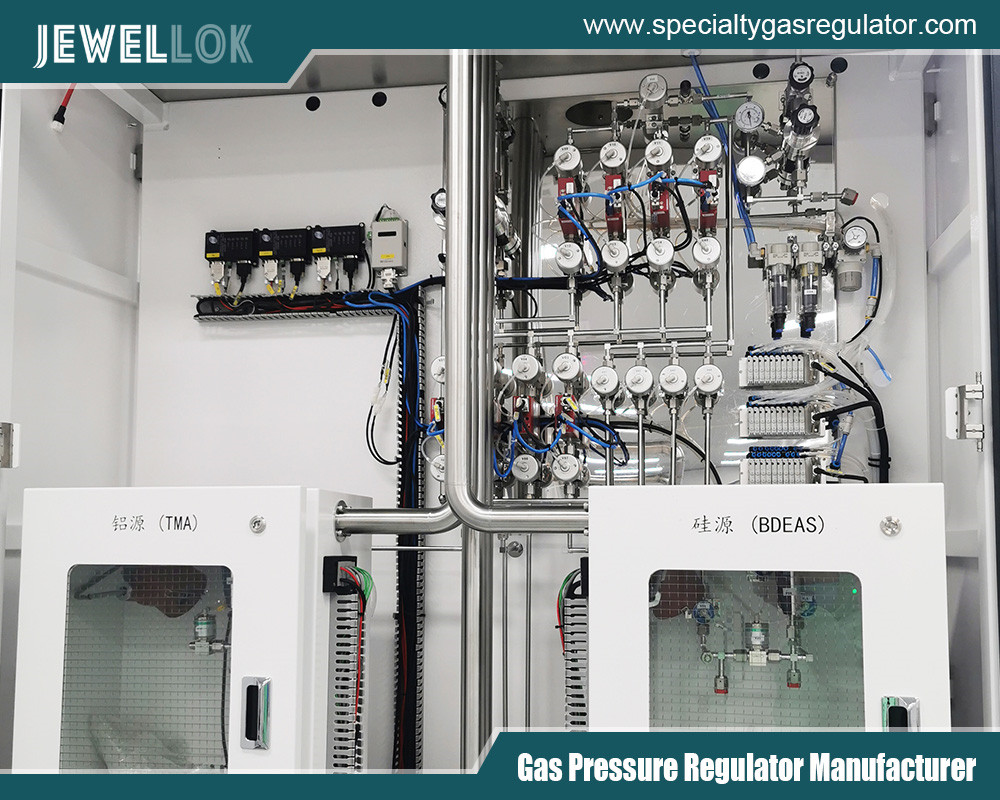
-
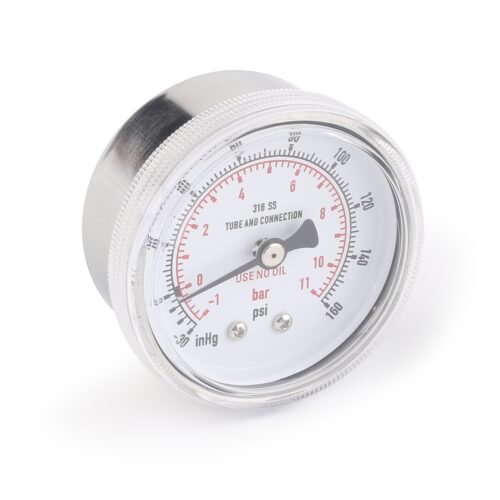
Ultra High Purity Pressure Gauge For Laboratory And Semiconductor JR Series
-
Precision Stainless Steel Valve Manifold Panel for Inert Gas Distribution in Cleanroom Manufacturing Environments
-
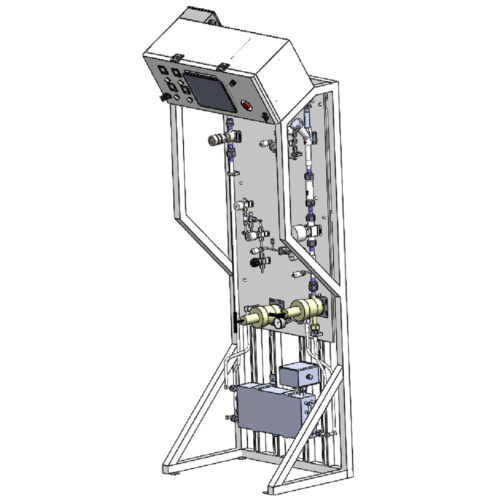
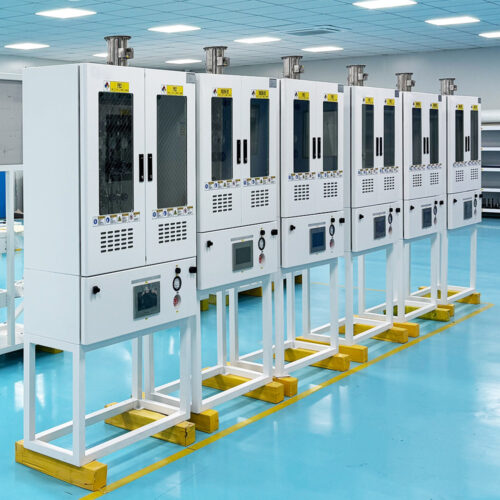
High Purity High Pressure Specialty Gas Bottle Gas Cylinder Storage Cabinet And Gas Pressure Regulating Cabinet For Semiconductor
-
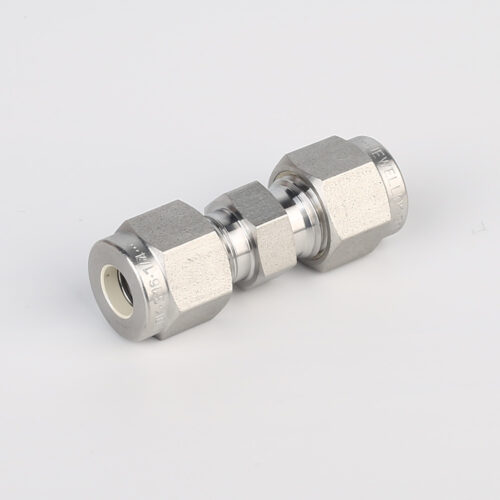
762L Stainless Steel High Purity Union High-Purity Gas System Fittings
-
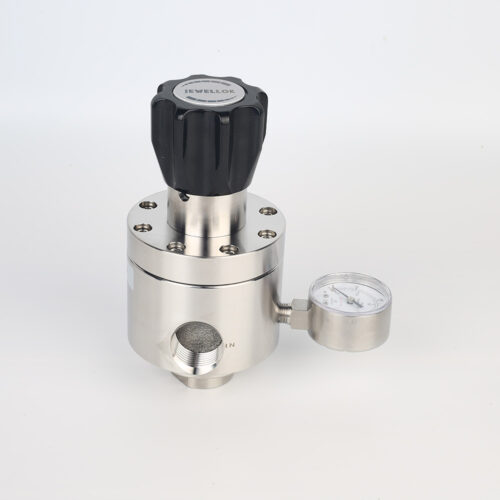
Low Pressure High Flow Line Pressure Regulators And Control Valves JSR-4L Series For Laboratory Pressure Control
-
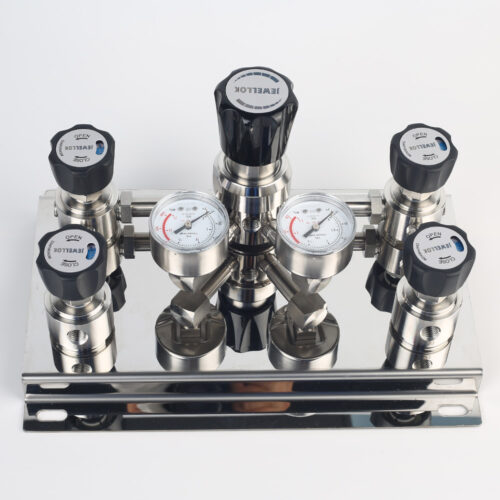
Single Stage Wall And Cabinet Mounting Pressure Control Panels JSP-2E Series For High Purity Gases
-
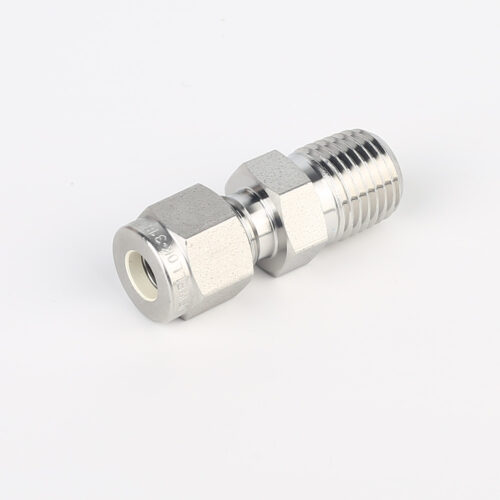
768L Stainless Steel Male Tube Butt Weld Connector | Clean Weld Fittings And Ultra-High Purity Fittings
-
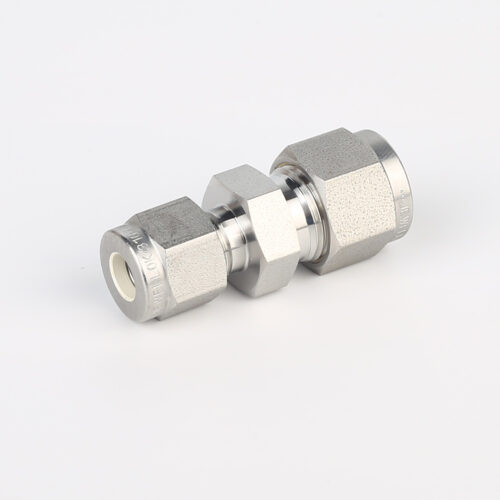
763L Stainless Steel High Purity Pressure Reducing Union Fittings And Tubing Pressure Reducing Valve Adjustment