
Regulator Manufacturer Tel: +86 13380377051
Regulator Manufacturer Tel: +86 13380377051
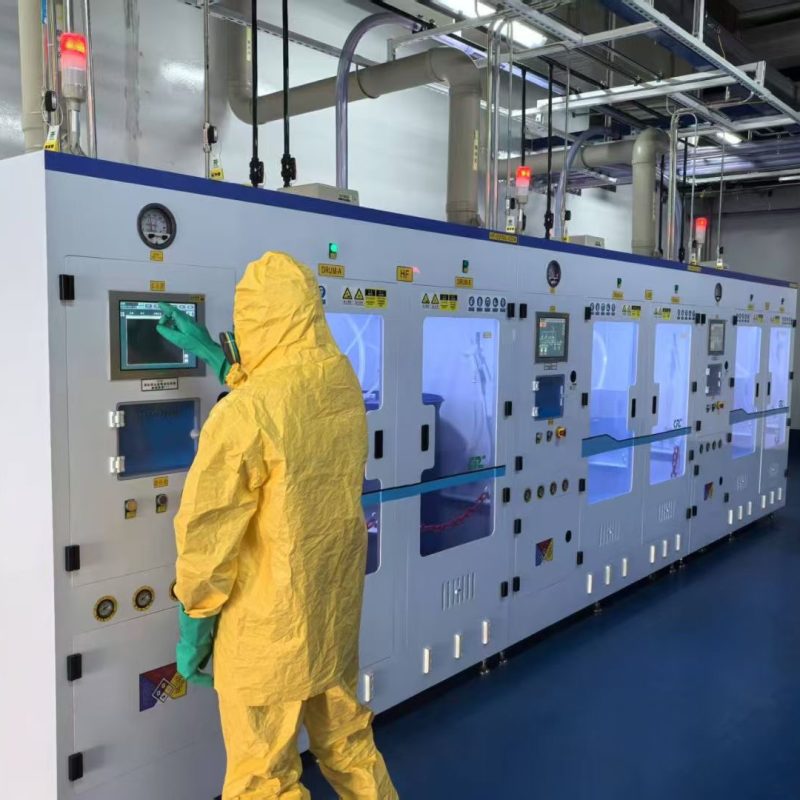
Odor Control Scrubbers in Wastewater Treatment Plants: Principles, Technologies, and Operational Strategies
Wastewater Treatment Plants (WWTPs) are critical infrastructure for public health and environmental protection. However, the very nature of their purpose—the collection and treatment of sewage—makes them a significant source of unpleasant and potentially hazardous odors. These odors, primarily composed of hydrogen sulfide (H₂S), ammonia (NH₃), and various volatile organic compounds (VOCs), are not merely a public nuisance. They can lead to community complaints, health concerns for workers, and accelerated corrosion of plant equipment and infrastructure.
To mitigate these issues, WWTPs employ a variety of odor control technologies, with gas-phase scrubbers standing out as one of the most effective and widely adopted solutions. This article provides a detailed technical overview of odor control scrubbers used in WWTPs, exploring the sources of odors, the fundamental principles of scrubbing, the main types of systems available, design considerations, and operational best practices.
1. The Source and Nature of WWTP Odors
Understanding the enemy is the first step in effective combat. Odors in a WWTP are generated during the anaerobic (oxygen-free) decomposition of organic matter containing sulfur and nitrogen. The primary culprits include:
-
Hydrogen Sulfide (H₂S): The most notorious odorant, characterized by a “rotten egg” smell. It is produced by sulfate-reducing bacteria in anaerobic conditions, common in sewers, headworks, and sludge handling. H₂S is toxic, corrosive, and has an extremely low odor threshold.
-
Ammonia (NH₃): A sharp, pungent gas resulting from the decomposition of urea and other nitrogenous compounds. It is highly water-soluble and prevalent in sludge processing and dewatering areas.
-
Mercaptans (R-SH): Organic sulfur compounds added to natural gas as an odorant, but also produced biologically. They have a pungent, garlic-like or skunky odor.
-
Volatile Organic Compounds (VOCs): A broad class of chemicals that can produce a range of odors, from solvent-like to rancid. They are often present in industrial discharges and during biological processes.
-
Amines and Skatole: Organic compounds associated with decaying organic matter, contributing to the overall complex odor profile.
The concentration and mixture of these compounds vary greatly depending on the source within the plant. Headworks, primary clarifiers, and sludge handling facilities are typically the most intense odor sources, requiring robust and tailored treatment strategies.
2. The Principle of Scrubbing: Mass Transfer
At its core, an odor control scrubber is a device designed to transfer gaseous pollutants into a liquid phase (usually water or a chemical solution). This process, known as gas absorption or mass transfer, is governed by fundamental physical and chemical principles.
The driving force for absorption is the difference between the partial pressure of the contaminant in the gas phase and its equilibrium partial pressure above the liquid phase. By creating a large interfacial surface area between the gas and liquid, and by maintaining a concentration gradient, scrubbers facilitate the efficient removal of odorants.
Key parameters influencing mass transfer include:
-
Solubility: The inherent ability of a gas to dissolve in a liquid. H₂S and NH₃ are relatively soluble, making them good candidates for scrubbing.
-
Contact Time: The duration the gas is in contact with the scrubbing liquid. Longer contact time generally improves removal efficiency.
-
Interfacial Surface Area: Maximizing the surface area for gas-liquid contact is crucial. This is achieved through the use of engineered packing media or high-energy spray nozzles.
-
Chemical Enhancement: This is a critical factor. By adding reactive chemicals to the scrubbing liquid (e.g., sodium hydroxide or sodium hypochlorite), the absorbed pollutant is rapidly converted into a non-volatile, soluble salt. This reaction consumes the absorbed molecule, effectively reducing its partial pressure in the liquid to near zero and maximizing the driving force for further absorption.
3. Major Types of Odor Control Scrubbers
WWTPs utilize several types of scrubbers, each with its own advantages and ideal applications. The three most common are chemical scrubbers, biotrickling filters, and activated carbon adsorbers (often used in series).
3.1. Chemical Scrubbers (Wet Chemical Scrubbers)
This is the most traditional and widely used technology for high-concentration, variable-load odor streams, particularly for H₂S removal. They are typically multi-stage packed-bed towers.
-
Working Principle: Odorous air is introduced at the bottom of a vertical tower and flows upward through a bed of randomly packed or structured plastic media. Simultaneously, a recirculating chemical solution is sprayed from the top, trickling down through the packing. The packing material breaks the liquid into thin films and droplets, creating a vast surface area for contact. The chemical reaction neutralizes the odorous compounds.
-
Common Chemistry:
-
Stage 1 (Caustic Scrub): A solution of sodium hydroxide (NaOH) is used to absorb and neutralize H₂S. The reaction is:
H2S(g)+2NaOH(aq)→Na2S(aq)+2H2O
This stage is also effective for absorbing other acidic gases.
-
Stage 2 (Oxidizing Scrub): A solution of sodium hydroxide and sodium hypochlorite (NaOCl, bleach) is used to oxidize remaining reduced sulfur compounds (like mercaptans) and provide a final polish. The reaction for H₂S is more complete, oxidizing it to sulfate:
H2S+4NaOCl+2NaOH→Na2SO4+4NaCl+2H2O
For ammonia removal, an acid scrub (e.g., using sulfuric acid, H₂SO₄) may be employed in a separate stage:
2NH3+H2SO4→(NH4)2SO4(aq)
-
-
Key Components:
-
Scrubber Vessel: Constructed from corrosion-resistant materials like fiberglass-reinforced plastic (FRP), polypropylene, or stainless steel.
-
Packing Media: Provides surface area. Common types include random dumped media (e.g., Pall rings, saddle rings) or structured block media.
-
Mist Eliminators: Located at the top of the tower to capture entrained liquid droplets in the exiting clean air stream.
-
Recirculation Pump and Tank: Circulates the scrubbing solution.
-
Chemical Feed System: Pumps and controls for metering NaOH, NaOCl, or acid into the recirculation tank based on pH and Oxidation-Reduction Potential (ORP) readings.
-
Instrumentation: pH and ORP probes, differential pressure switches, and flow meters for automated control.
-
3.2. Biological Scrubbers (Biotrickling Filters)
Leveraging nature’s own remediation capabilities, biological scrubbers use microorganisms immobilized on a packing material to digest and oxidize odorous compounds. They are particularly attractive for their low operating costs and lack of hazardous chemical consumption.
-
Working Principle: Odorous air is humidified and passed through a bed of inorganic media (e.g., lava rock, plastic rings, structured polyurethane). A thin biofilm of specialized bacteria, primarily Thiobacillus species, grows on this media. A recirculating water stream, containing essential nutrients (nitrogen, phosphorus) and acting as a buffer, trickles over the media. The odorous compounds absorb into the biofilm, where the bacteria oxidize them for energy and growth.
-
For H₂S: The bacteria oxidize it to sulfuric acid (H₂SO₄):
H2S+2O2→bacteriaH2SO4
-
For VOCs and other organics: They are oxidized to carbon dioxide (CO₂) and water (H₂O).
-
-
Key Components:
-
Reactor Vessel: Typically constructed from concrete, steel (with a liner), or FRP.
-
Inorganic Media Bed: Provides a high surface area for biofilm attachment without providing a carbon source that would need to be replaced.
-
Humidification System: Pre-humidifies the inlet air to prevent the biofilm from drying out.
-
Nutrient Feed System: Adds small, controlled amounts of nutrients to the recirculating water.
-
Bleed/Blowdown System: Continuously removes the acidic byproduct stream (from H₂S oxidation) and controls the conductivity/salinity of the sump.
-
-
Advantages and Limitations: Biotrickling filters have very low operating costs (mainly electricity for fans and pumps). However, they require a longer startup period for biofilm growth, are sensitive to shock loads of high H₂S concentration or toxic chemicals, and may not be as effective for all VOCs or under very cold conditions without insulation.
3.3. Activated Carbon Adsorbers
This is a physical/chemical treatment process where odorous air is passed through a bed of porous, high-surface-area activated carbon. The contaminants are trapped (adsorbed) onto the internal surfaces of the carbon pores.
-
Working Principle: Adsorption is a surface phenomenon. The activated carbon is “activated” through a process that creates a vast network of microscopic pores, giving it an enormous surface area (up to 1500 m²/g). As air passes through the bed, odor molecules are held onto the carbon surface by weak intermolecular forces (physisorption).
-
Types of Carbon:
-
Virgin Impregnated Carbon: Standard activated carbon can be impregnated with chemicals like caustic soda, potassium iodide, or potassium permanganate. These chemicals react with the adsorbed gases (e.g., converting H₂S to elemental sulfur and water), significantly increasing the removal capacity and efficiency. This is known as chemisorption.
-
Catalytic Carbon: A newer type of carbon that catalyzes the oxidation of H₂S and other reduced sulfur compounds directly on its surface, without becoming consumed as quickly as impregnated media.
-
-
Key Components:
-
Vessel: A simple horizontal or vertical vessel that holds a deep bed of carbon.
-
Carbon Media: The active ingredient, which has a finite lifespan and must be replaced once its adsorption capacity is exhausted (spent).
-
-
Advantages and Limitations: Carbon systems are simple, have no moving parts (other than a fan), and are excellent for polishing low-concentration air streams to achieve very high outlet air quality. However, they have a high operating cost due to media replacement and disposal (spent carbon may be hazardous). They are best suited for treating low-to-moderate loads or as a final “polishing” step downstream of a chemical or biological scrubber.
4. Comparison and Selection Criteria
Selecting the right scrubber technology is a complex decision based on a thorough analysis of site-specific factors. A comparative analysis is crucial.
| Feature | Chemical Scrubber | Biological Scrubber (Biotrickling) | Activated Carbon |
|---|---|---|---|
| Capital Cost | Medium to High | Medium | Low to Medium |
| Operating Cost | High (chemicals) | Low (nutrients, power) | Medium to High (media replacement) |
| H₂S Removal Efficiency | >99% | 95-99% | >99% (with impregnated media) |
| Loading Flexibility | Excellent; handles spikes well | Fair; sensitive to shock loads | Good, but media can be exhausted quickly by spikes |
| Complexity | Moderate (chemical handling) | Moderate (biological management) | Low (simple, passive) |
| Waste Products | Chemical brine (Na₂SO₄, NaCl) | Dilute sulfuric acid | Spent carbon (may be hazardous) |
| Best Application | High, variable H₂S loads; need for guaranteed performance | Moderate, stable H₂S loads; low operating cost priority | Low-load polishing; final “guard bed” |
Often, a hybrid approach is optimal. For example, a biotrickling filter can remove the bulk of H₂S from a large air stream, followed by a polishing activated carbon unit to remove residual odors and provide a safety net during process upsets.
5. Operational Considerations and Best Practices
Regardless of the technology chosen, proper operation and maintenance are vital for sustained performance.
-
Monitoring and Control:
-
Inlet/Outlet H₂S Monitoring: Continuous monitors provide real-time data on performance and alert operators to breakthrough or upsets.
-
pH and ORP Control (Chemical Scrubbers): Automated control loops maintain optimal chemical conditions, preventing chemical waste and ensuring efficiency.
-
Differential Pressure (ΔP): A rise in ΔP across a packed bed indicates media fouling, biological overgrowth, or blockages, signaling the need for maintenance.
-
-
Waste Management:
-
Chemical Scrubber Blowdown: The continuous bleed from a chemical scrubber is a saline, high-pH brine that must be discharged to the headworks of the plant. The impact of this bleed on the biological treatment process should be evaluated.
-
Biological Scrubber Blowdown: This is an acidic stream containing sulfate and must also be returned to the treatment process, where it will be neutralized.
-
Spent Carbon: Used carbon must be tested for hazardous characteristics before disposal or regeneration.
-
-
Material Selection: Due to the corrosive nature of H₂S, moist air, and the chemicals used, careful material selection is paramount. FRP, polypropylene, and high-grade stainless steels (e.g., 316L) are common choices for vessels, ductwork, and fans.
-
Safety: Chemical scrubbers involve the storage and handling of hazardous chemicals like NaOH and NaOCl, requiring strict safety protocols, spill containment, and personal protective equipment (PPE). Confined space entry procedures are critical for all vessel maintenance.
Conclusion
Effective odor control scrubbers is an indispensable component of modern, responsible wastewater treatment. Gas-phase scrubbers, in their various forms, provide the primary line of defense against the nuisance and corrosive effects of WWTP emissions. Chemical scrubbers offer robust, high-efficiency removal for challenging loads, while biological scrubbers provide a sustainable, cost-effective solution for more stable conditions. Activated carbon systems serve as excellent polishing units to ensure the highest air quality standards are met.
The selection and design of an optimal odor control system require a holistic understanding of the site’s specific odor profile, emission points, regulatory requirements, and operational philosophy. By applying sound engineering principles and diligent operational practices, WWTPs can successfully mitigate odors, fostering better community relations and ensuring a safer, more sustainable working environment.
For more about odor control scrubbers in wastewater treatment plants: principles, technologies, and operational strategies, you can pay a visit to Jewellok at https://www.specialtygasregulator.com/product-category/specialty-gas-cabinet/ for more info.
-
Clean Connection Cabinet JW-300-CCB Valve Manifold Box And Control Valve Box
-
Stainless Steel High-Purity High Temperature Metal Seated Ball Valves JBV3 Series
-
767LP Port Connector Ultra High Purity VCJ Metal Gasket Face Seal Tube Fittings
-
UHP Liquid Chemical Delivery Systems for Semiconductor Fabrication and Photovoltaic Manufacturing Processes
-
Single Stage Wall And Cabinet Mounting Pressure Control Panels JSP-2E Series For High Purity Gases
-
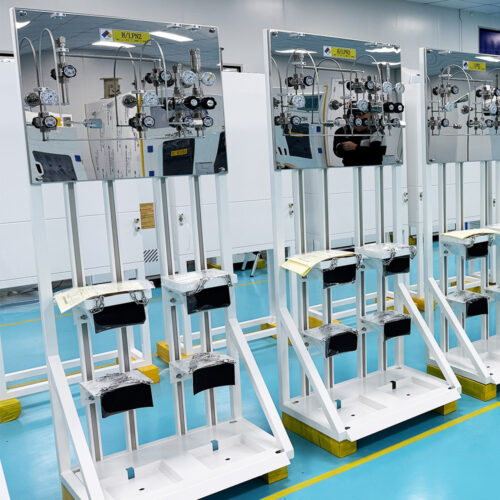
Fully Automated Gas Cabinet for Safe Ultra High Purity Specialty Gas Delivery in Semiconductor Manufacturing
-
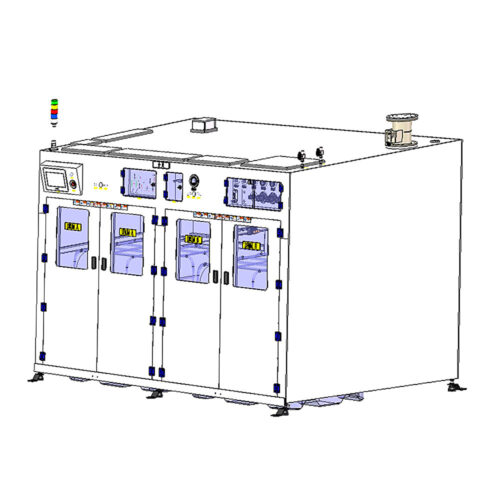
High Purity Chemical Dispense System & Packing System For Semiconductors JW-200L-CDM & JW-1000L-CDM
-
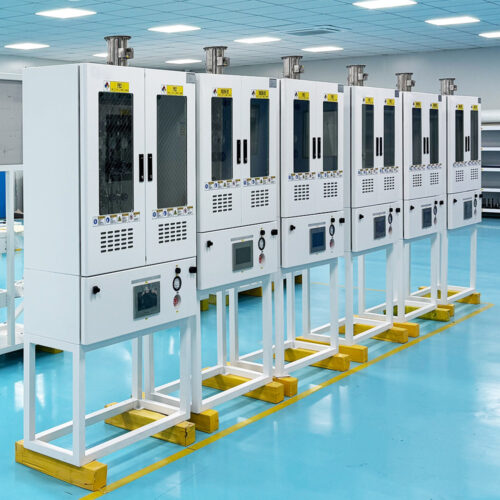
Ultra High Purity Diaphragm Valves and Pressure Regulators for Reliable Ultra High Purity Liquid Chemical Handling Systems