
Regulator Manufacturer Tel: +86 13380377051
Regulator Manufacturer Tel: +86 13380377051
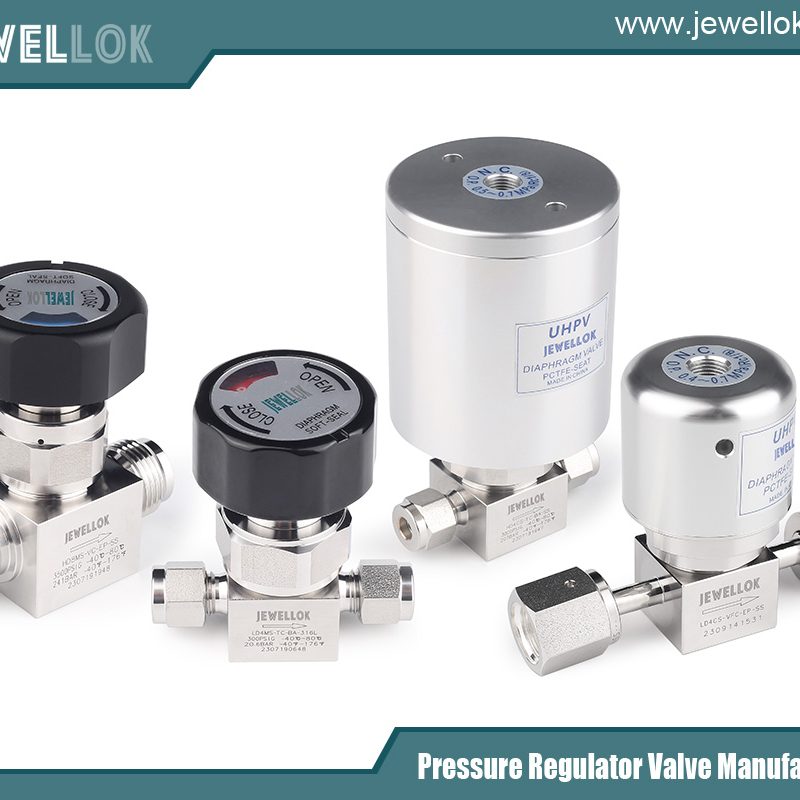
Semiconductor Grade UHP 316L Stainless Steel Ball Valves for Ultra-Clean Applications
Introduction
As semiconductor technology continues to advance toward smaller process nodes, higher wafer yields, and more sophisticated manufacturing techniques, the demand for ultra-high purity (UHP) fluid and gas delivery systems has never been greater. Every component within a semiconductor gas distribution system plays a crucial role in maintaining process stability, contamination control, and equipment reliability. Among these components, Semiconductor Grade UHP 316L Stainless Steel Ball Valves have become an indispensable solution for controlling high-purity gases and specialty chemicals in cleanroom environments.
Unlike conventional industrial ball valves, semiconductor-grade UHP ball valves are specifically engineered to eliminate particle generation, minimize outgassing, reduce dead volume, and resist corrosion from aggressive process gases. Manufactured from premium 316L stainless steel with electropolished internal surfaces, these valves provide exceptional cleanliness while maintaining long service life under demanding operating conditions.
This article explores the design, materials, manufacturing standards, applications, advantages, and selection criteria of UHP 316L stainless steel ball valves for ultra-clean semiconductor applications.
What Are Semiconductor Grade UHP Ball Valves?
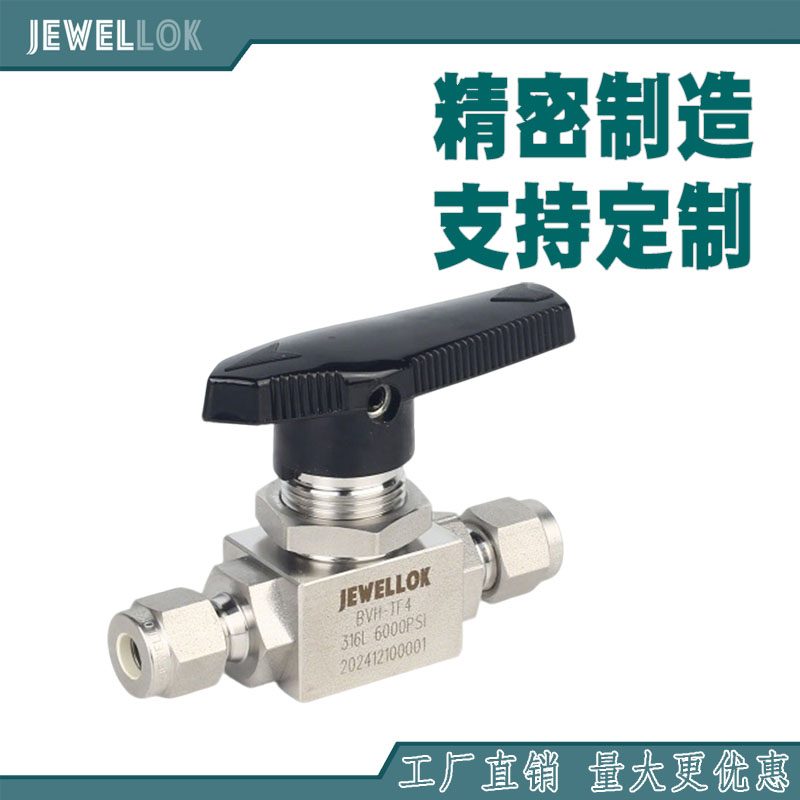
A Semiconductor Grade Ultra High Purity (UHP) Ball Valve is a precision-engineered flow control device specifically designed for transporting ultra-clean gases and chemicals used in semiconductor fabrication.
Unlike standard industrial valves, UHP ball valves are manufactured under strict cleanliness standards to prevent:
- Metallic contamination
- Moisture intrusion
- Organic contamination
- Particle generation
- Gas leakage
- Surface corrosion
Their primary function is to provide reliable on/off isolation while preserving the purity of process gases throughout the gas delivery system.
These valves are commonly integrated into:
- Bulk Gas Distribution Systems
- Gas Cabinets
- Valve Manifold Boxes (VMB)
- Valve Manifold Panels (VMP)
- Chemical Delivery Systems (CDS)
- High Purity Gas Panels
- Analytical Instrumentation
- Pharmaceutical Gas Systems
- Laboratory Gas Distribution Networks
Why 316L Stainless Steel Is the Preferred Material
Material selection directly determines valve performance in high-purity environments.
316L stainless steel has become the industry standard because of its excellent balance of corrosion resistance, mechanical strength, weldability, and cleanliness.
Typical chemical composition includes:
- Chromium: 16–18%
- Nickel: 10–14%
- Molybdenum: 2–3%
- Low Carbon Content (<0.03%)
The low carbon content minimizes carbide precipitation during welding, significantly improving corrosion resistance.
Key advantages include:
Superior Corrosion Resistance
Semiconductor processes involve highly corrosive gases such as:
- Hydrogen Chloride (HCl)
- Hydrogen Fluoride (HF)
- Chlorine (Cl₂)
- Ammonia (NH₃)
- Silane (SiH₄)
- Nitrogen Trifluoride (NF₃)
316L stainless steel offers excellent resistance to these chemicals under properly controlled operating conditions.
Low Particle Generation
Surface imperfections become sources of contamination.
Electropolished 316L stainless steel produces:
- Extremely smooth internal surfaces
- Reduced friction
- Lower particle shedding
- Improved cleanliness
This directly contributes to higher wafer yields.
Excellent Mechanical Strength
UHP valves operate under pressures ranging from vacuum to several thousand PSI.
316L stainless steel maintains excellent:
- Tensile strength
- Fatigue resistance
- Pressure resistance
- Thermal stability
making it suitable for continuous operation.
Electropolishing: The Foundation of Ultra-Clean Performance
Electropolishing is one of the defining characteristics of semiconductor-grade valves.
Unlike mechanical polishing, electropolishing removes microscopic peaks from the metal surface through electrochemical dissolution.
Typical surface finishes include:
- Ra ≤ 20 μin
- Ra ≤ 15 μin
- Ra ≤ 10 μin
- Ra ≤ 5 μin for critical applications
Benefits include:
- Reduced particle adhesion
- Improved corrosion resistance
- Easier cleaning
- Lower moisture retention
- Better passivation
- Reduced bacterial growth (pharmaceutical applications)
The mirror-like internal finish dramatically improves gas purity.
Key Design Features of Semiconductor UHP Ball Valves
Full-Port Flow Design
A full-port configuration minimizes pressure loss while allowing unrestricted gas flow.
Advantages include:
- Low pressure drop
- Reduced turbulence
- Minimal particle generation
- High flow efficiency
Bubble-Tight Shutoff
Leak integrity is essential in semiconductor manufacturing.
High-quality UHP ball valves provide:
- Bubble-tight sealing
- Helium leak rates below 1 × 10⁻⁹ atm·cc/sec
- Zero external leakage
- Reliable isolation
This prevents contamination from entering the gas system.
Dead Space Reduction
Dead volume traps moisture and contaminants.
Semiconductor-grade valves feature optimized internal geometries that:
- Minimize trapped gas
- Improve purge efficiency
- Accelerate gas changeover
- Reduce contamination risk
Precision Ball and Seat Design
The ball and seat assembly ensures smooth operation while maintaining long service life.
Seat materials commonly include:
- Modified PTFE
- PCTFE
- PEEK
- UHMWPE
Each material is selected based on chemical compatibility and operating temperature.
Anti-Blowout Stem
A safety stem design prevents accidental stem ejection under high pressure.
Benefits include:
- Improved operator safety
- Higher pressure integrity
- Longer service life
Locking Handle Options
Many semiconductor facilities require process validation and lockout procedures.
Optional locking handles help prevent unauthorized valve operation.
Manufacturing Standards
Semiconductor-grade valves undergo significantly stricter manufacturing procedures than industrial valves.
Typical manufacturing processes include:
CNC Precision Machining
High-precision CNC machining ensures:
- Tight dimensional tolerances
- Smooth sealing surfaces
- Consistent product quality
Orbital Weld Compatibility
Many UHP valves feature orbital weld ends that support:
- Automatic welding
- Minimal contamination
- Repeatable weld quality
Cleanroom Assembly
Assembly typically occurs inside ISO Class cleanrooms.
Cleanroom assembly prevents:
- Dust contamination
- Oil contamination
- Human-generated particles
Ultrasonic Cleaning
Components undergo multiple cleaning stages including:
- Degreasing
- Ultrasonic washing
- DI water rinsing
- High-purity drying
Nitrogen Packaging
Finished valves are packaged using:
- High-purity nitrogen
- Double vacuum bags
- Cleanroom packaging materials
This ensures valves remain contamination-free until installation.
Typical Technical Specifications
Although specifications vary among manufacturers, semiconductor-grade UHP ball valves generally offer:
Body Material
316L Stainless Steel
Surface Finish
Electropolished Ra ≤ 10 μin
Working Pressure
Vacuum to 3000 PSI
Temperature Range
-20°C to 200°C (depending on seat material)
Leak Rate
≤1 × 10⁻⁹ atm·cc/sec Helium
End Connections
- Tube Stub
- Butt Weld
- VCR
- Compression Tube Fittings
- Face Seal Fittings
Operation
- Manual
- Pneumatic
- Electric Actuated
Applications in Semiconductor Manufacturing
Gas Cabinets
Gas cabinets safely store hazardous process gases.
UHP ball valves isolate gas cylinders while enabling safe maintenance.
Bulk Specialty Gas Systems
Large-scale gas distribution systems require highly reliable shutoff valves to maintain uninterrupted gas supply.
Chemical Delivery Systems (CDS)
Chemical distribution systems handling acids and solvents rely on corrosion-resistant UHP valves to maintain chemical purity and ensure safe process control.
Wafer Fabrication Equipment
Critical semiconductor tools include:
- CVD Systems
- PVD Systems
- ALD Equipment
- Etching Systems
- Ion Implantation Equipment
- Lithography Equipment
Each system requires contamination-free gas delivery.
Process Gas Panels
Gas panels distribute multiple specialty gases while maintaining ultra-high purity throughout the production line.
Analytical Instruments
Semiconductor laboratories utilize UHP valves in:
- Gas chromatography
- Mass spectrometry
- Leak detection systems
- Process analyzers
Advantages Compared with Standard Industrial Ball Valves
| Feature | Standard Valve | Semiconductor UHP Valve |
|---|---|---|
| Surface Finish | Machined | Electropolished |
| Cleanliness | Industrial | Semiconductor Grade |
| Particle Generation | Higher | Extremely Low |
| Leak Rate | Standard Industrial | Ultra-Low Helium Leak |
| Packaging | Standard | Cleanroom Double Bagged |
| Dead Volume | Larger | Minimized |
| Corrosion Resistance | Good | Excellent |
| Cleanroom Compatibility | Limited | Fully Compatible |
Quality Testing and Inspection
Every semiconductor-grade valve undergoes comprehensive testing before shipment to ensure reliability and compliance with stringent industry requirements.
Common quality assurance procedures include:
- Positive Material Identification (PMI)
- Helium Mass Spectrometer Leak Testing
- Hydrostatic Pressure Testing
- Functional Cycle Testing
- Surface Roughness Measurement
- Dimensional Inspection
- Ferrite Content Analysis
- Cleanliness Verification
- Visual Inspection
- Packaging Inspection
Manufacturers often provide complete material traceability and inspection reports to support quality documentation.
Selecting the Right UHP Ball Valve
Choosing the appropriate valve requires evaluating several technical factors.
Gas Compatibility
Confirm compatibility with specialty gases such as:
- Hydrogen
- Nitrogen
- Oxygen
- Helium
- Argon
- Silane
- Chlorine
- Ammonia
Pressure Rating
Select a valve that exceeds the maximum operating pressure while providing an adequate safety margin.
Connection Type
Ensure compatibility with the existing gas delivery system, whether orbital weld tubing, face seal fittings, or compression fittings.
Surface Finish
Critical semiconductor applications generally require electropolished surfaces with Ra ≤ 10 μin or finer to reduce contamination risks.
Leakage Performance
Specify helium leak testing to verify extremely low internal and external leakage rates for high-purity gas service.
Automation Requirements
Consider manual, pneumatic, or electric actuation based on process automation and remote control needs.
Certification and Documentation
Look for manufacturers that can provide material certificates, leak test reports, surface finish records, and full production traceability.
Future Trends in UHP Ball Valve Technology
As semiconductor manufacturing continues to evolve toward advanced process nodes, UHP valve technology is also advancing to meet increasingly stringent cleanliness and reliability requirements.
Emerging developments include:
- Higher purity vacuum remelted 316L stainless steel
- Automated cleanroom manufacturing with enhanced traceability
- AI-assisted precision machining and quality inspection
- Digital documentation for Industry 4.0 manufacturing environments
- Smart valves with integrated sensors for pressure, temperature, and cycle monitoring
- Improved seat materials offering longer cycle life and broader chemical compatibility
- More compact valve designs for high-density gas distribution systems
- Enhanced electropolishing techniques for ultra-low surface roughness
These innovations help semiconductor manufacturers improve process consistency, reduce maintenance, and support the production of next-generation integrated circuits.
Conclusion
Semiconductor Grade UHP 316L Stainless Steel Ball Valves are essential components in modern ultra-high purity gas and chemical delivery systems. Their precision-engineered construction, electropolished internal surfaces, exceptional corrosion resistance, and ultra-low leak performance ensure reliable operation in the most demanding cleanroom environments.
From gas cabinets and valve manifold panels to chemical delivery systems and wafer fabrication equipment, these valves play a vital role in safeguarding process purity, minimizing contamination, and maximizing production yield. By selecting high-quality UHP ball valves manufactured under strict cleanroom standards and validated through comprehensive testing, semiconductor manufacturers can achieve superior process reliability, lower maintenance costs, and long-term operational excellence.
As semiconductor technologies continue to push the boundaries of precision and miniaturization, the importance of ultra-clean, high-performance UHP 316L stainless steel ball valves will only continue to grow, making them a critical investment for advanced semiconductor fabrication facilities worldwide.
For more about semiconductor grade UHP 316L stainless steel ball valves for ultra-clean applications, you can pay a visit to Jewellok at https://www.specialtygasregulator.com/product-category/specialty-gas-cabinet/ for more info.
-
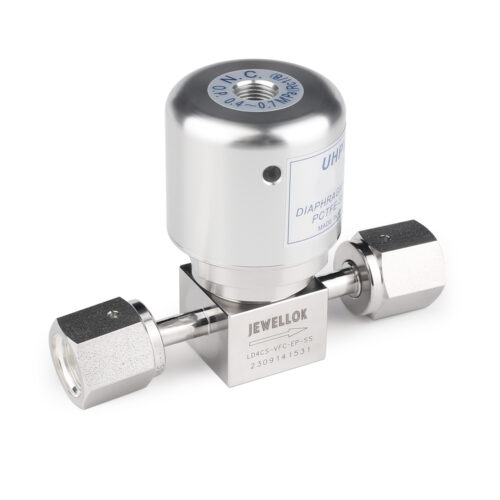
Stainless Steel Low Pressure Seal Pneumatic Diaphragm Control Valve For For HP & UHP Gases
-
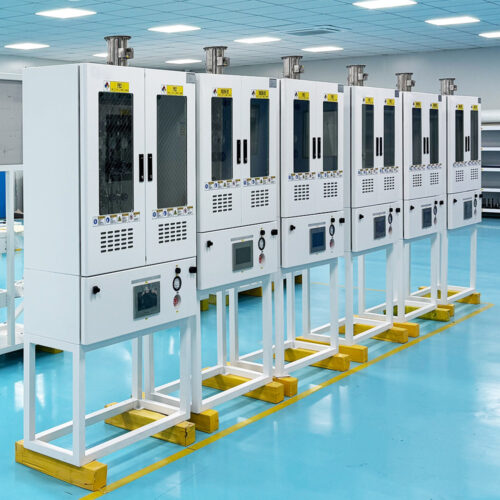
Precision Stainless Steel Valve Manifold Panel for Inert Gas Distribution in Cleanroom Manufacturing Environments
-
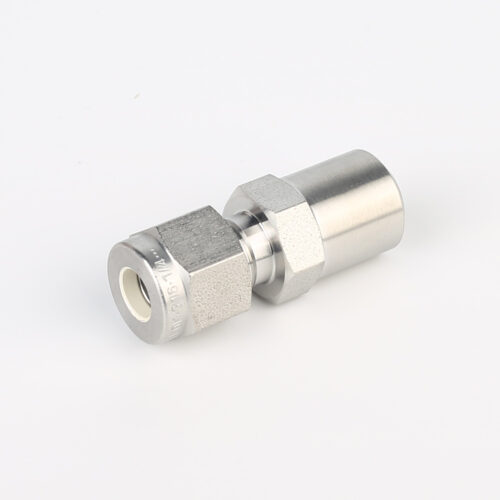
768LN Stainless Steel Male Pipe Tube Butt Weld Connector And Tube Fittings Supplier
-
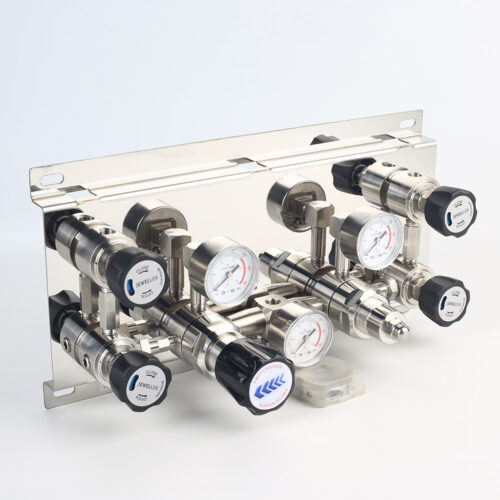
Pressure Control Panels For High Purity Gas Control System JSP-3AE Series From Pressure Control Panels Suppliers And Manufacturer
-
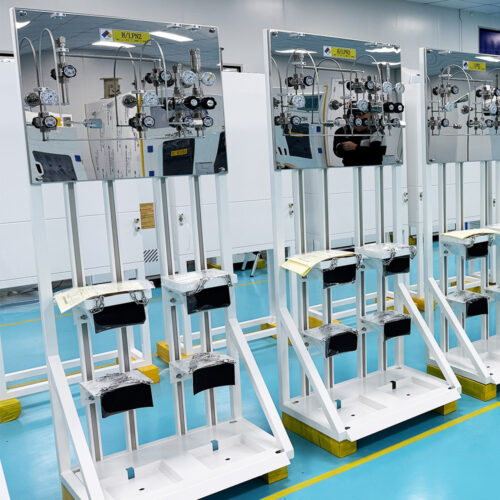
Semi Automatic Gas Cabinet Systems for Handling Toxic and Flammable Process Specialty Gases in High Tech
-
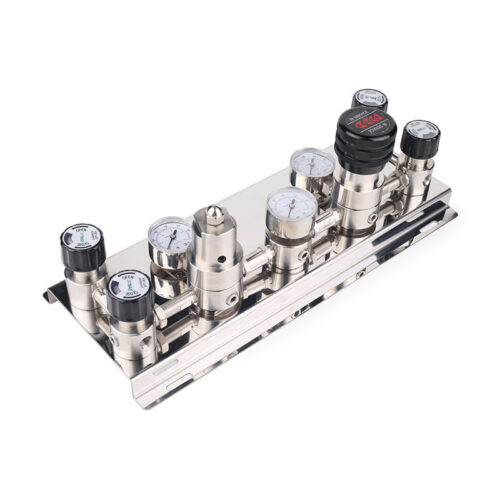
Stainless Steel High Pressure Specialty Gas Changeover Manifold For High Purity Oxygen Nitrogen Argon Helium Hydrogen Co2
-
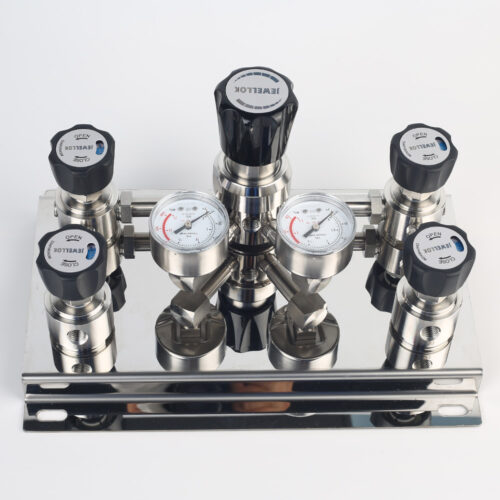
Single Stage Wall And Cabinet Mounting Pressure Control Panels JSP-2E Series For High Purity Gases
-
Automated Valve Manifold Box with Leak Detection for Toxic and Flammable Semiconductor Process Gases