
Regulator Manufacturer Tel: +86 13380377051
Regulator Manufacturer Tel: +86 13380377051

How Does a UHP 316L Stainless Steel Gas Pressure Regulator Work?
In the intricate world of high-purity industrial and scientific processes—from semiconductor fabrication and pharmaceutical manufacturing to advanced analytical chemistry and fiber optics production—the precise, reliable, and contaminant-free delivery of process gases is non-negotiable. At the heart of these ultra-high-purity (UHP) gas delivery systems lies a critical component: the UHP gas pressure regulator. Unlike its standard industrial counterparts, a UHP regulator, often constructed from specialty materials like 316L stainless steel, is a masterpiece of precision engineering designed not just to control pressure, but to do so without introducing any impurities into the gas stream. This article delves into the working principles, specialized construction, and critical applications of a UHP 316L stainless steel gas pressure regulator.
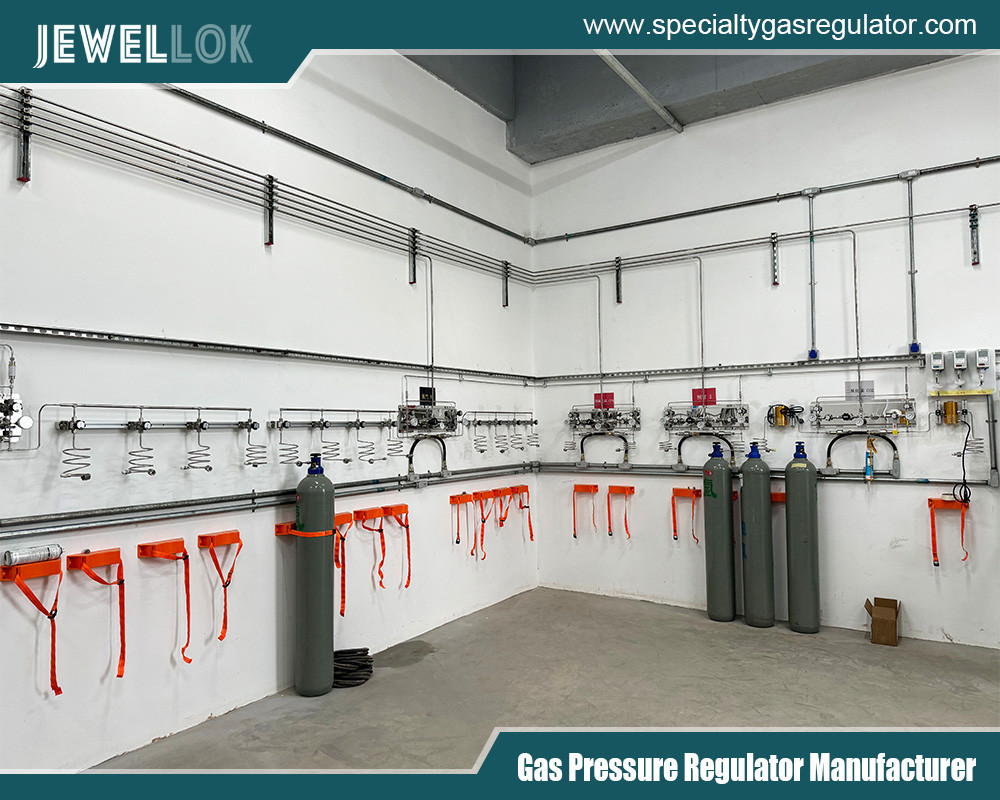
The Imperative of Ultra-High Purity (UHP)
Before understanding the regulator, one must grasp the environment it serves. UHP 316L stainless steel gas pressure regulator are classified by their extreme purity, typically 99.999% (5.0 grade) or higher, with strict limits on particulate, moisture (H₂O), oxygen (O₂), and hydrocarbon contaminants. Even microscopic impurities can cause catastrophic failures. In a semiconductor chip, a single particle can ruin a die; in a pharmaceutical reaction, an unexpected contaminant can alter a molecule’s efficacy.
Therefore, every component in a UHP gas system, including the regulator, must be designed to:
- Minimize Outgassing: Prevent the release of adsorbed gases (like water vapor) from internal surfaces.
- Eliminate Particulate Generation: Avoid shedding microscopic metallic or elastomeric particles.
- Prevent Permeation: Stop gases like helium from diffusing through materials.
- Resist Corrosion: Withstand both the process gas and ambient atmosphere without corroding, which would generate particles and metallic ions.
- Enable Perfect Cleanability: Allow for thorough cleaning and passivation to create an inert surface.
This is where the choice of 316L Stainless Steel becomes paramount.
Why 316L Stainless Steel? The Material Foundation
316L is a low-carbon variant of 316 stainless steel, and it is the industry standard for UHP fluid handling.
- Corrosion Resistance: The addition of molybdenum (2-3%) significantly enhances resistance to chlorides and other corrosive agents, crucial for maintaining integrity.
- Low Carbon Content (“L”): Carbon levels are kept below 0.03%. This prevents “sensitization” during welding—a process where chromium carbides form at grain boundaries, depleting chromium and creating sites prone to corrosion. 316L remains stable after welding.
- Surface Finish: UHP regulators feature electropolished internal surfaces. Electropolishing is an electrochemical process that removes a thin layer of surface material, smoothing microscopic peaks and valleys. This results in a mirror-like finish that reduces surface area, minimizes gas adsorption sites, and enhances cleanability and corrosion resistance.
- Compatibility: It is inert to a wide range of high-purity gases, including inert gases (Ar, N₂, He), reactive gases (H₂, O₂), and many corrosive precursors used in deposition processes.
Deconstructing the UHP Regulator: Key Components
A UHP regulator shares the same fundamental goal as any regulator: to reduce a high, variable inlet pressure to a stable, lower outlet pressure. However, its execution is radically different.
- The Diaphragm: The Sensing Element
- Material: Instead of elastomers like Buna-N or Viton, UHP regulators use a welded metal diaphragm, typically made from 316L stainless steel. This creates a hermetic seal between the process gas and the ambient environment, eliminating elastomeric permeation and outgassing.
- Function: This flexible, corrugated metal membrane senses downstream pressure changes. As pressure changes, it flexes, transmitting the force to the control mechanism.
- The Seat: The Seal of Purity
- Material: The most critical sealing point is between the seat and the orifice. UHP regulators use soft seats made from high-purity polymers like PCTFE (Kel-F) or PFA, or sometimes hard seats of metal-to-metal (e.g., Stellite on 316L). Soft seats offer excellent bubble-tight shut-off, while hard seats offer superior durability against certain aggressive gases.
- Design: The seat design minimizes “dead volume”—trapped gas pockets where contaminants could accumulate or reactions could occur.
- The Spring: The Force Reference
- Material: Typically 316L stainless steel.
- Function: The adjustment spring provides the setpoint force. Turning the adjustment knob compresses or relaxes this spring. The force from the spring is balanced against the force exerted by the diaphragm sensing the outlet pressure. This balance determines the regulator’s opening and closing.
- Body and Internal Components: A Seamless Environment
- All internal wetted parts—body, stem, orifice—are made from 316L stainless steel. Internal geometries are streamlined to prevent entrapment zones. Connections are typically VCJ® (metal gasket face seal) or Ultra-Torr fittings, which provide leak-tight, high-integrity seals superior to threaded (NPT) connections that can generate particles.
- Additional UHP Features:
- Purge Ports: Allow for integrated purging of the regulator body to remove atmospheric contaminants during system startup.
- Diaphragm Isolation Valve: Some designs include a valve that isolates the diaphragm from the process gas during cylinder changes, protecting this sensitive element from pressure shocks.
The Working Mechanism: A Ballet of Balance
The operation follows the principle of force balance, but with UHP precision.
1. At Rest (Closed Position):
The adjustment spring is relaxed. Its force is minimal. The high inlet pressure, acting on the back of the valve poppet (or the seat itself, depending on design), combined with the spring force closing the valve, keeps the poppet firmly seated against the orifice. No gas flows.
2. Setting the Pressure (Knob Adjustment):
When the user turns the adjustment knob clockwise, it compresses the setpoint spring. This increased spring force is transmitted via a stem to the top of the metal diaphragm. The diaphragm flexes downward, pushing the connected valve stem and poppet away from the orifice. Gas begins to flow from the high-pressure inlet, through the now-open orifice, into the low-pressure chamber, and out to the process.
3. Achieving Balance (Regulating):
As gas flows to the downstream system, pressure builds in the low-pressure chamber. This pressure acts on the underside of the metal diaphragm, creating an upward force. The system seeks equilibrium:
- If downstream pressure DROPS (due to gas consumption), the upward force on the diaphragm decreases. The spring force now dominates, pushing the diaphragm down, opening the valve further to allow more gas flow and restore the set pressure.
- If downstream pressure RISES (due to a downstream blockage or temperature increase), the upward force on the diaphragm increases. This overcomes some of the spring force, allowing the valve to close slightly, reducing flow and bringing the pressure back down.
This continuous, minute adjustment of the valve position—driven by the real-time feedback of the diaphragm sensing outlet pressure opposing the constant force of the set spring—maintains a stable outlet pressure despite fluctuations in inlet pressure or flow demand.
4. Shut-Off:
Turning the knob counter-clockwise relieves spring force. The inlet pressure and the residual diaphragm force push the poppet back onto the seat, achieving bubble-tight shut-off.
Special Considerations: Beyond Basic Regulation
- Creep and Seat-Leak Off:A critical failure mode for UHP systems is “creep”—a gradual rise in outlet pressure when the regulator is closed due to microscopic leakage past the seat. UHP soft-seat designs are optimized to prevent this. “Seat-leak off” designs slightly unseat the valve upon closing to ensure it reseats cleanly, enhancing shut-off.
- Supply Pressure Effect (Droop):In a standard regulator, a large drop in inlet pressure can cause a drop in outlet pressure (droop) because the reduced inlet force affects the force balance. Advanced UHP regulators use a piston-balanced poppet design where inlet pressure acts on equal areas on both sides of the poppet, nullifying its effect and providing exceptional stability.
- Cleanliness and Packaging:UHP regulators are assembled in cleanrooms (ISO Class 4 or better), cleaned to precise specifications (e.g., SEMI or ASTM standards), and bagged in dry nitrogen to preserve their cleanliness until the moment of installation.
Applications: Where Precision is Paramount
- Semiconductor Manufacturing: Delivering silane, ammonia, hydrogen, chlorine, and dopant gases to chemical vapor deposition (CVD), etch, and ion implantation tools.
- Pharmaceutical & Biotechnology: Controlling pure gases for fermenters, bioreactors, and analytical instruments like mass spectrometers and chromatographs.
- Analytical Laboratories: Providing stable, pure gas flows to ICP-MS, GC-MS, and other sensitive equipment.
- Fiber Optics: Managing gases for preform deposition and glass processing.
- Solar Cell Production: Similar UHP gas needs as semiconductor fabs for thin-film deposition.
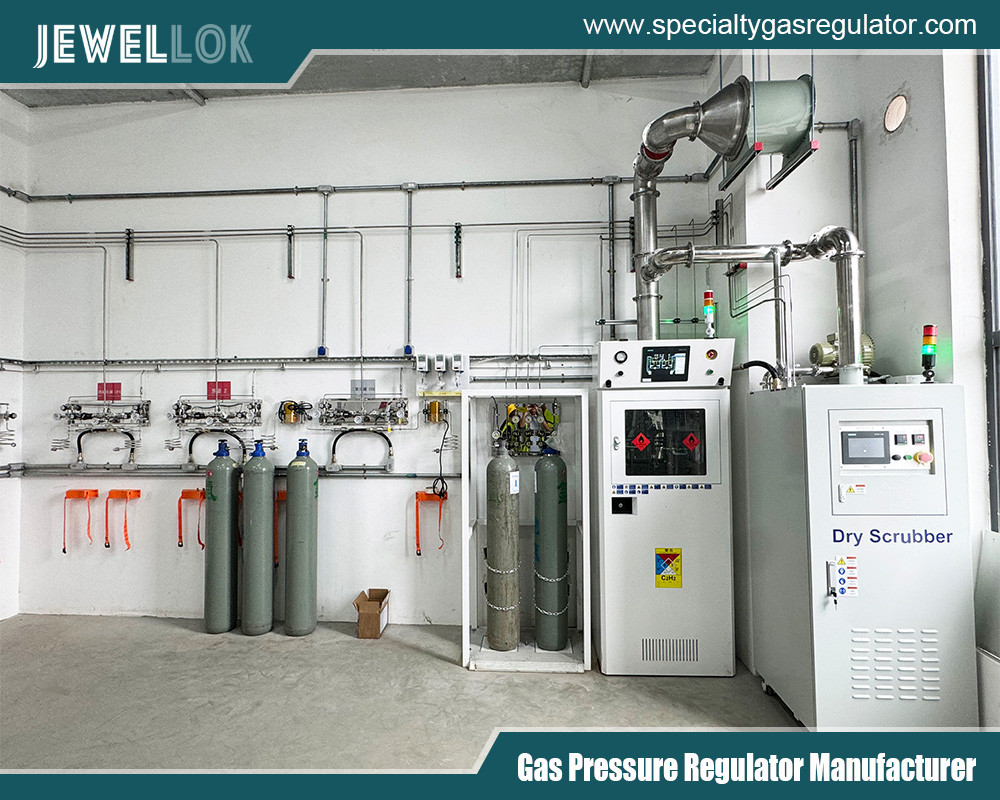
Conclusion
A UHP 316L stainless steel gas pressure regulator is far more than a simple pressure-reducing valve. It is a meticulously engineered safeguard for processes where purity is synonymous with success and profit. Its welded metal diaphragm eliminates permeation, its electropolished 316L construction resists corrosion and outgassing, and its precision force-balance mechanism provides unwavering stability. By understanding its inner workings—from the flex of the metal diaphragm to the critical seal of the soft seat—engineers and technicians can better appreciate, select, and maintain these vital components. In the invisible, molecular-scale battles fought on silicon wafers and in chemical reactors, the UHP regulator stands as a silent, steadfast guardian, ensuring that nothing interferes with the gas except its intended purpose.
For more about how does a UHP 316L stainless steel gas pressure regulator work, you can pay a visit to Jewellok at https://www.specialtygasregulator.com/product-category/specialty-gas-cabinet/ for more info.
-
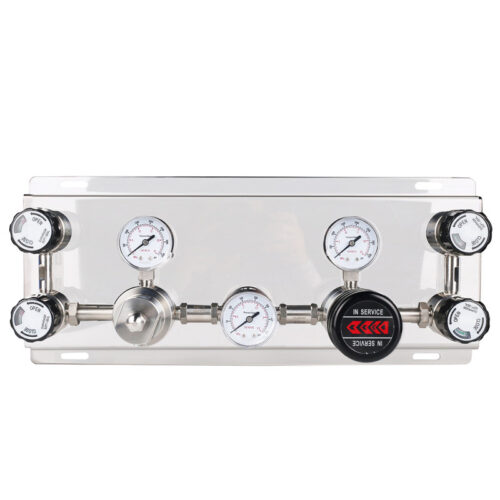
Semi Automatic And Automatic Switching Speicialty Gas Changeover Manifold Panel With Semiconductor Valve Manifold Box Gas Pressure Regulators
-
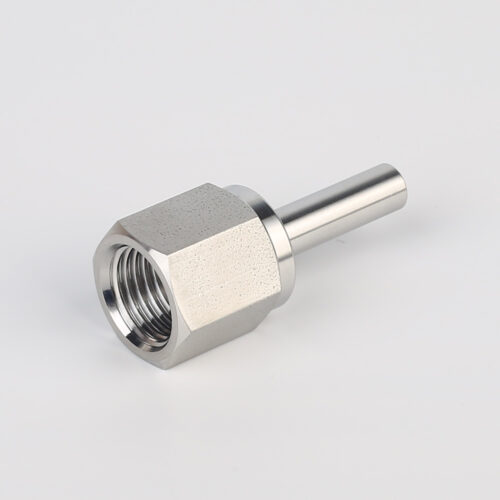
739LF High Purity Female Adapter Tube To Pipe Fittings And Connectors
-
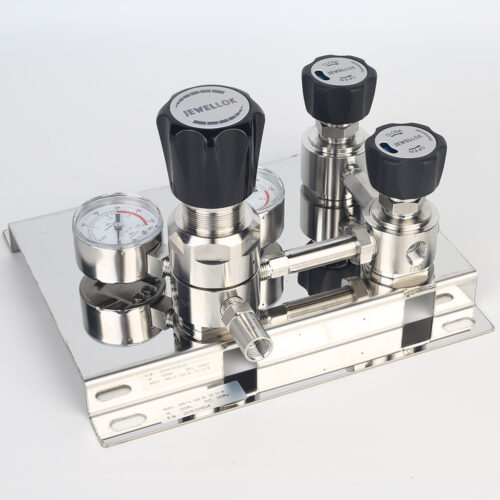
Stainless Steel 316L Single Stage Regulator Pressure Control Panels JSP-1E Series For Semiconductor Fluid Control
-
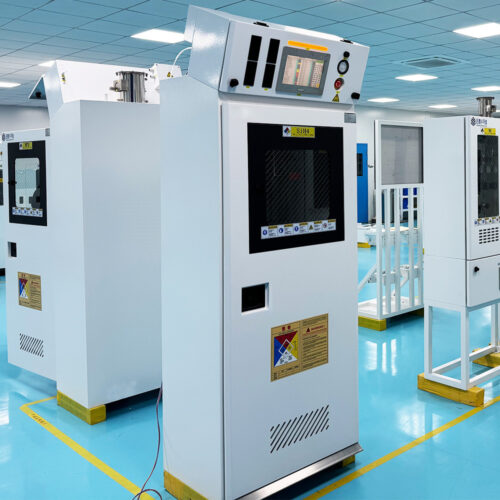
Integrated Scrubber Tail Gas Treatment Cabinet for Safe Bulk Specialty Gas System Exhaust Management
-
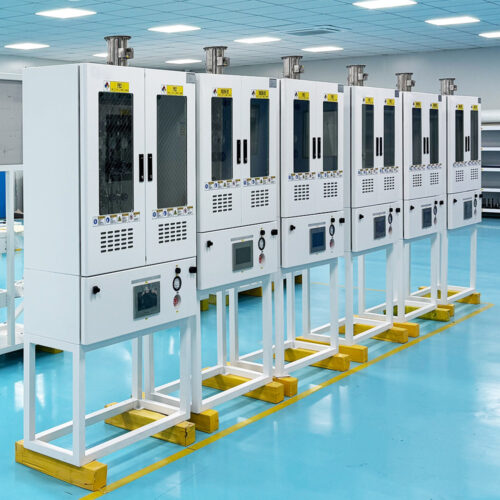
High Purity VMB Valve Manifold Box for Semiconductor Gas Distribution and Specialty Chemical Delivery Systems
-
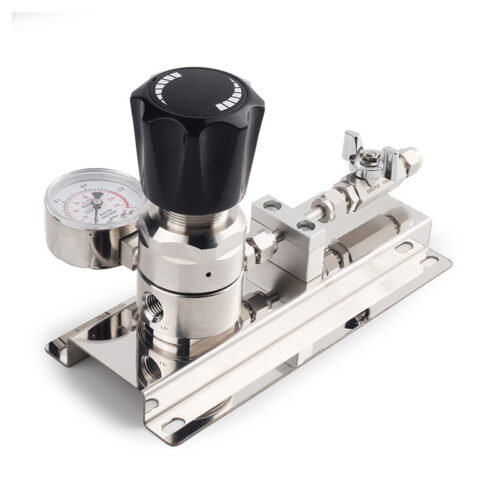
Ultra High Purity 316L Var Stainless Steel Compressed Gas Changeover Manifold Panel System For Integrated Gas Supply System
-
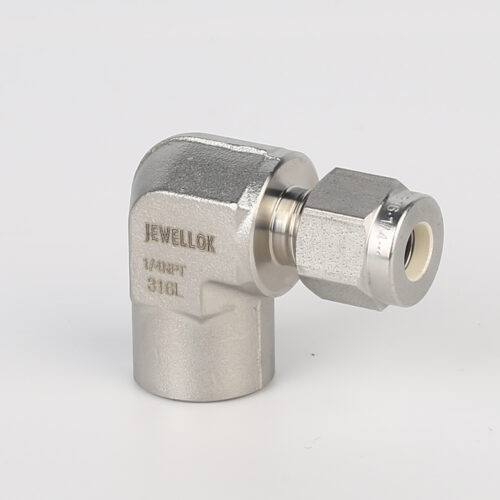
770L Female Elbow | Stainless Steel High Purity Weld Fittings Female Micro Elbow Fittings
-
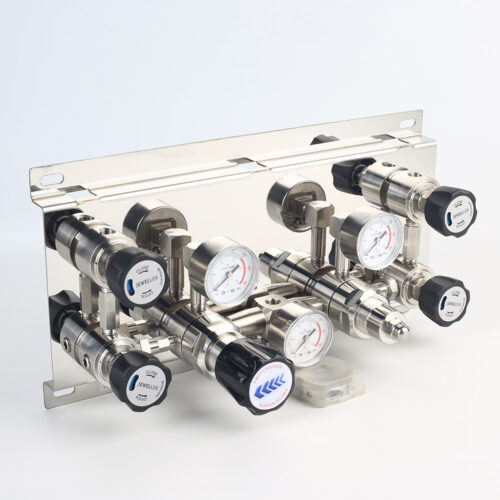
Pressure Control Panels For High Purity Gas Control System JSP-3AE Series From Pressure Control Panels Suppliers And Manufacturer