
Regulator Manufacturer Tel: +86 13380377051
Regulator Manufacturer Tel: +86 13380377051
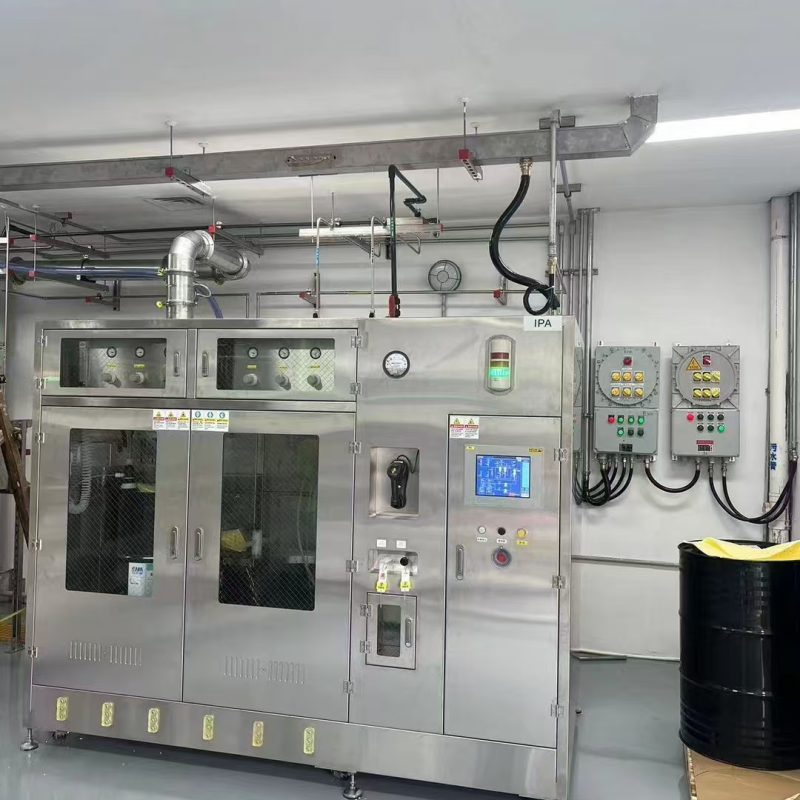
Fully Automatic Semiconductor Gas Cabinets for Safe Specialty Gas Delivery
Modern semiconductor manufacturing depends on precise, continuous, and contamination-controlled delivery of process gases. Gases such as silane, ammonia, nitrogen, hydrogen, chlorine, hydrogen chloride, phosphine, and other specialty gases are essential for processes including chemical vapor deposition (CVD), atomic layer deposition (ALD), etching, ion implantation, diffusion, and thin-film formation. Because many of these gases are toxic, corrosive, flammable, pyrophoric, or highly reactive, semiconductor manufacturers require advanced systems for safe storage, control, monitoring, and delivery.
Fully automatic semiconductor gas cabinets provide an integrated solution for managing specialty and ultra-high-purity (UHP) gases from cylinders to semiconductor process tools. By combining gas containment, pressure regulation, automatic valve control, leak detection, purge functions, gas monitoring, and programmable control into one engineered enclosure, these systems improve operational safety while maintaining stable gas delivery and reducing manual intervention.
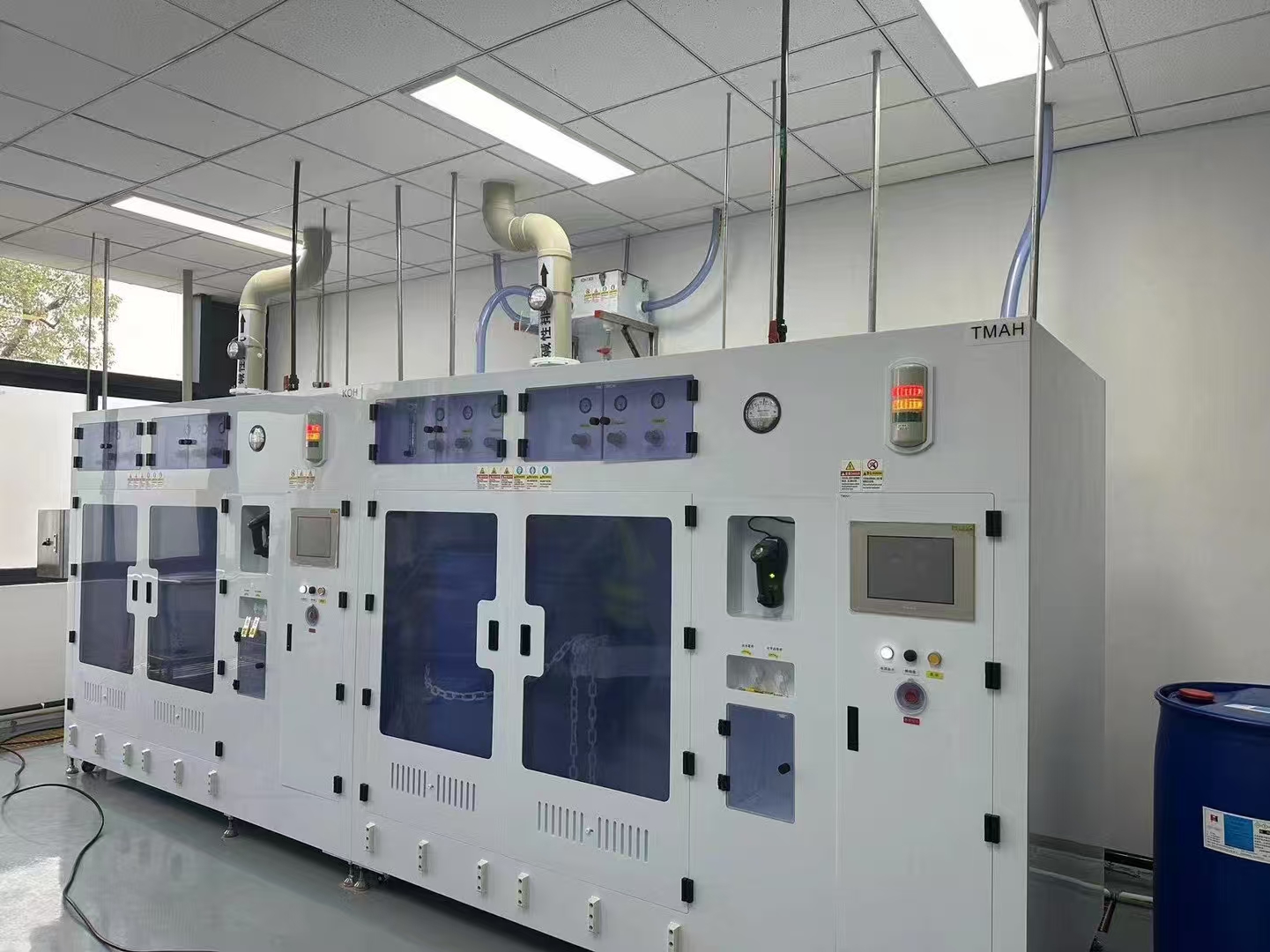
What Is a Fully Automatic Semiconductor Gas Cabinet?
A fully automatic semiconductor gas cabinet is an enclosed gas management system designed to house one or more high-pressure gas cylinders and automatically control the delivery of process gases to manufacturing equipment.
Unlike a basic gas storage enclosure, an automatic semiconductor gas cabinet integrates multiple functions into a controlled system. Typical components include:
- High-pressure gas cylinder connections
- Ultra-high-purity regulators
- Pneumatic or electrically actuated valves
- Automatic isolation valves
- Gas filters
- Pressure transmitters and gauges
- Vacuum and purge lines
- Gas leak detection sensors
- Exhaust connections
- PLC or industrial control systems
- HMI touchscreens
- Alarm and interlock systems
- Automatic gas switching manifolds
The cabinet creates a controlled interface between the gas source and the process tool. Depending on the application, it can support single-cylinder, dual-cylinder, or multi-cylinder configurations.
For semiconductor fabs, the objective is not simply to deliver gas. The system must deliver the required gas at the correct pressure, flow condition, purity level, and timing while minimizing contamination and preventing hazardous releases.
Why Automation Is Important in Semiconductor Gas Delivery
Manual operation of specialty gas systems can introduce unnecessary risks and process variations. Operators may need to open and close valves, monitor cylinder pressure, perform line purging, switch cylinders, and respond to alarms. Each manual operation creates an opportunity for human error.
Fully automatic gas cabinets reduce these risks by allowing programmable control of critical operations.
For example, an automatic sequence can control:
- Cylinder connection verification
- Line pressure stabilization
- Initial purge
- Vacuum purge
- Gas introduction
- Pressure regulation
- Continuous gas supply
- Low-pressure detection
- Automatic cylinder changeover
- Emergency gas isolation
This automation is particularly valuable in facilities operating continuously or handling highly hazardous specialty gases.
Automatic control also improves process consistency. Instead of relying on different operators to perform the same procedure manually, a PLC-based system can execute predefined sequences repeatedly according to programmed parameters.
Core Components of an Automatic Semiconductor Gas Cabinet
1. Ultra-High-Purity Regulators
The pressure regulator is one of the most important components in a semiconductor gas cabinet. High-pressure cylinders may contain gas at pressures significantly higher than the pressure required by downstream process equipment.
UHP regulators reduce cylinder pressure while maintaining stable outlet pressure.
For semiconductor applications, regulators may use high-purity stainless-steel wetted components, optimized internal geometry, low-dead-volume designs, and controlled surface finishes. These characteristics help minimize particle generation, moisture adsorption, and gas contamination.
Single-stage and dual-stage pressure regulation can be selected according to process requirements.
2. Automatic Valves
Automatic valves control gas flow throughout the cabinet. Pneumatically actuated diaphragm valves are commonly considered for high-purity gas applications because they can provide reliable shutoff and minimize contamination when properly specified.
Automatic valves can be integrated into sequences for:
- Gas supply
- Isolation
- Purging
- Venting
- Cylinder switching
- Emergency shutdown
The valve material and configuration should be selected according to the chemical properties, pressure, temperature, and purity requirements of the gas.
3. UHP Gas Filters
Gas filtration helps remove particles that could otherwise enter the process gas stream.
Semiconductor processes can be extremely sensitive to contamination. Therefore, high-purity filters may be installed downstream of pressure regulators or at other strategic points in the gas delivery system.
Filter selection depends on gas compatibility, filtration rating, pressure drop, flow capacity, and installation configuration.
4. Pressure and Flow Monitoring
Pressure transmitters, gauges, and flow monitoring devices provide real-time information about system operating conditions.
The control system can monitor parameters such as:
- Cylinder pressure
- Regulated outlet pressure
- Line pressure
- Vacuum pressure
- Purge pressure
- Gas flow
- Cabinet exhaust conditions
If a parameter exceeds a predefined limit, the system can generate an alarm or initiate an automatic shutdown sequence.
5. Gas Leak Detection
Leak detection is a critical part of specialty gas cabinet design.
Sensors can be configured to detect specific hazardous gases or abnormal conditions inside the cabinet. When a dangerous concentration or leak condition is detected, the control system can automatically isolate the gas source and activate appropriate alarms and exhaust responses.
For toxic, corrosive, flammable, or pyrophoric gases, the leak-detection strategy should be designed according to the gas properties and the applicable facility safety requirements.
Automatic Gas Purging and Evacuation
Purging is essential when changing cylinders, maintaining gas lines, or preparing a system for process operation.
Residual gas inside the piping can react with atmospheric moisture or other gases. This is particularly important when dealing with reactive specialty gases.
A fully automatic semiconductor gas cabinet can execute programmed purge sequences using inert gas such as nitrogen. A typical sequence may include isolation, evacuation, inert-gas pressurization, venting, and repeated purge cycles.
The exact sequence depends on the gas chemistry and system design.
Automated purging provides a repeatable procedure and reduces the amount of manual manipulation required during cylinder replacement or maintenance.
Automatic Cylinder Changeover
Continuous production requires reliable gas availability. A production interruption caused by an empty gas cylinder can result in equipment downtime and process losses.
Dual-cylinder automatic gas cabinets can monitor the pressure of the active cylinder. When the pressure reaches a predefined threshold, the control system can switch the gas supply to the standby cylinder.
The system can then notify operators that the depleted cylinder requires replacement.
Automatic changeover can provide several operational benefits:
- Continuous gas supply
- Reduced operator intervention
- Better cylinder utilization
- Fewer unexpected process interruptions
- Improved production availability
For critical semiconductor processes, automatic changeover can be integrated with facility monitoring systems to provide remote status information.
PLC and HMI Control
The PLC acts as the central control unit of an automated gas cabinet. It receives signals from pressure sensors, gas detectors, valve-position sensors, and other instruments and then executes programmed control logic.
An HMI provides operators with a visual interface for monitoring and controlling the system.
A typical HMI can display:
- Cylinder status
- Gas pressure
- Valve status
- Alarm conditions
- Purge status
- Gas supply status
- Automatic/manual mode
- Maintenance information
- Emergency shutdown status
User access levels can also be configured so that only authorized personnel can change critical operating parameters.
Safety Interlocks and Emergency Shutdown
Safety interlocks are a fundamental feature of fully automatic gas cabinets.
An interlock prevents certain operations from occurring unless predefined safety conditions are satisfied. For example, a gas supply valve may not be permitted to open if the cabinet exhaust system is not operating correctly.
Emergency shutdown systems can rapidly isolate the gas source when a serious abnormal condition occurs.
Potential shutdown triggers include:
- Gas leak detection
- Excessive pressure
- Loss of cabinet exhaust
- Fire detection
- Emergency stop activation
- Valve malfunction
- Abnormal cabinet conditions
The exact interlock architecture should be engineered according to the gas hazard classification, facility design, applicable codes, and semiconductor manufacturer’s safety requirements.
Gas Cabinet Applications in Semiconductor Manufacturing
Fully automatic semiconductor gas cabinets are used in a wide range of process applications.
CVD Gas Delivery
Chemical vapor deposition requires controlled delivery of precursor and carrier gases. Stable pressure and contamination control are important for repeatable thin-film deposition.
Automatic gas cabinets can manage gases used in different CVD processes while providing controlled isolation and purge functions.
ALD Gas Delivery
Atomic layer deposition relies on precisely controlled precursor exposure. Automatic gas control systems can support accurate sequencing of process gases and purge gases.
Semiconductor Etching
Etching processes may use corrosive or toxic gases. A properly engineered gas cabinet provides containment, automatic isolation, pressure regulation, and monitoring for these hazardous gas supplies.
Diffusion and Oxidation
High-purity gases are also used in thermal processing, diffusion, oxidation, and related semiconductor manufacturing operations. Automated gas delivery can improve consistency and reduce manual handling.
Material Selection for UHP Gas Systems
Material compatibility is critical when designing a semiconductor gas cabinet.
316L stainless steel is widely used for high-purity gas components because of its corrosion resistance and suitability for controlled surface finishing and fabrication.
For extremely high-purity applications, components may undergo specialized cleaning, electropolishing, orbital welding, and controlled assembly procedures.
The internal surface condition of tubing, valves, regulators, and fittings can influence particle generation, moisture retention, and contamination.
For aggressive gases, material selection must consider corrosion resistance and chemical compatibility rather than relying solely on general stainless-steel specifications.
Customization of Semiconductor Gas Cabinets
Semiconductor fabs have different process requirements, gas chemistries, cylinder configurations, pressures, flow rates, and installation conditions. Therefore, gas cabinets are often engineered as customized systems.
Common customization options include:
- Single or dual cylinder configurations
- Multiple gas supply lines
- Automatic changeover
- Different inlet and outlet connections
- UHP diaphragm valves
- Customized regulator configurations
- PLC and HMI systems
- Remote monitoring
- Gas detection systems
- Automatic purge sequences
- Emergency shutdown integration
- Customized cabinet dimensions
- Facility exhaust interfaces
A properly engineered cabinet should be matched to the complete gas delivery architecture rather than selected only according to cabinet size.
How to Select a Fully Automatic Semiconductor Gas Cabinet
When selecting a gas cabinet, engineers should evaluate several technical parameters.
First, identify the gas properties. Toxicity, flammability, corrosiveness, pyrophoricity, pressure, and chemical compatibility directly influence cabinet design.
Second, determine the required gas pressure and flow. The regulator, valves, tubing, and fittings must be sized for the required operating range.
Third, define the required purity level. Semiconductor processes may require UHP components, specialized cleaning, low-dead-volume designs, and controlled assembly.
Fourth, evaluate automation requirements. Applications requiring continuous operation may benefit from automatic cylinder changeover, automated purging, remote monitoring, and PLC-based sequencing.
Finally, consider facility integration. The cabinet may need to interface with exhaust systems, gas detection systems, emergency shutdown systems, facility monitoring networks, and process equipment.
Conclusion
Fully automatic semiconductor gas cabinets are an important part of modern specialty gas delivery infrastructure. By combining high-purity gas components, automatic valves, pressure regulation, gas monitoring, automated purging, cylinder changeover, PLC control, and safety interlocks, these systems provide a controlled method for delivering hazardous and high-purity gases to semiconductor process equipment.
The most suitable gas cabinet depends on the specific gas chemistry, pressure, flow, purity, cylinder configuration, automation requirements, and facility safety architecture. For semiconductor manufacturers, the cabinet should therefore be treated as an engineered gas-delivery subsystem rather than simply a storage enclosure.
As semiconductor processes become increasingly sensitive to contamination and process variation, automated gas management provides an effective approach to improving delivery consistency, operational control, and safety throughout the semiconductor gas distribution system.
For more about fully automatic semiconductor gas cabinets for safe specialty gas delivery, you can pay a visit to Jewellok at https://www.specialtygasregulator.com/product-category/specialty-gas-cabinet/ for more info.
-
Vertical Laminar Flow Workstation (VLF) With Chemical Concentration Monitor
-
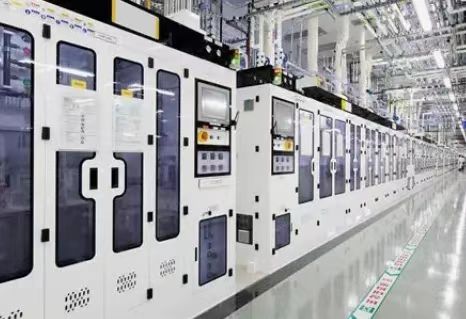
Automatic Chemical Delivery Module (CDM) and Chemical Delivery System (CDS) for Precise Point of Use Blending and Dilution
-
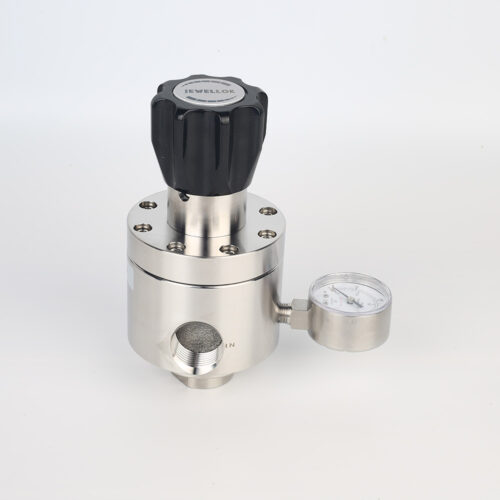
Low Pressure High Flow Line Pressure Regulators And Control Valves JSR-4L Series For Laboratory Pressure Control
-
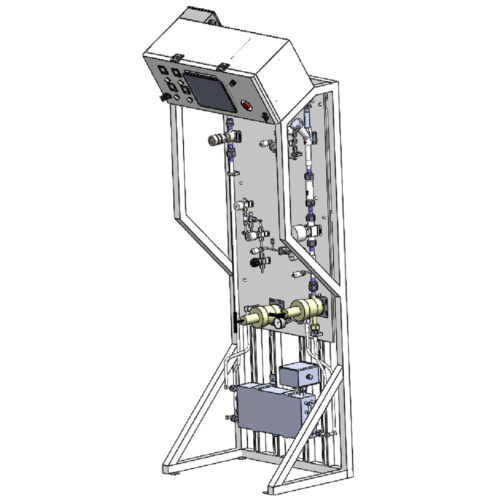
Fully Automated Gas Cabinet Gas Rack Gas Delivery Systems JW-300-GR
-
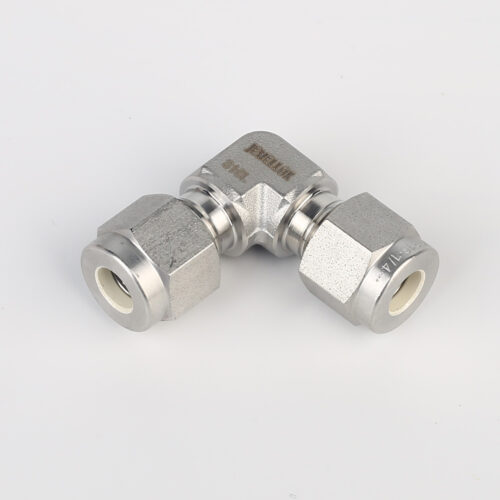
765L Stainless Steel Union Elbow Reducing High Purity Fitting Tubing Extension Tubing Connection
-
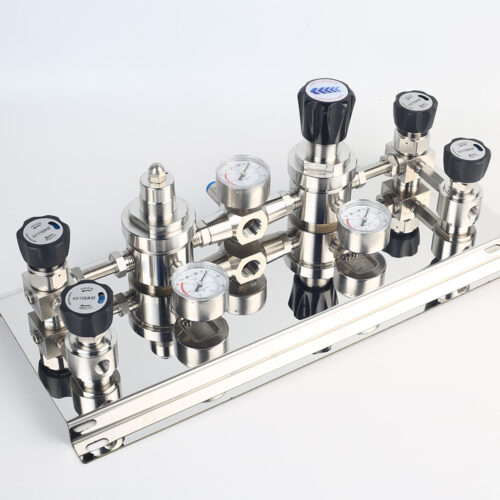
Stainless Steel Single Stage Semiconductor Grade Pressure Control Module Pressure Control Panels JSP-6A Series
-
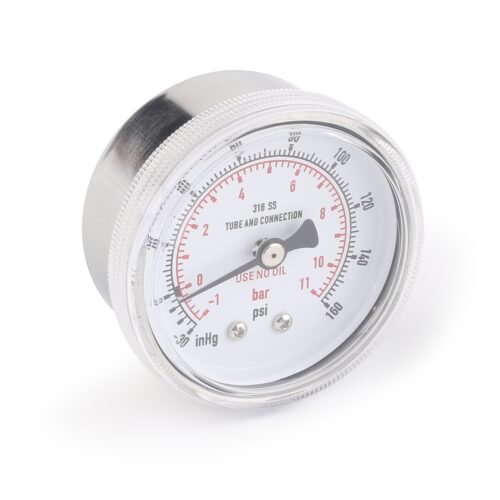
Ultra High Purity Pressure Gauge For Laboratory And Semiconductor JR Series
-
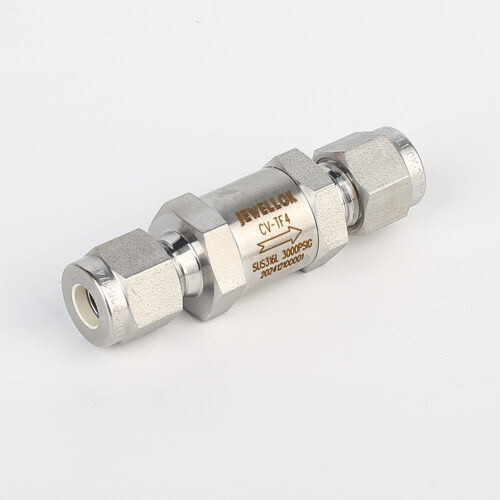
High Pressure High-Purity Welded Check Valves And Low Cracking Pressure Check Valve JCV1 Series