
Regulator Manufacturer Tel: +86 13380377051
Regulator Manufacturer Tel: +86 13380377051

Designing for Safety: How Specialty Gas Regulator Valves Meet Rigorous International Standards
The handling of high-pressure specialty gases—whether toxic, corrosive, pyrophoric, or simply ultra-pure—presents a unique set of hazards. A failure in such a system is not merely an operational inconvenience; it can lead to catastrophic releases, fires, explosions, or toxic exposure. Consequently, the pressure regulator, as the primary interface between the high-energy gas source and the process, is a critical safety device. Its design is not solely driven by performance but is meticulously engineered to comply with stringent international safety standards such as ISO 10297 (Gas cylinders – Outlet connections for gas cylinder valves) and CGA (Compressed Gas Association) standards like E-4 (Standard for Gas Pressure Regulators).
Compliance with these standards is not an afterthought but is embedded into the very DNA of a specialty gas regulator valve through specific, non-negotiable design features. These features ensure safe containment, controlled release, user protection, and system integrity from the cylinder connection to the delivery point. This article explores the key design elements that transform a specialty gas regulator from a simple mechanical device into a certified safety component for high-pressure systems.
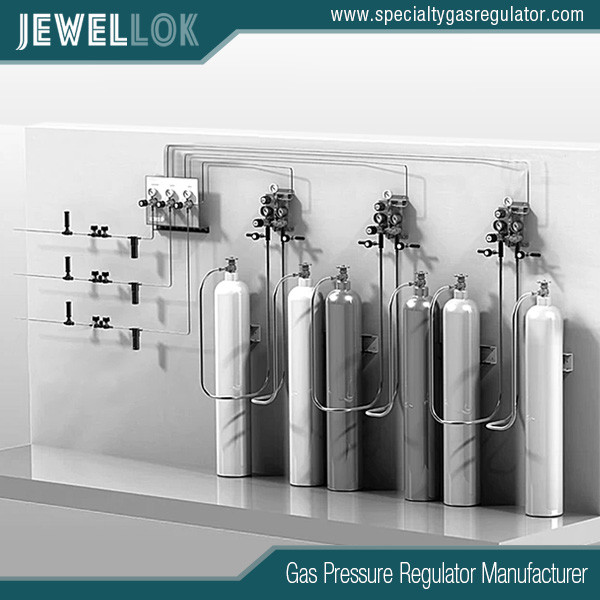
- Foundational Design Philosophy: Containment and Integrity at High Pressure
At its core, safety in high-pressure gas systems is about robust containment. Standards like ISO 10297 and CGA E-4 establish minimum requirements for materials, pressure ratings, and proof testing to prevent catastrophic failure.
A. Material Selection for Strength and Compatibility
- Pressure-Bearing Components: Body, bonnet, and stem guides are typically machined from 316L stainless steel bar stock or higher alloys like Hastelloy C-276 or Monel. The use of bar stock (as opposed to castings) ensures a homogenous grain structure with no hidden porosity, providing predictable strength under high pressure. These materials must have a specified minimum yield strength to withstand pressures far exceeding the maximum working pressure.
- Compatibility and Degradation Resistance: The material must be inherently compatible with the gas service. For corrosive gases like HCl or HBr, alloys with high nickel and molybdenum content are specified to resist chemical attack and prevent stress corrosion cracking—a primary failure mode under tension and corrosive environments. For ultrapure or reactive gases, electropolished interiors with extremely low surface roughness prevent adsorption, catalyze reactions, or create particle generation sites.
B. Pressure Ratings and Design Safety Factors
Specialty gas regulator valves are clearly marked with a Maximum Inlet Pressure (MIP) and Maximum Outlet Pressure (MOP), as mandated by standards. The design incorporates a significant safety factor (typically 4:1 or 5:1 for the inlet side). This means a regulator rated for 3000 psi inlet pressure is designed and proof-tested to hold 12,000-15,000 psi without permanent deformation. This margin accounts for potential pressure surges, minor material flaws, and long-term fatigue.
C. Proof and Burst Testing
Every regulator body assembly undergoes 100% proof testing—a non-destructive hydrostatic test at 1.5 times its MIP. This verifies integrity before it leaves the factory. Additionally, sample units from production lots undergo destructive burst testing to validate that the ultimate failure pressure exceeds the mandated safety factor, ensuring the design margin is real and repeatable.
- Connection Integrity: The First Line of Defense
The most likely point of a leak is at the connections. Standards provide precise specifications to prevent mismating and ensure leak-tight seals.
A. Standardized, Gas-Service-Specific Outlets (ISO 10297 / CGA V-1)
This is perhaps the most vital safety feature. The outlet connection (the threaded point where the regulator attaches to the cylinder valve) is standardized based on gas properties. The CGA assigns specific number/letter combinations (e.g., CGA 350 for hydrogen, CGA 330 for nitrous oxide, CGA 660 for corrosive gases). These connections differ in:
- Thread type (e.g., left-hand vs. right-hand to prevent accidental connection of incompatible gases).
- Thread pitch and diameter.
- Presence or absence of an external nipple.
- Sealing mechanism (e.g., metal-to-metal vs. elastomer).
This “positive mechanical indexing” physically prevents a regulator from being connected to a cylinder containing an incompatible gas, averting potential chemical reactions, contamination, or unsafe conditions.
B. Controlled Sealing Mechanisms
- Metal Gasket Seals (e.g., RFO/RPV connections): For ultra-high purity or corrosive gases, the seal is made via a coned-and-threaded connection that compresses a soft metal gasket (copper, nickel, or SUS). This provides a permanent, high-integrity, zero-clearance seal less prone to creep or degradation than polymers.
- Elastomer-Sealed Connections: Where allowed, specially designed connections use boss-seal or face-seal configurations with compatible, low-permeation elastomers like Kalrez®. The design ensures the seal is compressed in a controlled cavity, protecting it from extrusion under high pressure.
- Internal Safety Mechanisms to Manage Failure Modes
Safety standards anticipate potential failure modes and require design features to mitigate their consequences.
A. Pressure Relief Devices
A primary safety mandate is to protect the low-pressure side of the system from over-pressurization, which could occur if the primary regulating mechanism fails (e.g., a ruptured diaphragm or stuck-open poppet).
- Integrated Relief Valves: Most specialty single-stage and second-stage regulators have a built-in pressure relief valve (PRV). This is a spring-loaded valve set to open at a pressure slightly above the maximum adjustable outlet pressure (e.g., 1.5 x MOP). It safely vents excess pressure to atmosphere, preventing downstream equipment rupture.
- Rupture Discs: In some corrosive or toxic gas applications where venting is unacceptable, a burst disc (a calibrated metal membrane) may be used. It provides absolute containment until a specific burst pressure is reached, at which point it fails completely and must be replaced. Its use requires careful system design to manage the directed release.
B. Diaphragm Safety Design
The diaphragm is a potential failure point. High-quality regulators designed to CGA E-4 incorporate:
- Diaphragm Guards or Plates: A perforated metal plate on the atmospheric side of the diaphragm. In the event of a rare diaphragm rupture, this guard prevents the high-pressure gas from blowing out the back of the regulator and potentially injuring the user, instead directing it to vent through designed relief paths.
- Limited Stem Travel: The mechanical design limits how far the stem can travel, preventing the diaphragm from being over-extended and stressed, which could lead to fatigue failure.
C. Filter Integration
ISO and CGA standards emphasize system cleanliness. Particulate from a cylinder can cause a regulator seat to leak or a relief valve to stick. Many specialty regulators have a sintered metal inlet filter (typically 7-40 micron) permanently installed at the inlet. This protects the internal mechanism, ensures consistent performance, and acts as a flame arrestor in some configurations, adding a layer of safety against flashback.
- Operational Safety and User Protection
Safety standards also focus on preventing human error and protecting the operator during normal use.
A. Clear, Permanent Marking
ISO 10297 and CGA E-4 require indelible marking on the regulator body, including:
- Manufacturer’s name or trademark.
- Model number.
- Maximum Inlet Pressure (MIP).
- Maximum Outlet Pressure (MOP).
- Direction of gas flow (inlet/outlet arrows).
- The specific gas service or family (e.g., “FOR CORROSIVE GAS”).
- A unique serial number for traceability.
This prevents misapplication and enables proper inspection and maintenance tracking.
B. Adjusting Mechanism Safety
- Non-Rotating Stem Design: As covered in performance contexts, this also has a safety benefit. It prevents the sealing poppet from twisting and grinding against the seat, which could generate heat (a danger with pyrophoric gases) or cause premature failure.
- Vented Bonnet/Balanced Design: In regulators handling flammable or toxic gases, a vented bonnet is critical. If the stem seal leaks, the gas is safely vented to a controlled location (e.g., an exhaust hood) rather than building up inside the bonnet and leaking into the workspace. This is a key requirement for safe cabinet or gas cabinet installation.
C. Outlet Pressure Gauge Protection
The low-pressure gauge is vulnerable to damage from sudden high-pressure spikes if the upstream valve is opened too quickly. Some regulator designs include a gauge saver or restrictor—a small orifice in the gauge port that dampens sudden pressure increases, protecting the gauge from blowout and preventing a subsequent flying debris hazard.
- Quality Assurance, Documentation, and Cleanliness
Compliance is demonstrated not just by design, but through verifiable manufacturing and testing processes.
- Material Traceability: Certified Material Test Reports (MTRs) accompany regulator components, providing full traceability of alloy composition and mechanical properties back to the mill source.
- Cleanliness Certification: For high-purity and semiconductor applications, regulators are cleaned, assembled, and packaged in controlled environments. They come with certification stating the level of non-volatile residue (NVR), particle counts, and moisture content, often meeting benchmarks like SEMI or NASA standards. Clean assembly prevents internal contamination that could lead to blockages, reactions, or premature failure.
- Leak Testing: 100% final assembly helium mass spectrometer leak testing (at sensitivity levels of 4 x 10⁻¹¹ atm cc/sec or better) is standard for specialty regulators. This ensures that microscopic leaks, which could be dangerous with toxic or asphyxiant gases, are eliminated before shipment.

Conclusion
The design features of a specialty gas pressure regulator valve that ensure compliance with ISO 10297, CGA E-4, and other standards represent a holistic safety philosophy. Safety is engineered into the product at every stage: from the metallurgy of the bar stock and the geometry of the CGA connection, through the integration of relief valves and diaphragm guards, to the final leak test and certification.
These standards and the designs that fulfill them create a robust defense-in-depth strategy. They prevent incorrect assembly, contain the gas under immense pressure, manage internal failures gracefully, protect the end-user, and provide the traceability needed for responsible lifecycle management. In high-pressure specialty gas systems, where the consequences of failure are severe, the regulator is more than a flow device—it is a certified, intelligent safety barrier whose very design is a testament to the paramount importance of engineered safety in industrial and laboratory settings.
For more about the designing for safety: how specialty gas regulator valves meet rigorous international standards, you can pay a visit to Jewellok at https://www.specialtygasregulator.com/about/ for more info.
-
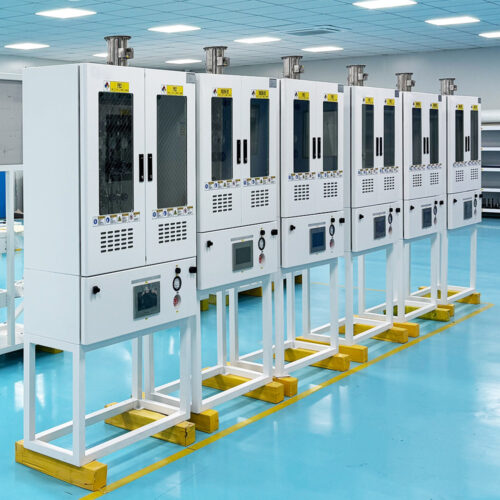
UHP Liquid Chemical Delivery Systems with Nitrogen Blanketing and Secondary Containment for Hazardous Industrial Chemical Processing
-
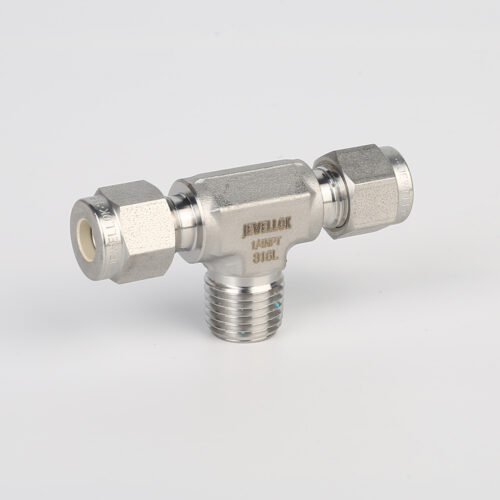
772L Male Branch Tee | Stainless Steel High-Purity Tube Fitting Male Branch Tee
-
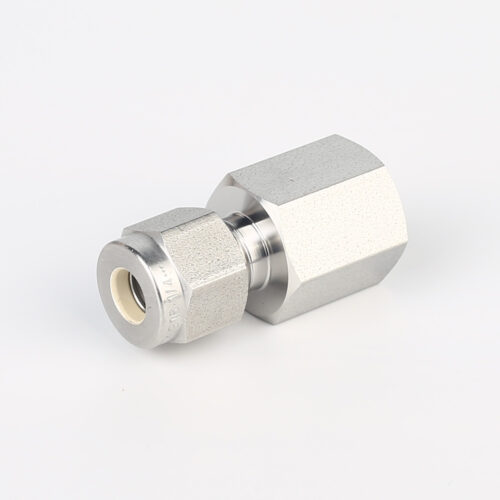
766L High Purity Female Connector UHP Fitting Female Connector
-
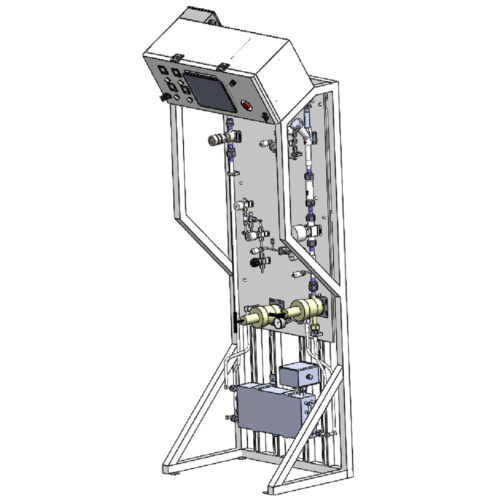
Fully Automated Gas Cabinet Gas Rack Gas Delivery Systems JW-300-GR
-
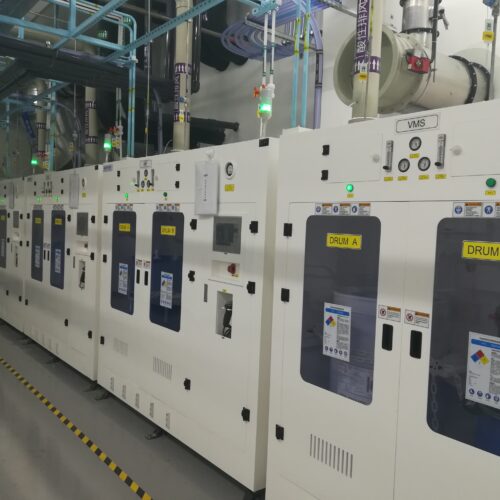
High Purity Liquid Chemical Delivery Systems Designed for Sub Micron Semiconductor Production
-
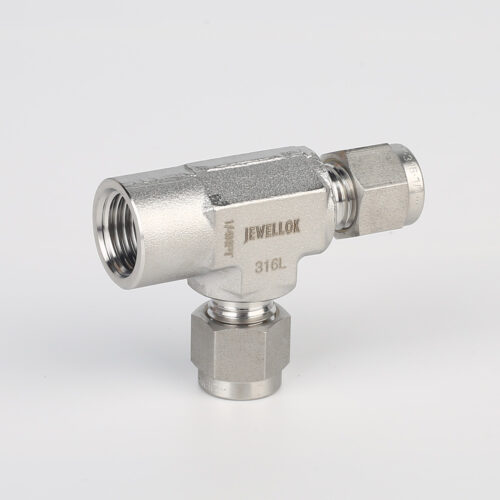
771LF Female Run Tee | Stainless Steel Tube Fitting Compression Fittings 1/4 In 3-Way Tee Female Run Tee
-
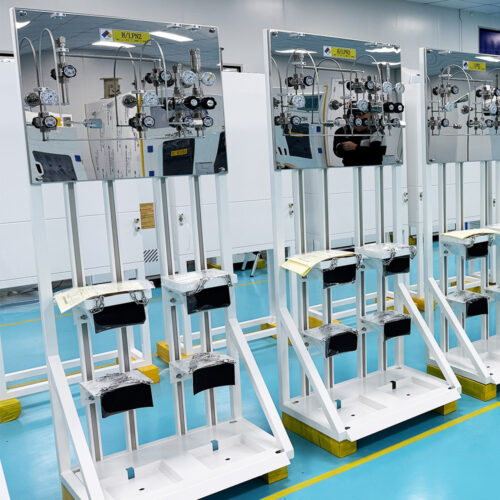
Semi-Automatic VMB Gas Cabinet Gas Changeover Manifold With Semiconductor Valve Manifold Box Diaphragm Valves And Gas Pressure Regulators
-
Vertical Laminar Flow Workstation (VLF) With Chemical Concentration Monitor