
Regulator Manufacturer Tel: +86 13380377051
Regulator Manufacturer Tel: +86 13380377051
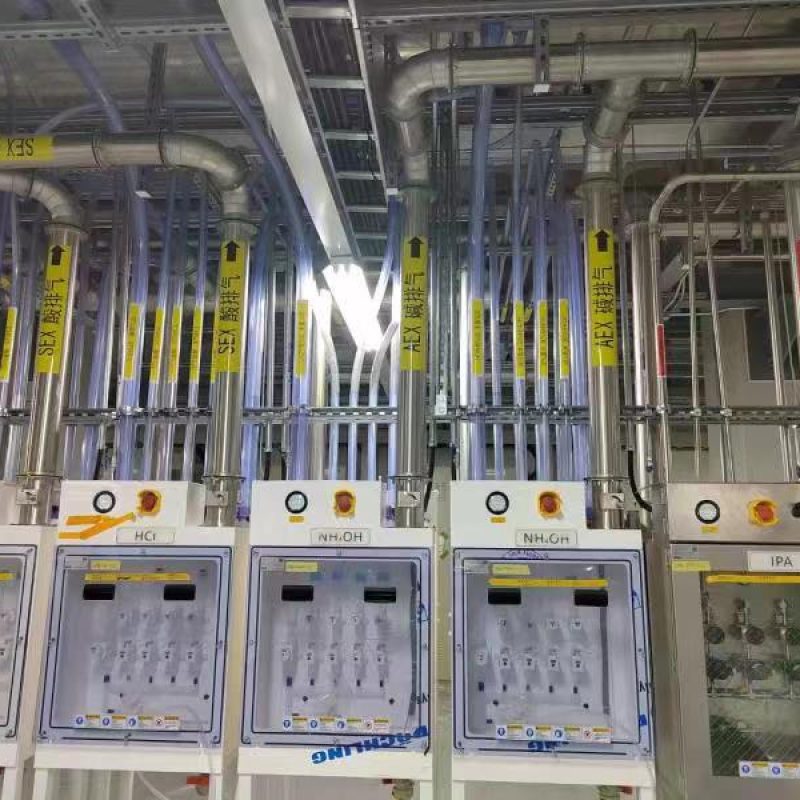
Semiconductor Gas Cabinet Systems for High Purity Gas Delivery: The Ultimate Guide
In the world of semiconductor manufacturing, precision is not just a goal—it is an absolute necessity. As chip geometries shrink to single-digit nanometer nodes, the purity of process gases becomes as critical as the lithography itself. This is where semiconductor gas cabinet systems for high purity gas delivery play an indispensable role. These engineered enclosures ensure that toxic, corrosive, flammable, and inert gases are delivered to fabrication equipment without contamination, leaks, or safety incidents. This comprehensive guide explores every facet of gas cabinet systems, from core components to future trends, helping you understand why they are the backbone of modern fabs.
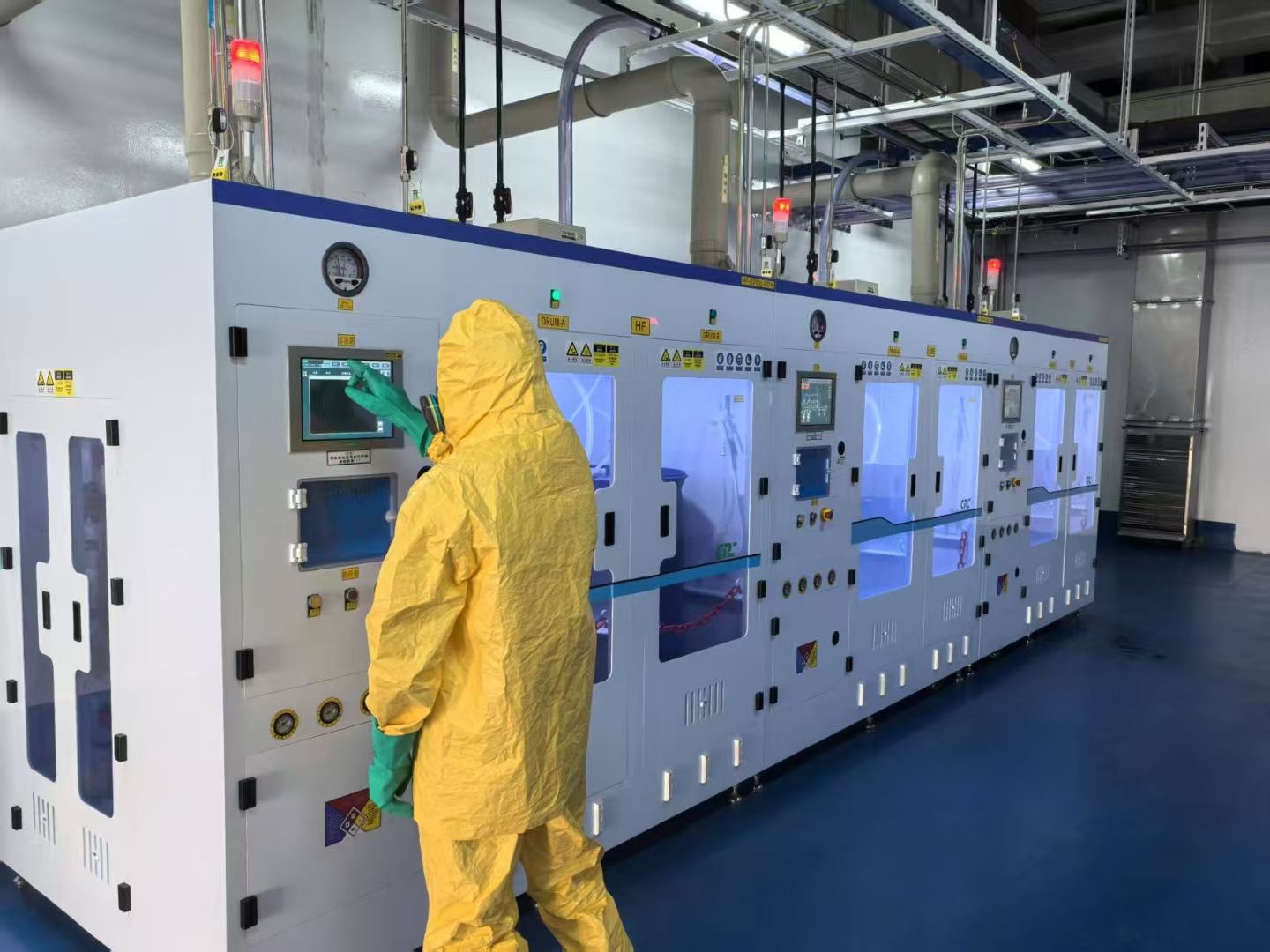
1. What Are Semiconductor Gas Cabinet Systems?
A gas cabinet is a ventilated, fire-resistant enclosure designed to house gas cylinders and associated gas delivery components. Unlike simple gas storage racks, semiconductor gas cabinet systems for high purity gas delivery incorporate advanced pressure control, purging mechanisms, leak detection, and automatic shut-off valves. Their primary mission is twofold: protect the purity of the gas stream and ensure operator and facility safety.
In a typical fab, gases such as silane (SiH₄), nitrogen trifluoride (NF₃), tungsten hexafluoride (WF₆), and arsine (AsH₃) are stored in cylinders inside these cabinets. The cabinet connects to a gas stick or gas panel, which further reduces pressure and distributes the gas to process tools like etchers, CVD reactors, or ion implanters. Without these cabinets, the risk of particulate contamination, moisture ingress, and catastrophic leaks would make advanced semiconductor production impossible.
2. Why High Purity Matters in Semiconductor Gases
Semiconductor processes demand gases with impurity levels measured in parts per billion (ppb) or even parts per trillion (ppt). A single molecule of moisture or oxygen can destroy a wafer’s thin oxide layer. A metallic particle can short-circuit a transistor. This is why semiconductor gas cabinet systems for high purity gas delivery are designed with ultra-clean internal surfaces, typically electropolished 316L stainless steel, and components that minimize dead space where contaminants could accumulate.
Consider chemical vapor deposition (CVD): if the precursor gas contains moisture, it can form unwanted oxides, leading to film non-uniformity and device failure. Similarly, in plasma etching, oxygen contamination changes the etch rate and selectivity. High-purity delivery is not a luxury—it is a yield-determining factor. Gas cabinets achieve this by providing continuous purge cycles (using inert nitrogen) and maintaining positive pressure in all gas lines, preventing back-diffusion of ambient air.
3. Core Components of a High-Purity Gas Cabinet System
To appreciate their complexity, let’s break down the typical architecture of a semiconductor gas cabinet system for high purity gas delivery:
-
Cylinder compartment: Accommodates one or two gas cylinders (automatic changeover designs). Equipped with restraint straps and weight scales or ultrasonic level sensors.
-
Pneumatic valves: Actuated by instrument air or nitrogen, enabling remote and automated shut-off.
-
Pressure regulators: Two-stage or single-stage, built with stainless steel diaphragms to prevent particle generation.
-
Purge system: Automatic N₂ purge cycles for cylinder change-out and leak testing.
-
Leak detectors: Electrochemical sensors (for toxic gases), catalytic bead sensors (for flammables), or ultrasonic sensors.
-
Exhaust ducting: Maintains negative pressure inside the cabinet (typically at 100–150 ft/min face velocity) to capture any accidental release.
-
Control panel: PLC-based interface with alarms, cylinder pressure readouts, and communication to facility gas monitoring systems.
-
Scrubber integration: For highly toxic gases, cabinets may be vented to an abatement system.
Each component is selected for material compatibility. For example, for HCl or Cl₂, nickel-plated or Monel® components resist corrosion; for silane, the entire system is electropolished to prevent pyrophoric reactions.
4. Safety Features That Define Modern Gas Cabinets
Safety is the most visible design driver. A robust semiconductor gas cabinet system for high purity gas delivery incorporates redundant layers of protection:
-
Automatic valve closure: If a leak is detected at >50% of the IDLH (Immediately Dangerous to Life or Health) level, the cabinet automatically closes the cylinder valve and activates the exhaust.
-
Seismic qualification: Especially important in regions like Taiwan or Japan, cabinets must remain operational after an earthquake.
-
Fire sprinkler connections: Inside the cabinet, heat-sensitive sprinkler heads are installed for flammable gases.
-
Double-contained tubing: For extremely hazardous gases like phosphine (PH₃), tubing within an outer shroud vents any leak to the scrubber.
-
Remote purge and emergency shutdown (ESD): Operators can initiate shutdown from a central control room.
Standards such as SEMI S2, NFPA 318 (for semiconductor facilities), and CGA (Compressed Gas Association) guidelines govern the design and testing of these cabinets. Leading manufacturers like Applied Energy Systems, Versum Materials (now Merck), and Critical Systems Inc. certify their cabinets to these norms.
5. Types of Gas Cabinets Based on Gas Category
Not all gases are equal. Therefore, semiconductor gas cabinet systems for high purity gas delivery come in specialized variants:
A. Corrosive Gas Cabinets
For HCl, Cl₂, BCl₃, HBr. Features: All wetted parts are Hastelloy or PTFE-lined; exhaust system is also corrosion-resistant.
B. Toxic Gas Cabinets
For AsH₃, PH₃, GeH₄. These have dual sensors, higher exhaust rates, and often integrate with local scrubbers or point-of-use abatement.
C. Flammable Gas Cabinets
For H₂, SiH₄, CH₄. Equipped with flame arrestors, explosion-proof electrical components, and automatic fire suppression.
D. Pyrophoric Gas Cabinets
Silane and dichlorosilane fall here. They require nitrogen purging of the entire cylinder compartment and careful prevention of any air ingress.
E. Inert Gas Cabinets
For N₂, Ar, He. Simpler design but still need purity protection; often used for purge connections.
Many modern fabs use multi-category cabinets with universal componentry, but strict segregation is enforced during gas assignment.
6. Application in Semiconductor Manufacturing Processes
Where exactly are semiconductor gas cabinet systems for high purity gas delivery deployed? Every major module of chip fabrication relies on them:
-
Diffusion & Oxidation: O₂, H₂, N₂ for furnace processes. Gas cabinets ensure dew points below -80°C.
-
Chemical Vapor Deposition (CVD): SiH₄, TEOS, NH₃, N₂O. Contamination here causes film cracking.
-
Atomic Layer Deposition (ALD): Precursors like TMA (trimethylaluminum) are extremely moisture-sensitive; gas cabinets provide low-particulate transfer.
-
Etching: Fluorocarbons (CF₄, C₄F₈), Cl₂, HBr. Cabinet exhaust prevents corrosive damage to other fab equipment.
-
Doping (Ion Implantation): Arsine, phosphine, boron trifluoride. These ultra-toxic gases require the highest safety level (often Type 3 cabinets with automatic cylinder changeover).
-
Cleaning (in-situ plasma cleaning): NF₃ or F₂ used to clean CVD chambers. Cabinets for NF₃ must handle high flow rates.
Without these specialized cabinets, each of these processes would pose unacceptable risks or yield losses.
7. Best Practices for Maintenance and Monitoring
To keep a semiconductor gas cabinet system for high purity gas delivery operating at peak performance, facility engineers follow rigorous protocols:
-
Helium leak checking: Perform at every cylinder change or quarterly. Using a mass spectrometer leak detector, target leak rates <1×10⁻⁹ atm·cc/sec He.
-
Particle testing: Sample the gas stream with a liquid particle counter (for gases like Cl₂) or a condensation nucleus counter (for inert gases).
-
Regulator rebuild: Diaphragms wear out after ~2 years or 50,000 cycles. Replace proactively to avoid pressure drift.
-
Sensor calibration: Gas detectors are calibrated every 3-6 months using certified calibration gases.
-
Purge verification: Measure residual oxygen or moisture after a cylinder change; acceptable O₂ <1 ppm, H₂O <1 ppm.
Modern cabinets integrate with facility monitoring systems (FMS) using 4-20 mA signals or EtherNet/IP. Operators receive real-time alerts on cylinder levels, leak detection, and valve positions. Predictive maintenance algorithms can flag a failing regulator based on pressure decay patterns.
8. Emerging Trends in Gas Cabinet Technology
The semiconductor industry never stops evolving, and neither do semiconductor gas cabinet systems for high purity gas delivery. Key trends shaping the next decade include:
-
Industry 4.0 / IIoT: Wireless cylinder level sensors, remote configuration, and cloud-based analytics for fleet management across multiple fabs.
-
Ultra-high purity materials: Moving from 316L to 316L VAR (vacuum arc remelted) or even sapphire-coated components to reduce outgassing.
-
Modular and toolbox designs: Cabinets that allow quick swapping of gas sticks for different chemistries, reducing fab ramp-up time.
-
Green gas cabinets: Energy-saving exhaust fans with VFDs, and integration with abatement systems that destroy global-warming gases like NF₃.
-
Sub-ppb delivery: As 2nm and 1nm nodes emerge, cabinets must guarantee <10 ppt of moisture and <100 ppt of metals.
Some suppliers now offer smart gas cabinets with built-in AI vision to verify cylinder barcodes and valve connections before starting flow—further reducing human error.
9. How to Choose the Right Gas Cabinet System
Selecting a semiconductor gas cabinet system for high purity gas delivery requires careful evaluation of:
-
Gas properties: Identify toxicity, flammability, corrosivity, and pyrophoricity. This determines whether you need SEMI S2, NFPA 55, or local fire code compliance.
-
Flow requirements: Maximum flow rate (slm) and pressure (psig). For high flows, use larger orifice regulators and valves.
-
Changeover strategy: Single cylinder for R&D; automatic changeover for 24/7 production to avoid downtime.
-
Integration capability: Does it speak SECS/GEM or plain Modbus? Match your fab host system.
-
Supplier support: Look for global service networks, especially if you have multiple fab locations.
Leading brands in this space include ATMI (now Entegris), Parker Hannifin, Fujikin, Ichor Systems, and Stainless Design Concepts. Request a FAT (Factory Acceptance Test) protocol and insist on polished internal surfaces (Ra < 15 µin).
10. Frequently Asked Questions (FAQ)
Q: Why can’t I just use a standard lab gas cabinet for semiconductor gases?
A: Semiconductor gas cabinets have much tighter purity controls (electropolished internal surfaces, helium leak-tested to 1e⁻⁹), automated purging, and integration with fab-wide gas monitoring. Standard cabinets lack these.
Q: How often should a gas cabinet be recertified?
A: Annually for functional safety (valves, sensors, ESD). Purity-related components like regulators are rebuilt every 2 years or based on cycle count.
Q: Can one cabinet handle both silane and chlorine?
A: Never. Cross-contamination could cause a violent reaction or produce hazardous byproducts. Dedicate cabinets per gas family or per chemistry.
Q: What is the typical cost of a semiconductor gas cabinet system?
A: From $15,000 for a simple inert gas cabinet to over $120,000 for a dual-cylinder, fully automated toxic gas cabinet with abatement interface.
Q: Do these cabinets require special electrical classification?
A: For flammable gases, electrical components must be Class I, Division 2 (or Zone 2) rated. For pyrophorics, often Division 1.
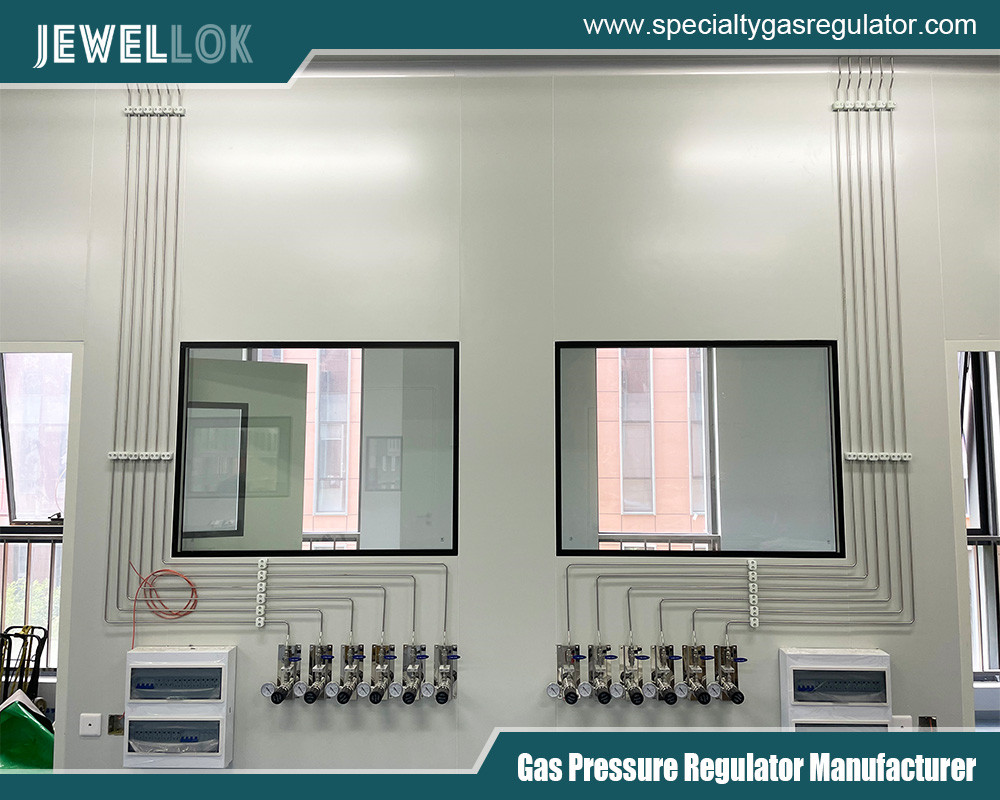
Conclusion
As semiconductor devices become more complex, the infrastructure supporting them must achieve zero defects. Semiconductor gas cabinet systems for high purity gas delivery are not merely storage boxes—they are critical process equipment that safeguard both product yield and human life. From their sophisticated purge sequences to their redundant safety interlocks, these cabinets enable the precise chemistry that defines the digital age.
Investing in high-quality gas cabinets, following strict maintenance schedules, and staying abreast of emerging IoT and purity technologies will ensure that your fab operates at the highest levels of reliability and compliance. Whether you are designing a new 300mm facility or upgrading an existing line, never compromise on the integrity of your gas delivery system. After all, in the world of nanometers, a single gas molecule makes all the difference.
For more about semiconductor gas cabinet systems for high purity gas delivery: the ultimate guide, you can pay a visit to Jewellok at https://www.specialtygasregulator.com/product-category/specialty-gas-cabinet/ for more info.
-
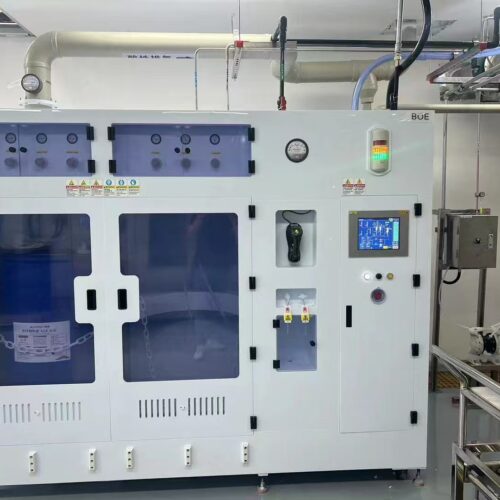
High Purity Bulk Chemical Delivery System and Automatic CDU for Advanced Semiconductor Manufacturing and Fabrication
-
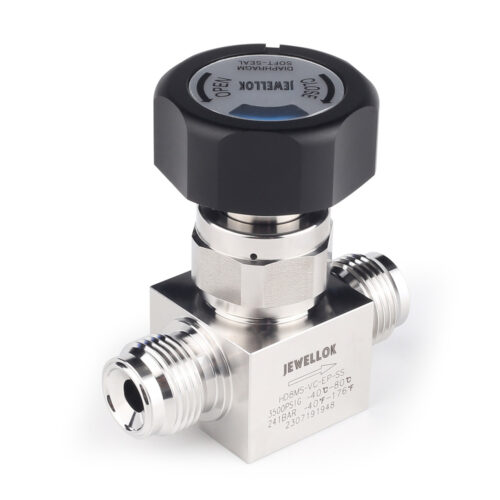
Stainless Steel Ultra High Purity (UHP) High Pressure Manual Diaphragm Valve
-
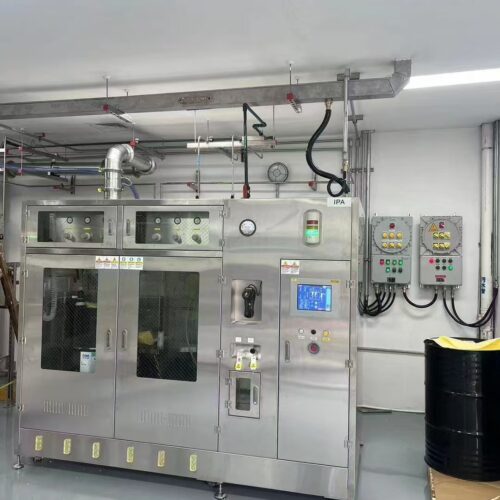
Ultra High Purity CDS Solutions Featuring 316L Electropolished Stainless Steel for Superior Chemical Integrity and Safety
-
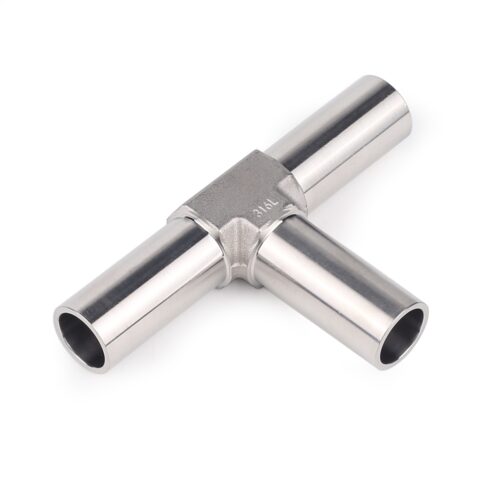
Stainless Steel Ultra Clean Welding Joint Fittings TW Series TRW Series & CW Series
-
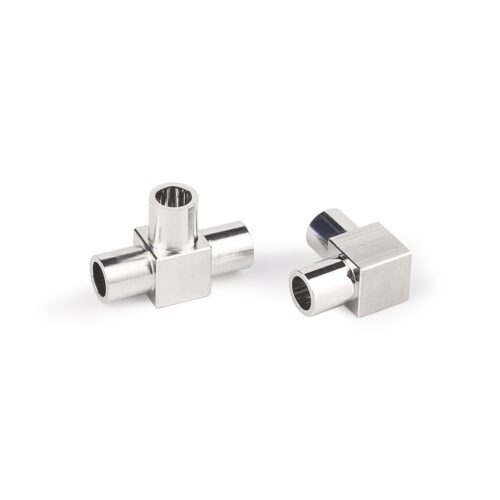
Stainless Steel Mini Elbow Mini Tee Mini Cross Mini Tribow Ultrahigh Purity Mini Butt Weld Fittings
-
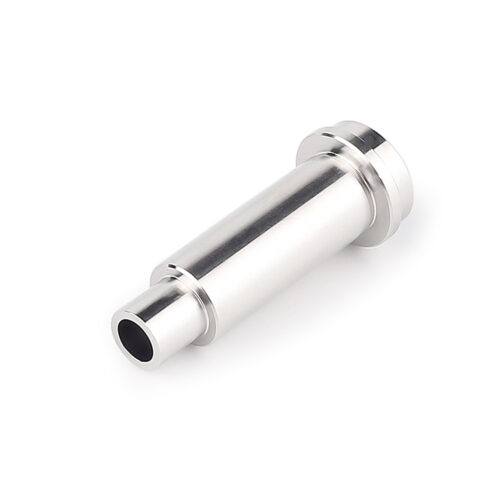
UHP Metal Gasket Face Seal Fittings Vacuum Coupling Metal Face Seal Join Long Gland And Short Gland
-
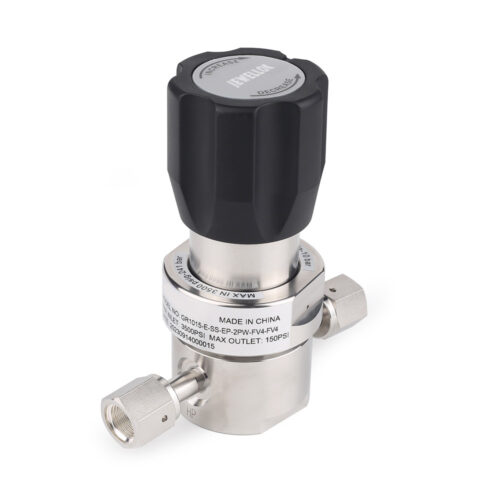
JR1000 Series UHP Ultra High Purity Single Stage Pressure Reducing Regulator And Low To Intermediate Flow
-
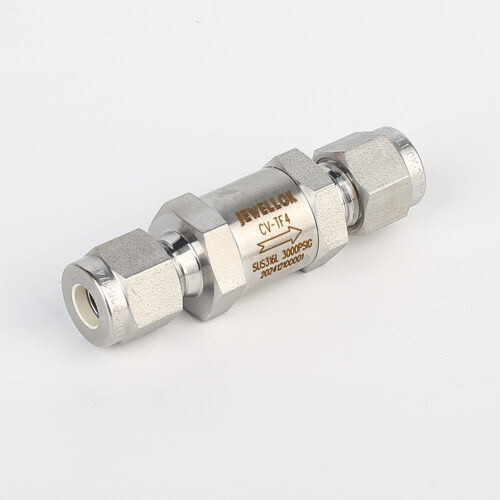
High Pressure High-Purity Welded Check Valves And Low Cracking Pressure Check Valve JCV1 Series