
Regulator Manufacturer Tel: +86 13380377051
Regulator Manufacturer Tel: +86 13380377051
From Source to Solution: The Imperative of Explosion-Proof Design and Interlock Control in Exhaust Gas Treatment Systems
In the modern industrial landscape, the exhaust gases treatment systems—particularly Volatile Organic Compounds (VOCs)—is not merely an environmental compliance issue but a critical safety imperative. As industries from pharmaceuticals to petrochemicals invest heavily in sophisticated abatement technologies such as Regenerative Thermal Oxidizers (RTOs), scrubbers, and adsorption-concentration systems, a paradoxical risk emerges: the very equipment designed to clean the air can become a potential bomb if not engineered with precision. The history of industrial accidents is littered with incidents where improper design, static electricity buildup, or operational missteps turned pollution control units into sources of catastrophic explosions. To truly achieve safety, we must shift from reactive mitigation to proactive prevention. This requires a dual-pronged strategy: explosion-proof design to eliminate ignition sources at the hardware level, and robust interlock control logic to manage the process dynamics that precede disaster.
The Anatomy of a Catastrophe: Understanding the Fire Triangle in Confined Spaces
Before delving into solutions, it is essential to understand why exhaust systems are uniquely vulnerable. Explosions occur when three elements of the “fire triangle” converge: fuel, oxidizer, and ignition source. In an exhaust system, the fuel is the concentrated VOC-laden air; the oxidizer is the abundant oxygen present in the air stream; and the confined geometry of ducts, fans, and vessels provides the perfect environment for pressure to build to destructive levels.
What makes these systems particularly volatile is the variability of the fuel load. During normal operations, VOC concentrations are kept below 25% of the Lower Explosive Limit (LEL). However, during abnormal conditions—such as solvent spills, batch process releases, or desorption cycles in carbon adsorbers—the concentration can spike dramatically, crossing into the explosive range. If at that exact moment an ignition source exists, the result is a deflagration that can rupture ductwork, destroy scrubber towers, and cause severe injury or fatality.
Explosion-Proof Design: Engineering the Hardware for Inherent Safety
The first line of defense is mechanical and structural design aimed at preventing the ignition of the explosive atmosphere. This is not simply about adding heavy enclosures; it is a holistic approach to material selection, zoning, and structural integrity.
1. Zoning and Electrical Classification
The cornerstone of explosion-proof design is the classification of hazardous areas. Standards such as NFPA 70 (National Electrical Code) in the US or ATEX in Europe define zones based on the likelihood of an explosive atmosphere. In exhaust systems, areas near duct openings, mixing chambers, and filter housings are often classified as Zone 1 or Zone 2 (or Class I Division 1/2 in North America).
All electrical equipment operating within these zones—motors, sensors, actuators, lighting—must be rated as explosion-proof. However, a common misconception is that “explosion-proof” means the device is sealed against the ingress of gas. In reality, an explosion-proof enclosure is designed to contain an internal explosion without rupturing and to cool escaping hot gases so that they cannot ignite the surrounding atmosphere. Using standard industrial motors or unsealed limit switches in these areas is akin to placing a matchstick inside a fuel tank.
2. Inerting and Deflagration Venting
For systems handling highly flammable mixtures, inerting is a powerful design strategy. By injecting nitrogen or other inert gases into the headspace of a scrubber or the ductwork upstream of a fan, engineers can reduce the oxygen concentration below the Minimum Oxygen Concentration (MOC) required for combustion.
When inerting is not feasible, passive explosion venting is mandatory. Equipment like dust collectors and RTOs must be equipped with explosion vents (burst panels). These are engineered weak points designed to open at a predetermined pressure (typically 0.1 to 0.5 psi) to direct the expanding combustion gases safely to the atmosphere. The design must account for the “reduced pressure” (P_red) to ensure that the vessel does not fragment, and the venting area must be calculated based on the K_st (explosion severity) of the material. Critically, the venting path must be directed to a safe, unoccupied area.
3. Static Electricity Mitigation
VOCs flowing through non-conductive ductwork generate significant static electricity. If a non-conductive polypropylene (PP) or fiberglass-reinforced plastic (FRP) duct is used without continuous grounding, a static discharge can occur, providing the necessary ignition source. Proper explosion-proof design mandates that all conductive parts of the system—including the reinforcing ribs in FRP ducts—are bonded and grounded. Furthermore, the velocity of gas flow should be limited (typically below 20 m/s for flammable gases) to reduce electrostatic charge generation.
The Role of Interlock Control: The Digital Nervous System
While hardware design provides the structural defense, interlock control systems act as the brain, preventing the conditions for an explosion from ever materializing. In modern Industry 4.0 environments, a programmable logic controller (PLC) with a Safety Integrity Level (SIL) rating oversees the operation. The goal of the interlock logic is to maintain a safe state by continuously monitoring critical parameters and taking automated corrective action—or executing a controlled shutdown—before limits are breached.
1. LEL Monitoring and Interlock Hierarchy
The most critical variable in any VOC treatment system is the concentration of combustibles relative to the LEL. A Continuous LEL Monitoring system is typically installed at the inlet of the abatement device.
The interlock logic is structured to respond to escalating risk:
-
Alarm Stage (10-20% LEL): If concentrations exceed a pre-set threshold (e.g., 25% LEL), the system sounds an alarm, signaling the operator to investigate. At this stage, the system remains operational but under observation.
-
Dilution Stage (20-40% LEL): If concentrations rise further, the interlock activates a fail-safe mechanism, typically a fast-acting dilution valve that introduces fresh air to lower the VOC concentration to safe levels.
-
Trip Stage (≥50% LEL): If the concentration continues to rise despite dilution, or if the dilution air fails, the interlock must execute a hard trip. This involves immediate shutdown of the process fan or isolation of the abatement unit. This is a critical juncture; the logic must be designed to close isolation valves and cut power to potential ignition sources (such as heating elements in RTOs or thermal oxidizers) before the flammable mixture reaches the combustion chamber.
2. Flow Monitoring and Fan Interlocks
A silent killer in exhaust gas treatment systems is the loss of airflow. If an exhaust fan fails or if dampers close inadvertently, VOC vapors can accumulate in stagnant ducts. Explosion-proof design requires differential pressure switches or airflow sensors that are interlocked with the process equipment.
A common safety protocol is the “Fan First – Heater Last” sequence. During startup, the control system must verify adequate airflow (purge cycle) before allowing any ignition source (like a burner or electric heater) to activate. Conversely, during shutdown or fault conditions, the heater must be cut off instantly, while the fan continues to run for a defined “purge time” to evacuate any residual flammable gases from the system.
3. Fire Suppression Integration
For systems handling high LEL spikes or particulate matter (such as in paint spray booths), fire suppression interlocks are essential. If a spark detector in a duct senses a spark (via ultraviolet/infrared sensors), the interlock must initiate a deluge within milliseconds. Simultaneously, the control system must shut down the conveying fan to prevent feeding oxygen to the potential fire.
Case Study: The Risks of Bypassing Interlocks
To understand the necessity of these systems, consider the failure mode of a typical RTO system. In one incident, a plant experienced a sudden surge of solvent during a batch dumping process. The LEL monitor spiked to 60%. Although the system was designed with a dilution valve, maintenance crews had previously locked out the valve due to a mechanical fault, bypassing the interlock.
When the PLC attempted to open the dilution valve, it received no feedback confirmation. According to the programming logic, the system should have performed a hard trip, closing the inlet isolation valve and shutting down the fan. However, because the operators had overridden the safety interlock to maintain production, the fan continued to push the 60% LEL mixture directly into the combustion chamber. The result was a detonation inside the ceramic bed, which blew off the explosion panels but also buckled the structure of the unit, leading to a week of production downtime and near-miss injuries.
This incident highlights a fundamental truth: safety interlocks are not “production impediments”; they are non-negotiable layers of protection. Bypassing them without a strict management-of-change (MOC) procedure effectively removes the safety net.
Holistic Integration: From Source to Release
A truly safe exhaust gas treatment system does not view the fan, duct, scrubber, and control panel as separate components. Instead, it views them as a unified system where the safety of the whole is dependent on the integrity of the parts.
From the source, containment is key. Local exhaust hoods must be designed to capture VOCs efficiently without allowing stagnant layers to form. In the ductwork, materials must be conductive, and flame arrestors should be installed between the process source and the abatement equipment to quench any flame front traveling upstream. At the treatment unit, explosion relief panels must be properly sized, and discharge areas must be designated as hazardous zones.
Crucially, the control system must feature redundancy. Critical safety functions, such as emergency shutdowns and high-LEL trips, should be hardwired or implemented via a dedicated Safety PLC (SIL 2 or SIL 3 rated), separate from the standard process control logic. This ensures that if the main PLC experiences a communication fault or CPU error, the safety functions remain active.
Conclusion
The phrase eliminate explosions at the source encapsulates the philosophy that safety in exhaust gas treatment systems cannot be an afterthought. It cannot be retrofitted with a few sprinklers or warning labels once the system is built. It must be woven into the fabric of the engineering design from the initial concept.
As environmental regulations tighten, forcing industries to capture higher concentrations of VOCs and handle more complex chemical mixtures, the risk profile of these systems increases. Explosion-proof design provides the robust, passive foundation—grounded equipment, properly zoned electricals, and structural venting—that prevents the hardware itself from becoming an ignition source. Meanwhile, sophisticated interlock controls provide the dynamic, active protection that manages the unpredictability of industrial processes, ensuring that even when human error occurs or process upset conditions arise, the system fails safely rather than catastrophically.
Investing in these dual layers of protection is not merely a matter of regulatory compliance; it is a fundamental economic and ethical responsibility. The cost of a single explosion—in human life, legal liability, and reputational damage—far outweighs the upfront investment in certified explosion-proof components and validated safety control systems. By committing to this integrated approach, industry can achieve the ultimate goal: treating hazardous exhaust gases without creating an even greater hazard in the process.
For more about from source to solution: the imperative of explosion-proof design and interlock control in exhaust gas treatment systems, you can pay a visit to Jewellok at https://www.specialtygasregulator.com/product-category/specialty-gas-cabinet/ for more info.
-
Ultra High Purity Gas Delivery Systems And Liquid Chemical Delivery Systems JW-300-LDS
-
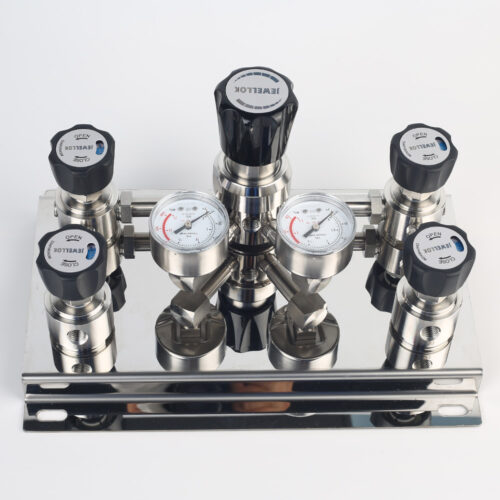
Single Stage Wall And Cabinet Mounting Pressure Control Panels JSP-2E Series For High Purity Gases
-
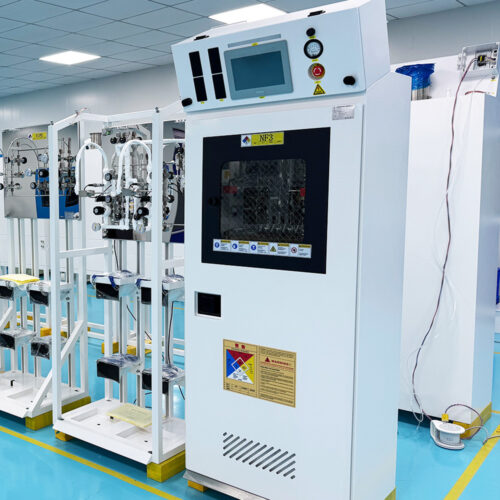
Semi Automatic Gas Cabinet Gas Panels High Purity Gas Delivery Systems JW-200-GC
-
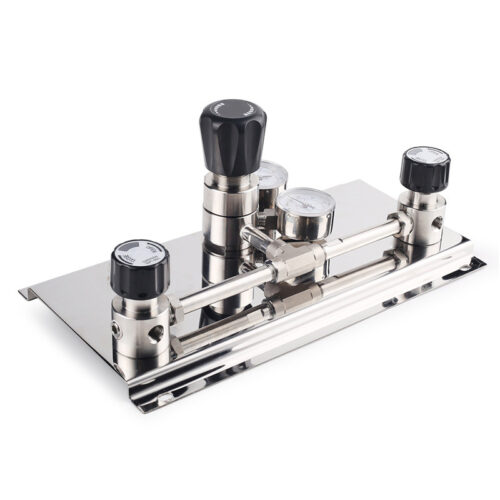
High Purity Semi-Auto Stainless Steel Changeover Manifold System, Nitrogen High Pressure Control Panel With Semiconductor Valve Manifold Box Diaphragm Valves
-
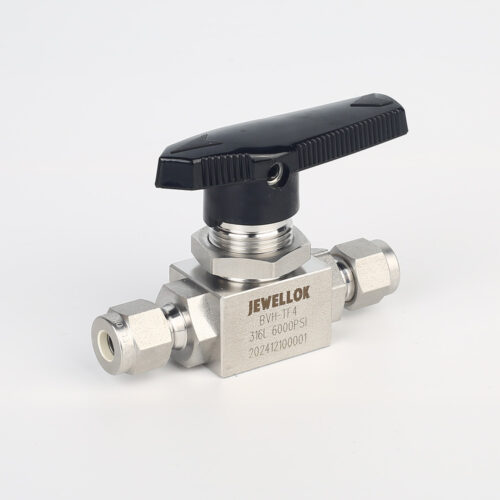
High Purity High Pressure 316 Stainless Steel Ball Valves JBV1 Series From High Pressure Ball Valve Manufacturer And Supplier In China
-
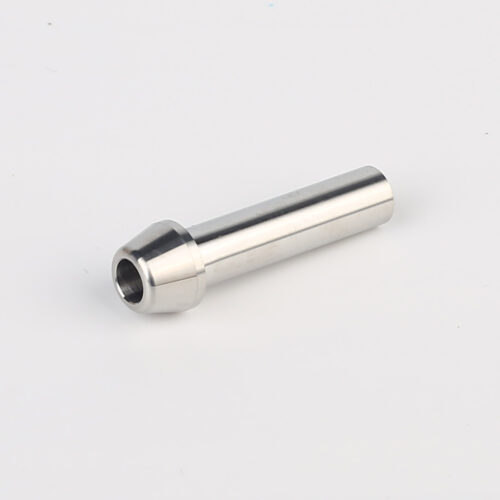
767LP Port Connector Ultra High Purity VCJ Metal Gasket Face Seal Tube Fittings
-
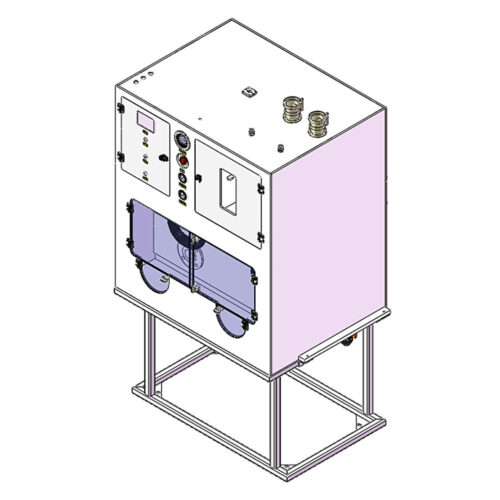
Clean Connection Cabinet JW-300-CCB Valve Manifold Box And Control Valve Box
-
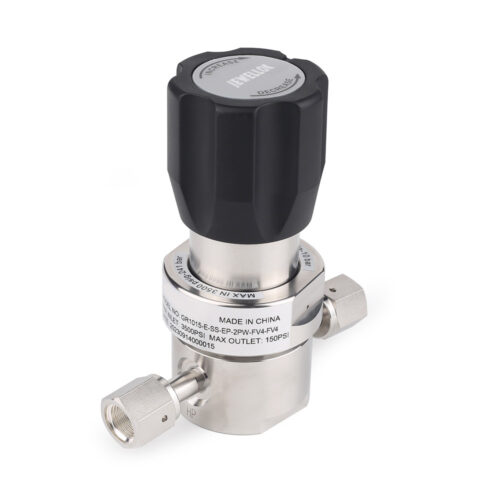
JR1000 Series UHP Ultra High Purity Single Stage Pressure Reducing Regulator And Low To Intermediate Flow