
Regulator Manufacturer Tel: +86 13380377051
Regulator Manufacturer Tel: +86 13380377051
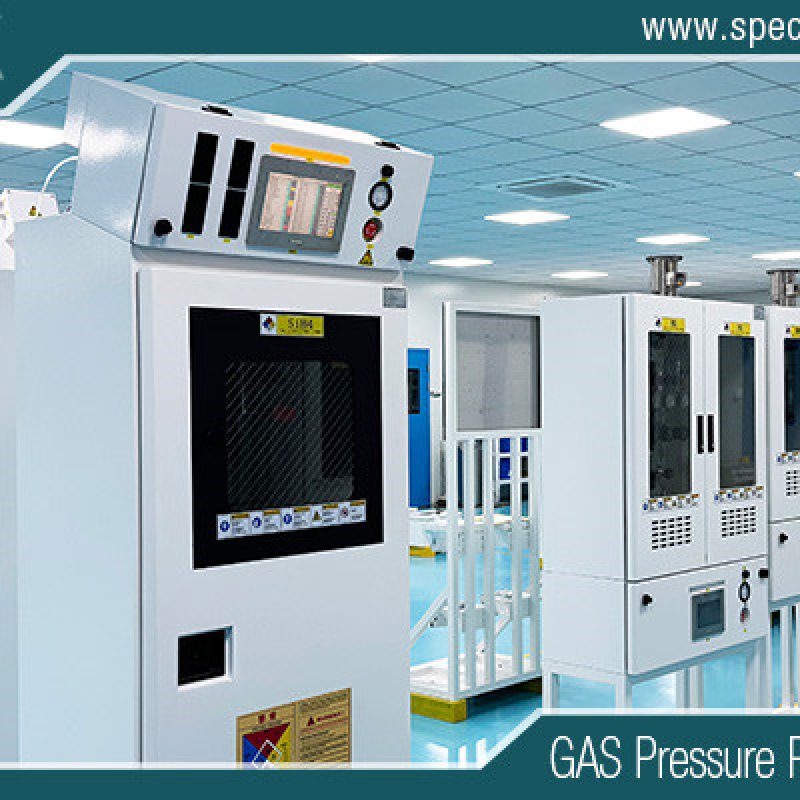
High Purity Stainless Steel CDM Gas Cabinet for Semiconductor Manufacturing
The relentless march of semiconductor technology, governed by Moore’s Law, demands ever-shrinking geometries and increasingly complex device architectures. This progression places extreme requirements on the purity of the materials used in the fabrication process. Among the most critical and hazardous of these materials are the specialty gases used for doping, deposition, and etching. The interface between the bulk gas supply and the manufacturing tool is the gas cabinet, a piece of equipment often overlooked but absolutely vital to yield, safety, and process control. This article delves into the critical role of the High Purity Stainless Steel Chemical Delivery Module (CDM) gas cabinet, exploring its material science foundations, design philosophy, safety systems, and its indispensable contribution to modern semiconductor manufacturing.

1.The Critical Interface in Semiconductor Fabrication
In a semiconductor fab, colloquially known as a “fab,” the air is millions of times cleaner than a hospital operating room. Wafers of ultrapure silicon are subjected to hundreds of intricate processes to create the intricate circuitry of a modern microchip. These processes—such as chemical vapor deposition (CVD), atomic layer deposition (ALD), and plasma etching—rely on a precise and ultrapure flow of specialty gases. These gases, including toxic, corrosive, pyrophoric, and flammable compounds like silane (SiH₄), ammonia (NH₃), hydrogen chloride (HCl), and tungsten hexafluoride (WF₆), are stored in cylinders housed in specialized enclosures: gas cabinets.
A gas cabinet is far more than a simple storage box. It is a sophisticated, engineered safety and delivery system. Its primary functions are to:
-
Securely contain high-pressure, hazardous gas cylinders.
-
Ensure the absolute purity of the gas as it transitions from the cylinder valve to the fab’s gas distribution system.
-
Precisely control the delivery of the gas, whether in manual, semi-automatic, or fully automatic modes.
-
Protect personnel and the fab from the immense hazards associated with gas leaks or cylinder failures.
The Chemical Delivery Module (CDM) gas cabinet represents the pinnacle of this technology, specifically engineered to meet the exacting demands of advanced semiconductor nodes, where contamination is measured in parts-per-trillion (ppt).
2. The Material Science of Purity: 316L Stainless Steel
The choice of construction material for a CDM gas cabinet is paramount. For decades, 316L stainless steel has been the industry standard, and for good reason. The “L” stands for low carbon (maximum 0.03%), which is the first critical feature. This low carbon content prevents “sensitization”—the precipitation of chromium carbides at grain boundaries during welding. Sensitization depletes the area around the weld of chromium, making it susceptible to corrosion and a potential source of particle generation.
However, “316L” alone is not a sufficient specification for high-purity applications. The metallurgy must be carefully controlled to enhance corrosion resistance and surface quality. Key aspects include:
-
Controlled Chemistry: Specifications often call for “electropolished (EP) grade” 316L stainless steel. This grade features tighter controls on non-metallic inclusions, such as sulfides and oxides. These inclusions can act as initiation sites for corrosion or can be dislodged from the surface, becoming particulate contaminants in the gas stream.
-
Surface Finish: The internal surface of the gas-wetted components is the final frontier in purity. Standard stainless steel has a rough, irregular surface with microscopic peaks and valleys. These “peaks” can break off, and the “valleys” can trap moisture, hydrocarbons, and other contaminants, which then slowly desorb into the high-purity gas stream.
-
Mechanical Polishing: The first step is often mechanical polishing to smooth the surface.
-
Electropolishing (EP): This is the critical final step. The component is submerged in an electrolytic bath and subjected to an electric current. This process preferentially dissolves the “peaks” of the surface roughness, resulting in a smooth, uniform, and chemically passive surface. Electropolishing also removes a thin layer of the surface, eliminating any embedded contaminants or deformed material from the manufacturing process. The result is a surface that is significantly less reactive and has a much lower affinity for trapping contaminants.
-
3. Core Design Principles of a High Purity CDM Gas Cabinet
The design of a CDM gas cabinet is a holistic exercise in purity preservation and risk mitigation. Every component, from the cylinder connection to the outlet valve, is selected and assembled with these principles in mind.
3.1. The Gas Panel: The Heart of Delivery
At the core of the cabinet is the gas panel, a meticulously engineered assembly of valves, regulators, filters, and fittings, all mounted on a clean electropolished stainless steel sheet.
-
Welding: Connections are a primary source of potential leaks and contamination. High-purity gas systems rely on orbital welding (automatic TIG welding) under a purge of inert gas (typically argon). This creates a “fusion weld” where the two pieces of tubing are melted together without the need for filler material, resulting in a joint that is as strong and corrosion-resistant as the base metal. The weld must be smooth, consistent, and free of oxidation (indicated by a “sugar” or discoloration), which is achieved through the inert gas purge. After welding, the integrity of the weld can be verified by techniques such as boroscopic inspection or X-ray.
-
Diaphragm Valves: Standard valves with packing glands are a major source of particle generation and atmospheric ingress. High-purity systems exclusively use metal diaphragm valves. In these valves, a thin, flexible metal diaphragm is pressed against a seat to seal the flow. This creates a hermetic seal, isolating the process gas from the valve’s mechanical operating parts and the atmosphere. They are designed for millions of cycles with minimal particle generation.
-
Pressure Regulation: Maintaining a stable, precise downstream pressure is critical. High-purity regulators are designed with minimal dead volume (the space where gas can become trapped) and feature stainless steel diaphragms for the same purity reasons as the valves.
3.2. Surface Finish and Cleanliness
As discussed, the internal surface finish is key. All gas-wetted components in a CDM gas cabinet are specified to have an electropolished surface finish, often with a maximum average roughness (Ra) of less than 0.25 micrometers (10 micro-inches) or even finer for the most critical applications.
3.3. Leak Integrity
A CDM gas cabinet must be vacuum-tight. This is verified through stringent leak testing. The assembled panel is typically pressurized with an inert gas like helium, and a mass spectrometer sniffer is used to detect even the most minute leak. Leak rates are often specified to be less than 1 x 10⁻⁹ mbar·L/s, ensuring that no atmospheric moisture or oxygen can back-diffuse into the system and that no hazardous gas can escape to the environment.
4. Safety Systems: Engineering Out the Risk
Given the hazardous nature of the gases involved, safety is not an afterthought; it is the foundational design requirement.
-
Double Containment: The gas-wetted components are housed within the cabinet itself, which serves as the primary layer of containment. The cabinet is constructed of double-walled, fire-resistant steel and is continuously ventilated. An exhaust system pulls air through the cabinet, creating a negative pressure. In the event of a small leak, the hazardous gas is immediately captured and safely vented to a central abatement or scrubber system, preventing it from entering the fab environment.
-
Automatic Changeover (for CDMs): In high-volume manufacturing, production cannot stop to change an empty cylinder. CDM cabinets are often configured with two or more cylinders. An automatic changeover system monitors cylinder pressure. When the primary cylinder is nearly empty, the system automatically switches to the secondary cylinder, ensuring an uninterrupted gas supply to the tool. Advanced systems include purge sequences to prevent the mixing of incompatible gases or the ingress of air during the cylinder change process.
-
Gas Detection and Emergency Shutdown: The cabinet is equipped with dedicated sensors that continuously monitor for the specific gases it contains. If a leak is detected above a preset threshold, the system initiates an automatic emergency shutdown. This typically involves:
-
Isolating the cylinder by closing its valve (often pneumatically actuated).
-
Triggering audible and visual alarms inside and outside the fab.
-
Signaling the fab’s central safety system.
-
-
Excess Flow Valves and Pressure Relief: These mechanical safety devices provide a final layer of protection. An excess flow valve will automatically shut off the gas flow if the flow rate exceeds a predetermined set point (indicating a major line rupture downstream). A pressure relief device is a calibrated burst disc designed to rupture safely if the cylinder pressure becomes dangerously high (e.g., in a fire), directing the released gas into the cabinet’s exhaust system in a controlled manner.
5. CDM Gas Cabinets in Semiconductor Applications
Different processes require different gas delivery strategies, and the CDM gas cabinet is adapted accordingly.
-
Corrosive Gases (e.g., HCl, HBr, Cl₂): For these applications, the choice of 316L stainless steel is critical for its corrosion resistance. The gas panel may be designed for frequent purging to remove any corrosive byproducts that could accumulate.
-
Pyrophoric Gases (e.g., SiH₄, PH₃, B₂H₆): These gases ignite spontaneously on contact with air. Safety protocols for these cabinets are the most stringent. The gas panel is often operated under a vacuum or inert gas blanket. The cylinder connection area is meticulously purged with nitrogen before and after cylinder changes to prevent any air from contacting the residual gas in the fitting. The cabinet’s exhaust and fire suppression systems are designed to handle a potential ignition event.
-
High-Purity Inerts (e.g., Ar, N₂, He): While less hazardous, the purity requirements are still paramount. These cabinets deliver the inert carrier and purge gases that are used throughout the fab. The focus here is on eliminating moisture and oxygen to the ppt level.
6. Future Trends and Conclusion
As semiconductor nodes advance toward the 2nm scale and beyond, the tolerances for contamination will become even tighter. This drives continuous innovation in gas cabinet technology. Future trends include:
-
Advanced Surface Treatments: Beyond electropolishing, new surface passivation techniques, such as advanced chemical treatments or coatings, are being developed to create even less reactive surfaces.
-
In-Situ Purification: Integrating point-of-use purifiers directly within the gas cabinet, as close to the tool as possible, to remove the last traces of contaminants.
-
Industry 4.0 Integration: CDM gas cabinets are becoming “smart” devices on the fab floor. With embedded sensors and IIoT (Industrial Internet of Things) connectivity, they provide real-time data on gas consumption, cylinder status, component health (e.g., regulator cycling), and leak detection. This data is integrated into fab-wide monitoring systems for predictive maintenance and process optimization.
Conclusion
the High Purity Stainless Steel CDM Gas Cabinet is a masterpiece of precision engineering. It is a silent guardian and a critical enabler of the semiconductor industry. By marrying advanced metallurgy with meticulous design and redundant safety systems, it performs the seemingly contradictory tasks of safely containing some of the world’s most hazardous materials while simultaneously delivering them with unimaginable purity. It stands as a testament to the fact that in the world of nanoscale manufacturing, the purity of the container is just as important as the purity of the contents.
For more about the high purity stainless steel CDM gas cabinet for semiconductor manufacturing, you can pay a visit to Jewellok at https://www.specialtygasregulator.com/product-category/specialty-gas-pressure-regulators/ for more info.
-
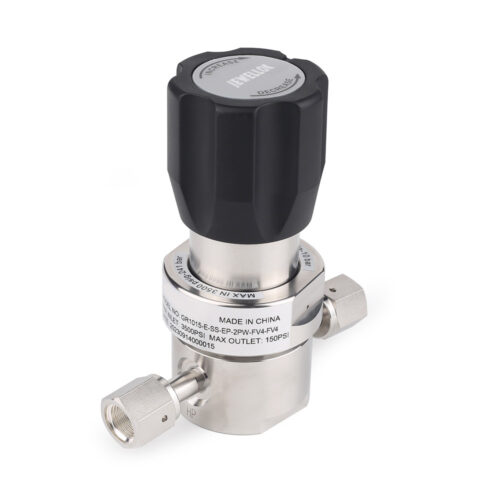
JR1000 Series UHP Ultra High Purity Single Stage Pressure Reducing Regulator And Low To Intermediate Flow
-
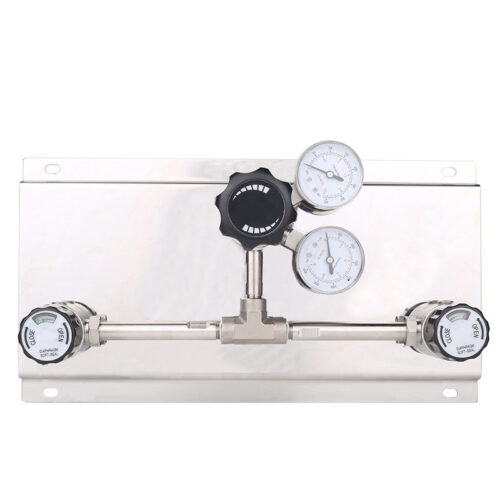
High Pressure High Flow Specialty Gas Control Panel With Diaphragm Valve , 3000Psig Oxygen Control Medical Changeover Manifold Panel
-
316L Stainless Steel Tube Butt Weld Reducing Fittings Union Reducer RW Series Ultrahigh Purity Process
-
High Purity Bulk Specialty Gas Pressure Control And Filtration Bulk Gas Skid Systems JW-300-BSGS
-
Chemical Delivery Modules for Automated Blending and Precise Dilution in Modern Wafer Cleaning Applications
-
High Purity High Pressure Stainless Steel Needle Valve Natural Gas Flow Control Valve JNV Series
-
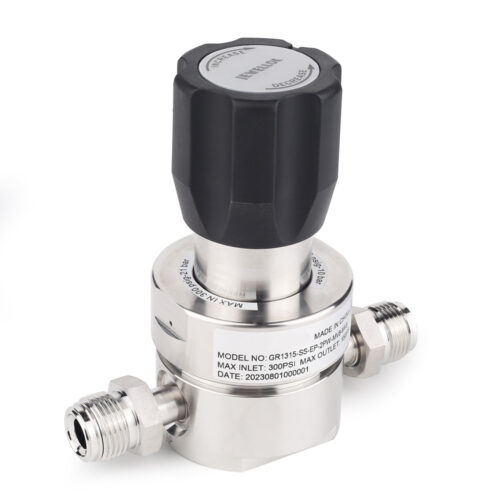
JR1300 Series Ultra High Purity Single Stage Regulator High Flow Line Regulator For Ultra High Purity Intermediate Flow
-
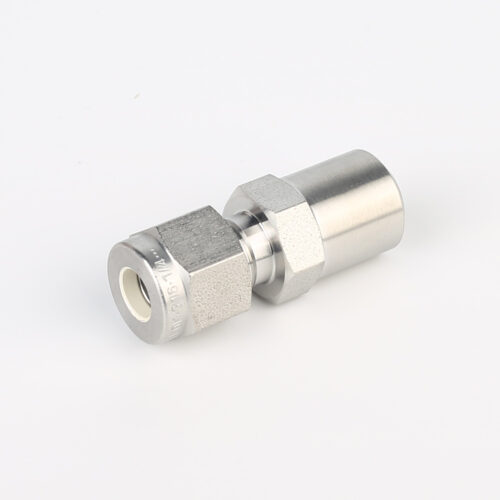
768LN Stainless Steel Male Pipe Tube Butt Weld Connector And Tube Fittings Supplier