
Regulator Manufacturer Tel: +86 13380377051
Regulator Manufacturer Tel: +86 13380377051
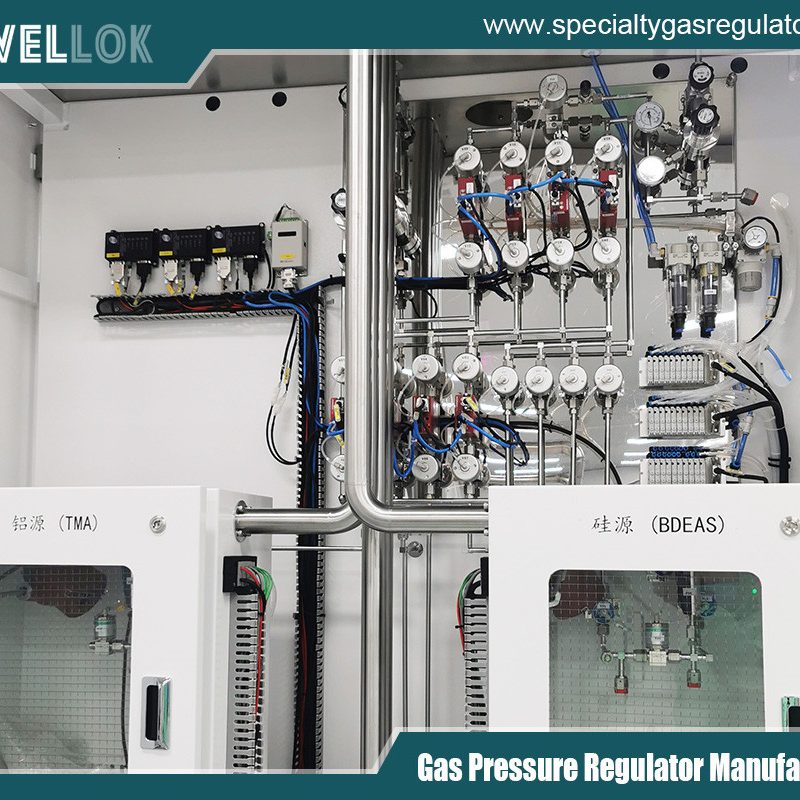
How Does a UHP 316L Stainless Steel Diaphragm Valve Work?
In the precision-driven worlds of semiconductor fabrication, biotechnology, pharmaceutical production, and advanced scientific research, the control and purity of process fluids are non-negotiable. A single microscopic contaminant or an undocumented interaction between a fluid and its containment system can lead to catastrophic yield loss, compromised drug safety, or invalid experimental data. At the heart of safeguarding these ultra-sensitive processes lies a critical component: the Ultra-High Purity (UHP) 316L Stainless Steel Diaphragm Valve. This valve is not merely a plumbing fitting; it is a meticulously engineered device designed for absolute isolation, cleanliness, and control. This article delves into the principles, mechanics, and materials that define how this essential valve operates.

- The Foundation: Understanding Ultra-High Purity (UHP) Requirements
Before dissecting the valve itself, one must understand the environment it serves. UHP systems handle gases and liquids (like deionized water, high-purity acids, solvents, and semiconductor process gases) where contaminant levels are measured in parts per billion (ppb) or even parts per trillion (ppt). Contaminants include:
- Particulates: Microscopic metallic or organic particles.
- Metallic Ions: Leached from wetted surfaces.
- Moisture and Oxygen: In gas systems.
- Biological Growth: In pharmaceutical water systems.
- Outgassing: Volatile compounds emitted from interior surfaces.
A UHP valve must therefore achieve two primary objectives: zero contamination addition and zero dead-leg fluid retention. Its design, material, and operation are entirely subservient to these goals.
- Core Components and Material Choice: Why 316L Stainless Steel?
A UHP 316L stainless steel diaphragm valve is defined by its minimalist, contamination-resistant construction:
- Body & Bonnet: Manufactured from 316L Stainless Steel. The “L” denotes a low-carbon variant (<0.03% carbon), which is crucial. Standard 316 stainless steel, when welded, can form chromium carbides at grain boundaries, leading to “sensitization” and susceptibility to corrosion. 316L prevents this, ensuring superior corrosion resistance against aggressive chemicals and high-purity water. The interior surface undergoes rigorous electropolishing, a process that removes the flawed, contaminant-trapping top layer of metal, creating a smooth, passive oxide layer that minimizes particle adhesion and enhances cleanability.
- The Diaphragm: This is the heart of the isolation mechanism. It is a flexible, elastomeric or plastic membrane (often made from PTFE (Teflon), PTFE-encapsulated elastomers, or perfluoroelastomers like FFKM) clamped between the body and the bonnet. The diaphragm is the sole component separating the process fluid from the actuation mechanism.
- Actuator: This can be manual (a handwheel or plunger), pneumatic, or electric. It applies force to a compressor (or stem) which, in turn, presses down on the diaphragm.
- Weir or Seat: A raised, smooth profile integrated into the body over which the diaphragm flexes to create a seal.
The choice of 316L provides the necessary strength, corrosion resistance, and surface-finish capabilities. The diaphragm material is selected based on the fluid’s chemical compatibility and temperature requirements, with PTFE being the gold standard for its inertness.
- The Working Principle: A Masterclass in Isolation
The operation of a diaphragm valve is elegantly simple and fundamentally different from other valve types like ball, gate, or globe valves. Its function can be broken down into two states:
- The Closed Position:
In the closed position, the actuator is engaged. The handwheel is turned, or the pneumatic piston is energized, driving the compressor downward. This compressor applies direct, even force onto the center of the flexible diaphragm. The diaphragm is pushed down until it conforms tightly and completely over the weir (a raised ridge in the valve body) or seat. This action creates a leak-tight, monolithic seal that physically and completely isolates the fluid passageway.
This is the valve’s defining feature: The process fluid contacts only the valve body and the diaphragm. It never comes into contact with the compressor, stem, actuator, or any potential leak paths like stem seals or packing glands. There is no shaft passing into the fluid stream, eliminating the primary source of fugitive emissions and contamination common in other valve designs.
- The Open Position:
To open the valve, the actuator is reversed. The compressor retracts upward, releasing pressure on the diaphragm. Due to its inherent elasticity and the system’s line pressure from upstream, the diaphragm springs back to its neutral, domed position. This retraction creates an unobstructed, full-bore flow path through the valve. The fluid flows over the weir with minimal turbulence and, critically, with no dead legs or crevices. The smooth, electropolished interior and the sweeping flow path prevent particle entrapment and facilitate complete drainage (self-draining design).
- The “UHP” Enhancements: Beyond Standard Design
A standard industrial diaphragm valve is refined into a UHP version through several critical enhancements:
- Orbital Welding: All body-to-pipe connections are made via automatic orbital welding, not threaded fittings. This creates a smooth, seamless, crevice-free joint that is as clean and corrosion-resistant as the pipe itself.
- Passivated & Electropolished Interior: As mentioned, the electropolished 316L surface minimizes surface area and adhesion points for contaminants.
- Zero Dead Leg Design: The geometry is optimized so that when closed, the diaphragm seals flush with the weir, leaving no cavity where fluid can stagnate. This is vital for Sterile-In-Place (SIP) and Clean-In-Place (CIP) procedures.
- Diaphragm Integrity Monitoring: In critical applications, double diaphragms with an interstitial space can be used. A pressure sensor or leak detection fluid in this space can instantly warn of a failure in either primary or secondary diaphragm, preventing process fluid contamination or loss.
- High-Cycle, Low-Particle Generation: All moving parts are designed to minimize friction and wear, which are sources of metallic particles. The diaphragm’s flex life is engineered for hundreds of thousands of cycles.
- Applications: Where These Valves Are Indispensable
The unique working principle of the UHP diaphragm valve makes it the valve of choice for:
- Semiconductor Manufacturing: Controlling ultra-pure gases (like nitrogen, argon, silane) and ultra-pure water (UPW) in wafer fabrication tools. A single particle can ruin a microchip.
- Pharmaceutical & Biotech: In Water-for-Injection (WFI) systems, fermentation, chromatography, and product transfer lines where sterility and freedom from pyrogens are legally mandated.
- Food & Beverage: In hygienic processing lines where cleanability and prevention of bacterial harborage points are essential.
- Analytical & Research Instruments: Providing reliable, contaminant-free sample or reagent flow in high-precision equipment.
- Advantages and Considerations
Advantages:
- Absolute Sealing & Containment: The diaphragm provides a bubble-tight seal and is the ultimate barrier against leaks.
- Purity Maintenance: No internal guides, stems, or seals in the flow path eliminates contamination sources.
- Excellent Drainability: Smooth flow path allows for complete drainage, preventing stagnant zones.
- Corrosion Resistance: 316L body and inert diaphragm materials handle a wide range of aggressive fluids.
- Maintenance-Friendly: The bonnet can be opened, and the diaphragm replaced without removing the valve body from the pipeline, minimizing system downtime.
Considerations:
- Pressure & Temperature Limits: The diaphragm is the limiting component. Operating pressures and temperatures are constrained by the diaphragm material’s strength and chemical compatibility (e.g., PTFE has lower temperature limits than some elastomers).
- Pressure Drop: The weir can create a slightly higher pressure drop compared to a full-port ball valve, though UHP designs minimize this.
- Diaphragm Life: The diaphragm is a wear item subject to cyclic fatigue and must be part of a preventive maintenance schedule.
Conclusion
The UHP 316L Stainless Steel Diaphragm Valve operates on a principle of elegant simplicity: a flexible membrane, manipulated by an external actuator, that acts as both a dynamic closure mechanism and an impervious barrier. Its genius lies not in complexity, but in its uncompromising commitment to isolation. By ensuring the process fluid contacts only the inert, smooth surfaces of a 316L body and a compatible diaphragm, it achieves the holy grail of fluid handling in critical industries: perfect control without contamination. It is a testament to engineering where every material choice, every surface finish, and every geometric detail is meticulously crafted to preserve the integrity of the fluid it controls, making it an indispensable guardian of purity in the technologies that define our modern world.
For more about how does a UHP 316L stainless steel diaphragm valve work, you can pay a visit to Jewellok at https://www.specialtygasregulator.com/product-category/specialty-gas-cabinet/ for more info.
-
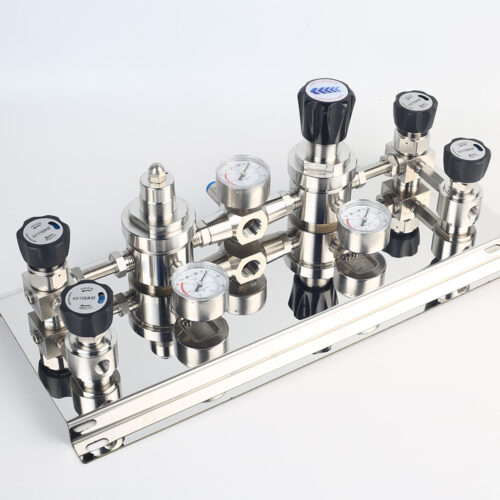
Stainless Steel Single Stage Semiconductor Grade Pressure Control Module Pressure Control Panels JSP-6A Series
-
Automatic Chemical Delivery Module (CDM) and Chemical Delivery System (CDS) for Precise Point of Use Blending and Dilution
-
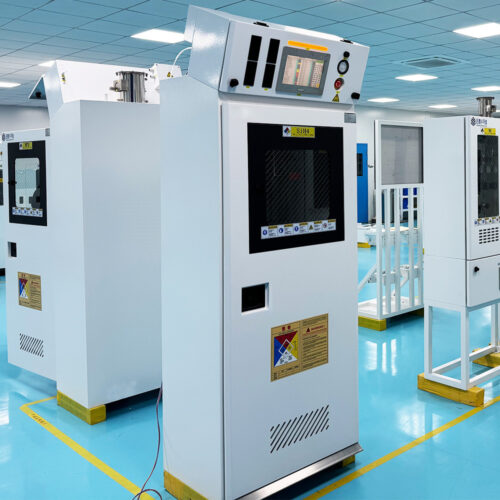
Fully Automated Gas Cabinet For Precise UHP Gas Delivery And High Purity Gas Delivery Systems JW-300-GC
-
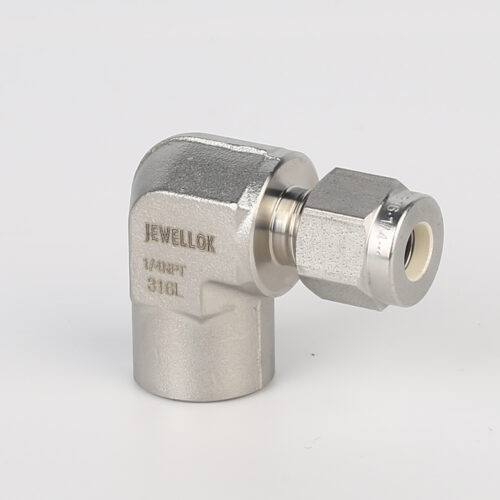
770L Female Elbow | Stainless Steel High Purity Weld Fittings Female Micro Elbow Fittings
-
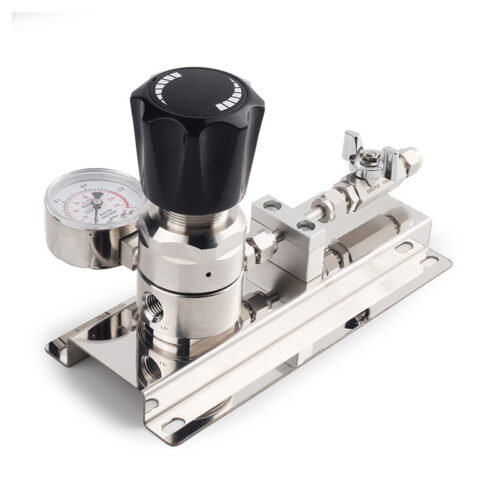
Ultra High Purity 316L Var Stainless Steel Compressed Gas Changeover Manifold Panel System For Integrated Gas Supply System
-
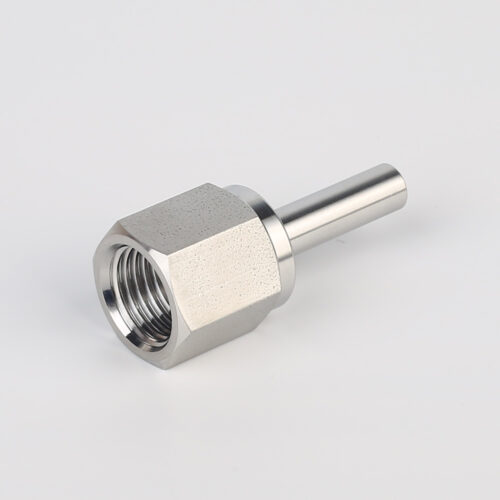
739LF High Purity Female Adapter Tube To Pipe Fittings And Connectors
-
High Purity Chemical Dispense System & Packing System For Semiconductors JW-200L-CDM & JW-1000L-CDM
-
Semi Automatic Oxygen Nitrogen Helium Argon Gas Changeover Manifold Manual Gas Changeover Manifold Panel For Gas Cylinders