
Regulator Manufacturer Tel: +86 13380377051
Regulator Manufacturer Tel: +86 13380377051
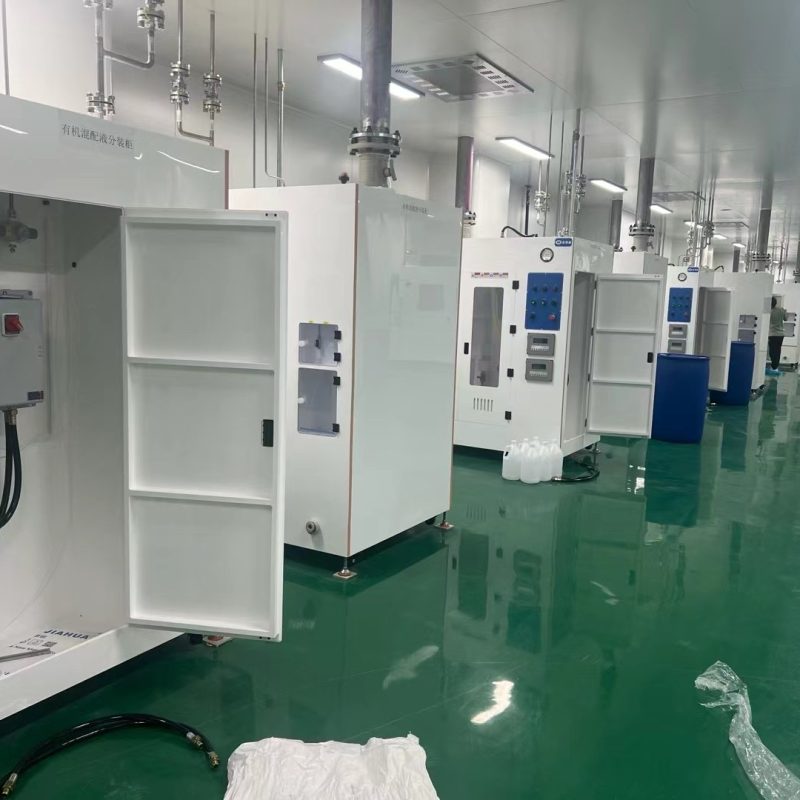
Optimizing CVD Gas Precursor Delivery for High-Purity Applications
Chemical Vapor Deposition (CVD) is a cornerstone process in advanced manufacturing, particularly in semiconductor fabrication, photovoltaics, and advanced coatings. The quality, uniformity, and performance of deposited films depend heavily on the precise delivery of gas precursors. In high-purity applications, even trace contaminants or flow inconsistencies can lead to defects, reduced yield, and compromised device reliability. This article explores the critical factors influencing CVD gas precursor delivery and outlines strategies for optimizing system design, material selection, and operational control to meet the stringent demands of high-purity environments.
1. Introduction
CVD processes rely on the controlled reaction of volatile precursor gases to form solid materials on a substrate. As device geometries shrink and performance expectations rise, the tolerance for impurities and process variation becomes increasingly tight. High-purity applications—such as semiconductor node fabrication below 10 nm, compound semiconductors, and optical coatings—require ultra-clean gas delivery systems capable of maintaining consistency at the parts-per-billion (ppb) or even parts-per-trillion (ppt) level.
Optimizing gas precursor delivery is not simply a matter of selecting high-quality gases. It involves a comprehensive approach that integrates system design, component selection, contamination control, and real-time monitoring.
2. Key Challenges in CVD Gas Delivery
2.1 Contamination Control
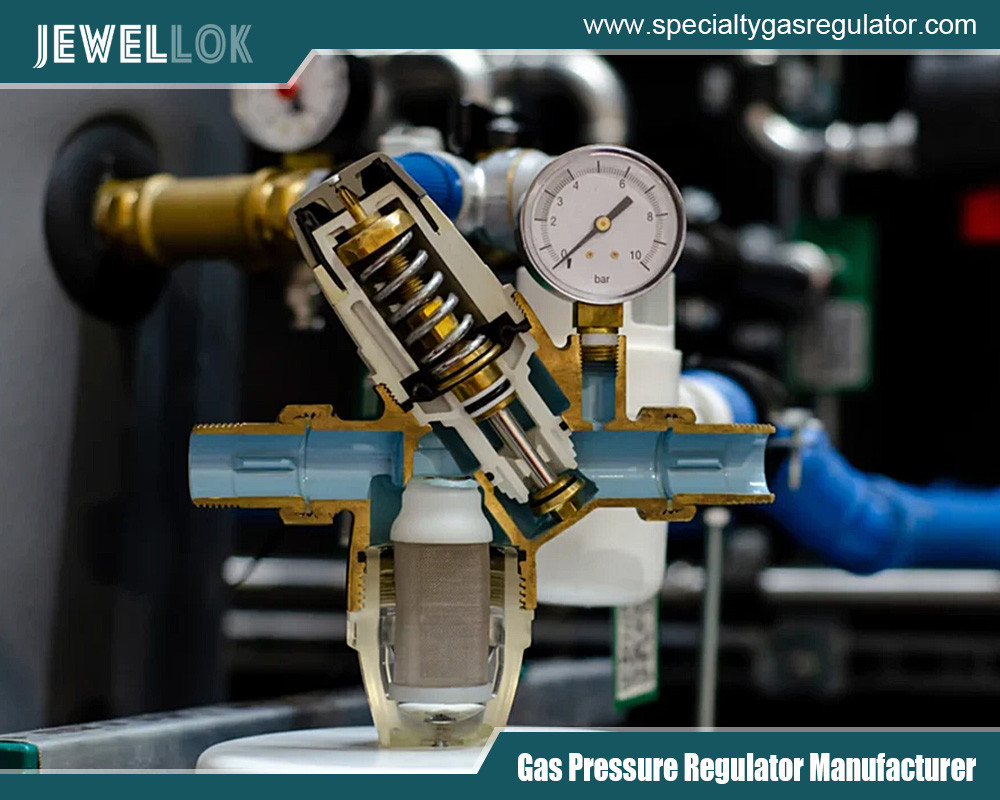
Contaminants can originate from multiple sources, including gas cylinders, valves, regulators, tubing, and even system assembly processes. Common contaminants include moisture, oxygen, hydrocarbons, and metallic particles. These impurities can alter film properties, introduce defects, or disrupt chemical reactions.
2.2 Flow Stability and Accuracy
Precise control of gas flow rates is essential for maintaining uniform deposition. Variations in flow can lead to thickness non-uniformity, composition gradients, and inconsistent film morphology.
2.3 Material Compatibility
Certain precursor gases, such as silane (SiH₄), ammonia (NH₃), and metal-organic compounds, are highly reactive or corrosive. Incompatible materials can degrade over time, releasing contaminants or causing system failure.
2.4 Pressure and Temperature Sensitivity
CVD processes often operate under tightly controlled pressure and temperature conditions. Fluctuations in these parameters can affect precursor delivery rates and reaction kinetics.
3. System Design Considerations
3.1 Ultra-High Purity (UHP) Components
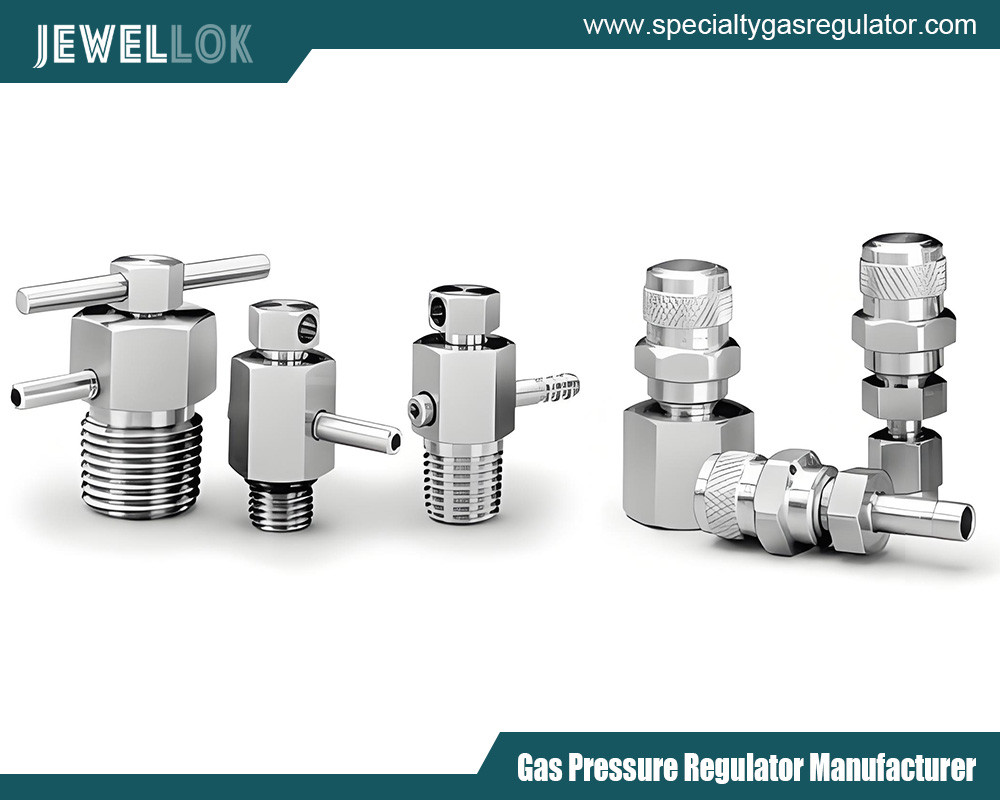
The use of UHP-rated components is fundamental. These include valves, regulators, and fittings made from electropolished stainless steel (typically 316L) with surface roughness below 10 microinches Ra. Electropolishing reduces surface area and minimizes particle generation and adsorption sites.
3.2 Dead Volume Minimization
Dead volumes in gas lines can trap contaminants and lead to delayed system response. Optimized system design should minimize internal volumes and avoid unnecessary bends, cavities, or complex geometries.
3.3 Orbital Welding and Clean Assembly
Orbital welding is preferred over mechanical fittings for permanent connections, as it reduces leak points and contamination risks. Assembly should be performed in cleanroom environments to prevent particulate introduction.
3.4 Modular Gas Panels
Gas delivery panels should be designed for modularity, allowing easy maintenance and component replacement without compromising system integrity. Proper labeling and segregation of gas lines also enhance safety and reliability.
4. Gas Source and Handling
4.1 High-Purity Gas Supply
Selecting high-purity gas sources (e.g., 99.9999% or higher) is essential. Specialty gas suppliers often provide certification and analysis data to ensure compliance with purity specifications.
4.2 Cylinder Preparation and Changeover
Cylinder changeover is a critical point where contamination can be introduced. Automated changeover systems with purging capabilities help maintain purity during transitions. Proper purging sequences using inert gases (e.g., nitrogen or argon) are necessary to remove residual contaminants.
4.3 Use of Gas Purifiers
Inline gas purifiers can remove residual impurities such as moisture, oxygen, and hydrocarbons. These purifiers often use getter materials or catalytic processes to achieve ultra-low impurity levels.
5. Flow Control Technologies
5.1 Mass Flow Controllers (MFCs)
MFCs are widely used to regulate gas flow with high precision. For high-purity applications, MFCs should be selected based on compatibility with the specific gas and required accuracy. Regular calibration is necessary to maintain performance.
5.2 Pressure-Based Flow Control
In some advanced systems, pressure-based flow control offers improved stability compared to traditional MFCs. These systems use pressure sensors and control algorithms to maintain consistent flow rates.
5.3 Vapor Delivery Systems for Liquid Precursors
For liquid precursors, such as metal-organic compounds, vapor delivery systems (e.g., bubblers or direct liquid injection systems) are used. These systems must ensure consistent vaporization and avoid condensation or decomposition.
6. Leak Detection and Integrity Testing
6.1 Helium Leak Testing
Helium leak detection is the industry standard for verifying system integrity. Leak rates below 1 × 10⁻⁹ atm·cc/sec are typically required for high-purity systems.
6.2 Pressure Decay Testing
Pressure decay methods can be used for routine checks, although they are less sensitive than helium testing. Combining multiple testing methods ensures comprehensive validation.
7. Monitoring and Control
7.1 Real-Time Gas Analysis
Advanced systems incorporate real-time gas analyzers, such as moisture analyzers and residual gas analyzers (RGAs), to monitor impurity levels continuously.
7.2 Data Logging and Process Control
Integration with process control systems allows for data logging, trend analysis, and automated adjustments. This enhances reproducibility and enables early detection of anomalies.
7.3 Alarm and Safety Systems
Safety is critical when handling hazardous gases. Gas detection systems, pressure relief devices, and automatic shutoff valves are essential components of a robust delivery system.
8. Maintenance and Operational Best Practices
8.1 Preventive Maintenance
Regular maintenance schedules should include component inspection, cleaning, and replacement. Filters and purifiers must be replaced according to manufacturer guidelines.
8.2 Standard Operating Procedures (SOPs)
Well-defined SOPs ensure consistency in system operation, cylinder changeover, and emergency response. Training personnel on these procedures is equally important.
8.3 Contamination Control Protocols
Strict protocols for handling components, including the use of cleanroom gloves and packaging, help maintain system cleanliness.
9. Emerging Trends and Innovations
9.1 Smart CVD Gas Precursor Delivery Systems
The integration of IoT and AI technologies is enabling smarter gas delivery systems. Predictive maintenance, real-time optimization, and remote monitoring are becoming increasingly common.
9.2 Advanced Materials and Coatings
New materials and surface coatings are being developed to further reduce outgassing and improve chemical resistance.
9.3 Miniaturization and Integration
As semiconductor devices continue to shrink, gas delivery systems are also becoming more compact and integrated, requiring innovative design approaches.
10. Conclusion
Optimizing CVD gas precursor delivery for high-purity applications is a complex but critical task. It requires a holistic approach that encompasses system design, component selection, contamination control, and advanced monitoring. By implementing best practices and leveraging emerging technologies, manufacturers can achieve the ultra-high purity levels necessary for next-generation applications.
As the demand for higher performance and smaller device geometries continues to grow, the importance of precise and reliable gas delivery systems will only increase. Investing in optimization today ensures not only improved process outcomes but also long-term operational efficiency and competitiveness.
For more about optimizing CVD gas precursor delivery for high-purity applications, you can pay a visit to Jewellok at https://www.specialtygasregulator.com/product-category/specialty-gas-cabinet/ for more info.
-
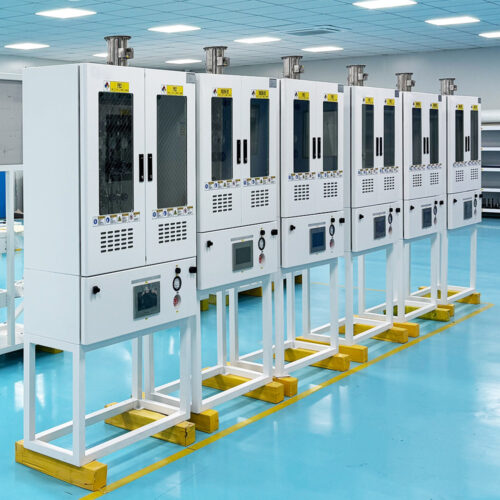
Precision Stainless Steel Valve Manifold Panel for Inert Gas Distribution in Cleanroom Manufacturing Environments
-
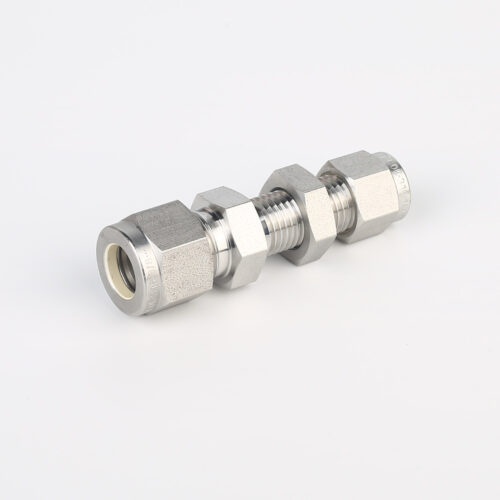
775L Bulkhead Reducing Union | Stainless Steel High Purity Double Ferrule Bulkhead Reducing Unions
-
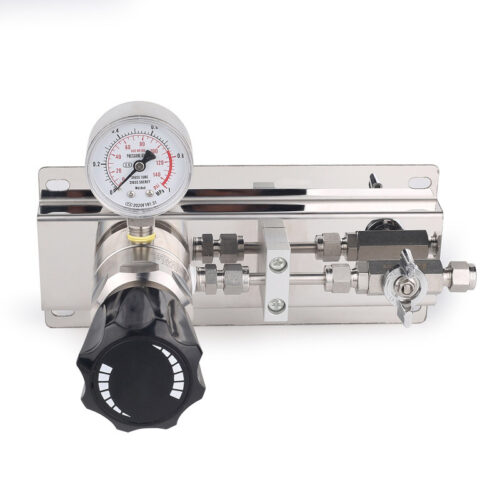
High Purity Gas Cylinder Semi Automatic Changeover Manifold Regulator Panel 3000psig Stainless Steel Gas Control Panel 1/8 Npt With Gauge
-
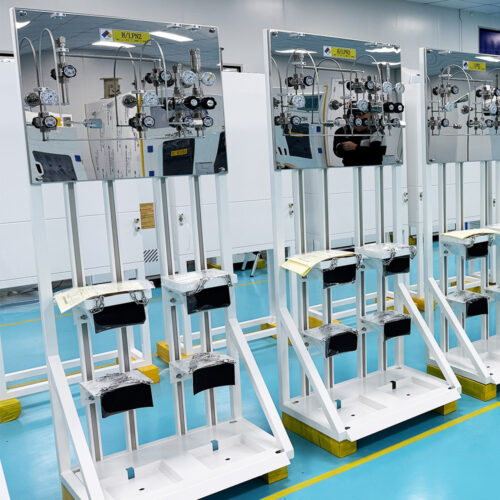
Manual Gas Rack High Purity Gas Delivery Systems JW-100-GR
-
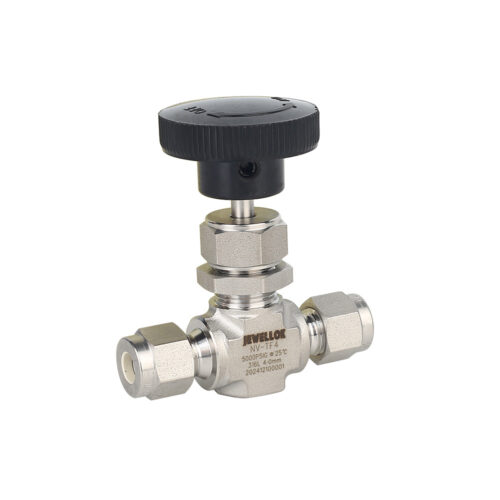
High Purity High Pressure Stainless Steel Needle Valve Natural Gas Flow Control Valve JNV Series
-
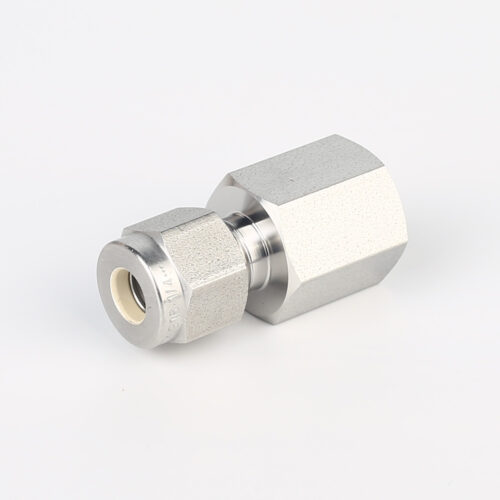
766L High Purity Female Connector UHP Fitting Female Connector
-
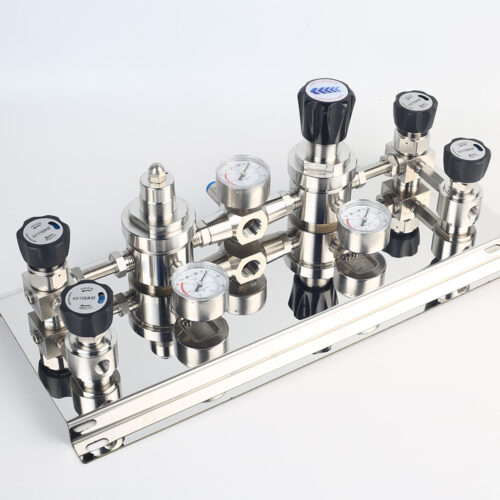
Stainless Steel Single Stage Semiconductor Grade Pressure Control Module Pressure Control Panels JSP-6A Series
-
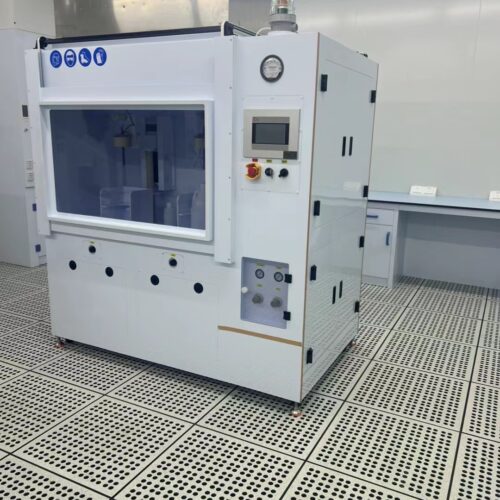
Custom VMB Valve Manifold Boxes for Enhanced Tool Isolation and Maximum Uptime in Complex Chemical Distribution Networks