
Regulator Manufacturer Tel: +86 13380377051
Regulator Manufacturer Tel: +86 13380377051
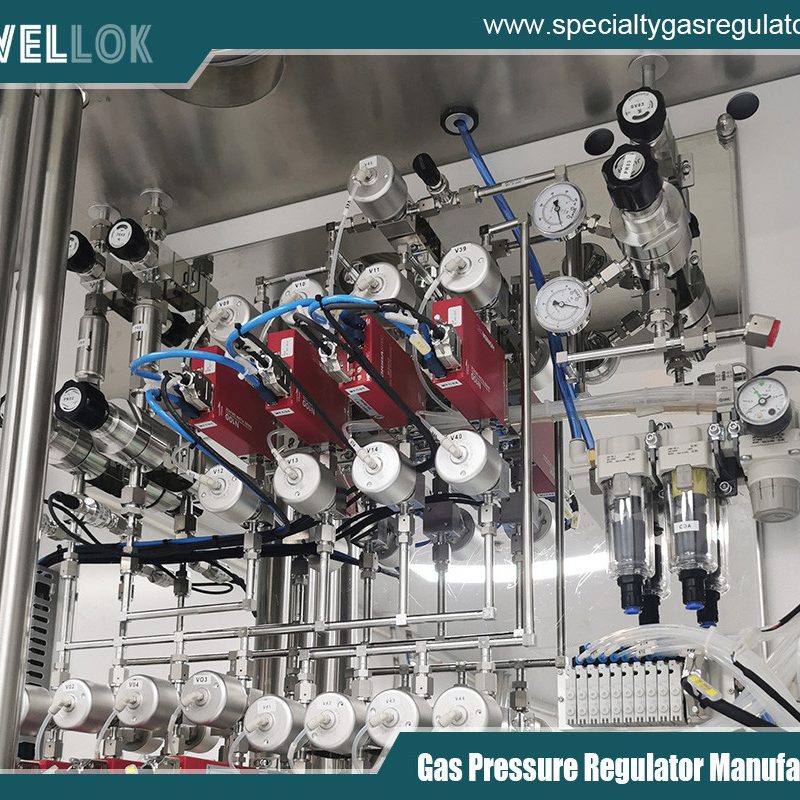
PH3 Gas Regulators for Electronic-Grade Gas Delivery Systems: Design, Challenges, and Safety Imperatives
The relentless drive towards smaller, more powerful, and more efficient semiconductor devices demands unprecedented purity and precision in fabrication processes. At the heart of many advanced doping, epitaxial growth, and thin-film deposition processes lies phosphine (PH₃), a highly toxic, pyrophoric, and critical precursor gas. Its safe, stable, and contamination-free delivery from the gas source to the process chamber is paramount, a task predominantly governed by the gas regulator. This technical article delves into the specialized design, operational challenges, material science, and rigorous safety protocols inherent to PH3 gas regulators used in electronic-grade gas delivery systems. We explore how these components are engineered to maintain ultra-high purity (UHP), ensure consistent pressure control, and mitigate the extreme hazards associated with PH₃, thereby underpinning the integrity of semiconductor manufacturing.

- The Critical Role of PH3 in Semiconductor Fabrication
Modern semiconductor manufacturing relies on a suite of specialty gases to modify the electrical and structural properties of silicon wafers. PH3, as a source of phosphorus, is indispensable for n-type doping, forming crucial regions in transistors, and in the deposition of phosphorus-doped silicon films (e.g., poly-Si, SiP) via chemical vapor deposition (CVD) or atomic layer deposition (ALD). These applications require the gas to be delivered at specific, highly controlled pressures and flow rates, often in pulsatile or precise steady-state modes.
Any deviation—be it pressure fluctuation, particulate generation, or metallic contamination—can lead to dopant concentration variations, film non-uniformity, or device failure, directly impacting yield and performance. The gas regulator, positioned between the high-pressure cylinder or bulk source and the delivery line, is the first and most critical point of control. For a gas as hazardous and sensitive as phosphine, this regulator is not a standard component but a masterpiece of precision engineering and safety design.
- Unique Properties of PH3 and Associated Challenges
Designing a regulator for PH3 begins with a thorough understanding of its demanding properties:
- High Toxicity: PH₃ has a Time-Weighted Average (TWA) exposure limit typically below 0.1 ppm. Even minute leaks are lethal. This mandates leak integrity an order of magnitude stricter than for inert gases.
- Pyrophoricity: Phosphine can ignite spontaneously in air at concentrations above its lower flammability limit (~1.8%). This necessitates designs that prevent air ingress and eliminate ignition sources.
- Reactivity and Decomposition: PH₃ can decompose at elevated temperatures or upon contact with certain materials, forming solid phosphorus deposits. These can clog regulator orifices, ports, and valves, leading to malfunction and creating hazardous particulates.
- Ultra-High Purity Requirements: Electronic-grade PH₃ has purity levels specified in parts-per-billion (ppb) or even parts-per-trillion (ppt) for metallic impurities. The regulator must not add any contaminants (metallic ions, particles, moisture, hydrocarbons).
- Corrosiveness: While not acutely corrosive like HF, its decomposition products and potential interactions with moisture necessitate careful material selection.
- Design Philosophy and Key Features of PH3 gas regulators
The core design objective is to provide precise, stable outlet pressure control while acting as an absolute barrier against contamination and leakage. Key features include:
3.1. Material Selection and Surface Treatments
- Body and Internal Components: High-grade 316L or 316L VIM/VAR (Vacuum Induction Melted/Vacuum Arc Remelted) stainless steel is standard for its excellent corrosion resistance and low outgassing properties. For the most critical applications, nickel-alloys or specially passivated steels are used.
- Surface Finish: All wetted surfaces undergo extensive electropolishing to a mirror-like finish (e.g., Ra < 10 µinches). This minimizes surface area, reducing adsorption/desorption sites for moisture and gases, and prevents particulate generation.
- Diaphragm: The heart of the pressure-sensing element is a welded metal diaphragm, typically made from 316L stainless steel or Hastelloy. Elastomeric diaphragms are strictly prohibited due to permeation, outgassing, and decomposition risks.
- Seals: All static seals employ metal gaskets (e.g., ConFlat® with copper or nickel gaskets) or, where necessary, ultra-clean, perfluoroelastomer (FFKM) O-rings compatible with PH₃. Dynamic sealing is minimized and, where required, uses advanced bellows-sealed designs to eliminate stem leakage.
3.2. Contamination Control
- Dead Volume Minimization: Internal volumes are designed to be extremely small to facilitate rapid purging and reduce the amount of gas that could decompose or become trapped.
- Particulate Management: Internal geometries are streamlined to prevent entrapment zones. Components are assembled in ISO Class 4 (Class 10) or better cleanrooms, and regulators are bagged in clean, dry nitrogen.
- Purge and Vent Ports: Strategically placed purge ports allow for thorough purging of the regulator body and cavity before and after service, preventing air/PH₃ contact and removing any decomposition products. Vent ports are designed for safe evacuation to a scrubber system.
3.3. Pressure Control and Stability
- Spring-Loaded vs. Dome-Loaded: For high-precision applications, dome-loaded (piston) regulators are often preferred over spring-loaded types. A clean, inert “dome gas” (like N₂ or He) acts on the diaphragm, providing more stable outlet pressure unaffected by supply pressure decay (“droop”) or variations in spring constant. This separates the control mechanism from the process gas.
- Flow Characteristics: The regulator is designed to provide sufficient flow capacity (Cv) for the application while maintaining stability at very low flow rates, which are common in ALD and some CVD processes.
- The Paramount Importance of Safety Systems
Safety is not an add-on but an integrated design principle.
- Leak Integrity: All regulators undergo 100% helium leak testing to sensitivities of 1 x 10⁻⁹ atm·cc/sec or better. This ensures no PH₃ can escape to the ambient.
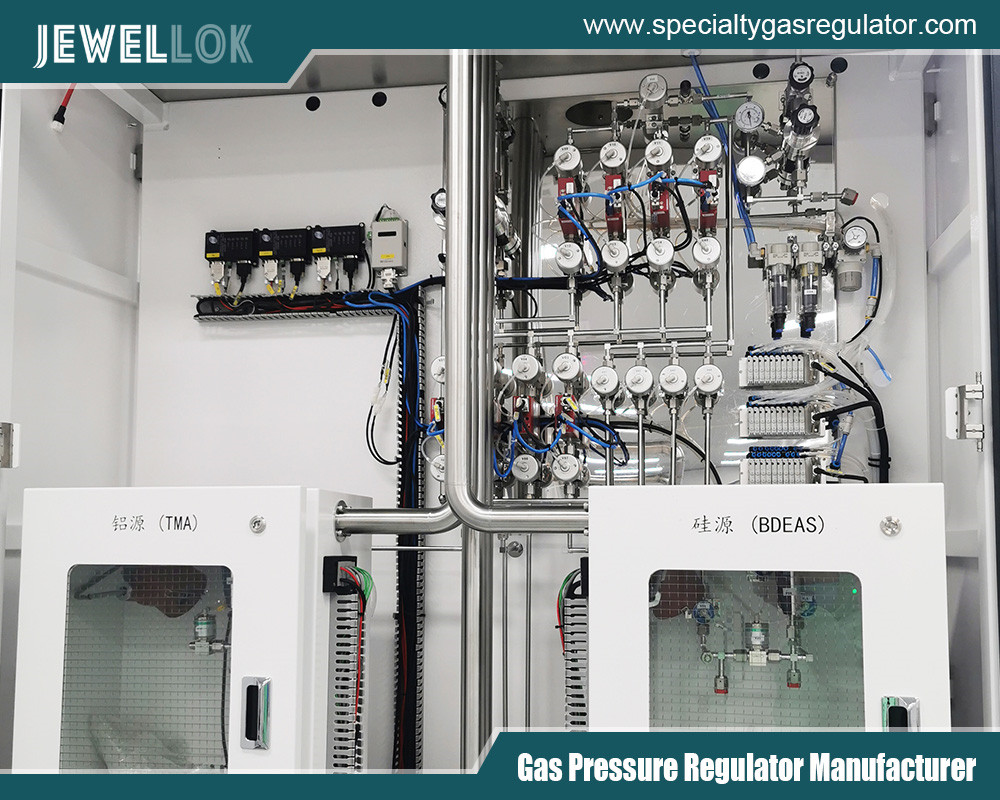
- Integrated Isolation Valves: Many PH₃ regulators are part of a “gas stick” module that includes an upstream manual or pneumatic shut-off valve (SOV) and a downstream SOV. The regulator itself may be a “closed-bonnet” design. This allows the regulator to be completely isolated, enabling safe change-out.
- Pressure Relief Protection: A dedicated, rupture disc or safety relief valve is installed on the low-pressure side, venting to an exhausted toxic gas scrubber system, to protect against over-pressurization from downstream blockages or regulator failure.
- Materials Compatibility: All wetted materials are rigorously tested for compatibility with PH₃ to prevent catalytic decomposition or corrosion.
- Fire-Resistant Construction: Components are designed to withstand exposure to fire for a specified duration to prevent catastrophic failure during a facility fire event.
- System Integration and Handling Protocols
The regulator is only one node in a safe delivery system. Proper integration is key:
- Gas Cabinets: PH₃ regulators are housed in continuously ventilated, reinforced gas cabinets equipped with toxic gas monitors (TGMs) set to alarm at fractions of the TWA. Cabinets have automatic fire suppression and are interlocked with purge systems.
- Purging Procedures: Strict multi-step purge procedures using dry, oxygen-free nitrogen are mandatory before opening any part of the system to atmosphere and before introducing PH₃.
- Abatement Systems: All exhaust and vent lines from the regulator and cabinet lead directly to a dedicated, high-efficiency PH₃ scrubber (typically using chemical oxidation or thermal decomposition) before any effluent is released.
- Change-Out Procedures: Cylinder and regulator change-outs follow detailed, written Safe Work Permits (SWPs), often using double block and bleed or purge-based methods, with personnel in appropriate personal protective equipment (PPE) and with continuous gas monitoring.
- Future Trends and Developments
As process nodes shrink further and new architectures like 3D NAND and Gate-All-Around (GAA) transistors emerge, demands on gas delivery intensify:
- Higher Purity: Regulators with even lower particle generation and metallic impurity leaching are required.
- Enhanced Stability for ALD/ALE: Faster response times and ultra-stable pressure control for sub-second pulse delivery.
- Smart Monitoring: Integration of pressure, temperature, and even particle sensors with digital communication (Industry 4.0) for predictive maintenance, real-time health monitoring, and traceability.
- Alternative Delivery Methods: The industry is exploring safer, solid-source or low-pressure-bubbler alternatives to high-pressure PH₃ cylinders, which would require entirely new regulator and vaporizer designs.
- Conclusion
The PH3 gas regulator in an electronic-grade delivery system is a critical and sophisticated component operating at the intersection of extreme precision and extreme hazard. Its design is a testament to advanced materials science, precision machining, and a foundational commitment to safety. By ensuring the stable, pure, and controlled delivery of this indispensable but dangerous precursor, these specialized regulators directly enable the production of the advanced microelectronics that power the modern world. Their continued evolution, guided by the twin imperatives of purity and safety, will remain essential to the semiconductor industry’s journey along Moore’s Law and beyond.
For more about PH3 gas regulators for electronic-grade gas delivery systems: design, challenges, and safety imperatives, you can pay a visit to Jewellok at https://www.specialtygasregulator.com/product-category/ultra-high-purity-diaphragm-valves/ for more info.
-
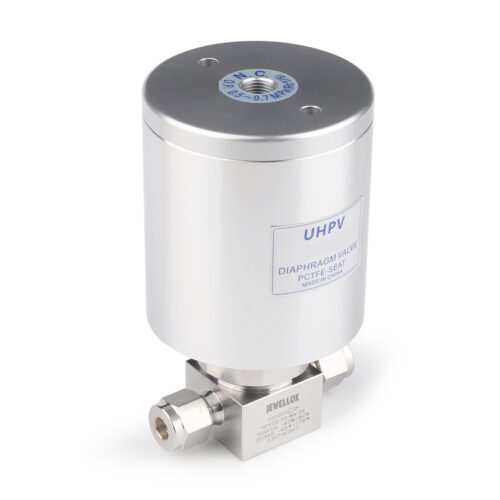
High Pressure High Temperature Pneumatic Ultrahigh Purity Stainless Steel Diaphragm Valves
-
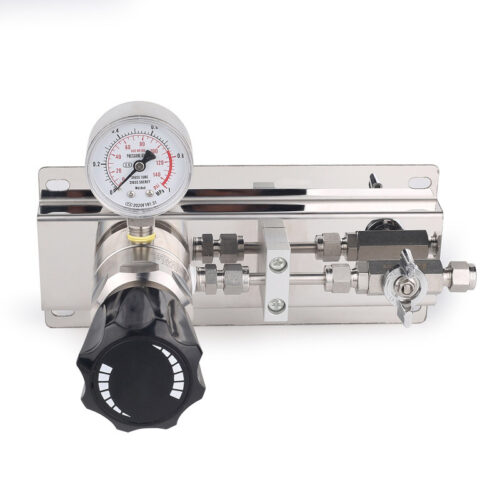
High Purity Gas Cylinder Semi Automatic Changeover Manifold Regulator Panel 3000psig Stainless Steel Gas Control Panel 1/8 Npt With Gauge
-
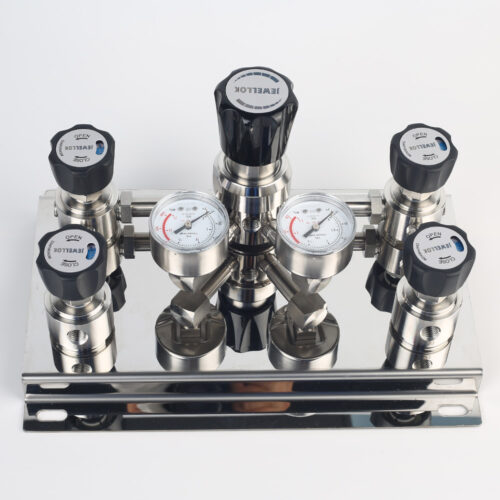
Single Stage Wall And Cabinet Mounting Pressure Control Panels JSP-2E Series For High Purity Gases
-
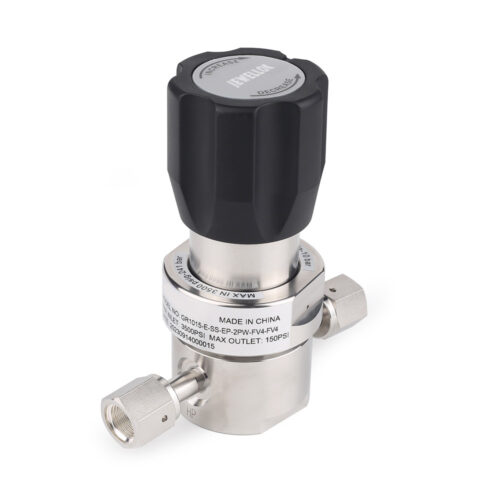
JR1000 Series UHP Ultra High Purity Single Stage Pressure Reducing Regulator And Low To Intermediate Flow
-
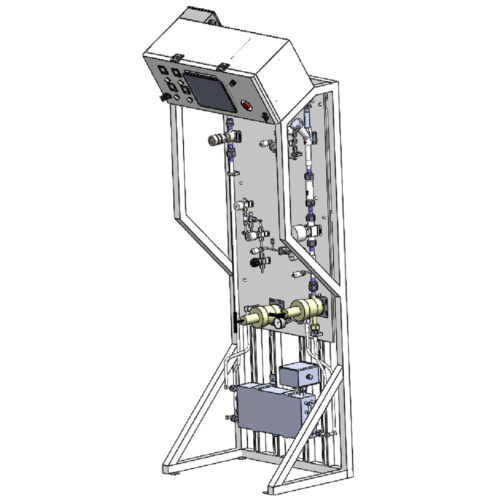
High Purity High Pressure Specialty Gas Bottle Gas Cylinder Storage Cabinet And Gas Pressure Regulating Cabinet For Semiconductor
-
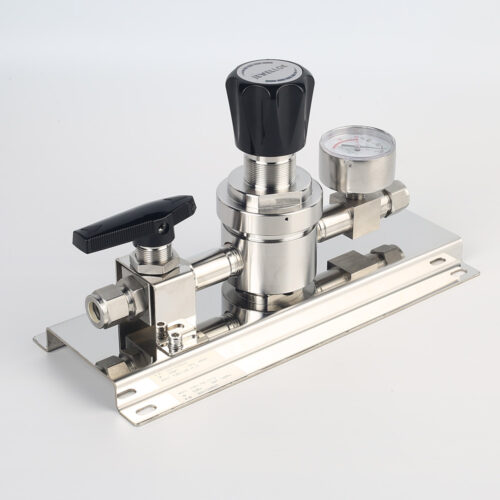
High Purity And Industria Gas Stick Assemblies Precise Pressure Control Gas Systems JSR-1ETG-BV Series
-
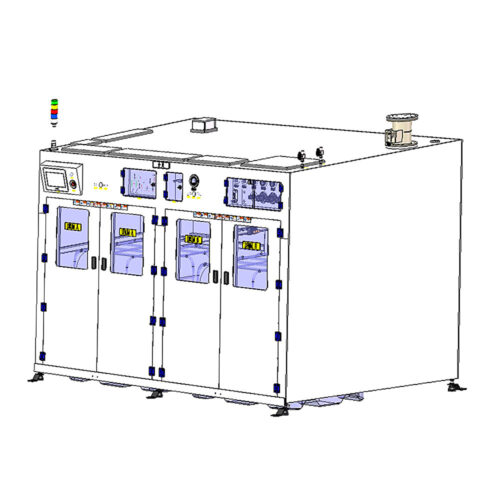
High Purity Chemical Dispense System & Packing System For Semiconductors JW-200L-CDM & JW-1000L-CDM
-
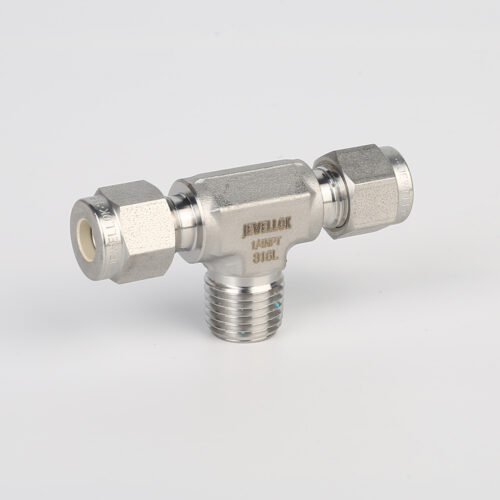
772L Male Branch Tee | Stainless Steel High-Purity Tube Fitting Male Branch Tee