
Regulator Manufacturer Tel: +86 13380377051
Regulator Manufacturer Tel: +86 13380377051
The Application of Deodorizing Exhaust Gas Scrubber Technology in Waste Transfer Stations and Wastewater Treatment Plants
In the fabric of modern urban life, two critical yet often overlooked infrastructures are the Waste Transfer Station and the Wastewater Treatment Plant (WWTP). These facilities are the frontline soldiers in the battle against urban waste, responsible for consolidating refuse and treating water before it is returned to the environment. However, their essential function comes with a significant side effect: malodorous emissions. These odors, composed of volatile organic compounds (VOCs), hydrogen sulfide (H₂S), ammonia (NH₃), and mercaptans, are more than just a public nuisance; they represent a threat to air quality, worker safety, and community relations.
To combat this, industrial facilities have turned to sophisticated air pollution control technologies. Among the most effective and widely adopted solutions is the chemical scrubber, also known as a deodorizing exhaust gas wet scrubber. This article provides a technical deep dive into the principles of chemical scrubbing and explores its specific configurations and applications in the challenging environments of waste transfer stations and wastewater treatment plants.
Part 1: The Science of the Scrub – How Chemical Scrubbers Work
At its core, a chemical scrubber is a mass transfer device designed to remove gaseous pollutants from an exhaust air stream. The fundamental principle is phase transfer: moving the odor-causing contaminant from the gas phase into a liquid (solvent) phase.
A typical exhaust gas scrubber system consists of several key components:
-
Scrubber Tower/Vessel: A vertical column, often constructed from corrosion-resistant materials like fiberglass-reinforced plastic (FRP) or polypropylene.
-
Packing Media: A bed of structured or random packing material (e.g., Pall rings, saddle rings) inside the tower. This media maximizes the surface area for gas-liquid contact.
-
Liquid Distribution System: Spray nozzles that evenly distribute the scrubbing liquid over the packing media.
-
Mist Eliminator: A section at the top of the tower designed to capture and remove entrained liquid droplets from the cleaned air before it is discharged.
-
Recirculation Pump and Tank: A system that recirculates the scrubbing liquid, ensuring efficient use of water and chemicals.
-
Chemical Dosing System: Pumps and controllers that inject specific chemicals (like caustic soda or sulfuric acid) into the recirculating water to maintain a desired pH and oxidation-reduction potential (ORP).
The scrubbing process follows a counter-current flow pattern:
-
Inlet: The contaminated, odorous air is blown into the bottom of the scrubber tower by a fan.
-
Contact: The air rises upward through the packed bed. Simultaneously, the scrubbing liquid is sprayed from the top and trickles downward over the packing media.
-
Absorption: As the air and liquid intimately mix on the surface of the packing, the odorous gases dissolve or react with the liquid.
-
Outlet: The now-clean air continues to rise, passes through the mist eliminator to remove moisture, and is exhausted through a stack to the atmosphere.
-
Recirculation: The spent scrubbing liquid collects in a sump at the bottom of the tower. It is then recirculated, with a continuous bleed (blowdown) to prevent the buildup of reaction byproducts, and a fresh water feed to maintain the liquid level.
Part 2: Chemical Strategies – Tailoring the Scrubber to the Odor
Different odors require different chemical reagents to be effectively neutralized. This is where the scrubber’s versatility shines. By controlling the chemistry of the recirculating water, facilities can target specific pollutants.
-
Acid Scrubbers: To remove alkaline gases like Ammonia (NH₃) , the scrubbing liquid is acidified, typically with sulfuric acid (H₂SO₄) . The acid reacts with the ammonia to form a non-volatile ammonium salt (ammonium sulfate), which is soluble in water and safely drained away. The reaction is: 2NH₃ + H₂SO₄ → (NH₄)₂SO₄
-
Caustic Scrubbers: To remove acidic gases like Hydrogen Sulfide (H₂S) , the scrubbing liquid is made alkaline, usually with sodium hydroxide (NaOH, caustic soda) . The caustic solution neutralizes the H₂S, converting it into sodium sulfide or sodium hydrosulfide, both of which are water-soluble. The reaction is: H₂S + NaOH → NaHS + H₂O (and further to Na₂S).
-
Oxidizing Scrubbers: For stubborn organic compounds like mercaptans and complex VOCs, simple acid or caustic washing is insufficient. An oxidizing agent is required. Sodium hypochlorite (NaOCl, bleach) is the most common choice. It chemically breaks down the odor molecules. For H₂S, the combination of caustic and hypochlorite results in oxidation to sulfate, eliminating the odor completely. The reaction is: H₂S + 4NaOCl + 2NaOH → Na₂SO₄ + 4NaCl + 2H₂O
In many complex applications, a multi-stage scrubber is employed. For example, a two-stage system might have a first stage that operates as a caustic scrubber to remove H₂S, followed by a second stage that uses a hypochlorite solution to oxidize the remaining mercaptans and VOCs. Some configurations even include an acid wash stage for ammonia control.
Part 3: Application in Waste Transfer Stations
Waste Transfer Stations (WTS) act as regional consolidation points. Waste collection vehicles dump their loads onto a tipping floor, where the waste is then compacted into larger trailers for long-distance transport to landfills or incinerators. This process is inherently odorous.
The Challenge:
The odor profile at a WTS is a complex and variable mixture. Fresh, putrescible waste decomposes rapidly, releasing a cocktail of VOCs, organic acids, and sulfur compounds. The turbulence of dumping and compacting aerosolizes these odors. The air is often humid and can contain particulate matter.
The Scrubber Solution:
The key to success in a WTS is containment and capture. The facility must be negatively pressurized relative to the outside. Large extraction fans draw air from the tipping hall, creating a vacuum that prevents odors from escaping through doorways.
The extracted air is then directed to a scrubber system. Given the complex nature of the waste, a multi-stage chemical scrubber is the preferred technology.
-
Stage 1 (Pre-conditioning/Quench): Often, the first stage is a simple water wash or quench section. This cools the air, removes coarse particulates, and absorbs some water-soluble compounds, protecting the subsequent chemical stages.
-
Stage 2 (Caustic/Chemical Scrubber): The second stage targets the high concentrations of H₂S and acidic VOCs using a caustic (NaOH) solution. The pH is typically maintained between 10 and 11.
-
Stage 3 (Oxidation Scrubber): The final stage uses a sodium hypochlorite (NaOCl) solution to oxidize the most stubborn odor-causing compounds. The oxidation-reduction potential (ORP) is carefully controlled here to ensure complete destruction without wasting bleach.
The treated air, now stripped of its odor, is discharged safely. The wastewater from the scrubber, containing salts and reaction byproducts, is discharged to the sanitary sewer—a perfect synergy, as it often flows to the very WWTPs that also use this technology.
Part 4: Application in Wastewater Treatment Plants
Wastewater treatment is a series of biological and physical processes that are, by their nature, odorous. Odor control at a WWTP is not a single-point solution but a network of capture and treatment systems.
The Challenge:
Odors at a WWTP are generated primarily in the preliminary and primary treatment stages, where the wastewater is most “fresh” and septic conditions can develop. Key odorous points include:
-
Headworks: Where influent sewage arrives, screens remove debris, and grit is settled. This area is highly turbulent and releases high concentrations of H₂S.
-
Primary Clarifiers: These large tanks allow solids to settle. The surface can be a major source of VOCs and H₂S.
-
Sludge Handling: Processes like thickening, dewatering, and storage of biosolids produce incredibly potent odors, including ammonia and reduced sulfur compounds.
The Scrubber Solution:
WWTPs utilize a variety of odor control technologies, including biofilters and activated carbon systems. However, chemical scrubbers are often the go-to solution for high-concentration, high-volume air streams, particularly from headworks and sludge handling facilities.
The application here requires robustness and adaptability.
-
Headworks Scrubbing: Air from the headworks building is typically drawn through a two-stage caustic-hypochlorite scrubber. The first stage (caustic) handles the bulk of the H₂S, which can spike to hundreds or even thousands of parts per million. The second stage (hypochlorite) polishes the air, removing mercaptans and other residual organics. The scrubber must be designed to handle rapid fluctuations in inlet concentration.
-
Sludge Processing Scrubbing: Air from sludge dewatering buildings contains both H₂S and high levels of ammonia. This often necessitates a three-stage system:
-
Acid Scrubber: The first stage uses sulfuric acid to remove the ammonia.
-
Caustic Scrubber: The second stage removes the bulk of the H₂S.
-
Hypochlorite Scrubber: The final stage oxidizes any remaining reduced sulfur compounds.
-
-
Cover Tanks: For large-area sources like primary and secondary clarifiers, it is impractical to duct the air from the entire building. Instead, the tanks are fitted with aluminum or FRP covers. The air space under the cover is continuously evacuated to a central scrubber system. This creates a vacuum that prevents fugitive emissions from the water surface.
Part 5: Technological Advancements and Operational Considerations
Modern scrubber systems are far from passive tanks of chemicals. They are highly automated, data-driven systems.
-
Advanced Process Control: Programmable Logic Controllers (PLCs) continuously monitor pH and ORP probes. If the pH rises (indicating an H₂S spike), the PLC automatically opens a valve to feed more caustic into the recirculation tank. This ensures optimal performance while minimizing chemical usage and cost.
-
Real-Time Monitoring: Many facilities now incorporate inlet and outlet gas analyzers that continuously measure H₂S concentration. This provides immediate feedback on system performance and can trigger alarms if the outlet concentration exceeds permitted levels.
-
Materials of Construction: Given the corrosive nature of the chemicals and pollutants, material selection is critical. FRP is the dominant material for the vessel shells due to its strength, light weight, and corrosion resistance. Internals like packing and nozzles are typically made from polypropylene or other durable plastics.
Operational Costs: The primary operational expenses for a scrubber system are:
-
Chemicals: The cost of NaOH, H₂SO₄, and NaOCl.
-
Water and Wastewater: The cost of fresh water and the sewer discharge fees for the blowdown.
-
Energy: The electricity required to run the large fans and recirculation pumps.
-
Maintenance: Regular inspection and replacement of nozzles, packing, and mist eliminators.
Conclusion
As urban populations grow and environmental regulations become more stringent, the role of effective odor control in waste management infrastructure cannot be overstated. Deodorizing exhaust gas scrubbers provide a proven, reliable, and highly effective solution for the unique challenges posed by waste transfer stations and wastewater treatment plants.
By harnessing the fundamental principles of chemistry and mass transfer, these systems transform hazardous and offensive air streams into harmless, odorless emissions. They protect the health and safety of workers, foster goodwill with neighboring communities, and allow these critical facilities to operate without becoming a burden on the environment. While biofiltration and other green technologies are gaining ground, the chemical scrubber remains the workhorse of the industry, valued for its ability to handle high loads, its compact footprint, and its consistent, verifiable performance in the ever-important mission of clearing the air.
For more about the application of deodorizing exhaust gas scrubber technology in waste transfer stations and wastewater treatment plants, you can pay a visit to Jewellok at https://www.specialtygasregulator.com/product-category/specialty-gas-cabinet/ for more info.
-
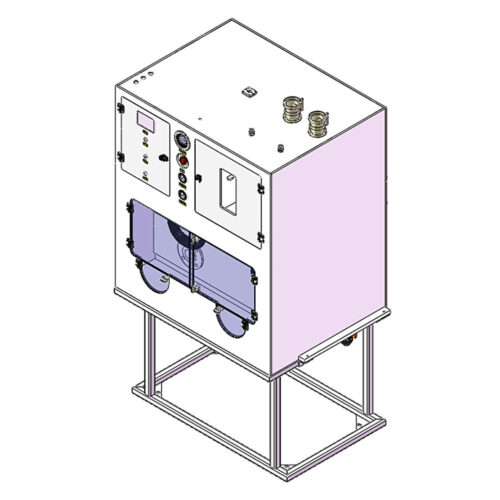
Clean Connection Cabinet JW-300-CCB Valve Manifold Box And Control Valve Box
-
High Purity Bulk Specialty Gas Pressure Control And Filtration Bulk Gas Skid Systems JW-300-BSGS
-
Ultra High Purity 316L Var Stainless Steel Compressed Gas Changeover Manifold Panel System For Integrated Gas Supply System
-
Liquid Bulk Chemical Delivery System with Automatic Chemical Dispense Unit (CDU) Featuring 316L Electropolished Stainless Steel Piping Components
-
High Pressure High Temperature Pneumatic Ultrahigh Purity Stainless Steel Diaphragm Valves
-
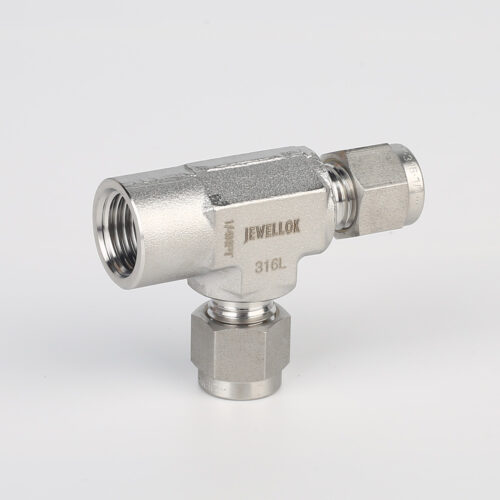
771LF Female Run Tee | Stainless Steel Tube Fitting Compression Fittings 1/4 In 3-Way Tee Female Run Tee
-
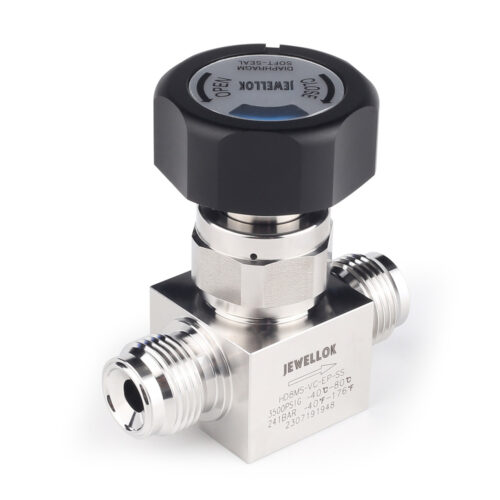
Stainless Steel Ultra High Purity (UHP) High Pressure Manual Diaphragm Valve
-
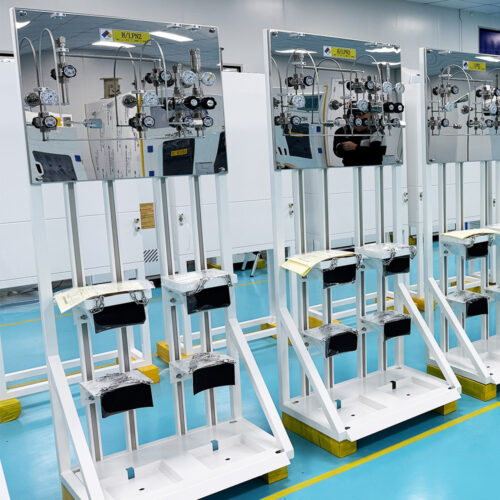
Fully Automated Gas Cabinet for Safe Ultra High Purity Specialty Gas Delivery in Semiconductor Manufacturing