
Regulator Manufacturer Tel: +86 13380377051
Regulator Manufacturer Tel: +86 13380377051
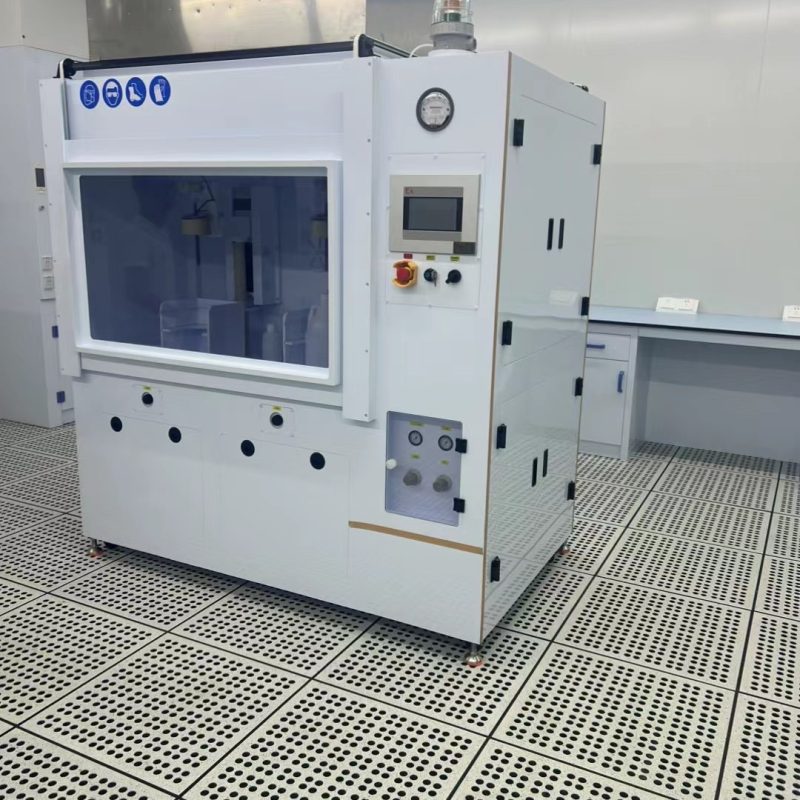
Water, Power, and Chemicals: How Choosing the Right Exhaust Gas Scrubbing Equipment
In the world of industrial air pollution control, the initial capital expenditure (CAPEX) for a Exhaust Gas Scrubbing Equipment often dominates procurement discussions. Plant managers and environmental engineers frequently focus on the upfront price tag of a wet scrubber, dry scrubber, or electrostatic precipitator. However, this is a classic case of “penny wise, pound foolish.”
For high-throughput operations—whether in chemical manufacturing, mining, semiconductor fabrication, or metal finishing—the operational expenditure (OPEX) associated with water consumption, electricity demand, and chemical reagents typically eclipses the purchase price within the first 12 to 18 months of operation. In fact, a poorly matched Exhaust Gas Scrubbing Equipment system can burn through enough utilities and consumables in a single year to pay for an entirely new, more efficient unit.
This article provides a technical framework for analyzing the lifecycle cost of exhaust gas scrubbing equipment systems, focusing on the “Big Three” operational costs, and outlines how to select a system that minimizes these expenses without compromising regulatory compliance.
1. The Hidden Economics of Abatement
Before diving into specific technologies, it is essential to understand why OPEX often dwarfs CAPEX. A typical medium-sized packed bed Exhaust Gas Scrubbing Equipment handling 20,000 CFM (cubic feet per minute) of corrosive fume can easily consume:
-
$30,000 to $60,000 annually in water and sewer discharge fees.
-
$40,000 to $100,000 annually in electrical costs for fans and pumps.
-
$50,000 to $200,000 annually in chemical neutralizing agents (caustic soda, sulfuric acid, or oxidizing agents).
When a system is over-designed or incorrectly specified for the specific contaminant load, these numbers can double. Conversely, a system optimized for minimal liquid-to-gas (L/G) ratios and differential pressure can reduce these figures by 30–50%, yielding savings that justify a capital replacement within a single fiscal year.
2. The Three Pillars of Exhaust Gas Scrubbing Equipment OPEX
A. Water Consumption and Disposal
Water is the most visible operational cost. In wet exhaust gas scrubbing equipments, water serves two functions: contaminant capture and temperature control.
-
Once-Through Systems: Common in older facilities or regions with inexpensive water, these systems discharge effluent directly to the drain. The cost here is not just the fresh water intake but often the industrial wastewater treatment surcharge. If the exhaust gas scrubbing equipment removes particulate or dissolves gases, the effluent may be classified as hazardous, significantly increasing disposal costs.
-
Closed-Loop Systems: Modern best practices favor recirculation. However, even closed-loop systems require blowdown to control Total Dissolved Solids (TDS). If the exhaust gas scrubbing equipment handles chlorinated compounds or heavy metals, blowdown management becomes a costly logistical challenge.
The OPEX Trap: High water usage often correlates with high chemical usage. If a exhaust gas scrubbing equipment is inefficient at mass transfer, operators often increase the recirculation flow rate, which increases pump power and water evaporation rates, leading to a vicious cycle of escalating costs.
B. Electrical Demand (Pressure Drop)
Electricity costs are primarily dictated by two components: the fan (or blower) and the recirculation pump.
From a thermodynamic standpoint, the fan must overcome the total system pressure drop. The most significant contributor to this pressure drop is the scrubber’s internal design.
-
Venturi Scrubbers: While excellent for sub-micron particulate, Venturi scrubbers operate at pressure drops ranging from 40 to 120 inches of water column (in. w.c.). This requires enormous fan horsepower—often 100 HP or more for modest flows. A Venturi that is oversized for the particulate load can burn $80,000 a year in excess electricity compared to a lower-pressure alternative.
-
Packed Bed Scrubbers: These typically operate at 3 to 8 in. w.c. However, if the packing material is fouled with solids or biological growth (common in amine or organic service), the pressure drop spikes. A 2-inch increase in pressure drop across a 50 HP fan can add $5,000 to $10,000 annually in energy costs.
The OPEX Trap: Specifying a fan with a variable frequency drive (VFD) is standard today, but if the scrubber’s minimum required pressure drop is high due to poor nozzle selection or clogged mist eliminators, the VFD cannot reduce energy consumption below that baseline.
C. Chemical Reagent Costs
Chemical consumption is the most variable OPEX component, dictated by the influent contaminant load and the scrubber’s mass transfer efficiency.
For acid gas scrubbing (e.g., HCl, H2SO4, SO2), caustic soda (NaOH) is the standard neutralizing agent. The stoichiometric requirement is fixed by chemistry, but the actual consumption is driven by inefficiencies:
-
Carryover: If the mist eliminator fails, expensive chemicals are exhausted out the stack rather than recirculated.
-
Poor pH Control: Inefficient mixing or outdated control logic leads to “pH spikes,” where operators dump excess caustic to maintain setpoints, wasting reagent.
-
Oxidant Consumption: For VOC or odor control, exhaust gas scrubbing equipments may use sodium hypochlorite or hydrogen peroxide. These oxidants degrade rapidly. A scrubber with a high residence time but poor mixing may require double the oxidant dose to achieve the same destruction efficiency as a properly engineered system.
3. Selecting the Right Technology for OPEX Minimization
To avoid spending the cost of a new exhaust gas scrubbing equipment on utilities annually, one must match the technology to the specific load profile. There is no universal “most efficient” exhaust gas scrubbing equipment; there is only the scrubber that aligns with your specific gas flow, contaminant concentration, and particulate load.
Case A: High Solubility Gas (HCl, NH3, HF) with No Particulate
For highly soluble gases, a low-pressure drop packed bed exhaust gas scrubbing equipment with high-efficiency random packing (e.g., polypropylene saddles) is the most OPEX-efficient.
-
Water Strategy: Use a closed-loop recirculation tank with an automatic blowdown controller based on conductivity. This ensures you aren’t dumping expensive neutralized water until it is saturated with salts.
-
Chemical Strategy: Implement dual-stage pH control. A common OPEX mistake is using one recirculation loop for both gas absorption and pH neutralization. By using a dual-stage design (quench/cooling stage and an absorption stage), you can reduce chemical usage by up to 30% by preventing the “over-dosing” of reagents required when a single tank handles fluctuating loads.
Case B: Soluble Gas with Sticky or Agglomerative Particulate
If the airstream contains tars, resins, or sticky particulates (common in asphalt or chemical processing), a venturi exhaust gas scrubbing equipment is often specified. However, the high pressure drop leads to high electrical OPEX.
-
Alternative: A high-efficiency wet scrubber like a dynamic scrubber (or mechanically aided exhaust gas scrubbing equipment) uses a rotating impeller to achieve venturi-like particulate capture (PM2.5 efficiency) at a pressure drop of 10–20 in. w.c. versus 80+ in. w.c.
-
The Math: Switching from a 100 HP fan (venturi) to a 50 HP fan (dynamic) with a 30 HP motor for the rotor yields net savings of roughly 20 HP. At $0.10/kWh, 8,760 hours/year, this saves approximately $13,000 annually in electricity alone—often paying for the mechanical upgrade in less than three years.
Case C: Low Solubility Gases (SO2, NOx) or VOCs
For gases that require chemical reaction rather than simple absorption, the OPEX is dominated by reagent costs.
-
Hybrid Systems: A conventional packed tower treating SO2 from a boiler might use 100 gallons per minute of caustic solution. A lime slurry spray tower or a dry sorbent injection (DSI) system followed by a fabric filter might use a cheaper reagent (lime) but produces solid waste.
-
OPEX Optimization: To minimize chemical OPEX, consider a dual-alkali system. In this setup, a cheap regenerable reagent (like lime or magnesium hydroxide) is used in an external loop to regenerate a more efficient sodium-based scrubbing liquor. While the CAPEX is higher, the chemical OPEX can be reduced by 40-60%, generating enough savings to cover the capital difference in the first year for high-load applications.
4. The Total Cost of Ownership (TCO) Model
To determine whether a new exhaust gas scrubbing equipment will “pay for itself” in a year, you must calculate the TCO. Use this simplified formula to compare a proposed system against your existing legacy system or a competing bid:
TCO (Year 1) = CAPEX + (Water Cost + Power Cost + Chemical Cost + Maintenance Cost)
Where:
-
Water Cost: Volume (GPM) × Recirculation Rate × Blowdown Rate × Sewer/Freshwater Tariff.
-
Power Cost: (Fan HP + Pump HP) × 0.746 kW/HP × Operating Hours × $/kWh.
-
Chemical Cost: Contaminant Load (lb/hr) × Stoichiometric Ratio ÷ (System Efficiency) × Reagent Price.
Example Scenario:
A metal finishing plant currently operates a 20-year-old packed bed exhaust gas scrubbing equipment treating 15,000 CFM of HCl mist. The existing unit has a pressure drop of 10 in. w.c. (due to fouled packing) and consumes 15 GPM of fresh water with 20% caustic solution at a rate of 15 gallons per day.
| Parameter | Existing System | Proposed High-Efficiency System |
|---|---|---|
| CAPEX | N/A | $85,000 |
| Annual Power | $18,500 (25 HP fan) | $9,800 (15 HP fan + VFD) |
| Annual Water/Sewer | $22,000 | $8,500 (Closed-loop, conductivity control) |
| Annual Caustic | $28,000 | $15,000 (Optimized packing & pH control) |
| Total Year 1 OPEX | $68,500 | $33,300 |
| Year 1 Savings | $35,200 |
In this scenario, the annual OPEX savings ($35,200) represent 41% of the new system’s purchase price. If the plant were to extend this analysis to Year 2, the cumulative savings would exceed the CAPEX of the new unit.
5. Operational Strategies to Mitigate OPEX
Even with the correct hardware, operational discipline is required to maintain low water, power, and chemical costs.
-
Intermittent Operation vs. Idle: Many scrubbers run continuously even when process lines are offline. Integrating the exhaust gas scrubbing equipment controls with the process PLC to run the fan at idle speed (25% power) or shut down recirculation pumps when no contaminant is present can reduce energy and chemical consumption by 20-30% annually.
-
Automated Chemical Dosing: Replace manual pH adjustments or simple on/off solenoid valves with a PID-controlled dosing system. This prevents “hunting” (oscillating between over-acid and over-base), which wastes chemicals.
-
Mist Eliminator Maintenance: A clogged mist eliminator can double pressure drop in weeks. Installing differential pressure transmitters across the mist eliminator and scheduling cleaning cycles based on real-time data prevents parasitic power loss.
6. Conclusion
The decision of which industrial exhaust gas scrubbing equipment to purchase should never be based solely on the initial bid price. In the current industrial landscape, where water scarcity is increasing and energy prices remain volatile, the “cheapest” scrubber is often the most expensive one to operate.
To ensure that you are not spending the cost of a new device on utilities every year, a technical buyer must conduct a rigorous analysis of the liquid-to-gas ratio, system pressure drop, and chemical stoichiometry specific to their application.
A high-quality, properly sized exhaust gas scrubbing equipment with features like high-efficiency packing, VFD-driven fans, closed-loop water recirculation, and automated chemical feed typically commands a 20–30% premium in CAPEX. However, as demonstrated by the TCO model, this premium is usually recouped within the first 8 to 18 months of operation. For the remaining 10 to 15 years of the equipment’s life, those savings go directly to the bottom line—proving that when it comes to scrubbers, the real money is saved not in the purchase order, but in the utility meter and the chemical tank.
For more about from source to solution: the imperative of explosion-proof design and interlock control in exhaust gas treatment systems, you can pay a visit to Jewellok at https://www.specialtygasregulator.com/product-category/specialty-gas-cabinet/ for more info.
-
High Purity Gas Cylinder Semi Automatic Changeover Manifold Regulator Panel 3000psig Stainless Steel Gas Control Panel 1/8 Npt With Gauge
-
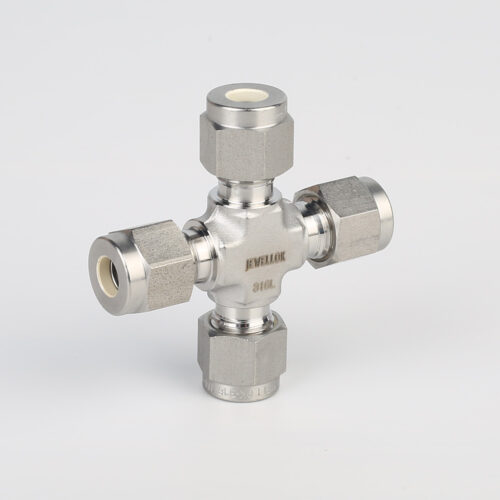
7102L Stainless Steel 316L SS Union Cross Ultra High Purity Long Arm Union Elbow Tee Cross Butt Weld Fittings
-
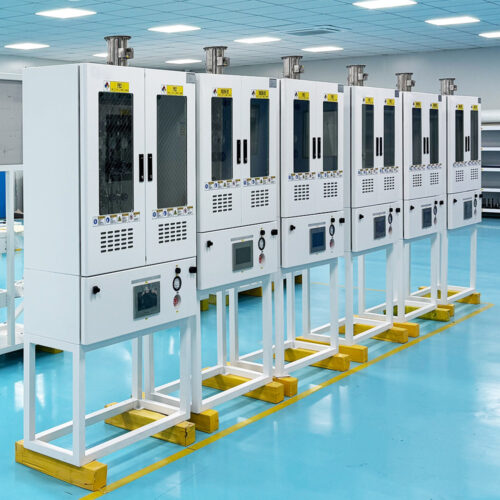
Precision Stainless Steel Valve Manifold Panel for Inert Gas Distribution in Cleanroom Manufacturing Environments
-
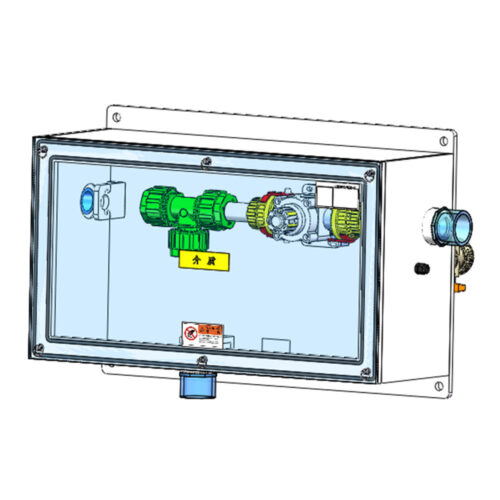
FT-BOX JW-FTB-C Valve Manifold Panels And Boxes With High Purity Configurable Systems
-
Ultra High Purity Diaphragm Valves and Pressure Regulators for Reliable Ultra High Purity Liquid Chemical Handling Systems
-
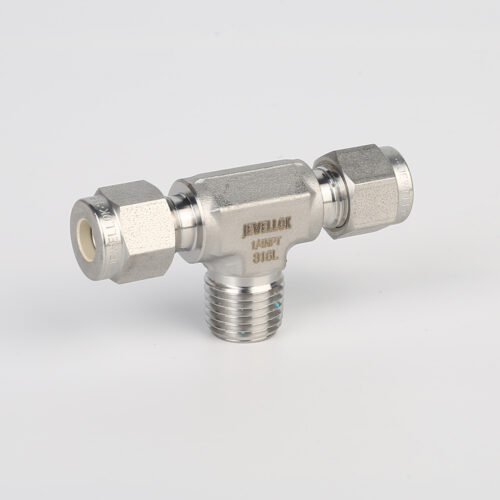
772L Male Branch Tee | Stainless Steel High-Purity Tube Fitting Male Branch Tee
-
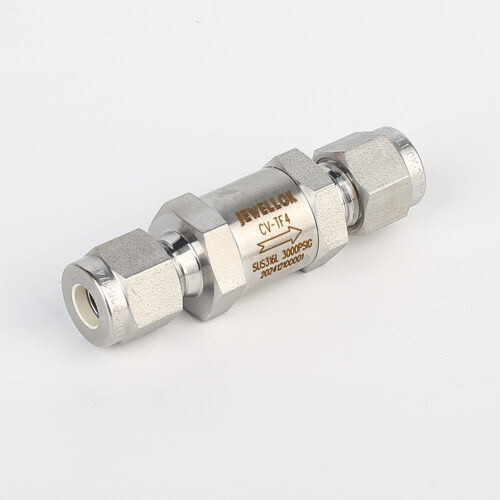
High Pressure High-Purity Welded Check Valves And Low Cracking Pressure Check Valve JCV1 Series
-
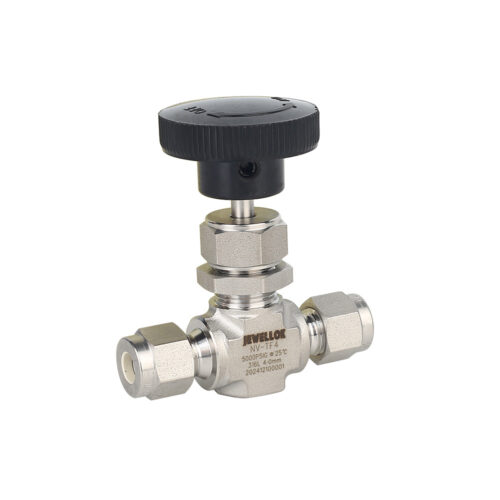
High Purity High Pressure Stainless Steel Needle Valve Natural Gas Flow Control Valve JNV Series