
Regulator Manufacturer Tel: +86 13380377051
Regulator Manufacturer Tel: +86 13380377051

What is VMB Valve Manifold Box?
In modern industrial processes, efficient and safe distribution of gases and liquids is paramount. One critical component that facilitates this is the Valve Manifold Box, commonly abbreviated as VMB. A VMB is an enclosed assembly that integrates multiple valves into a single manifold system, allowing for the controlled distribution of fluids from a central source to various endpoints. This technology is widely used in high-stakes environments where precision, safety, and reliability are non-negotiable. Whether handling hazardous gases in semiconductor manufacturing or distributing chemicals in pharmaceutical production, the VMB serves as a cornerstone for streamlined operations. This article delves into the technical aspects of VMBs, exploring their definition, components, functionality, applications, advantages, types, and maintenance considerations.

Definition and Purpose
At its core, a Valve Manifold Box is a compact, protective enclosure housing a manifold—a series of interconnected pipes or channels—that routes fluids through multiple valves. The “box” refers to the sturdy cabinet that encapsulates the system, shielding it from environmental contaminants and providing a secure, organized space for operation. VMBs are engineered to split a single supply line into multiple branches, enabling simultaneous delivery to tools, equipment, or processes without interrupting overall system flow.
The primary purpose of a VMB is to enhance safety and efficiency in fluid handling. By centralizing control points, it minimizes the risk of leaks, cross-contamination, and exposure to hazardous substances. For instance, in scenarios involving toxic or flammable gases, the VMB incorporates features like emergency shutoff mechanisms to prevent accidents. This makes it indispensable in industries adhering to stringent regulatory standards, such as those governed by OSHA or ISO certifications.
Key Components
A typical VMB comprises several interconnected elements, each contributing to its overall functionality. The manifold itself is the backbone, often constructed from high-purity materials like stainless steel, PVDF, or polypropylene to resist corrosion and maintain fluid integrity. Valves are the heart of the system, including isolation valves for individual branches, pneumatic or manual actuators for control, and emergency shutoff valves (ESOs) that activate in response to anomalies.
Pressure regulators are integral, reducing incoming high-pressure fluids to safe, operational levels. Monitoring devices such as gauges, transducers, and mass flow meters provide real-time data on pressure, flow rates, and temperature. For enhanced safety, sensors detect excess flow, high pressure, or leaks, often linked to programmable logic controllers (PLCs) that automate responses. The enclosure features hinged doors for easy access, vents for purging, and optional heaters for low-vapor-pressure gases. Double containment connections in the walls prevent spills, while accessories like fire sensors or toxic gas monitors add layers of protection.
In liquid-focused VMBs, components emphasize chemical resistance, with options for FM-rated fire-retardant materials. Gas-oriented designs prioritize ultra-high-purity (UHP) standards to avoid particulate contamination.
How a VMB Works
The operational principle of a VMB revolves around fluid distribution and control. Incoming fluid from a source enters the manifold via an inlet. From there, it branches out through individual “sticks”—pre-assembled lines with valves and regulators—to multiple outlets. Operators can isolate specific branches for maintenance without halting the entire system, thanks to vent and purge features that safely evacuate residual fluids.
In semi-automatic or automatic configurations, PLCs monitor parameters continuously. If a sensor detects an issue, such as pressure exceeding a threshold (e.g., 100 psi), the ESO valves close automatically, triggering alarms. Purging involves introducing inert gases like nitrogen to clear lines, ensuring safe component replacement. Flow rates, typically ranging from 0-700 standard liters per minute (slpm) depending on the application, are precisely managed to match downstream requirements.
For liquid chemicals, the process is similar but focuses on preventing drips or spills, with drain connections routing any leaks to containment systems. Overall, the VMB’s modular design allows for scalability, from 2 to 20 branches, adapting to varying operational demands.
Types of VMBs
VMBs come in various configurations to suit diverse needs. Manual VMBs are basic, relying on hand-operated valves for simplicity and cost-effectiveness in low-risk setups. Semi-automatic versions incorporate pneumatic actuators and basic controllers for quicker response times, ideal for moderate-hazard environments.
Fully automatic VMBs feature advanced PLC integration, remote monitoring, and fail-safe redundancies, making them suitable for high-purity or hazardous applications. Single-stick assemblies lack enclosures and serve as basic distribution points, while multi-stick boxes (e.g., 4-stick or 8-stick) handle complex setups.
Custom VMBs are tailored for specific fluids—gases like silane or liquids like acids—with materials and features optimized accordingly. For example, cleanroom-compatible designs use Class 100/1000 fabrication to minimize particulates.
Applications Across Industries
The versatility of VMBs extends their use across multiple sectors. In the semiconductor industry, they distribute specialty gases like nitrogen trifluoride for etching processes, ensuring contamination-free delivery in fabs. Pharmaceutical and biopharma facilities employ VMBs for sterile chemical handling, complying with GMP standards.
Aerospace and government research labs use them for propellant and fuel distribution, while solar manufacturing relies on VMBs for gas delivery in photovoltaic production. In medical applications, they manage oxygen or anesthetic gases safely. Universities with large-scale experiments benefit from their modularity, and chemical processing plants use liquid VMBs for acids, bases, or solvents.
In all cases, VMBs reduce infrastructure complexity by consolidating distribution points, saving space in crowded facilities.
Advantages and Benefits
The adoption of VMBs offers numerous technical and operational advantages. Safety is foremost: enclosed designs and automated shutoffs mitigate risks, potentially reducing incident rates by up to 50% in hazardous environments. Efficiency gains come from minimized downtime—branch isolation allows maintenance without full shutdowns, boosting productivity.
Space savings are significant; a single VMB replaces multiple isolated valves, optimizing floor space in cleanrooms. Cost-effectiveness arises from lower installation expenses and reduced material use. Versatility in customization ensures compatibility with various fluids, pressures (up to 3000 psi), and temperatures (-40°C to 150°C).
Moreover, VMBs enhance system reliability through leak-tested assemblies and certification, extending equipment lifespan and ensuring regulatory compliance.
Design Considerations and Installation
Designing a VMB involves assessing fluid type, flow requirements, and environmental factors. Material selection is critical—stainless steel for gases, thermoplastics for corrosives. Engineers must calculate pressure drops and incorporate redundancies for critical applications.
Installation typically occurs in ventilated areas, with secure mounting and connections to source lines. Electrical integration for controls requires grounding to prevent static buildup. Post-installation, helium leak testing verifies integrity.
Maintenance and Best Practices
Regular maintenance ensures longevity. Visual inspections check for corrosion or leaks, while functional tests verify valve operation. Purging protocols should be followed during servicing. Sensors and PLCs need calibration annually, and enclosures cleaned to maintain purity.
Best practices include training operators on emergency procedures and integrating VMBs with facility-wide monitoring systems for predictive maintenance.

Conclusion
The Valve Manifold Box represents a pivotal advancement in fluid distribution technology, blending safety, efficiency, and adaptability. From its robust components to its diverse applications, the VMB addresses the challenges of modern industrial fluid management. As industries evolve toward automation and sustainability, VMBs will continue to play a vital role, ensuring precise control and minimal risks. Understanding and implementing VMBs can significantly enhance operational performance, making them an essential tool for engineers and facility managers alike.
For more about what is vmb valve manifold box, you can pay a visit to Jewellok at https://www.specialtygasregulator.com/product-category/specialty-gas-cabinet/ for more info.
-
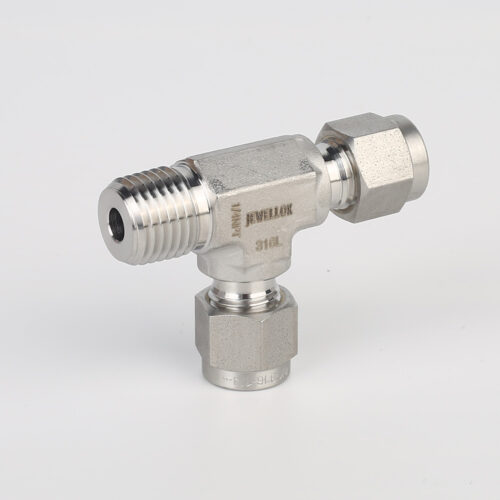
771L Male Run Tee | Stainless Steel High Quality High Purity Male Run Tee Branch Tee Pipe Fittings
-
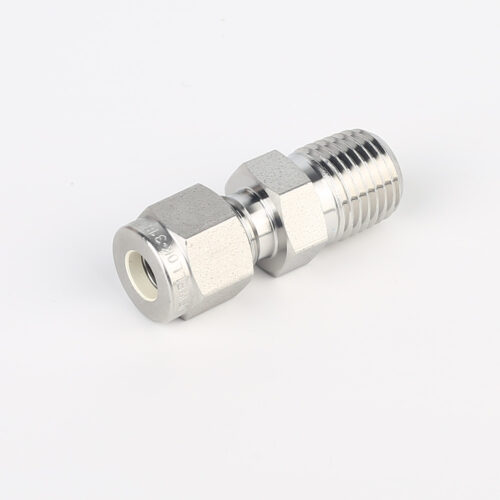
768L Stainless Steel Male Tube Butt Weld Connector | Clean Weld Fittings And Ultra-High Purity Fittings
-
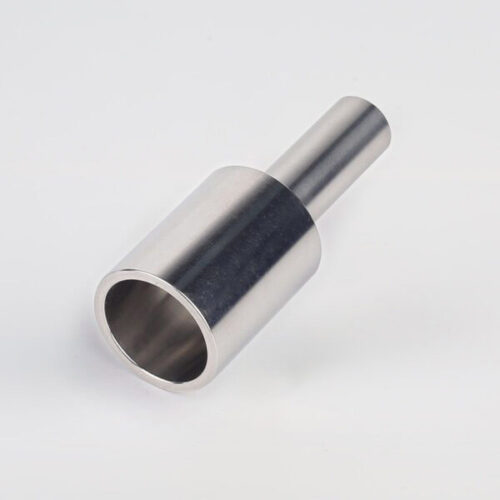
316L Stainless Steel Tube Butt Weld Reducing Fittings Union Reducer RW Series Ultrahigh Purity Process
-
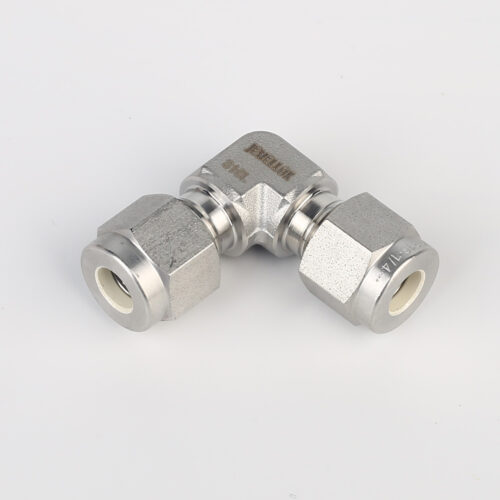
765L Stainless Steel Union Elbow Reducing High Purity Fitting Tubing Extension Tubing Connection
-
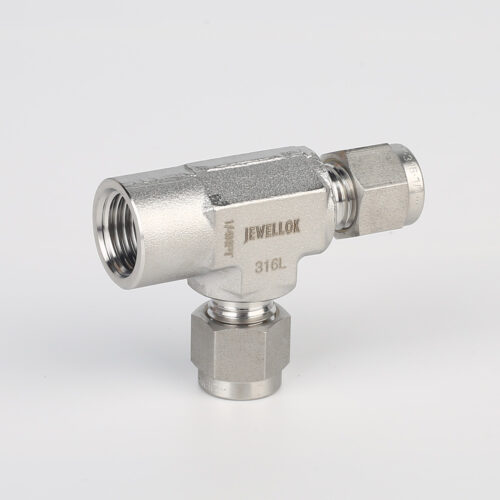
771LF Female Run Tee | Stainless Steel Tube Fitting Compression Fittings 1/4 In 3-Way Tee Female Run Tee
-

Semi Automatic Gas Changeover Manifold System Manual Changeover Manifold Panel Single Stage Automatic Switchover Board
-
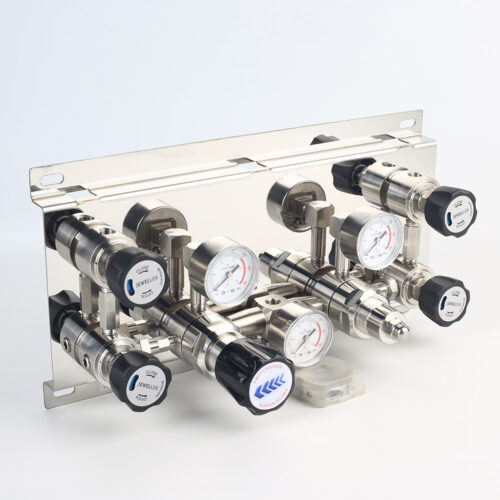
Pressure Control Panels For High Purity Gas Control System JSP-3AE Series From Pressure Control Panels Suppliers And Manufacturer
-
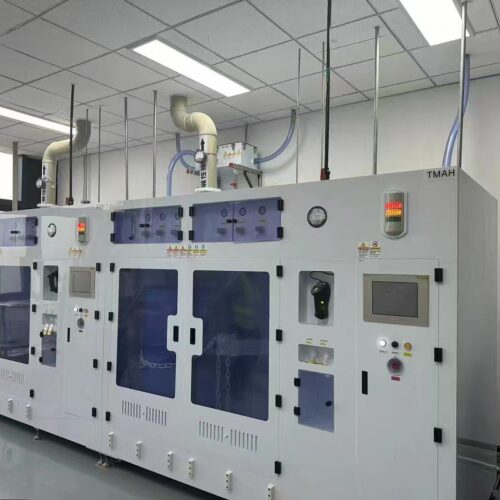
Integrated Bulk Chemical Delivery System and Automatic CDU Solutions for Safe Hazardous Chemical Fluid Handling