
Regulator Manufacturer Tel: +86 13380377051
Regulator Manufacturer Tel: +86 13380377051
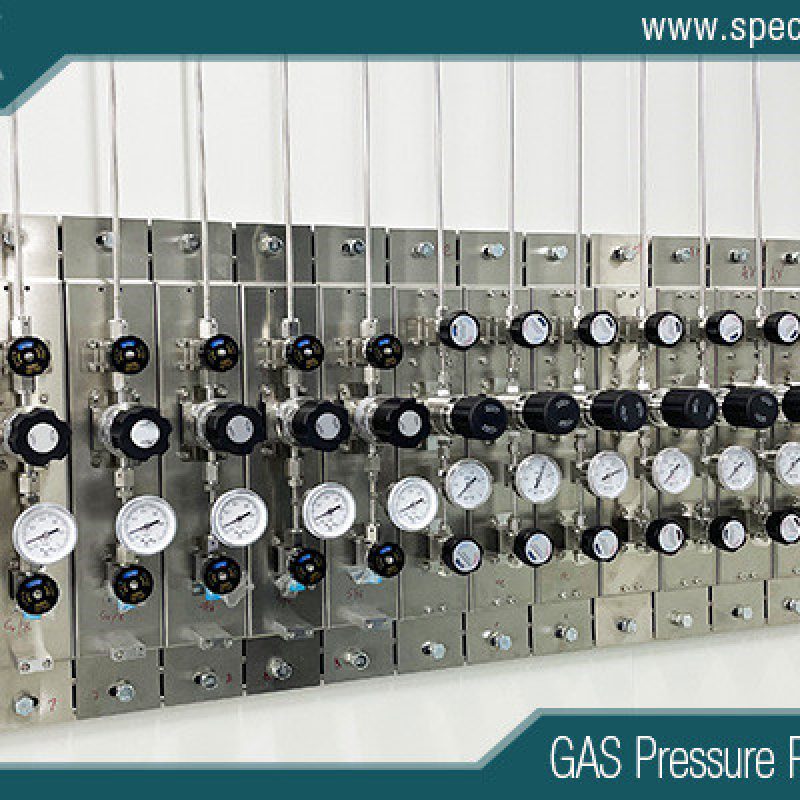
Laboratory Grade CO2 Ultra-High Purity Pressure Reducing Valve for Analytical Instruments and Semiconductor Processing
In the realms of advanced analytical chemistry and semiconductor manufacturing, the margin for error is measured in parts-per-billion (ppb), if not parts-per-trillion (ppt). The integrity of the entire process hinges on the purity and consistency of the gases used. Carbon dioxide (CO2), while sometimes perceived as a simple gas, plays several pivotal roles: as a carrier gas in chromatography, a supercritical fluid in extraction and cleaning, a reactant in chemical vapor deposition (CVD), and a cryogenic agent. However, introducing a high-pressure cylinder of CO2 directly into a multi-million dollar gas chromatograph-mass spectrometer (GC-MS) or a semiconductor epitaxial reactor is a recipe for catastrophic failure and compromised data.
This is where the laboratory-grade, ultra-high purity (UHP) CO2 pressure reducing valve transitions from a simple component to a critical system interface. It is the gatekeeper, responsible for the precise, stable, and contamination-free delivery of CO2 from its high-pressure source to the sensitive downstream instrument. This article delves into the design, materials, operational principles, and selection criteria for these specialized valves, underscoring their indispensable role in ensuring data fidelity and process yield.
The Demand: Why Standard Regulators Fall Short
Standard industrial regulators are designed for robustness and cost-effectiveness in applications where minor contamination or pressure fluctuation is acceptable. They are utterly unsuitable for UHP applications for several reasons:
-
Internal Contamination: They often use elastomeric seals (like Buna-N or Viton) that can outgas hydrocarbons or shed particles. Their internal surfaces may be passivated to a lower standard.
-
Pressure Stability: Their springs and diaphragms may not provide the “dead-tight” shutoff or the minimal droop (change in outlet pressure with flow) required by instruments with highly sensitive flow controllers.
-
Cleanability: Their design may include dead legs, convoluted internal passages, and non-removable components that trap moisture and particulate, making proper cleaning impossible.
-
Materials: Brass or standard stainless-steel bodies can introduce metallic ions (e.g., zinc, copper, iron) into the gas stream.
In contrast, a laboratory-grade UHP regulator for CO2 is engineered from the ground up to mitigate every possible source of contamination and instability.
Design and Construction: Anatomy of a Precision Instrument
A UHP CO2 pressure reducing valve is a study in meticulous engineering. Every feature is purpose-driven.
1. Materials of Construction: The Foundation of Purity
-
Body & Internal Components: 316L Stainless Steel, specifically in its electro-polished (EP) or vacuum-melted form (e.g., 316L VAR), is the gold standard. Electro-polishing removes surface imperfections at a microscopic level, creating a smooth, passive oxide layer that minimizes adsorption and particle entrapment. Alternative high-end materials include Monel (for superior corrosion resistance) and specialized alloys like Hastelloy.
-
Sealing Technology: The elimination of elastomers is paramount. Metal Diaphragm sealing is the hallmark of a true UHP regulator. A thin, flexible stainless-steel diaphragm acts as both the pressure-sensing element and the primary dynamic seal, completely isolating the gas stream from the spring chamber and the atmosphere. For static seals, Conflat®-style metal gaskets (e.g., copper or silver-plated) or soft-seat options like perfluoroelastomers (FFKM/Kalrez®) rated for ultra-low outgassing are used.
-
Surface Finish: Internal surfaces are typically specified with a roughness average (Ra) of 10 micro-inches or better. A smoother finish reduces surface area, preventing the trapping of moisture and particles.
2. Critical Functional Design Features
-
Diaphragm Design: A large-area, sensitive diaphragm provides excellent response and control, minimizing droop. It must be compatible with CO2 and its potential phase changes (especially in liquid-withdrawal applications).
-
Purge and Vent Ports: These are essential for proper installation and maintenance. An inlet purge port allows for “purging” the regulator body before connecting to the instrument, evacuating air. A vent port on the low-pressure side is used for safe depressurization.
-
Filter Integration: Some high-end models incorporate integral, sintered metal filters (e.g., 0.5 micron) at the inlet or outlet to provide a final barrier against particulate.
-
Pressure Gauges: Gauges should be of equal integrity, with stainless-steel Bourdon tubes and clean, dry internals. Digital pressure transducers are becoming increasingly popular for their accuracy, stability, and lack of mechanical components that can fail.
-
Delivery Pressure Range: For analytical instruments, a typical delivery range is 0-100 psig or 0-200 psig, with a high degree of set-point accuracy and stability.
Special Considerations for Carbon Dioxide (CO2)
CO2 presents unique challenges that a specialized regulator must address:
-
Phase Change & Joule-Thomson Effect: When high-pressure CO2 expands rapidly (as it does across a regulator seat), it cools dramatically (Joule-Thomson cooling). If the gas contains moisture, this can lead to ice formation, which can clog the orifice and cause pressure spikes or failures. UHP regulators for CO2 are designed with this in mind, often using designs that minimize adiabatic cooling.
-
Liquid Withdrawal: Many laboratory CO2 cylinders contain liquid CO2. If the regulator is mounted vertically with the inlet down, liquid CO2 can enter the regulator. A true UHP gas regulator is designed for vapor-phase withdrawal only. For applications requiring liquid withdrawal (e.g., for supercritical fluid systems), a specialized “dip tube” cylinder and a regulator designed to handle two-phase flow are required.
-
Compatibility: All wetted materials must be compatible with potentially moist CO2 to prevent corrosion, which is a major source of metallic contamination.
Applications in Analytical Instrumentation
1. Gas Chromatography (GC) and GC-Mass Spectrometry (GC-MS): CO2 is used as a make-up gas, a carrier gas in specific applications, or in pulsed discharge detectors. Any hydrocarbon outgassing from a regulator can create baseline drift, ghost peaks, and elevated background noise, ruining chromatographic separation and detector sensitivity. The regulator must provide rock-steady pressure to the GC’s electronic pressure control (EPC) module.
2. Supercritical Fluid Chromatography (SFC) and Extraction (SFE): Here, CO2 is the primary mobile phase, pumped as a liquid/supercritical fluid. The purity and consistency of the CO2 source directly impact method reproducibility. The source regulator must deliver clean, dry vapor to the system’s high-pressure pump without introducing contaminants that could foul check valves or damage pump seals.
3. Inductively Coupled Plasma Mass Spectrometry (ICP-MS): While not a sample gas, UHP CO2 may be used in cooling interfaces or as a reaction cell gas. The extreme sensitivity of ICP-MS (to ppt levels) means any metallic contamination from the regulator will be detected, leading to false positives and inaccurate quantification.
Applications in Semiconductor Processing
The semiconductor industry operates at an even higher purity paradigm, often referred to as “electronic grade” or SEMI-standard gases.
1. Chemical Vapor Deposition (CVD) and Atomic Layer Deposition (ALD): CO2 can be used as a mild oxidant or reactant gas in processes depositing films like silicon carbide (SiC) or high-k dielectrics. Particulate or hydrocarbon contamination from a regulator can create defects in the crystalline structure, leading to device failure (e.g., gate oxide breakdown). Metallic impurities can alter the electrical properties of the film.
2. Wafer Cleaning and Etching: In advanced cleaning steps, CO2-based mixtures (sometimes in snow or supercritical phases) are used to remove particles and photoresist residues without damaging nanoscale features. Contamination here can leave residues or induce surface states that degrade device performance.
3. Chamber Purging and Inerting: UHP CO2 is sometimes used for purging sensitive chambers. Any moisture or oxygen from an impure source or leaky regulator defeats the purpose.
Selection, Installation, and Maintenance Best Practices
Selection Criteria:
-
Purity Rating: Specify a regulator rated for the purity level of your gas (e.g., 99.9999% or “6.0 Grade”). The regulator should be at least as clean as the gas.
-
Materials: Confirm 316L EP stainless steel wetted parts and metal diaphragm construction.
-
Pressure Ratings: Ensure the inlet pressure rating (e.g., 3000 psig for a CO2 cylinder) and the required outlet range are suitable.
-
Porting: Specify the correct inlet and outlet connections (e.g., CGA-320 inlet, ¼” VCJ® or Swagelok® outlet) to match your gas cylinder and system.
-
Vendor Certification: Reputable vendors supply cleanliness certifications (e.g., <10 particles >0.5 micron per cubic foot, moisture <1 ppm) and helium leak test reports.
Installation & Start-Up:
-
Leak Check: Always perform a thorough leak check on all connections (inlet, outlet, vent) using a compatible leak detection solution.
-
Proper Purging: Use the purge port to evacuate air from the regulator body before opening the outlet to the instrument. Follow a “pressurize-vent” cycle several times.
-
Slow Pressurization: Always open the cylinder valve slowly and adjust the delivery pressure gradually to avoid “slamming” the diaphragm and internal components.
Maintenance:
-
Regular Replacement: Even the best regulators can wear or become contaminated over time. Establish a preventive maintenance schedule based on usage hours or annually.
-
Proper Storage: If removed from service, cap all ports and store in a clean, dry environment.
-
Expert Service: These are precision devices. Any repair or rebuild should be performed by the manufacturer or a certified technician using a controlled cleanroom procedure and proper tooling.
Conclusion
In the high-stakes environments of analytical laboratories and semiconductor fabs, the CO2 ultra high purity pressure reducing valve is far more than a simple mechanical accessory. It is a linchpin of precision, a dedicated guardian of gas integrity. Its advanced design—featuring ultra-clean materials, hermetic metal diaphragm seals, and precision machining—ensures that the CO2 delivered to a sensitive instrument or process chamber is as pristine and stable as when it left the high-pressure cylinder.
Investing in a true laboratory-grade, ultra-high purity regulator is not an area for cost-cutting. It is a fundamental requirement for achieving reliable analytical data, reproducible scientific results, and high yields in semiconductor manufacturing. As the demand for sensitivity and miniaturization continues to grow, the technology within these unsung heroes of the gas delivery system will remain at the forefront, enabling the next generation of discovery and innovation.
For more about laboratory grade CO2 ultra high purity pressure reducing valve for analytical instruments and semiconductor processing, you can pay a visit to Jewellok at https://www.specialtygasregulator.com/product-category/specialty-gas-cabinet/ for more info.
-
Ultra High Purity Diaphragm Valves and Pressure Regulators for Reliable Ultra High Purity Liquid Chemical Handling Systems
-
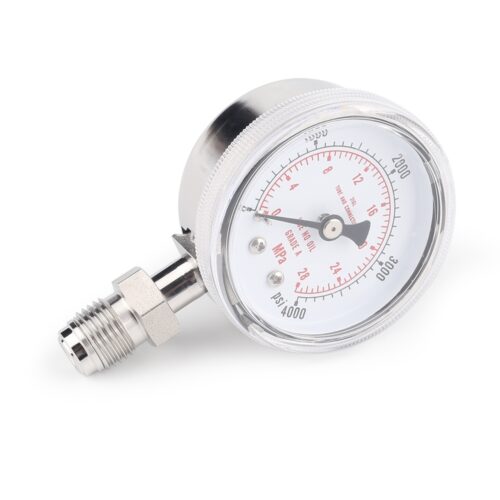
Ultra High Purity Oxygen Pressure Gauge For Semiconductor Gases JG Series Pressure Instruments For Semiconductor Manufacturing
-
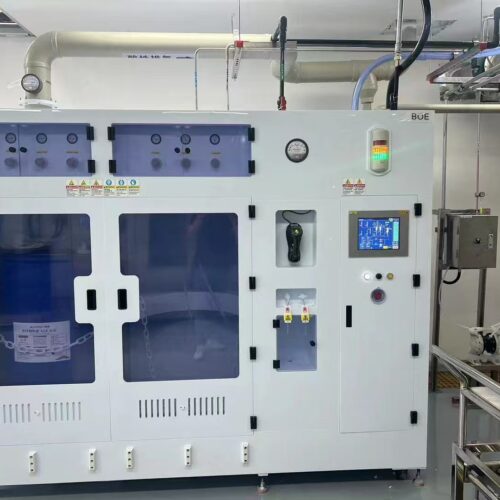
UHP Liquid Chemical Delivery Systems for Semiconductor Fabrication and Photovoltaic Manufacturing Processes
-
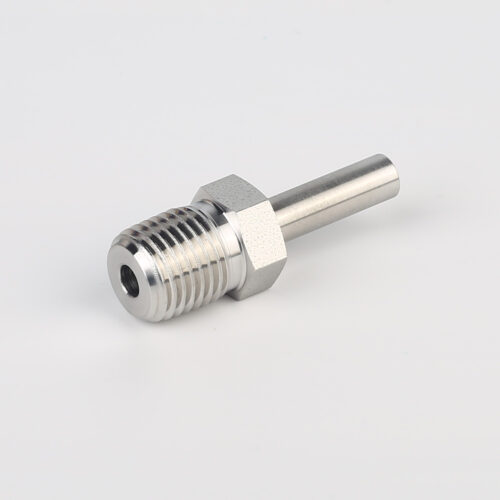
739 High Purity LMR Male Adapter Tube To Pipe Fittings And Adapters
-
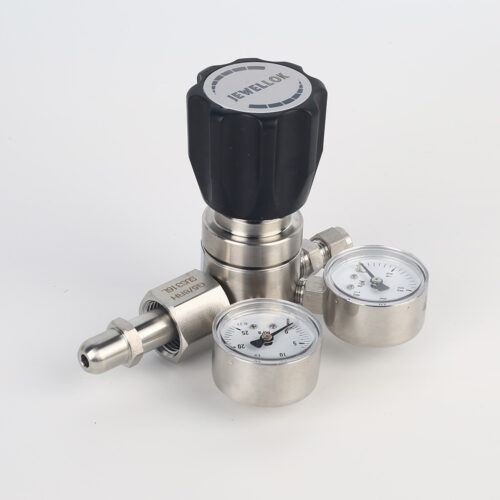
High Purity High Pressure Gas Cylinder Pressure Regulators Pressure Reducing Valve JSR-1E Series
-
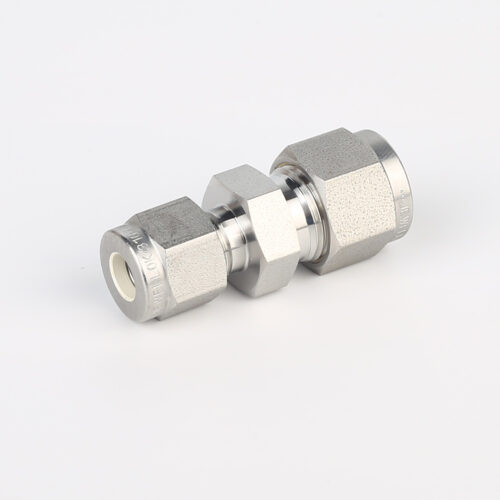
763L Stainless Steel High Purity Pressure Reducing Union Fittings And Tubing Pressure Reducing Valve Adjustment
-
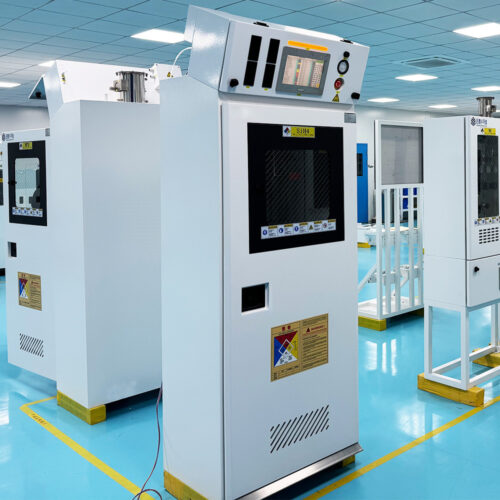
Advanced Bulk Specialty Gas Systems BSGS Gas Cabinet for Safe Handling of Toxic and Flammable Process Gases
-
Integrated Gas Cabinets and Exhaust Gas Scrubber System for Ammonia and Hydrogen Chloride Industrial Emission Control