
Regulator Manufacturer Tel: +86 13380377051
Regulator Manufacturer Tel: +86 13380377051
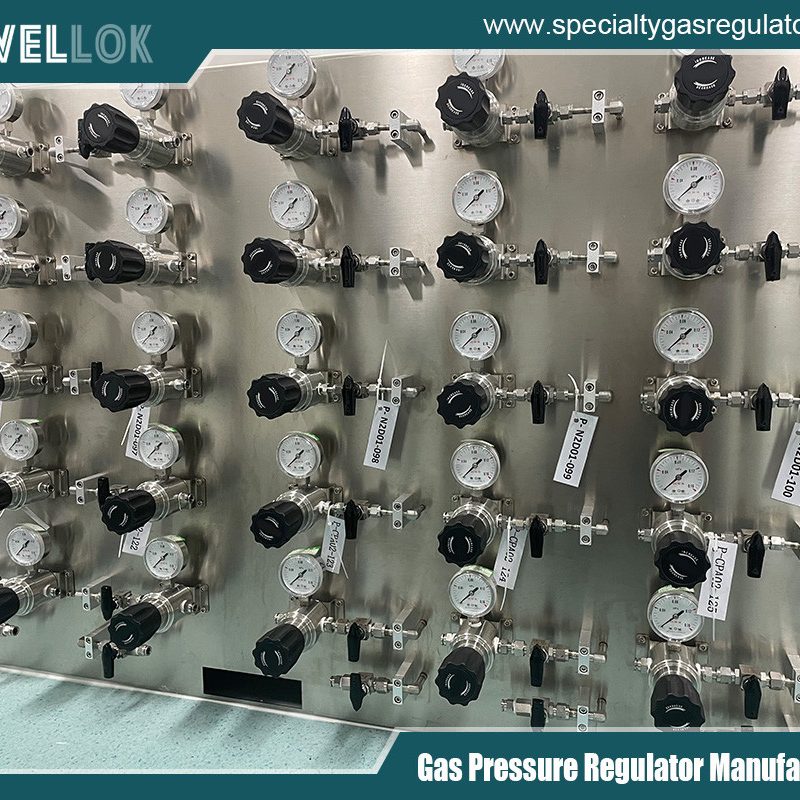
Laboratory Gas Supply System Upgrade: How Dual-Stage Regulators Enhance Analytical Precision?
In the demanding environment of modern analytical laboratories, precision is not just a goal; it is the currency of credibility. Whether it is for Gas Chromatography (GC), Inductively Coupled Plasma Mass Spectrometry (ICP-MS), or Atomic Absorption Spectroscopy (AA), the accuracy of your results is inextricably linked to the stability of your gas supply.
For years, standard single-stage gas regulators have been the default choice for many facilities. However, as detection limits push lower and regulatory compliance becomes stricter, a hidden variable often undermines reproducibility: inlet pressure fluctuation. Upgrading your laboratory gas supply system from single-stage to dual-stage gas regulators is a critical, yet often overlooked, infrastructure investment that directly impacts your bottom line—analytical accuracy.
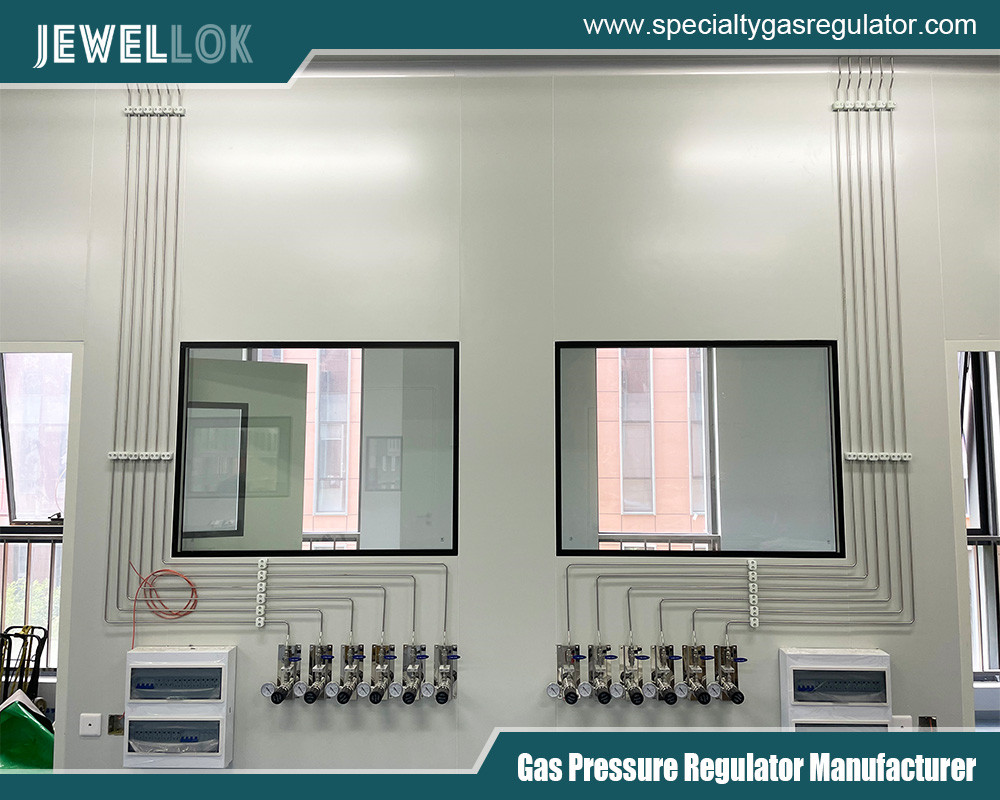
The Anatomy of Gas Delivery and the “Pressure Drop” Dilemma
To understand why a dual-stage regulator is superior, one must first appreciate the physics occurring inside a gas cylinder. A standard high-pressure cylinder stores gas at pressures ranging from 2,000 to 6,000 psi. As the cylinder empties, this pressure naturally decays. An analytical instrument, however, requires a consistent delivery pressure—typically between 50 and 100 psi—to ensure stable flow rates and detector responses.
A single-stage regulator reduces the cylinder pressure to the outlet pressure in one step. While simple and cost-effective, it suffers from an inherent flaw: the “droop” characteristic. As the inlet pressure (cylinder pressure) decreases, the outlet pressure will gradually increase (or decrease, depending on the regulator design) relative to the set point. This phenomenon is often referred to as supply pressure effect. For high-precision applications, even a 1-2 psi fluctuation can alter the carrier gas flow velocity in a GC column, shifting retention times and compromising peak identification.
A dual-stage regulator, in contrast, acts as two regulators in series within a single body. The first stage reduces the high cylinder pressure to a fixed intermediate pressure (e.g., 300 psi). The second stage then takes this stable intermediate pressure and reduces it to your exact working pressure. Because the second stage receives a constant inlet pressure from the first stage, the outlet pressure remains rock-steady regardless of whether the cylinder is full or nearly empty.
Quantifying the Impact on Analytical Precision
The upgrade from single-stage to dual-stage regulation moves the gas supply from a variable in the equation to a constant. This has three specific technical benefits that enhance analytical precision:
1. Consistent Carrier Gas Velocity in Gas Chromatography
In GC, the retention time of an analyte is directly proportional to the linear velocity of the carrier gas (usually Helium or Hydrogen). If the gas pressure fluctuates due to cylinder aging, the flow rate changes. Dual-stage regulators ensure that the pressure head entering the column remains constant throughout an entire multi-hour or multi-day sequence. This eliminates “retention time drift,” allowing for accurate compound identification via retention time locking and ensuring that spectral libraries match correctly.
2. Stable Flame Conditions in AA and ICP
Spectroscopy methods using flames (AA) or plasmas (ICP) are highly sensitive to changes in the fuel and oxidant gas mixture. In Atomic Absorption, the ratio of Acetylene to Air or Nitrous Oxide dictates the flame temperature and the population of ground-state atoms. A fluctuation in fuel gas pressure caused by a dying cylinder (and a struggling single-stage regulator) can alter the flame chemistry mid-run, leading to poor sensitivity and calibration errors. Dual-stage regulators provide the stoichiometric stability required for consistent atomization.
3. Minimization of Baseline Noise in Detectors
Many detectors, such as an Electron Capture Detector (ECD) or a Flame Ionization Detector (FID), are sensitive to the purity and stability of the make-up gas. Pressure surges, often caused by the “opening” and “closing” cycles of a single-stage regulator as it struggles to compensate for dropping inlet pressure, can introduce baseline noise or “spikes.” The smooth, consistent delivery of a dual-stage regulator ensures a quiet baseline, which improves the signal-to-noise ratio and lowers the limit of detection (LOD).
The “Dead Volume” and Contamination Risk
Beyond pressure stability, there is another technical advantage often overlooked in the dual-stage vs. single-stage debate: system safety and purity.
Single-stage regulators often have large internal volumes and complex diaphragm exposure. When they begin to fail or “sneeze” due to pressure differentials, they can draw contaminants backward into the gas stream. More critically, in high-purity applications (5.0 grade and above), the elastomeric seals in a low-quality single-stage regulator can outgas or permit atmospheric ingress.
High-end dual-stage regulators are frequently designed with stainless steel diaphragms and purgeable internal volumes. This allows the gas system to be properly evacuated of air (oxygen and moisture) before the gas is introduced to the instrument. By upgrading to a dual-stage system with a venting port, laboratories can ensure that the purity of the gas achieved at the cylinder head is the purity delivered to the instrument, preventing column degradation or detector oxidation.
Real-World Scenario: The Overnight Sequence
Consider a laboratory running an overnight sequence of 50 environmental samples for Volatile Organic Compounds (VOCs).
-
With a Single-Stage Regulator: The sequence starts at 8:00 PM with a cylinder pressure of 2000 psi. The outlet is set to 60 psi. By 4:00 AM, the cylinder pressure has dropped to 500 psi. Due to the supply pressure effect, the outlet pressure has now drifted to 62 psi. This 3.3% increase in pressure increases the carrier gas flow rate. Consequently, the later samples in the sequence elute slightly faster, causing retention time shifts. The morning analyst returns to find that the quality control sample failed because the retention times no longer match the calibration standard from the previous day. The run must be repeated, wasting time, gas, and sample.
-
With a Dual-Stage Regulator: The sequence starts under the exact same conditions. The first stage compensates for the drop from 2000 psi to 500 psi, maintaining a steady intermediate pressure. The second stage never “sees” the cylinder decay; it only sees the stable intermediate pressure. The outlet pressure remains locked at 60 psi from the first injection to the last. Retention times are locked, peaks are sharp, and the calibration holds. The analyst arrives to a successful sequence report.
Cost-Benefit Analysis: Capital Expense vs. Operational Waste
The hesitation to upgrade usually centers on cost. A high-quality dual-stage regulator can cost two to three times more than a basic single-stage model. However, this is a classic case of “pay now or pay more later.”
The operational waste in a lab is not just the cost of the gas, but the cost of rework. The American Productivity & Quality Center (APQC) estimates that rework in laboratory settings can consume up to 23% of a technician’s productive time. If a pressure instability issue causes a single failed 24-hour run per month, the cost of consumables, technician overtime, and instrument depreciation far exceeds the incremental cost of upgrading a regulator.
Furthermore, dual-stage regulators contribute to gas conservation. By providing a steady output until the cylinder is virtually empty, they allow you to utilize more of the gas you paid for. Single-stage regulators often require cylinder changes while there is still a significant amount of gas left, simply because the outlet pressure can no longer be maintained precisely. With a dual-stage system, you can safely “run the cylinder to the metal,” maximizing the value of every fill.
Technical Considerations for Upgrading
If you are planning to upgrade your laboratory gas supply system, consider the following technical specifications:
-
Material Compatibility: For corrosive gases (e.g., Chlorine, Ammonia), ensure the regulator features Hastelloy or Monel construction. For inert and ultra-high-purity gases, specify 316L Stainless Steel with a diaphragm seal to prevent diffusion.
-
CGA Connections: Verify the Compressed Gas Association (CGA) fitting compatibility for your specific gas to prevent hazardous cross-connections.
-
Delivery Pressure Range: Ensure the second-stage pressure range is appropriate for your instrument. GC carrier gas typically requires a higher outlet pressure (60-100 psi) than detector fuel gases (20-40 psi).
-
Flow Capacity (Cv): Calculate the flow coefficient. A regulator that is too small for your system can cause “starvation” at the instrument, while one that is too large can be difficult to control at low flows.
-
Line Regulation vs. Droop: Review the manufacturer’s specifications for “line regulation.” This number indicates how much the outlet pressure changes in response to inlet pressure changes. A superior dual-stage regulator will have a line regulation of less than 0.01 psi per 100 psi inlet change.

Conclusion:
In the hierarchy of analytical quality control, we often focus on the instrument—the column, the detector, the autosampler. However, the gas supply system is the foundation upon which all these components operate. An unstable foundation leads to an unstable structure.
Upgrading from a single-stage to a dual-stage regulator is not merely a plumbing change; it is a strategic move to enhance data integrity. By eliminating the variable of inlet pressure decay, you remove a significant source of drift and irreproducibility. In a competitive research environment where accuracy is paramount, the dual-stage regulator is an essential tool for ensuring that your analytical results reflect the true nature of the sample, not the instability of your gas cylinder. The investment is minimal compared to the cost of uncertainty, making it one of the most intelligent upgrades a laboratory can make.
For more about laboratory gas supply system upgrade: how dual-stage regulators enhance analytical precision, you can pay a visit to Jewellok at https://www.specialtygasregulator.com/ for more info.
-
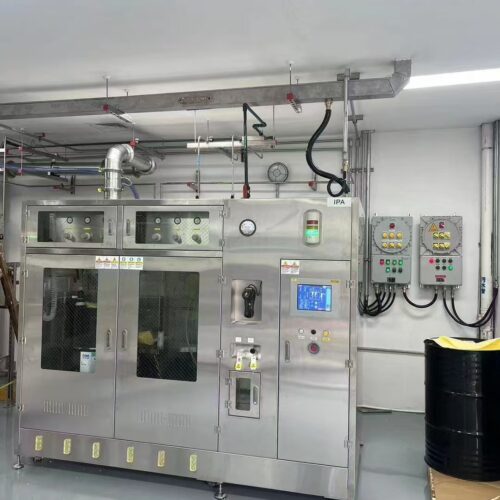
Ultra High Purity CDS Solutions Featuring 316L Electropolished Stainless Steel for Superior Chemical Integrity and Safety
-
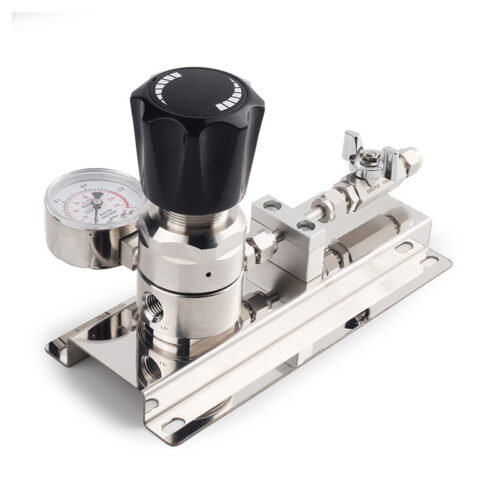
Ultra High Purity 316L Var Stainless Steel Compressed Gas Changeover Manifold Panel System For Integrated Gas Supply System
-
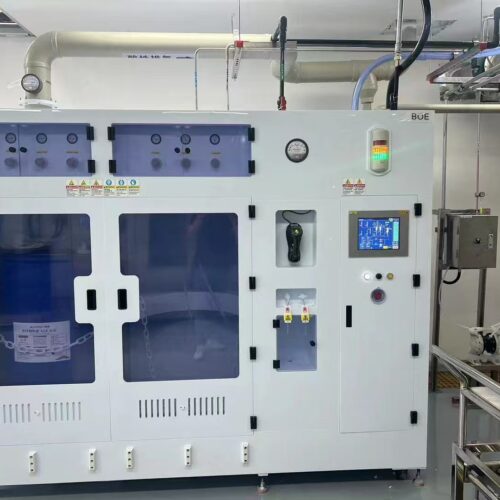
Chemical Delivery Modules for Automated Blending and Precise Dilution in Modern Wafer Cleaning Applications
-
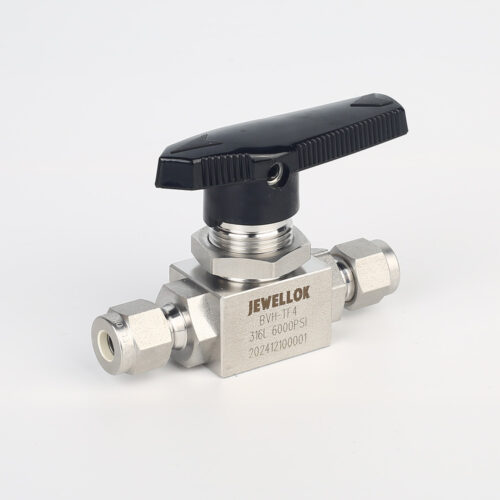
High Purity High Pressure 316 Stainless Steel Ball Valves JBV1 Series From High Pressure Ball Valve Manufacturer And Supplier In China
-
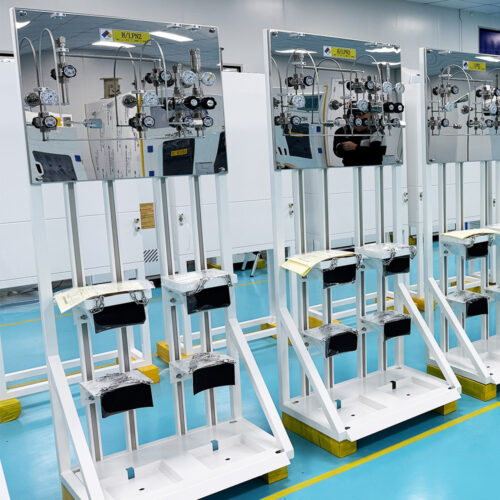
Fully Automated Gas Cabinet for Safe Ultra High Purity Specialty Gas Delivery in Semiconductor Manufacturing
-
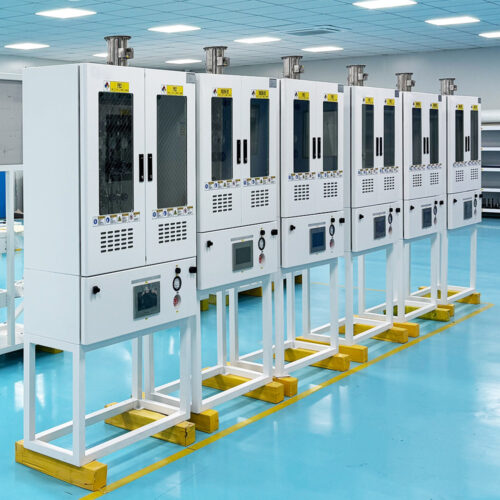
Automated Valve Manifold Box with Leak Detection for Toxic and Flammable Semiconductor Process Gases
-
Stainless Steel High Purity High Temperature Pneumatic Actuated Ball Valves JBV2 Series
-
UHP Liquid Chemical Delivery Systems for Semiconductor Fabrication and Photovoltaic Manufacturing Processes