
Regulator Manufacturer Tel: +86 13380377051
Regulator Manufacturer Tel: +86 13380377051
How to Select an Industrial-Grade Exhaust Gas Scrubber System: A Technical Procurement Guide
The Stakes of Industrial Air Compliance
In the modern industrial landscape, the exhaust gas scrubber is not merely an ancillary component; it is a critical piece of compliance and safety infrastructure. From chemical manufacturing and semiconductor fabrication to metal finishing and pharmaceutical production, the release of airborne pollutants—whether acid gases, volatile organic compounds (VOCs), or particulate matter—is subject to stringent environmental regulations (such as the Clean Air Act, EPA guidelines, or local equivalents).
Selecting the wrong wet scrubber system can lead to costly downtime, non-compliance penalties, and even safety hazards. This article provides a technical framework for procurement managers and plant engineers on how to specify and select an industrial-grade exhaust gas wet scrubber system that ensures efficiency, longevity, and regulatory compliance.
1. The Core Mechanism: Understanding the Three Types of Contact
Before diving into specifications, one must understand the fundamental engineering behind wet scrubbing. Industrial exhaust gas scrubber system remove contaminants by bringing the gas stream into intimate contact with a scrubbing liquid (usually water or a chemical solution). The selection of the scrubber type depends entirely on the physical and chemical properties of the pollutant.
A. Venturi Scrubbers (For Particulate and Gas)
-
Principle: Utilizes high-velocity gas flow to atomize the scrubbing liquid into fine droplets.
-
Application: Ideal for sticky, hygroscopic dust, or when dealing with hot, corrosive fumes where particulate removal is the primary goal (e.g., steel production, fertilizer plants).
-
Technical Consideration: Look for pressure drop ratings (typically 10 to 100+ inches W.G.). A higher pressure drop indicates higher energy consumption but better efficiency for sub-micron particles.
B. Packed Bed Scrubbers (For Gaseous Pollutants)
-
Principle: Gas flows vertically (counter-currently or cross-flow) through a bed of random or structured packing material. Liquid flows down over the packing, providing a large surface area for mass transfer.
-
Application: The industry standard for absorbing acid gases (HCl, H2SO4, HF) and soluble VOCs.
-
Technical Consideration: Critical specifications include the Height of Transfer Unit (HTU) and the type of packing (e.g., Pall rings, saddle rings). Material compatibility with the packing is essential to prevent collapse or fouling.
C. Plate/Tray Columns (For High-Efficiency Absorption)
-
Principle: Gas bubbles through liquid on stacked trays.
-
Application: Used when a very high degree of contact is required or when the reaction between gas and liquid is slow.
-
Technical Consideration: They are generally better for handling large liquid loads but have a higher pressure drop than packed towers.
2. Defining the “Duty”: The Engineering Data Sheet
The success of a scrubber system hinges on the accuracy of the inlet data. Suppliers cannot design an effective system without a precise characterization of the exhaust stream. You must compile a comprehensive “Duty Specification” document that includes:
-
Gas Composition: List all chemical constituents and their concentrations (ppm or % by volume). Identify the primary target pollutant.
-
Volumetric Flow Rate (ACFM/SCFM): Actual Cubic Feet per Minute vs. Standard. This dictates the diameter of the vessel.
-
Temperature: Inlet temperature is critical. High temperatures may require a quench section prior to the scrubber to protect internals and prevent flashing of the scrubbing liquid.
-
Particulate Load: If solids are present, specify the particle size distribution (PSD). High particulate loads may require a pre-separator or a specific scrubber design to prevent plugging.
-
Moisture Content: Determines if the gas is saturated, which affects the evaporation rate within the tower.
3. Key Technical Parameters for Evaluation
When comparing vendor proposals, do not simply compare prices. Scrutinize the following engineering parameters, as they define the performance and operating cost of the unit.
A. Residence Time and Gas Velocity
-
The Science: Absorption is a function of time and turbulence.
-
The Spec: Ensure the vendor specifies the gas residence time in the packed bed (usually 1 to 3 seconds for difficult absorption) and the superficial gas velocity (typically 2–4 ft/s in a counter-current packed bed). Too high a velocity leads to flooding; too low leads to an oversized, expensive vessel.
B. L/G Ratio (Liquid-to-Gas Ratio)
-
The Science: This defines the volume of scrubbing liquid used per volume of gas.
-
The Spec: A higher L/G ratio generally increases removal efficiency but increases pump energy and wastewater treatment costs. The optimal ratio is determined by the solubility of the gas (Henry’s Law constant). For highly soluble gases (like HCl), a lower L/G works; for less soluble gases (like Cl2 or SO2), a higher L/G and chemical enhancement (caustic soda) are required.
C. Materials of Construction (MOC)
-
The Science: Corrosion is the enemy of longevity.
-
The Spec:
-
FRP (Fiberglass Reinforced Plastic): The standard for most corrosive fumes (acids, caustics) up to 180-200°F. Specify a corrosion-resistant resin (e.g., Vinyl Ester for strong acids, Isophthalic for general duty) with a fire-retardant additive.
-
Thermoplastics (PP, PVC, PVDF): PP is common for lower temperatures; PVDF is used for high-temperature, high-purity applications (semiconductor).
-
Stainless Steel (316L, Duplex): Used only for specific chemistries where chlorides are absent, or high temperatures preclude plastic use.
-
D. Mist Eliminator Design
-
The Science: Clean gas must be dried before exiting the stack to prevent “rainout” and visible plume.
-
The Spec: The system must include a high-efficiency mist eliminator (mesh pad or chevron blades). Specify the required outlet droplet size (usually removing droplets >10 microns). A secondary “final filter” may be required for ultra-clean applications.
4. The Chemical Factor: Reagents and Neutralization
An industrial scrubber is often a chemical reactor. The choice of scrubbing reagent dictates the chemistry.
-
Acid Gas Removal (HCl, HF, H2SO4): Typically uses a Caustic Soda (NaOH) solution. The pH must be controlled (usually >7) to maintain efficiency. Specify a pH control loop with redundancy.
-
Chlorine (Cl2) or Sulfur Dioxide (SO2): These require specific chemistries. SO2 removal often uses a dual-alkali process (caustic with lime) to reduce chemical costs.
-
Ammonia (NH3) Removal: Requires an acid scrubber (using Sulfuric or Phosphoric acid) to neutralize the base.
-
VOCs: If the VOC is soluble (like alcohol), water may suffice. For insoluble VOCs, a scrubber is ineffective unless combined with an oxidizing agent (e.g., Sodium Hypochlorite or Hydrogen Peroxide) to chemically destroy the contaminant.
Design Spec: Review the vendor’s chemical dosing system. Does it include day tanks, double containment, and leak detection? The reliability of the chemical feed pumps is as important as the scrubber tower itself.
5. Ancillary Systems: The Balance of Plant
A scrubber is a system, not a standalone tower. Evaluate the quality of the peripheral equipment.
-
The Recirculation Pump: Industrial systems require robust centrifugal pumps (typically magnetic drive or mechanical seal). Specify redundant pumps (N+1 configuration) for critical applications where downtime is unacceptable.
-
The Fan (ID Fan): The fan must be sized to overcome the static pressure loss of the scrubber, ductwork, and stack. For corrosive fumes, the fan should be constructed of FRP or have a corrosion-resistant coating. Consider placing the fan on the “clean side” of the scrubber to protect it from corrosive inlet gases (Induced Draft configuration).
-
Instrumentation and Controls:
-
pH Control: Redundant probes for fail-safe operation.
-
Level Control: To prevent overflow or pump cavitation.
-
Pressure Differential (dP): Monitors for plugging in the packing or mist eliminator.
-
Flow Switches: To confirm liquid flow.
-
6. The Procurement Checklist: A Step-by-Step Process
To ensure you select the correct system, follow this technical procurement roadmap:
-
Pilot Testing (Optional but Recommended): For complex or unknown gas streams, request a vendor to run a pilot test using a mobile scrubber unit at your facility. This confirms removal efficiency and liquid-to-gas ratios empirically.
-
Vendor Qualification: Does the vendor have experience with your specific chemistry? Do they fabricate in-house or outsource? Check for ASME RTP-1 certification (for reinforced thermoplastics) if applicable.
-
Efficiency Guarantees: Never accept a vague “will clean the air.” The contract must specify a guaranteed removal efficiency (e.g., “99.9% removal of HCl to an outlet concentration of <1 ppm”).
-
Utility Integration:
-
Water: Where does the scrubber blowdown go? Does it require a Neutralization Pit (Zero Discharge is becoming a standard requirement)?
-
Air: Is the discharge point high enough to meet dispersion modeling standards?
-
-
Life Cycle Cost Analysis (LCCA): Do not focus solely on Capital Expenditure (CAPEX). Calculate the Operational Expenditure (OPEX):
-
Chemical consumption (reagent cost).
-
Electrical consumption (fan and pump motor sizes).
-
Wastewater treatment/disposal costs.
-
Maintenance costs (packing replacement every 5-10 years, pump seals, etc.).
-
7. Future-Proofing and Industry 4.0
Modern scrubbers are no longer “fit and forget.” When evaluating systems, consider the integration of smart technologies.
-
Variable Frequency Drives (VFDs): On the main fan motor to adjust for fluctuating process loads, saving significant energy.
-
Remote Monitoring: Look for PLCs with Ethernet capability, allowing your team to monitor pH, flow, and pressure drops remotely via SCADA. Some advanced systems offer predictive maintenance alerts based on pump vibration or motor temperature.
Conclusion
Selecting an industrial-grade exhaust gas scrubber is a complex engineering decision that balances chemistry, fluid dynamics, and material science. By moving beyond a simple “off-the-shelf” purchase and engaging in a detailed technical specification process—defining the gas stream, scrutinizing the L/G ratio and MOC, and planning for future chemical and energy costs—you ensure that your facility remains compliant, safe, and operationally efficient for decades to come.
Invest the time upfront in data collection and vendor engineering reviews; it is the only way to guarantee that the air leaving your facility is as clean as the air entering it.
For more about how to select an industrial-grade exhaust gas scrubber system: a technical procurement guide, you can pay a visit to Jewellok at https://www.specialtygasregulator.com/product-category/specialty-gas-pressure-regulators/ for more info.
-
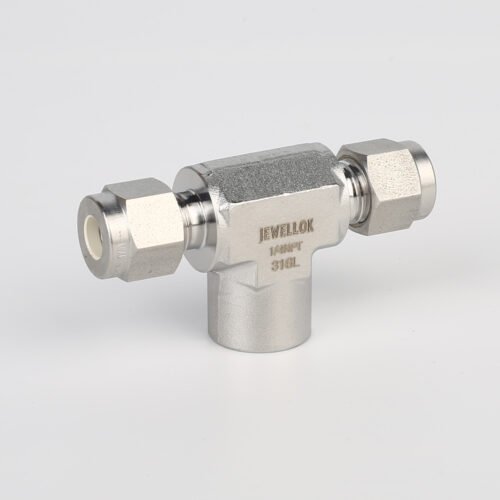
772 LF Female Branch Tee | Stainless Steel Tube Fitting Female Branch Tee 1/2 in. Tube OD x 1/2 in. Tube OD x 3/8 in. Female NPT
-
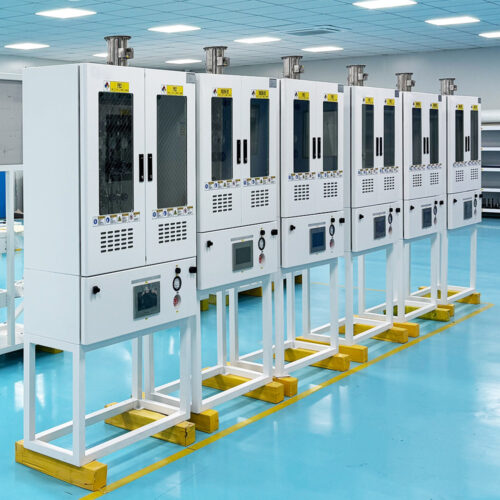
Precision Stainless Steel Valve Manifold Panel for Inert Gas Distribution in Cleanroom Manufacturing Environments
-
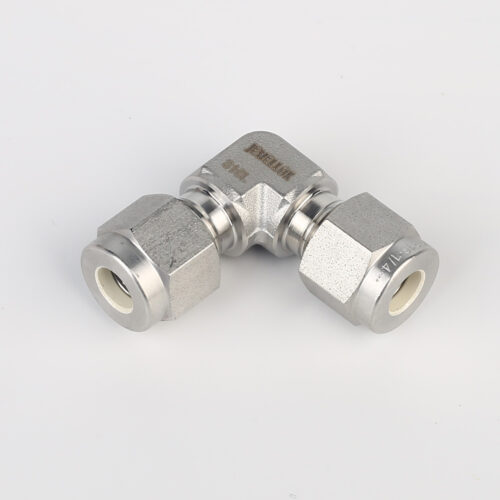
765L Stainless Steel Union Elbow Reducing High Purity Fitting Tubing Extension Tubing Connection
-
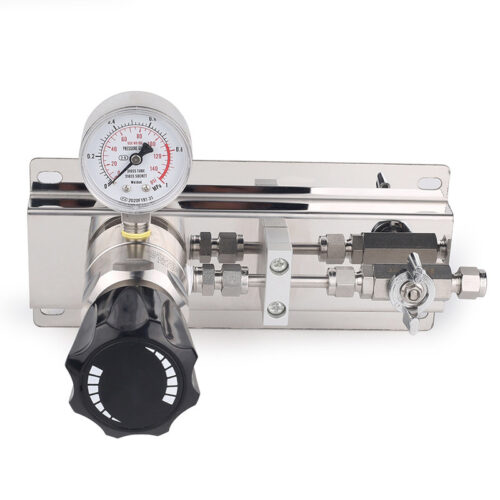
Medical Oxygen Single Stage Manual Gas Changeover Manifold Panel High-Purity Two-Stage Manual Gas Manifold Gas Pressure Control Panels
-
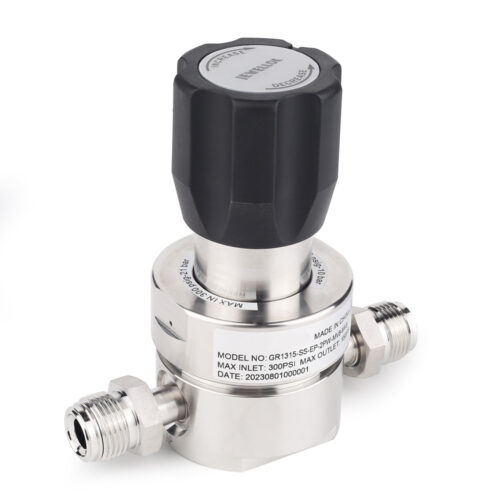
JR1300 Series Ultra High Purity Single Stage Regulator High Flow Line Regulator For Ultra High Purity Intermediate Flow
-
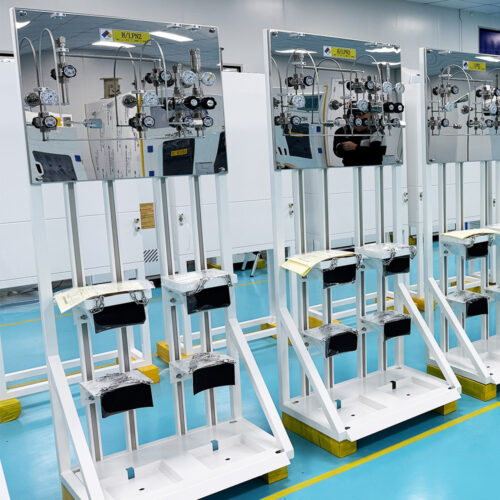
Semi Automatic Gas Cabinet Systems for Handling Toxic and Flammable Process Specialty Gases in High Tech
-
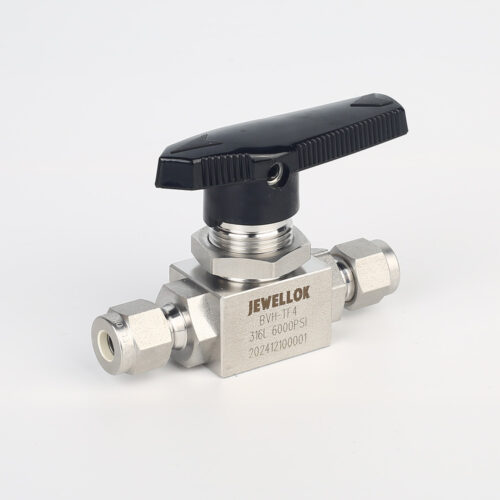
High Purity High Pressure 316 Stainless Steel Ball Valves JBV1 Series From High Pressure Ball Valve Manufacturer And Supplier In China
-
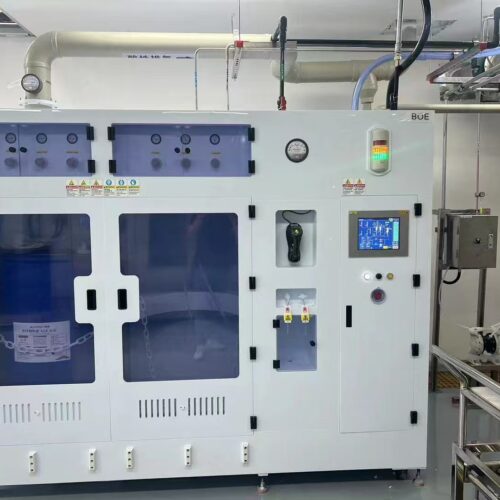
UHP Liquid Chemical Delivery Systems for Semiconductor Fabrication and Photovoltaic Manufacturing Processes