
Regulator Manufacturer Tel: +86 13380377051
Regulator Manufacturer Tel: +86 13380377051
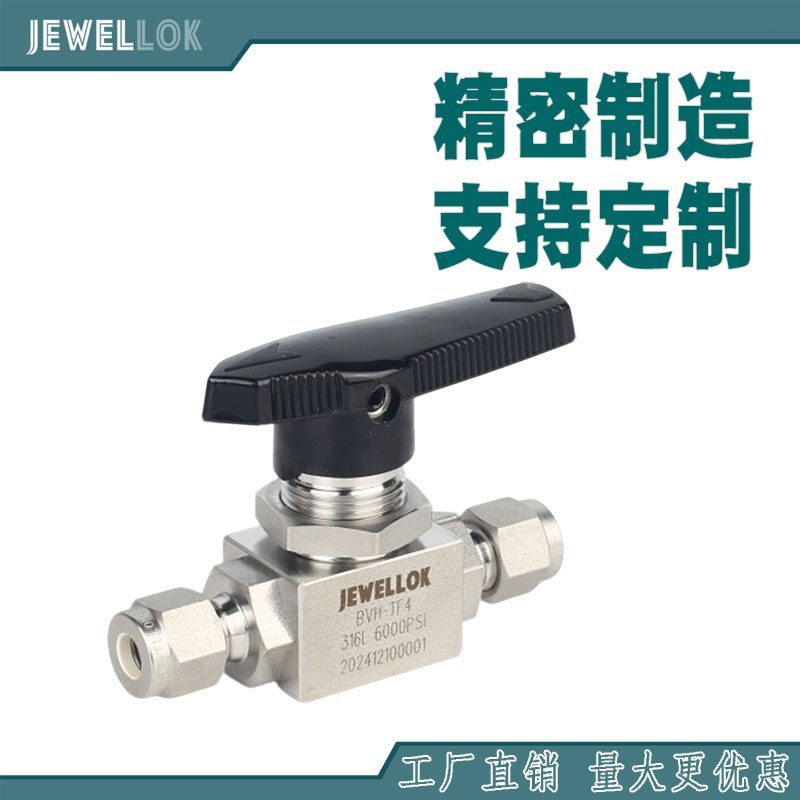
Ultra High Purity 316L Stainless Steel Ball Valves for Critical Gas Delivery Systems
1. Introduction
In modern high-technology industries such as semiconductor manufacturing, pharmaceuticals, solar energy production, and advanced research laboratories, gas purity is not just a requirement—it is a fundamental process condition. Even trace levels of contamination in process gases can lead to device failure, reduced yield, or irreversible system contamination. To ensure stable and contamination-free gas delivery, every component in the gas distribution network must meet ultra-high purity (UHP) standards.
Among these components, Ultra High Purity 316L stainless steel ball valves play a critical role in controlling, isolating, and regulating process gases. These valves are designed to maintain gas integrity, prevent particle generation, minimize dead space, and withstand aggressive operating environments while ensuring long-term reliability.
This article provides a comprehensive technical overview of UHP 316L stainless steel ball valves, including material selection, design principles, surface treatment, performance requirements, applications, and future trends in critical gas delivery systems.
2. Importance of Gas Purity in Critical Systems
Gas delivery systems used in semiconductor fabs, LCD manufacturing, and chemical vapor deposition (CVD) processes require extremely tight control over contamination levels. Even contaminants at the parts-per-billion (ppb) level can significantly affect production outcomes.
Key contamination risks include:
- Moisture ingress (H₂O)
- Oxygen contamination (O₂)
- Hydrocarbon residues
- Metallic particle shedding
- Outgassing from internal surfaces
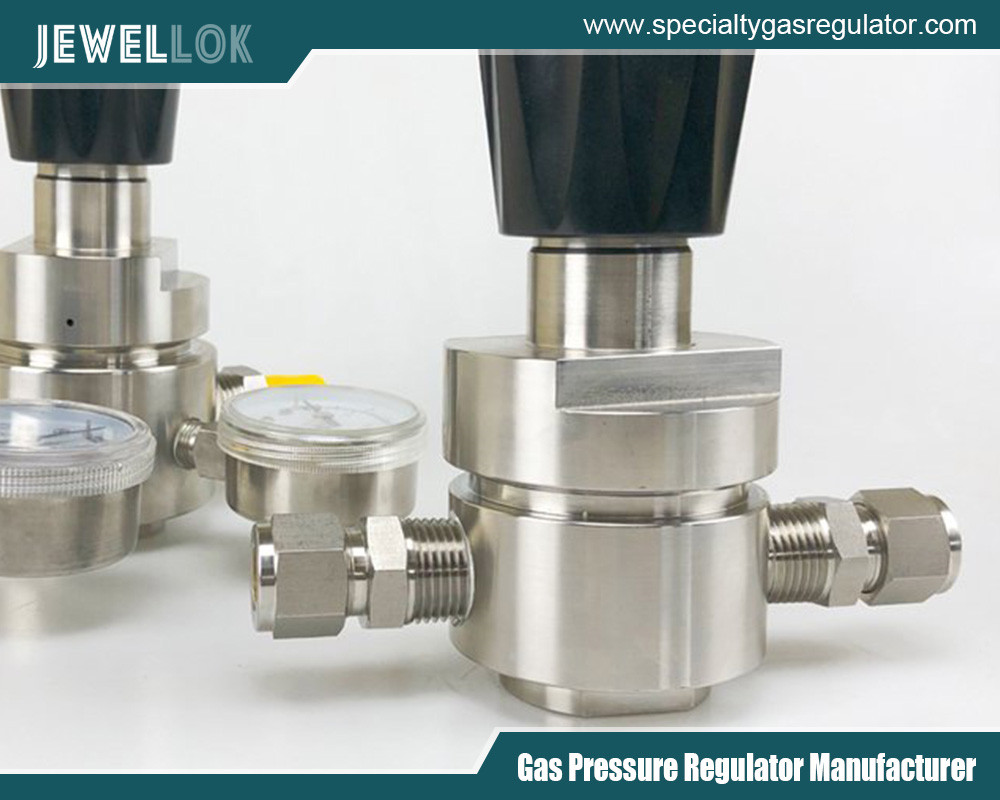
To eliminate these risks, every component in the gas line must be constructed from materials and designs that minimize adsorption, corrosion, and particle generation. This is where UHP-grade valves become essential.
3. Why 316L Stainless Steel is the Industry Standard
3.1 Material Composition
316L stainless steel is widely used in ultra-high purity systems due to its excellent corrosion resistance and low carbon content. Its typical composition includes:
- Chromium (Cr): 16–18%
- Nickel (Ni): 10–14%
- Molybdenum (Mo): 2–3%
- Carbon (C): ≤ 0.03%
The “L” in 316L stands for low carbon, which significantly reduces carbide precipitation during welding and improves corrosion resistance.
3.2 Key Advantages
316L stainless steel is selected for UHP gas systems because of:
- Excellent resistance to chlorides and corrosive gases
- Low outgassing characteristics
- High mechanical strength at elevated temperatures
- Compatibility with electropolishing and passivation
- Excellent weldability for orbital welding systems
These properties make it ideal for high-purity gas distribution networks where stability and cleanliness are critical.
4. What Defines an Ultra High Purity Ball Valve
A standard industrial ball valve is not suitable for semiconductor or high-purity applications. UHP ball valves are engineered with strict design and manufacturing controls to meet contamination-free requirements.
4.1 Key Design Features
Ultra high purity 316L stainless steel ball valves typically include:
- Full-encapsulated or precision-machined ball
- Minimized internal dead volume
- Metal-to-metal sealing or high-performance polymer seals (e.g., PCTFE, PFA)
- Electropolished internal surfaces
- Orbital weld end connections
- Cleanroom assembly and packaging
4.2 Surface Finish Requirements
Surface roughness is a critical factor in gas purity systems. UHP valves typically require:
- Internal surface roughness: Ra ≤ 0.13–0.25 µm
- Electropolished finish to reduce particle adhesion
- Smooth microstructure to prevent gas entrapment
A smoother surface reduces adsorption sites for moisture and contaminants, ensuring stable gas flow purity.
5. Manufacturing Process of UHP 316L Ball Valves
Producing ultra-high purity valves requires strict control at every stage of manufacturing.
5.1 Raw Material Selection
Only certified 316L stainless steel from controlled melting processes (such as VIM-VAR or ESR refining) is used to ensure:
- Low inclusion content
- Consistent chemical composition
- High structural integrity
5.2 Precision Machining
Advanced CNC machining is used to achieve:
- Tight dimensional tolerances
- Perfect spherical geometry of the ball
- Smooth flow paths with no sharp edges
5.3 Welding and Assembly
Orbital welding is commonly used for end connections in UHP systems. This process ensures:
- Repeatable weld quality
- Minimal heat-affected zones
- Reduced risk of contamination
5.4 Electropolishing and Passivation
Electropolishing removes microscopic surface irregularities, improving:
- Corrosion resistance
- Cleanliness
- Particle reduction
Passivation further enhances the chromium oxide layer, protecting the valve from chemical attack.
5.5 Cleanroom Assembly
Final assembly is conducted in ISO Class cleanrooms to prevent contamination. Components are:
- Ultrasonically cleaned
- Vacuum dried
- Packed in double-sealed clean packaging
6. Performance Requirements in Gas Delivery Systems
Ultra high purity ball valves must meet stringent operational requirements.
6.1 Leak Tightness
- Helium leak rate typically ≤ 1×10⁻⁹ mbar·L/s
- Zero external leakage under operating pressure
6.2 Pressure and Temperature Resistance
- Operating pressure: up to 1000 psi (varies by design)
- Temperature range: -20°C to 200°C (or higher depending on seals)
6.3 Cycle Life
UHP valves are designed for high cycle durability:
- Typically 10,000 to 100,000 cycles depending on application
- Stable torque performance over lifetime
6.4 Chemical Compatibility
Must resist a wide range of gases including:
- Nitrogen (N₂)
- Argon (Ar)
- Hydrogen (H₂)
- Silane (SiH₄)
- Ammonia (NH₃)
- Corrosive etch gases (HCl, Cl₂, NF₃)
7. Role in Critical Gas Delivery Systems
UHP 316L stainless steel ball valves are essential components in:
7.1 Semiconductor Manufacturing
Used in:
- ALD (Atomic Layer Deposition)
- CVD (Chemical Vapor Deposition)
- Etching systems
- Wafer cleaning systems
They ensure stable gas flow control and contamination-free environments.
7.2 Pharmaceutical and Biotech Industries
In pharmaceutical gas systems, these valves control:
- Sterile air distribution
- Process gases in drug synthesis
- Clean nitrogen supply systems
7.3 Solar and Photovoltaic Industry
Used in thin-film deposition and silicon processing where gas purity directly affects efficiency.
7.4 Analytical and Research Laboratories
Provide precise gas control for:
- GC/MS systems
- Vacuum chambers
- Calibration systems
8. Design Challenges and Engineering Considerations
Despite their advanced design, UHP ball valves face several engineering challenges:
8.1 Dead Space Elimination
Dead zones can trap gas and cause contamination. Engineers minimize this through:
- Compact internal geometry
- Precision machining
- Optimized flow paths
8.2 Particle Generation Control
Mechanical wear can generate particles, so manufacturers focus on:
- Low-friction materials
- Smooth sealing interfaces
- Controlled actuation torque
8.3 Seal Material Selection
Seal materials must balance purity and durability:
- PCTFE: excellent chemical resistance
- PFA: high purity and flexibility
- Metal seals: extreme high-temperature applications
9. Comparison with Standard Industrial Ball Valves
| Feature | Standard Ball Valve | UHP 316L Ball Valve |
|---|---|---|
| Material | Mixed stainless steel | High-grade 316L |
| Surface finish | Rough (Ra > 1.0 µm) | Electropolished (Ra ≤ 0.25 µm) |
| Cleanliness | Industrial grade | Semiconductor grade |
| Leak rate | Moderate | Ultra-low (10⁻⁹ mbar·L/s) |
| Assembly environment | General workshop | Cleanroom |
| Application | Water, oil, air | Ultra-pure gases |
10. Maintenance and Operational Best Practices
To maintain performance in gas delivery systems:
- Avoid contamination during installation
- Use proper orbital welding procedures
- Regularly inspect for external leakage
- Avoid over-torquing actuators
- Replace seals based on cycle count, not only failure
Proper handling ensures long-term system stability and purity integrity.
11. Industry Trends and Future Development
The future of UHP valve technology is driven by:
11.1 Miniaturization
Smaller valves with reduced internal volume for advanced semiconductor nodes.
11.2 Higher Purity Standards
As chip nodes shrink below 3nm, even stricter ppb and ppt-level contamination control is required.
11.3 Smart Valve Integration
Emerging trends include:
- Digital position feedback
- Predictive maintenance sensors
- IoT-enabled gas monitoring
11.4 Advanced Materials
Research is ongoing into:
- Enhanced alloy 316L variants
- Ceramic-coated internal surfaces
- Hybrid metal-polymer sealing systems
12. Conclusion
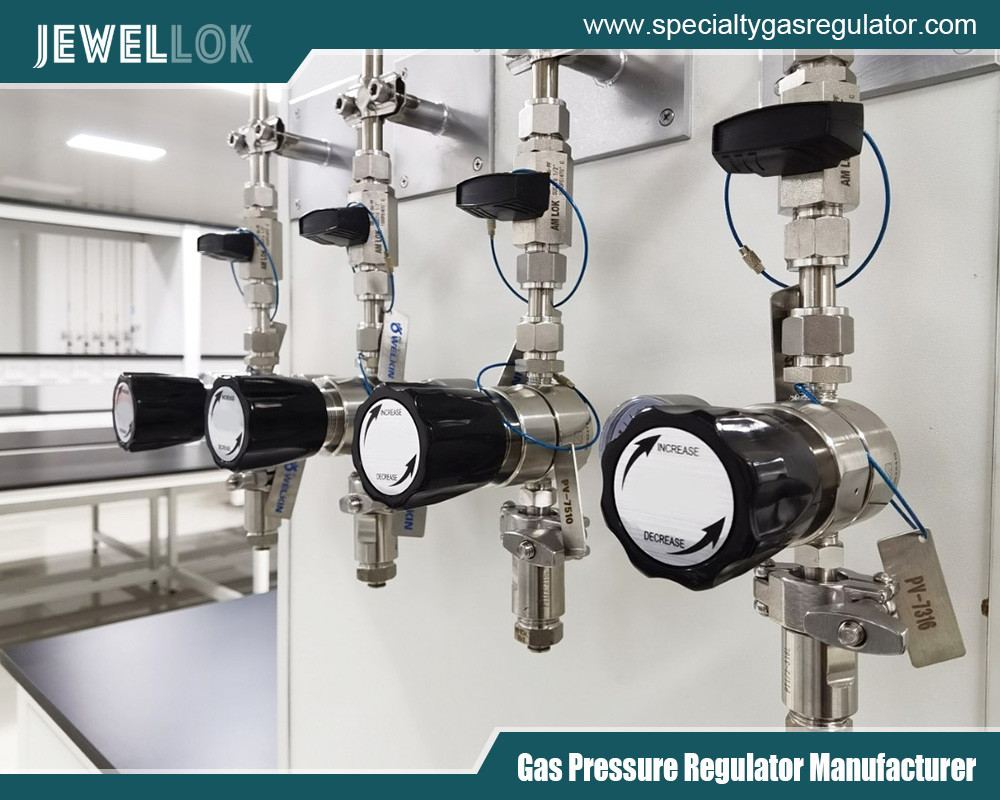
Ultra high purity 316L stainless steel ball valves are indispensable components in critical gas delivery systems where contamination control, precision, and reliability are essential. Their advanced material properties, precision engineering, and clean manufacturing processes make them the backbone of industries such as semiconductor fabrication, pharmaceuticals, and advanced research.
As technology continues to evolve, the demand for even higher purity standards and smarter, more reliable valve systems will continue to grow. Manufacturers who can combine material science innovation with precision engineering will remain at the forefront of this highly specialized industry.
In summary, UHP 316L stainless steel ball valves are not just flow control devices—they are critical enablers of modern high-tech manufacturing ecosystems.
For more about Ultra High Purity 316L stainless steel ball valves for critical gas delivery systems, you can pay a visit to Jewellok at https://www.specialtygasregulator.com/product-category/specialty-gas-cabinet/ for more info.
-
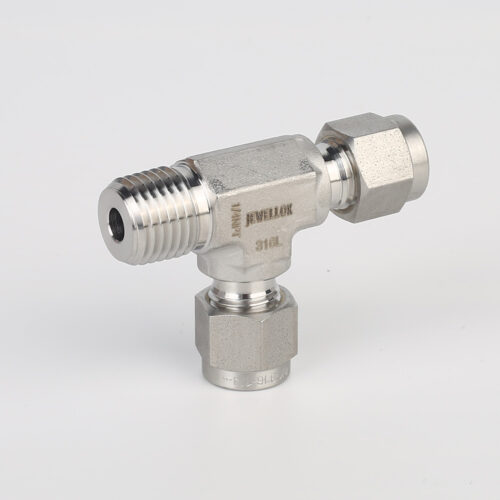
771L Male Run Tee | Stainless Steel High Quality High Purity Male Run Tee Branch Tee Pipe Fittings
-
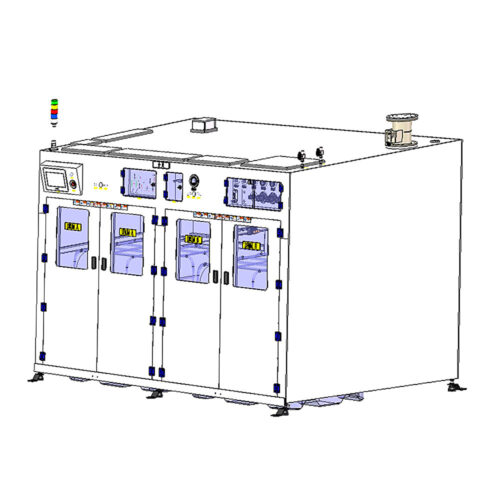
High Purity Chemical Dispense System & Packing System For Semiconductors JW-200L-CDM & JW-1000L-CDM
-
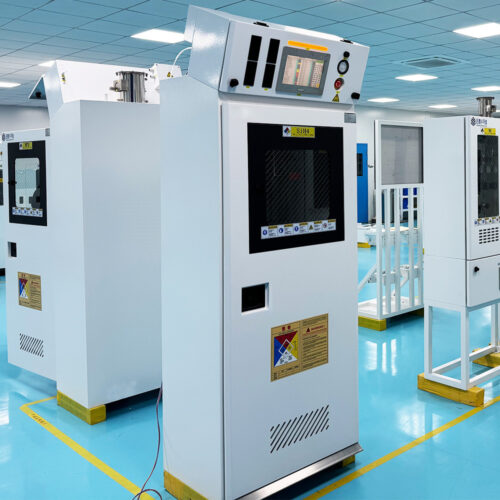
High-Efficiency Exhaust Gas Scrubber System for Semiconductor and Photovoltaic Hazardous Gas Abatement Solutions
-
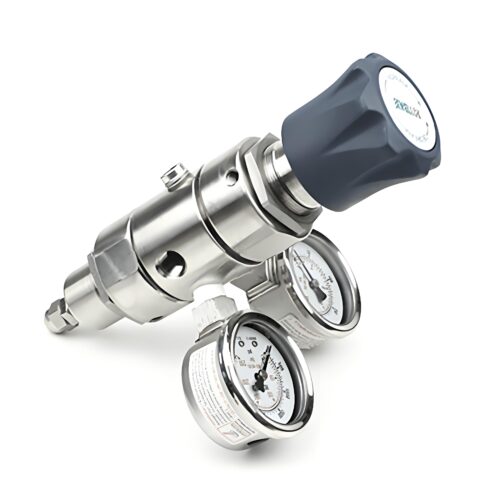
DPR1 Ultra High Purity Two Stage Dual Stage Pressure Reducing Regulator Semiconductor Grade Regulators
-
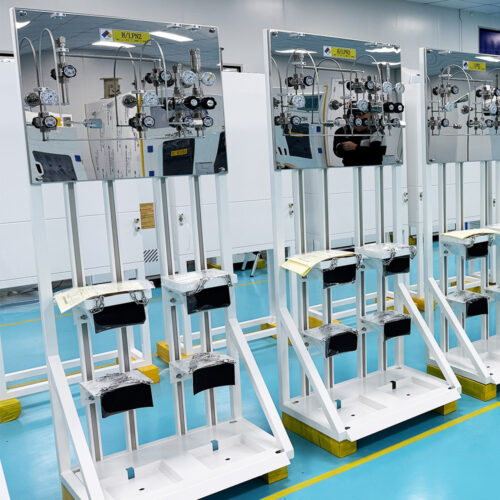
Manual Gas Rack High Purity Gas Delivery Systems JW-100-GR
-
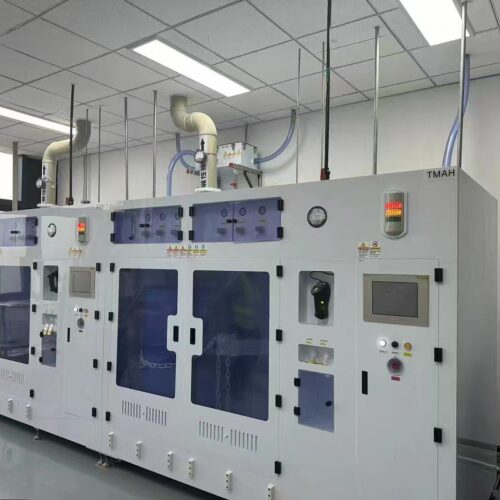
Automated Bulk Chemical Delivery System with Ultra High Purity CDU for Precise Industrial Fluid Control
-
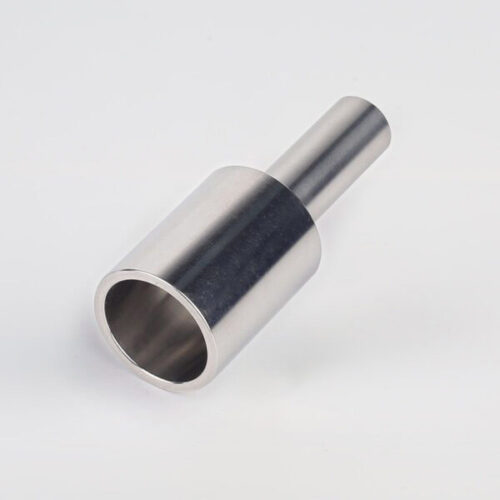
316L Stainless Steel Tube Butt Weld Reducing Fittings Union Reducer RW Series Ultrahigh Purity Process
-
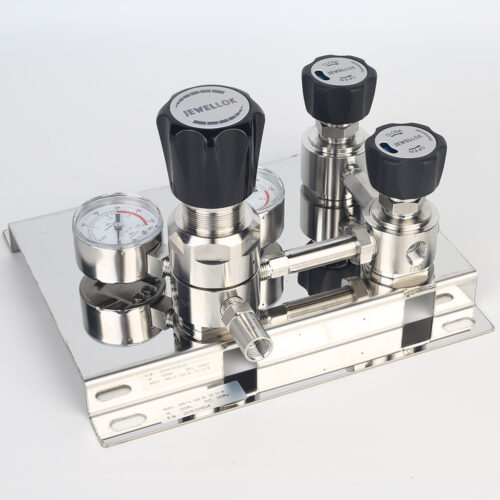
Stainless Steel 316L Single Stage Regulator Pressure Control Panels JSP-1E Series For Semiconductor Fluid Control