
Regulator Manufacturer Tel: +86 13380377051
Regulator Manufacturer Tel: +86 13380377051
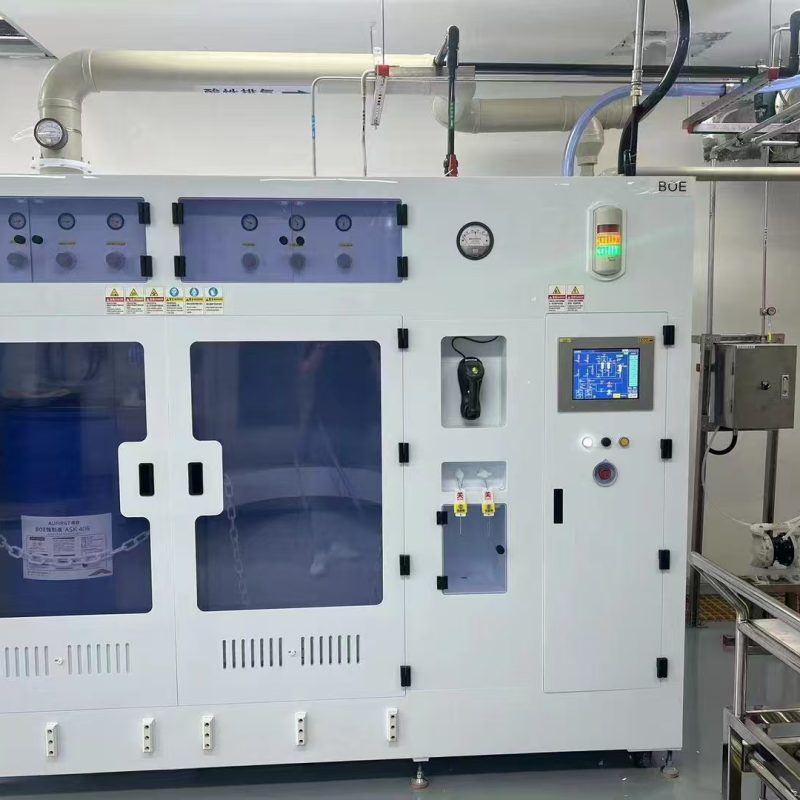
Industrial Wet Scrubber Systems for Acid Fume and Chemical Gas Removal
Introduction
Industrial manufacturing processes generate a wide variety of hazardous exhaust gases that must be treated before being released into the atmosphere. Industries such as semiconductor manufacturing, chemical processing, pharmaceuticals, electroplating, metal finishing, battery production, laboratories, and wastewater treatment facilities all produce acidic fumes and corrosive chemical gases that pose serious risks to human health, equipment, and the environment.
Industrial wet scrubber systems have become one of the most reliable and cost-effective technologies for controlling acid gases and chemical emissions. By using specially designed scrubbing liquids, these systems efficiently absorb, neutralize, and remove hazardous pollutants from exhaust streams while ensuring compliance with increasingly stringent environmental regulations.
This article explores the working principles, system components, applications, advantages, design considerations, and future trends of industrial wet scrubber systems for acid fume and chemical gas removal.
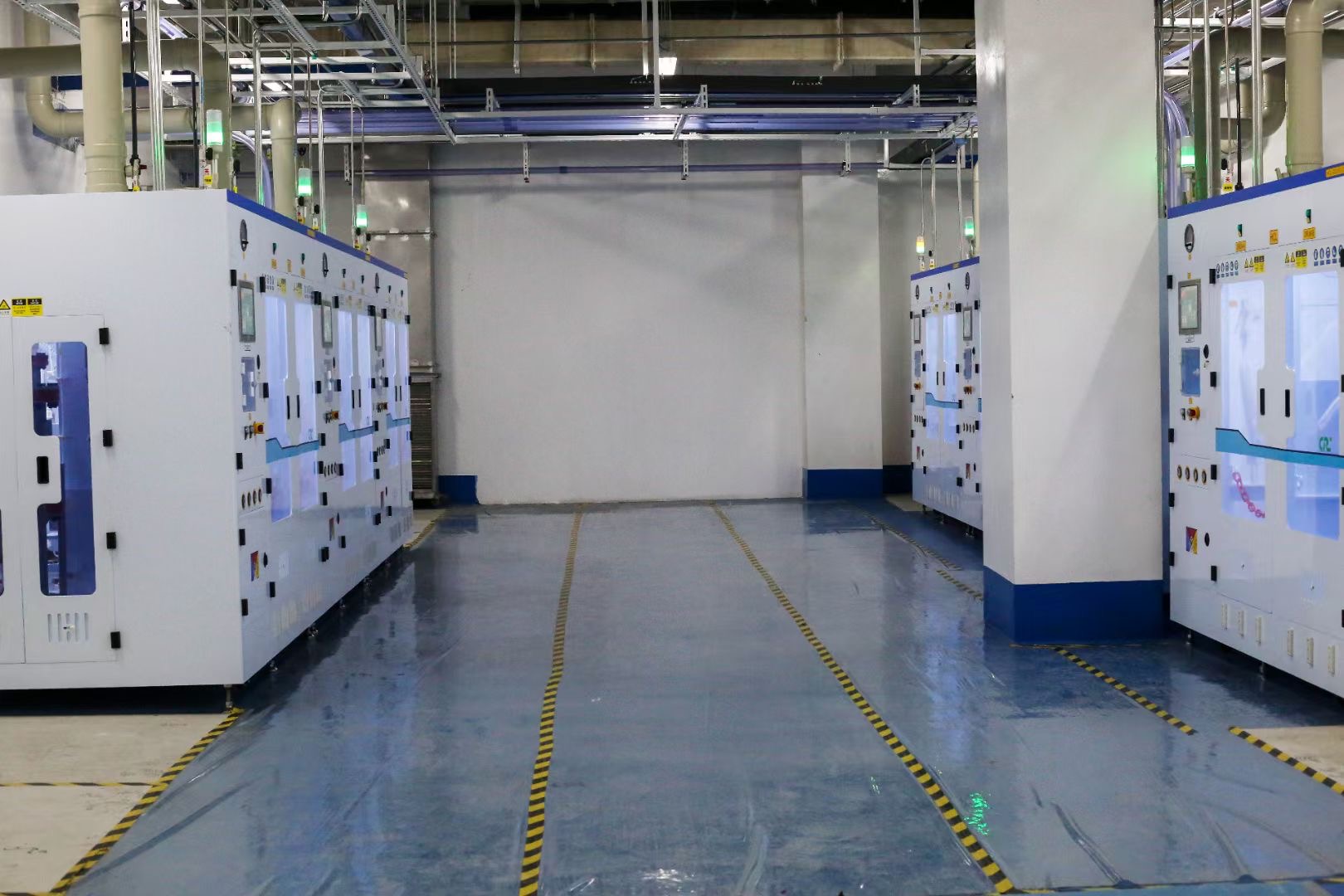
What Is an Industrial Wet Scrubber System?
An industrial wet scrubber system is an air pollution control device designed to remove gaseous contaminants, acidic vapors, particulate matter, and toxic chemicals from industrial exhaust air.
Unlike dry filtration systems, wet scrubbers use liquid—typically water or chemically treated solutions—to capture and neutralize pollutants through direct contact between the contaminated gas and the scrubbing liquid.
The treatment process typically includes:
- Gas collection
- Gas cooling
- Pollutant absorption
- Chemical neutralization
- Mist elimination
- Clean air discharge
Because of their high removal efficiency and ability to handle corrosive gases, wet scrubbers are widely used in industries that generate acid fumes or hazardous chemical emissions.
Common Acid Fumes and Chemical Gases Removed
Modern industrial wet scrubbers are designed to treat a broad range of contaminants, including:
Acid Gases
- Hydrochloric Acid (HCl)
- Hydrofluoric Acid (HF)
- Nitric Acid (HNO₃)
- Sulfuric Acid (H₂SO₄)
- Hydrobromic Acid (HBr)
- Phosphoric Acid Mist
Alkaline Gases
- Ammonia (NH₃)
Toxic Chemical Gases
- Chlorine (Cl₂)
- Sulfur Dioxide (SO₂)
- Nitrogen Oxides (NOx)
- Hydrogen Sulfide (H₂S)
- Formaldehyde
- VOCs (when combined with additional treatment)
Semiconductor Process Gases
- Silicon Tetrachloride
- Boron Trichloride
- Phosphorus Oxychloride
- Hydrogen Fluoride
- Process Acid Vapors
Many industrial facilities require customized wet scrubber systems capable of handling mixed chemical exhaust streams with varying flow rates and pollutant concentrations.
How Industrial Wet Scrubber Systems Work
The operating principle of a wet scrubber is based on mass transfer between contaminated gas and scrubbing liquid.
The basic process consists of several stages.
1. Contaminated Gas Collection
Industrial exhaust gases are collected from process equipment through corrosion-resistant ductwork connected to an exhaust fan.
Examples include:
- Chemical tanks
- Wet benches
- Acid storage cabinets
- Pickling lines
- Chemical reactors
- Laboratory fume hoods
2. Gas Distribution
The contaminated air enters the scrubber tower where it is evenly distributed across the internal packing or spray zone.
Uniform gas distribution maximizes contact between the gas and scrubbing solution.
3. Liquid Spraying
Scrubbing liquid is continuously pumped from the circulation tank to spray nozzles positioned at the top of the tower.
The liquid forms fine droplets that increase the gas-liquid contact surface area.
4. Chemical Absorption
As the gas rises through the tower, pollutants dissolve into the scrubbing liquid.
Typical reactions include:
Hydrochloric Acid:
HCl + NaOH → NaCl + H₂O
Sulfur Dioxide:
SO₂ + 2NaOH → Na₂SO₃ + H₂O
Hydrogen Fluoride:
HF + NaOH → NaF + H₂O
Ammonia:
NH₃ + H₂SO₄ → (NH₄)₂SO₄
These neutralization reactions convert hazardous gases into safer salts dissolved in the circulating liquid.
5. Mist Elimination
Before leaving the scrubber, the gas passes through a high-efficiency mist eliminator.
The demister removes liquid droplets, preventing carryover into the exhaust stack.
6. Clean Air Discharge
After treatment, the purified air is safely discharged through the exhaust chimney.
High-performance wet scrubbers commonly achieve removal efficiencies greater than 95%, with many systems exceeding 99% under properly optimized operating conditions.
Main Components of an Industrial Wet Scrubber
A complete wet scrubber system typically consists of the following major components.
Scrubber Tower
Constructed from corrosion-resistant materials such as:
- PP (Polypropylene)
- FRP (Fiberglass Reinforced Plastic)
- PVC
- PVDF
- Stainless Steel (special applications)
The tower provides the reaction chamber for gas-liquid contact.
Packing Media
Packing increases the contact surface area between gas and liquid.
Popular packing materials include:
- Pall Rings
- Tellerettes
- Raschig Rings
- Saddle Packing
- Structured Packing
Proper packing selection significantly improves removal efficiency while minimizing pressure loss.
Spray Nozzles
High-quality spray nozzles generate uniform droplet distribution and maximize absorption efficiency.
Anti-clogging designs are recommended for long-term operation.
Circulation Tank
The chemical solution is stored in the recirculation tank.
The tank usually includes:
- Level sensors
- pH controller
- Chemical dosing system
- Overflow protection
Circulation Pump
Chemical-resistant centrifugal pumps continuously deliver scrubbing liquid to the spray nozzles.
Pump materials often include:
- PP
- PVDF
- FRPP
Mist Eliminator
Mist eliminators prevent liquid droplets from escaping the system.
They reduce water loss while protecting downstream equipment.
Exhaust Fan
A corrosion-resistant fan maintains the required airflow through the entire exhaust system.
Variable Frequency Drives (VFDs) are increasingly used for energy-efficient airflow control.
Types of Industrial Wet Scrubber Systems
Different industrial applications require different scrubber configurations.
Packed Bed Wet Scrubber
The most common design.
Advantages include:
- High removal efficiency
- Low operating cost
- Suitable for acid gases
- Compact footprint
Applications:
- Semiconductor fabs
- Chemical plants
- Pharmaceutical facilities
Spray Tower Scrubber
Uses multiple spray layers without packing.
Suitable for:
- High dust loading
- Large airflow
- Low maintenance
Venturi Wet Scrubber
Uses high-velocity airflow to capture both particles and gases.
Ideal for:
- Fine particulate removal
- Acid mist
- Metal processing
Multi-Stage Wet Scrubber
Uses multiple treatment chambers with different chemical solutions.
Suitable for:
- Mixed acid gases
- Complex chemical exhaust
- Semiconductor manufacturing
Integrated Wet Scrubber System
Combines:
- Acid gas removal
- Alkali gas removal
- VOC treatment
- Particulate filtration
These systems provide comprehensive air pollution control for advanced manufacturing facilities.
Industrial Applications
Industrial wet scrubbers are used across numerous industries.
Semiconductor Manufacturing
Typical exhaust sources include:
- Wet benches
- Etching processes
- Chemical mechanical polishing
- Diffusion equipment
- Cleaning stations
- Chemical delivery systems
Common gases removed include:
- HF
- HCl
- HNO₃
- NH₃
- Cl₂
Chemical Processing
Chemical plants generate corrosive exhaust during:
- Acid production
- Chemical blending
- Storage tank venting
- Reactor operations
Wet scrubbers provide continuous emission control while protecting nearby equipment.
Electroplating
Electroplating operations produce:
- Chromic acid mist
- Hydrochloric acid
- Nitric acid
- Sulfuric acid
High-efficiency scrubbers protect workers and prevent environmental contamination.
Pharmaceutical Industry
Pharmaceutical production often involves:
- Solvent handling
- Chemical synthesis
- Acid cleaning
- Reactor vent gases
Customized scrubbers ensure compliance with environmental regulations.
Battery Manufacturing
Battery production may release:
- Sulfuric acid mist
- Acid vapors
- Heavy metal aerosols
Wet scrubbers help maintain safe working environments.
Laboratories
Research laboratories require compact scrubber systems for:
- Fume hoods
- Acid digestion
- Analytical chemistry
- Chemical storage cabinets
Advantages of Industrial Wet Scrubber Systems
Industrial wet scrubbers offer numerous operational benefits.
High Removal Efficiency
Many systems achieve over 99% removal efficiency for soluble acid gases.
Wide Chemical Compatibility
Suitable for numerous corrosive gases using appropriate scrubbing solutions.
Continuous Operation
Designed for 24/7 industrial service.
Lower Fire Risk
Wet treatment minimizes ignition hazards associated with certain dry filtration technologies.
Flexible Design
Available in vertical, horizontal, modular, and customized configurations.
Environmental Compliance
Helps facilities comply with local emission standards and environmental permits.
Equipment Protection
Removes corrosive gases before they damage ductwork, fans, and surrounding equipment.
Long Service Life
Constructed using corrosion-resistant materials for extended operational life.
Important Design Considerations
Selecting the correct wet scrubber requires careful engineering analysis.
Important factors include:
- Exhaust airflow (CFM or m³/h)
- Gas composition
- Pollutant concentration
- Operating temperature
- Humidity
- Pressure drop
- Required removal efficiency
- Future capacity expansion
- Chemical compatibility
- Wastewater treatment requirements
Proper system sizing ensures maximum performance while minimizing operating costs.
Maintenance Requirements
Routine maintenance is essential for reliable operation.
Recommended maintenance includes:
- Inspect spray nozzles for blockage.
- Monitor circulation pump performance.
- Check pH and chemical concentration.
- Replace packing if fouled.
- Clean mist eliminators.
- Inspect ductwork for corrosion.
- Calibrate sensors and controllers.
- Verify fan performance.
- Check liquid level and dosing systems.
Preventive maintenance reduces downtime and extends equipment lifespan.
Smart Automation and Industry 4.0 Integration
Modern industrial wet scrubbers increasingly incorporate intelligent automation technologies.
Advanced control systems may include:
- PLC-based operation
- Human Machine Interface (HMI)
- Remote monitoring
- SCADA integration
- Automatic pH adjustment
- Conductivity monitoring
- Flow monitoring
- Pressure monitoring
- Alarm management
- Predictive maintenance
These smart features improve process stability, reduce chemical consumption, and lower maintenance costs.
Sustainability and Energy Efficiency
Environmental sustainability has become a major consideration in industrial exhaust treatment.
Manufacturers are developing wet scrubber systems with:
- Low water consumption
- Chemical recycling
- Energy-efficient fans
- Variable frequency drives
- High-efficiency packing
- Optimized spray distribution
- Automated dosing control
- Reduced wastewater generation
These innovations lower operating expenses while supporting corporate sustainability goals and regulatory compliance.
Choosing the Right Wet Scrubber Supplier
When selecting an industrial wet scrubber manufacturer, consider the following factors:
- Proven experience in your industry
- Custom engineering capabilities
- High-quality corrosion-resistant materials
- Compliance with environmental standards
- Advanced automation options
- Comprehensive testing before shipment
- Installation and commissioning support
- Responsive technical service
- Availability of spare parts
- Long-term maintenance assistance
A trusted supplier should be able to design a complete exhaust gas treatment solution tailored to your specific process conditions rather than offering a one-size-fits-all system.
Conclusion
Industrial wet scrubber systems remain one of the most effective and dependable technologies for removing acid fumes and hazardous chemical gases from industrial exhaust streams. Their ability to achieve high removal efficiencies, operate continuously under demanding conditions, and adapt to a wide range of chemical processes makes them an essential component of modern environmental protection strategies.
From semiconductor fabrication and pharmaceutical manufacturing to chemical processing, electroplating, laboratories, and battery production, wet scrubbers help protect employees, extend equipment life, and ensure compliance with increasingly strict emission regulations. As automation, digital monitoring, and sustainable design continue to evolve, next-generation wet scrubber systems will become even more efficient, intelligent, and environmentally responsible, providing manufacturers with reliable long-term solutions for clean and compliant industrial operations.
For more about industrial wet scrubber systems for acid fume and chemical gas removal, you can pay a visit to Jewellok at https://www.specialtygasregulator.com/product-category/specialty-gas-cabinet/ for more info.
-
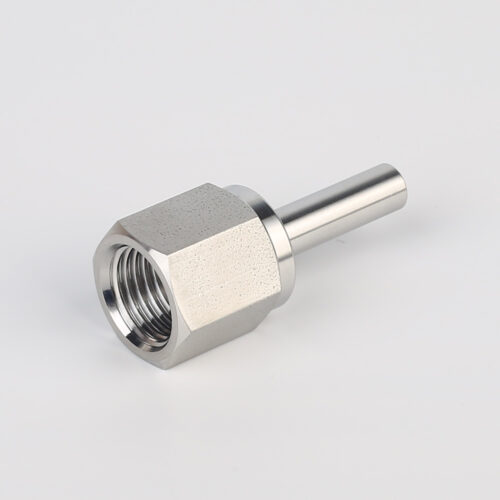
739LF High Purity Female Adapter Tube To Pipe Fittings And Connectors
-
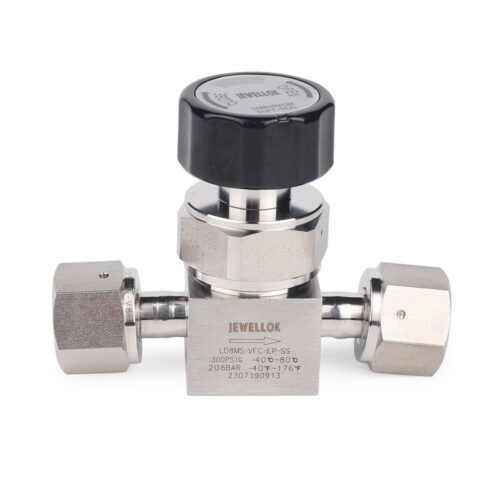
Flow Control Stainless Steel Low Pressure Manual Diaphragm Valve For High Purity And Ultra High Purity Gases
-
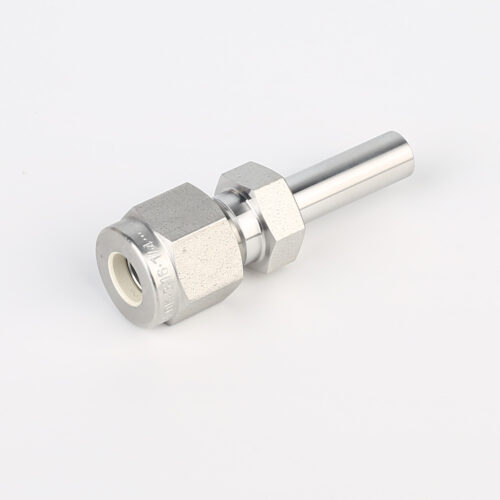
767LT Reducer Pressure Reducing Valve Adjustment High purity Pressure Reducing Union Fittings And Tubing
-
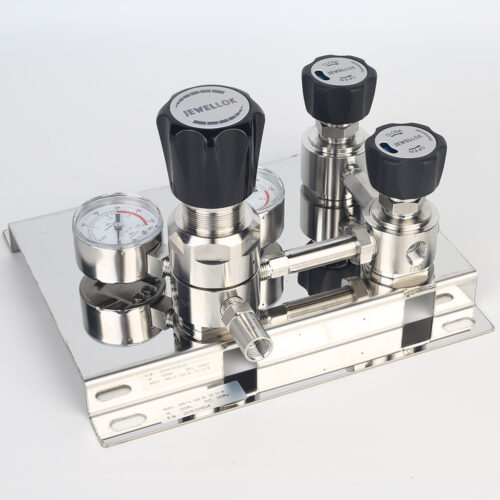
Stainless Steel 316L Single Stage Regulator Pressure Control Panels JSP-1E Series For Semiconductor Fluid Control
-
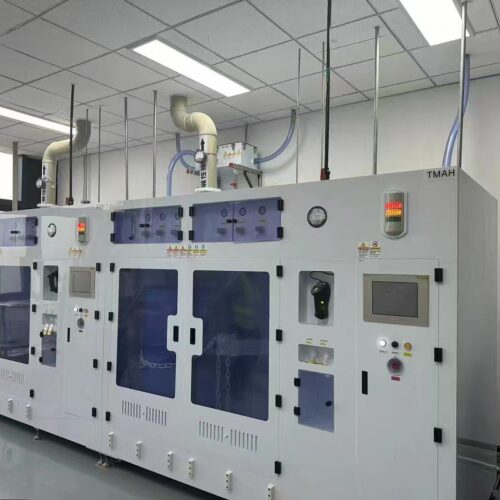
Automated Bulk Chemical Delivery System with Ultra High Purity CDU for Precise Industrial Fluid Control
-
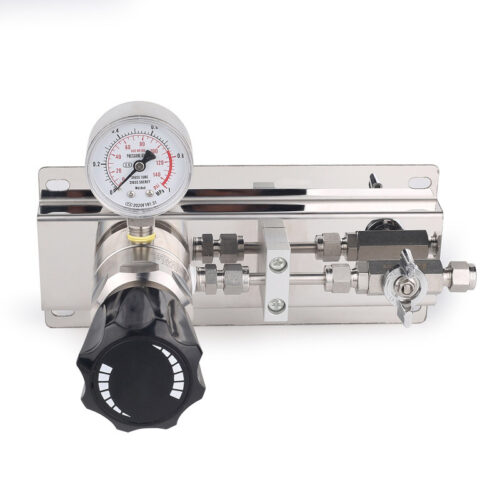
High Purity Gas Cylinder Semi Automatic Changeover Manifold Regulator Panel 3000psig Stainless Steel Gas Control Panel 1/8 Npt With Gauge
-
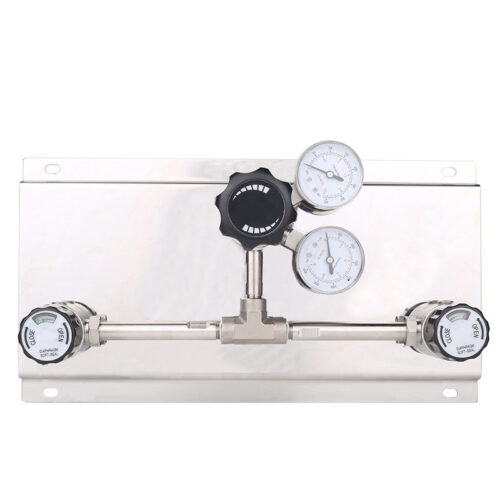
High Pressure High Flow Specialty Gas Control Panel With Diaphragm Valve , 3000Psig Oxygen Control Medical Changeover Manifold Panel
-
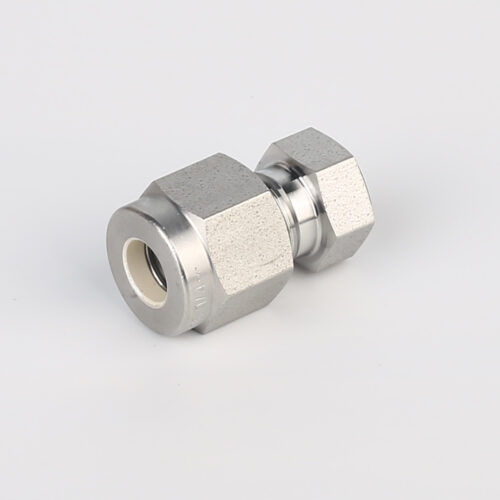
7108L Cylinder Cap Connectors For Ultra High Purity Gases