
Regulator Manufacturer Tel: +86 13380377051
Regulator Manufacturer Tel: +86 13380377051
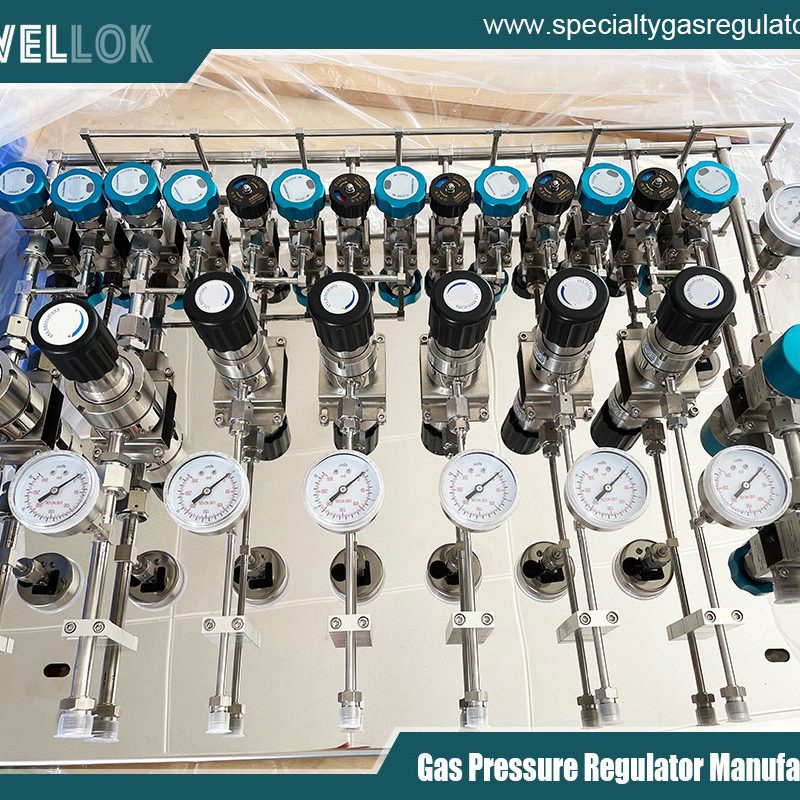
Back Pressure Regulators vs Pressure Reducing Regulators
In fluid control systems, regulators play a crucial role in maintaining optimal pressure levels to ensure safety, efficiency, and performance. Two common types of pressure regulators are the back pressure regulator (BPR) and the pressure reducing regulator (PRR). While both devices manage pressure in pipelines, tanks, and process equipment, they operate on different principles and serve distinct purposes. Understanding the differences between a BPR and a PRR is essential for engineers, technicians, and system designers in industries such as oil and gas, chemical processing, pharmaceuticals, and water treatment.
A pressure reducing regulator, often simply called a pressure reducer, is designed to lower the pressure from a high-pressure source to a more manageable level downstream. In contrast, a back pressure regulator maintains a constant pressure upstream by venting excess fluid when the pressure exceeds a set point. This article delves into the technical aspects of each regulator, their working mechanisms, applications, and a detailed comparison to help professionals select the appropriate device for their needs. By exploring these regulators, we can appreciate how they contribute to precise control in complex fluid dynamics.

Understanding Pressure Reducing Regulators
Pressure reducing regulators are ubiquitous in systems where high inlet pressures need to be stepped down to protect downstream components or meet operational requirements. The primary function of a PRR is to deliver a consistent outlet pressure regardless of fluctuations in inlet pressure or flow rate.
Working Principle
A typical PRR consists of a valve body, a sensing element (such as a diaphragm or piston), a spring, and an adjusting mechanism. The inlet pressure enters the regulator, pushing against the sensing element. The spring counteracts this force, and the valve modulates to maintain the desired outlet pressure. If the inlet pressure increases, the valve closes slightly to restrict flow, preventing the outlet pressure from rising. Conversely, if the outlet pressure drops due to increased demand, the valve opens wider to allow more flow.
There are two main types of PRRs: direct-acting and pilot-operated. Direct-acting regulators are simpler and suitable for low-flow applications, relying solely on the spring and diaphragm for control. Pilot-operated versions use a smaller pilot valve to control a larger main valve, offering better accuracy and handling higher capacities. These regulators can achieve pressure reductions from thousands of psi down to mere fractions, with accuracy often within 1-5% of the set point.
Applications
PRRs are commonly used in gas distribution networks to reduce pipeline pressure for residential or industrial use. In compressed air systems, they prevent over-pressurization of tools and machinery. In hydraulic systems, they protect sensitive actuators from high pump pressures. For example, in a natural gas supply line, a PRR might reduce pressure from 500 psi to 5 psi for safe delivery to appliances.
Advantages and Limitations
The key advantages of PRRs include their ability to provide stable downstream pressure, ease of installation, and low maintenance requirements. However, they are not ideal for applications with back pressure or where upstream pressure control is needed, as they do not relieve excess pressure buildup.
Understanding Back Pressure Regulators
Back pressure regulators, also known as pressure sustaining or relief regulators, focus on controlling pressure on the inlet side. They act as a safety valve by opening to release fluid when upstream pressure exceeds the setpoint, thus preventing over-pressurization.
Working Principle
A BPR features a similar construction to a PRR but operates in reverse. It includes a valve, a sensing element, and a spring-loaded mechanism. The upstream pressure acts on the sensing element, and when it surpasses the spring force, the valve opens to vent fluid to a lower-pressure area, such as the atmosphere or a return line. This maintains the upstream pressure at the desired level. Unlike PRRs, BPRs do not regulate downstream pressure; their outlet is typically open to a drain or recycle system.
BPRs can be spring-loaded for simple operations or dome-loaded for more precise control using a reference pressure. In dome-loaded designs, an external gas or fluid provides the loading force, allowing for remote adjustments and higher accuracy in dynamic systems.
Applications
BPRs are vital in processes requiring constant upstream pressure, such as pump discharge lines, where they prevent cavitation by maintaining back pressure on the pump. In chemical reactors, they sustain pressure to ensure reaction rates. In relief systems, they protect vessels from rupture by venting excess pressure. For instance, in a chromatography system, a BPR maintains column pressure to optimize separation efficiency.
Advantages and Limitations
BPRs excel in providing over-pressure protection and maintaining system stability upstream. They are robust and can handle corrosive fluids with appropriate materials. However, they consume fluid during venting, which may lead to waste, and they require a proper disposal system for the relieved media.
Key Differences Between BPR and PRR
While both regulators manage pressure, their operational orientations set them apart. A PRR is installed to control downstream pressure, acting as a reducer in the flow path. It throttles the flow to achieve the desired outlet pressure, making it ideal for supply-side applications. On the other hand, a BPR controls upstream pressure by relieving excess, functioning more like a relief valve in bypass or vent lines.
In terms of flow direction, PRRs handle flow from inlet to outlet, with pressure dropping across the device. BPRs often see flow only when relieving, with the primary flow bypassing them until activation. Sensitivity to back pressure also differs: PRRs can be affected by downstream restrictions, potentially causing creep (gradual pressure rise), whereas BPRs are designed to handle such scenarios by focusing upstream.
Performance metrics vary too. PRRs are evaluated on droop (pressure drop with increasing flow) and lock-up (ability to shut off flow when no demand). BPRs are assessed on reseat pressure (pressure at which the valve closes after relieving) and blowdown (difference between set and reseat pressures). Materials and sizing are similar, often involving stainless steel or brass for durability, but BPRs may require larger orifices for quick relief.
Similarities and Complementary Use
Despite differences, BPRs and PRRs share common traits. Both use mechanical feedback via springs and diaphragms for self-regulation, eliminating the need for external power in basic models. They can be equipped with gauges, filters, and accessories for enhanced functionality. In many systems, they are used together: a PRR to supply controlled pressure and a BPR to protect against upstream surges.
For example, in a boiler feedwater system, a PRR reduces high-pressure steam to usable levels, while a BPR on the pump discharge ensures minimum pressure to avoid flashing.
Selection Criteria
Choosing between a BPR and PRR depends on system requirements. Consider the control point: downstream for PRR, upstream for BPR. Evaluate flow rates, pressure ranges, media compatibility (gases, liquids, corrosives), and environmental factors like temperature. Cost is another factor; PRRs are often cheaper for standard applications, while BPRs may be specialized for relief duties.
Safety standards, such as ASME codes for pressure vessels, may mandate BPRs for over-pressure protection. Always size regulators based on Cv (flow coefficient) to avoid undersizing, which causes instability, or oversizing, which leads to poor control.

Conclusion
Back pressure regulators and pressure reducing regulators are indispensable tools in fluid management, each tailored to specific pressure control needs. PRRs ensure safe and efficient downstream delivery, while BPRs safeguard upstream integrity through relief. By understanding their principles, applications, and differences, engineers can design more reliable systems. In an era of advancing automation, integrating these regulators with sensors and controls will further enhance precision. Ultimately, the choice between BPR and PRR hinges on the system’s pressure dynamics, underscoring the importance of thorough analysis in engineering decisions.
For more about back pressure regulator vs pressure reducing regulator, you can pay a visit to Jewellok at https://www.specialtygasregulator.com/back-pressure-regulator-vs-pressure-reducing-regulator/ for more info.
-
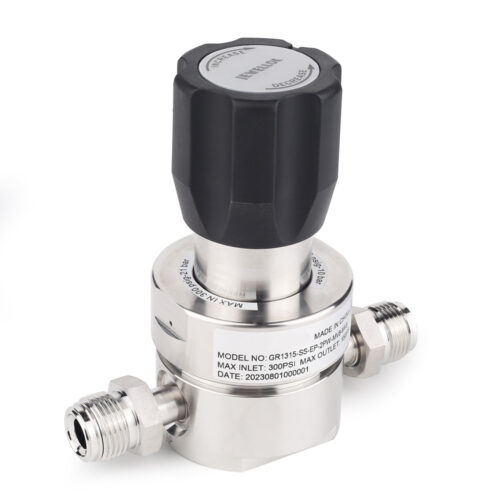
JR1300 Series Ultra High Purity Single Stage Regulator High Flow Line Regulator For Ultra High Purity Intermediate Flow
-
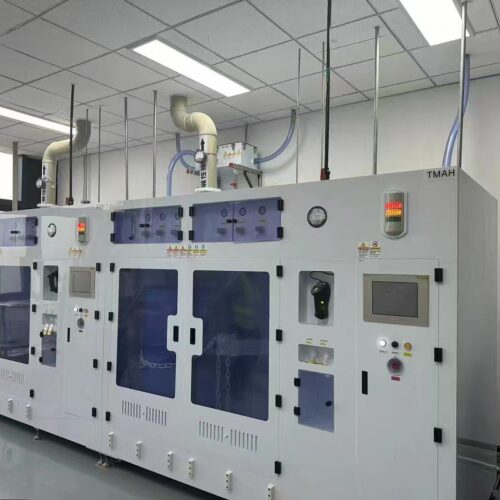
Custom Bulk Chemical Delivery System and Automatic Chemical Dispense Unit (CDU) for Solar Cell and EV Battery Production
-
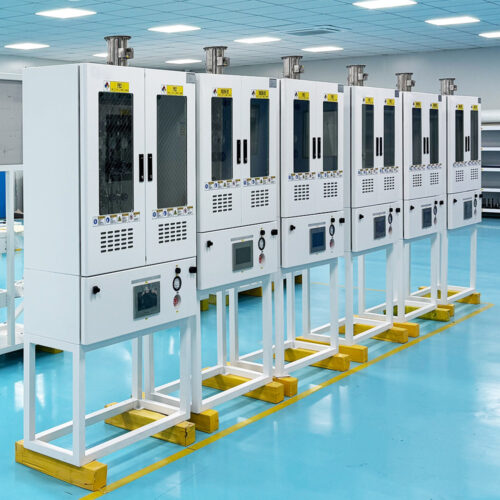
Integrated Gas Cabinets and Exhaust Gas Scrubber System for Ammonia and Hydrogen Chloride Industrial Emission Control
-
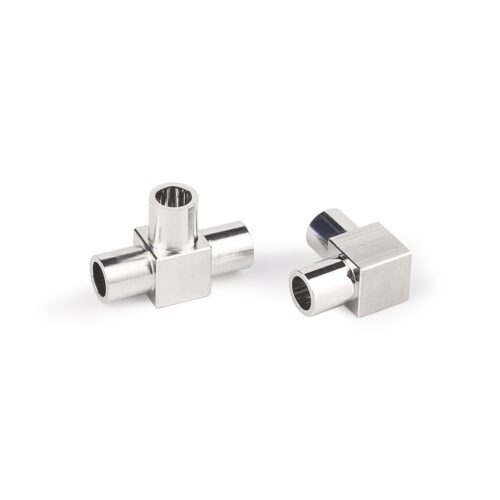
Stainless Steel Mini Elbow Mini Tee Mini Cross Mini Tribow Ultrahigh Purity Mini Butt Weld Fittings
-
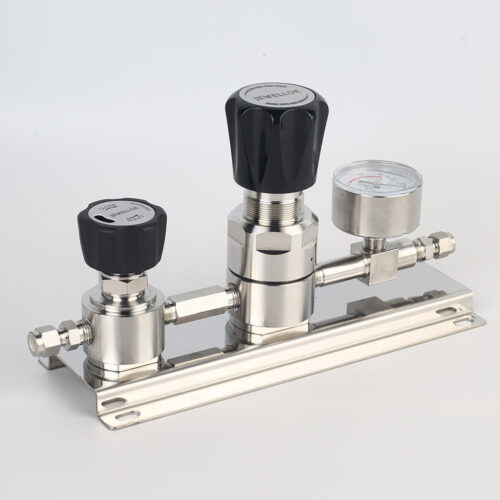
High Purity High Flow Pressure Control Regulators & Valves Gas Stick Assemblies JSR-2TG Series
-
Fully Automated Gas Cabinet For Precise UHP Gas Delivery And High Purity Gas Delivery Systems JW-300-GC
-
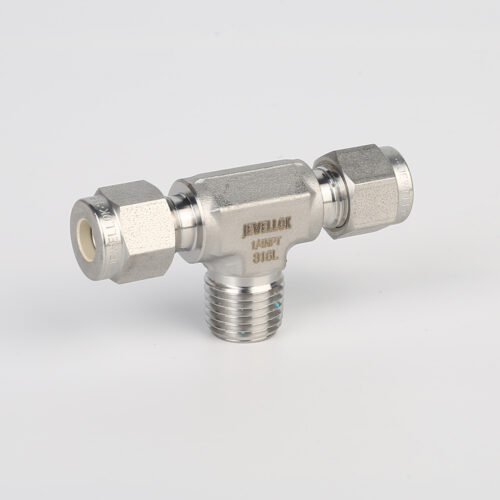
772L Male Branch Tee | Stainless Steel High-Purity Tube Fitting Male Branch Tee
-
Advanced Bulk Specialty Gas Systems BSGS Gas Cabinet for Safe Handling of Toxic and Flammable Process Gases