
Regulator Manufacturer Tel: +86 13380377051
Regulator Manufacturer Tel: +86 13380377051
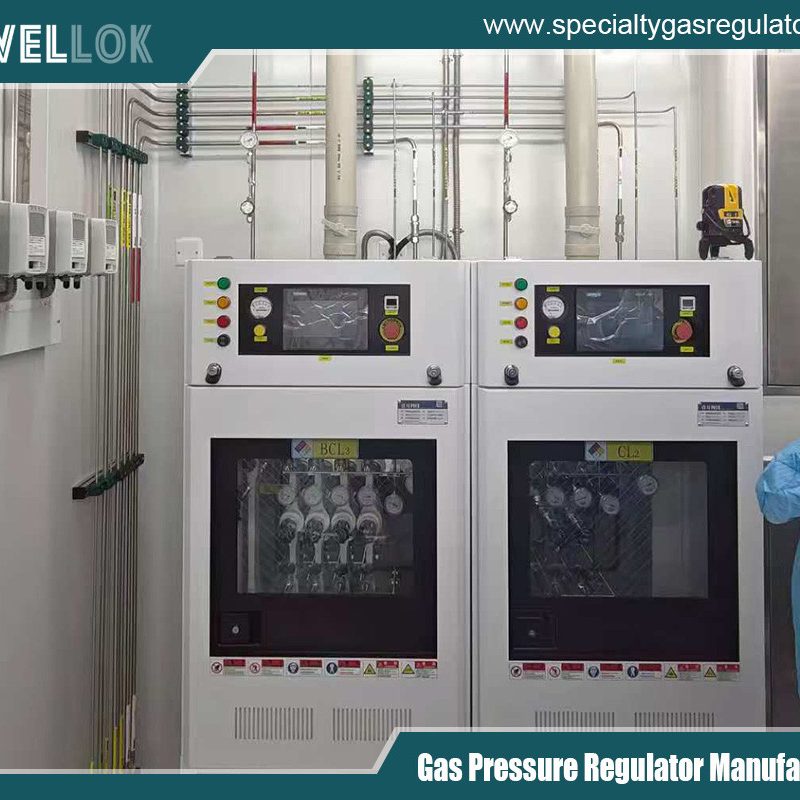
Chemical Delivery Module Solutions for Industrial and Laboratory Applications
In modern industrial manufacturing and laboratory environments, the precise and safe handling of chemicals is critical to ensuring product quality, operational efficiency, and personnel safety. From semiconductor fabrication and pharmaceutical production to chemical research laboratories, the demand for highly controlled chemical delivery has led to the development of advanced Chemical Delivery Modules (CDMs). These systems are engineered to store, transport, regulate, and dispense chemicals with high accuracy while minimizing contamination and exposure risks.
Chemical Delivery Modules serve as integrated solutions that combine fluid control components, monitoring systems, and automation technologies. By providing consistent flow rates, pressure control, and purity assurance, CDMs play a vital role in maintaining process integrity across a wide range of applications. This article explores the design principles, key components, operational advantages, and application scenarios of Chemical Delivery Module solutions in both industrial and laboratory settings.
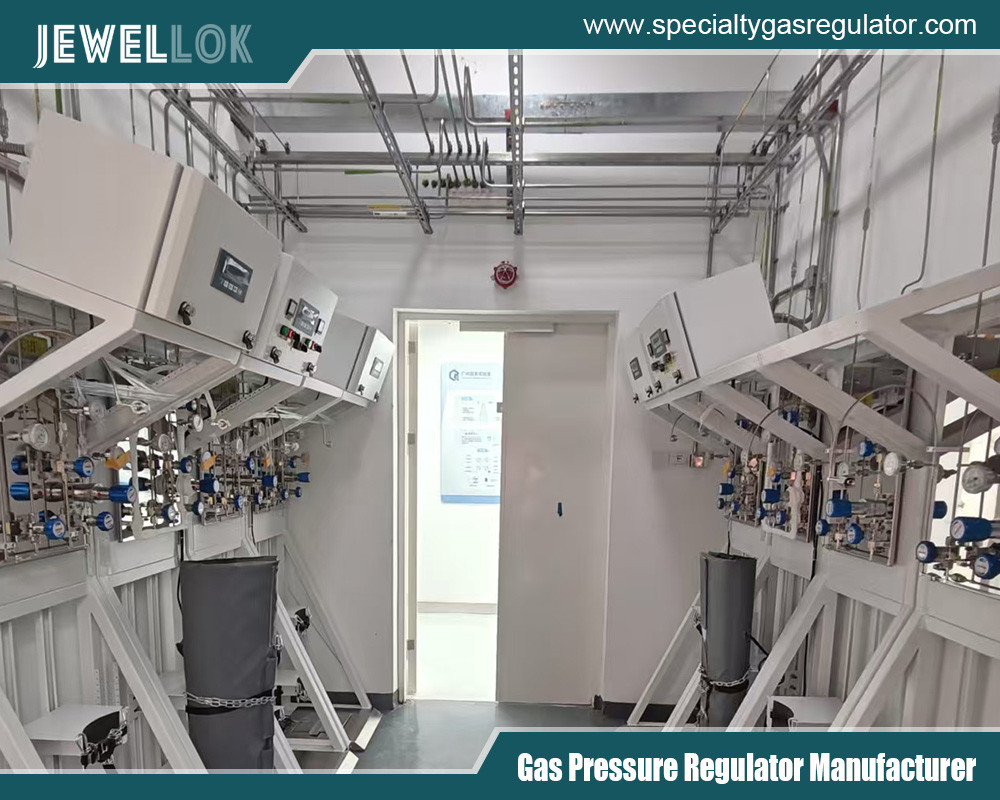
Overview of Chemical Delivery Modules
A Chemical Delivery Module is a self-contained system designed to manage the transfer of liquid or gaseous chemicals from storage containers to process tools or experimental setups. These modules are typically used in environments where precision, cleanliness, and safety are paramount.
CDMs can handle a variety of substances, including corrosive acids, solvents, high-purity gases, and specialty chemicals. Depending on the application, they may be configured for single-chemical delivery or multi-channel distribution systems.
The primary objectives of a CDM include:
- Ensuring accurate and repeatable chemical dosing
- Maintaining ultra-high purity levels
- Providing safe handling of hazardous materials
- Enabling automation and process integration
- Reducing human intervention and operational errors
Key Components of Chemical Delivery Modules
A well-designed Chemical Delivery Module consists of several critical components that work together to achieve precise and reliable chemical handling.
1. Storage and Containment Units
The storage section typically includes chemical containers such as bottles, cylinders, or tanks. These containers are often made from chemically resistant materials like stainless steel, PTFE (polytetrafluoroethylene), or PFA (perfluoroalkoxy alkane) to prevent corrosion and contamination.
Secondary containment systems are also incorporated to capture leaks or spills, ensuring environmental and personnel safety.
2. Fluid Control Valves
Valves are essential for regulating the flow and direction of chemicals. In high-purity applications, diaphragm valves are commonly used due to their minimal dead volume and excellent sealing performance. These valves prevent contamination and ensure precise flow control.
Advanced CDMs often incorporate pneumatically actuated valves, allowing for remote and automated operation.
3. Pressure and Flow Control Devices
Pressure regulators, mass flow controllers (MFCs), and flow meters are integrated to maintain stable delivery conditions. These devices ensure that chemicals are delivered at the required pressure and flow rate, which is crucial for process consistency.
In gas delivery systems, pressure control is especially important to prevent fluctuations that could affect downstream processes.
4. Filtration and Purification Systems
To maintain chemical purity, CDMs include inline filters and purifiers. These components remove particulates, moisture, and other contaminants that could compromise the quality of the process.
Ultra-high purity (UHP) filters are commonly used in semiconductor and pharmaceutical applications.
5. Monitoring and Control Systems
Modern CDMs are equipped with sensors and control units that monitor parameters such as pressure, temperature, flow rate, and chemical levels. These systems provide real-time data and enable automated adjustments to maintain optimal operating conditions.
Programmable logic controllers (PLCs) or distributed control systems (DCS) are often used to manage the operation of the module.
6. Safety Features
Safety is a fundamental aspect of CDM design. Key safety features include:
- Leak detection systems
- Emergency shut-off valves
- Venting and exhaust systems
- Overpressure protection
- Alarm and notification systems
These features help mitigate risks associated with hazardous chemicals.
Design Considerations
Designing an effective Chemical Delivery Module requires careful consideration of several factors:
Chemical Compatibility
All materials used in the system must be compatible with the chemicals being handled. This prevents degradation, contamination, and potential system failure.
Cleanliness and Purity
In applications such as semiconductor manufacturing, even trace contaminants can cause defects. Therefore, CDMs must be designed to meet stringent cleanliness standards, often including cleanroom compatibility and electropolished surfaces.
Scalability and Flexibility
Industrial processes may require scaling up or modifying chemical delivery systems. Modular designs allow for easy expansion and reconfiguration to meet changing requirements.
Automation and Integration
Integration with existing process equipment and control systems is essential for seamless operation. Automation reduces manual intervention, improves accuracy, and enhances productivity.
Maintenance and Serviceability
CDMs should be designed for easy maintenance, with accessible components and minimal downtime during servicing. Quick-connect fittings and modular components can facilitate efficient maintenance.
Applications in Industrial Settings
Chemical Delivery Modules are widely used across various industries, each with specific requirements and challenges.
Semiconductor Manufacturing
In semiconductor fabrication, CDMs are used to deliver high-purity chemicals such as acids, solvents, and specialty gases. These chemicals are essential for processes like etching, cleaning, and deposition.
The need for ultra-high purity and precise control makes CDMs indispensable in this industry. Any contamination or variation in chemical delivery can lead to significant yield losses.
Pharmaceutical Production
Pharmaceutical manufacturing requires strict adherence to quality and safety standards. CDMs are used to handle active pharmaceutical ingredients (APIs), solvents, and cleaning agents.
These systems ensure accurate dosing and prevent cross-contamination, which is critical for product integrity and regulatory compliance.
Chemical Processing
In chemical plants, CDMs are used for the controlled transfer of raw materials and intermediates. They help optimize reaction conditions and improve process efficiency.
Robust design and corrosion resistance are key requirements in these environments.
Energy and Environmental Applications
CDMs are also used in applications such as battery manufacturing, fuel processing, and water treatment. They enable precise chemical dosing for processes like electrolyte preparation and chemical treatment.
Applications in Laboratory Environments
Laboratories require flexible and precise chemical handling solutions to support research and development activities.
Analytical Laboratories
In analytical labs, CDMs are used to deliver reagents and calibration standards to instruments such as chromatographs and spectrometers. Precision and repeatability are essential for accurate analysis.
Research and Development
R&D labs often work with small volumes of chemicals and require adaptable systems. CDMs provide controlled delivery for experiments, enabling reproducibility and efficient experimentation.
Educational Laboratories
In academic settings, CDMs enhance safety by minimizing direct handling of hazardous chemicals. They also help students learn proper chemical handling practices.
Advantages of Chemical Delivery Modules
The adoption of CDMs offers numerous benefits:
Enhanced Safety
By automating chemical handling and incorporating safety features, CDMs significantly reduce the risk of exposure and accidents.
Improved Accuracy and Consistency
Precise control of flow rates and pressure ensures consistent chemical delivery, leading to improved process outcomes.
Reduced Contamination
High-purity components and enclosed systems minimize the risk of contamination, which is critical in sensitive applications.
Increased Efficiency
Automation and integration streamline operations, reduce manual labor, and increase productivity.
Regulatory Compliance
CDMs help organizations meet regulatory requirements by ensuring proper handling and documentation of chemicals.
Future Trends
The evolution of Chemical Delivery Modules is driven by advancements in technology and increasing industry demands.
Smart and Connected Systems
The integration of IoT (Internet of Things) technologies enables real-time monitoring, predictive maintenance, and remote control of CDMs.
Advanced Materials
The development of new materials with improved chemical resistance and purity characteristics enhances the performance and durability of CDMs.
Miniaturization
Compact and portable CDMs are becoming more popular in laboratory applications, offering flexibility and space efficiency.
Sustainability
Efforts to reduce chemical waste and energy consumption are influencing the design of more environmentally friendly CDMs.
Conclusion
Chemical Delivery Modules are essential components in modern industrial and laboratory environments, providing safe, precise, and efficient chemical handling solutions. By integrating advanced fluid control technologies, monitoring systems, and safety features, CDMs enable organizations to achieve high levels of performance and reliability.
As industries continue to demand greater precision, purity, and automation, the role of Chemical Delivery Modules will become increasingly important. Ongoing innovations in design, materials, and digital integration will further enhance their capabilities, making them indispensable tools for a wide range of applications.
In conclusion, investing in well-designed Chemical Delivery Module solutions not only improves operational efficiency but also ensures safety, quality, and compliance in today’s highly demanding chemical handling environments.
For more about the chemical delivery module solutions for industrial and laboratory applications, you can pay a visit to Jewellok at https://www.specialtygasregulator.com/product-category/specialty-gas-cabinet/ for more info.
-
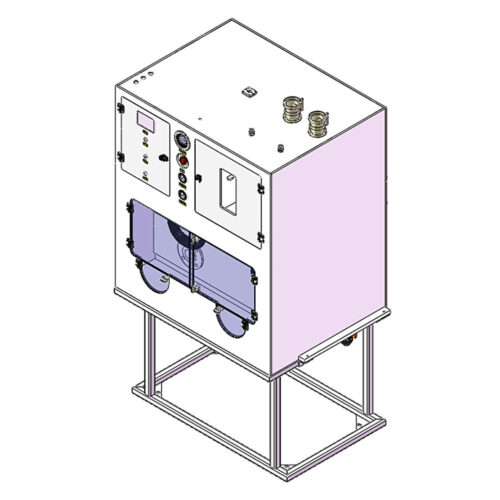
Clean Connection Cabinet JW-300-CCB Valve Manifold Box And Control Valve Box
-
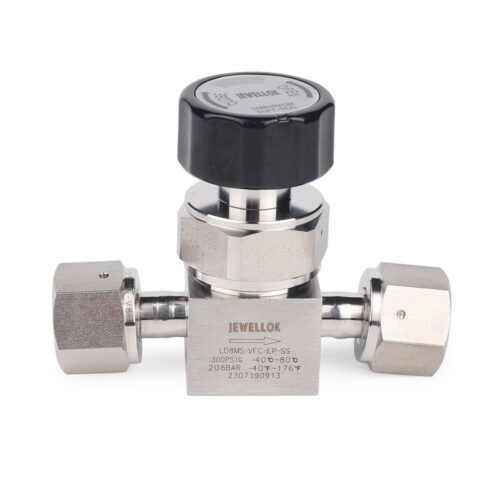
Flow Control Stainless Steel Low Pressure Manual Diaphragm Valve For High Purity And Ultra High Purity Gases
-
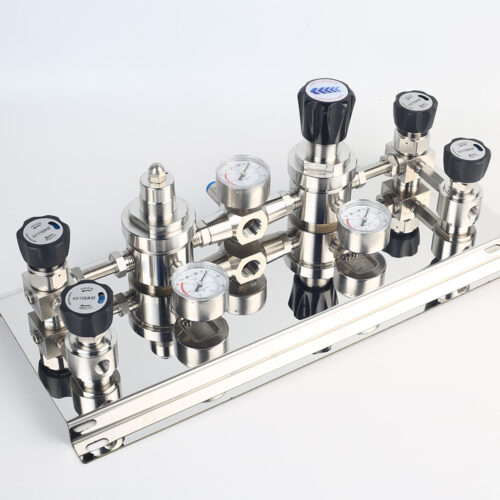
Stainless Steel Single Stage Semiconductor Grade Pressure Control Module Pressure Control Panels JSP-6A Series
-
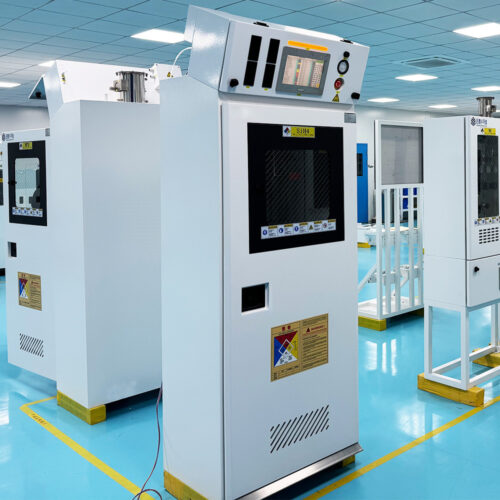
High-Efficiency Exhaust Gas Scrubber System for Semiconductor and Photovoltaic Hazardous Gas Abatement Solutions
-
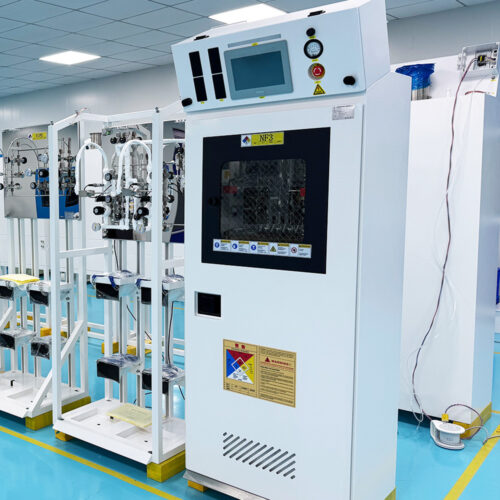
Semi Automatic Gas Cabinet Gas Panels High Purity Gas Delivery Systems JW-200-GC
-
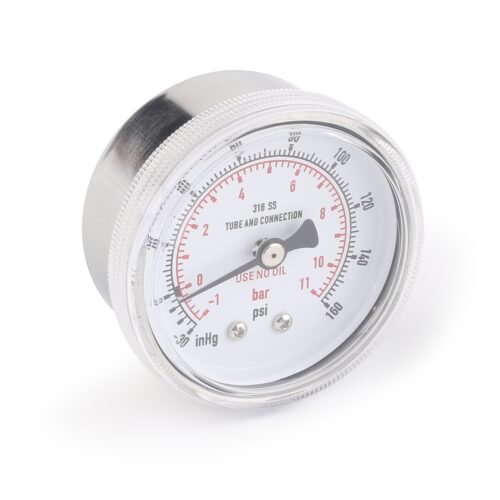
Ultra High Purity Pressure Gauge For Laboratory And Semiconductor JR Series
-
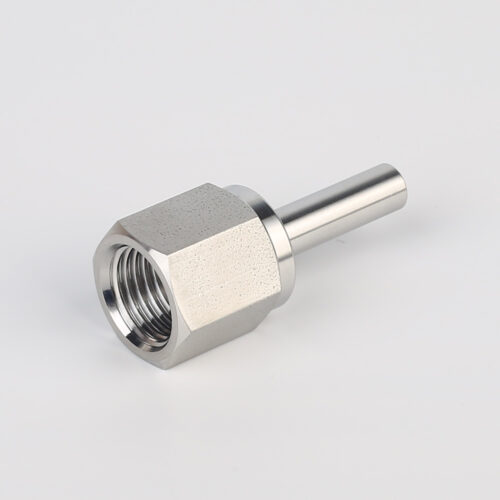
739LF High Purity Female Adapter Tube To Pipe Fittings And Connectors
-
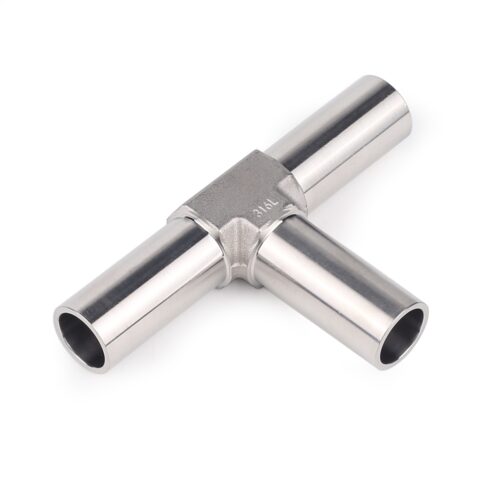
Stainless Steel Ultra Clean Welding Joint Fittings TW Series TRW Series & CW Series