
Regulator Manufacturer Tel: +86 13380377051
Regulator Manufacturer Tel: +86 13380377051
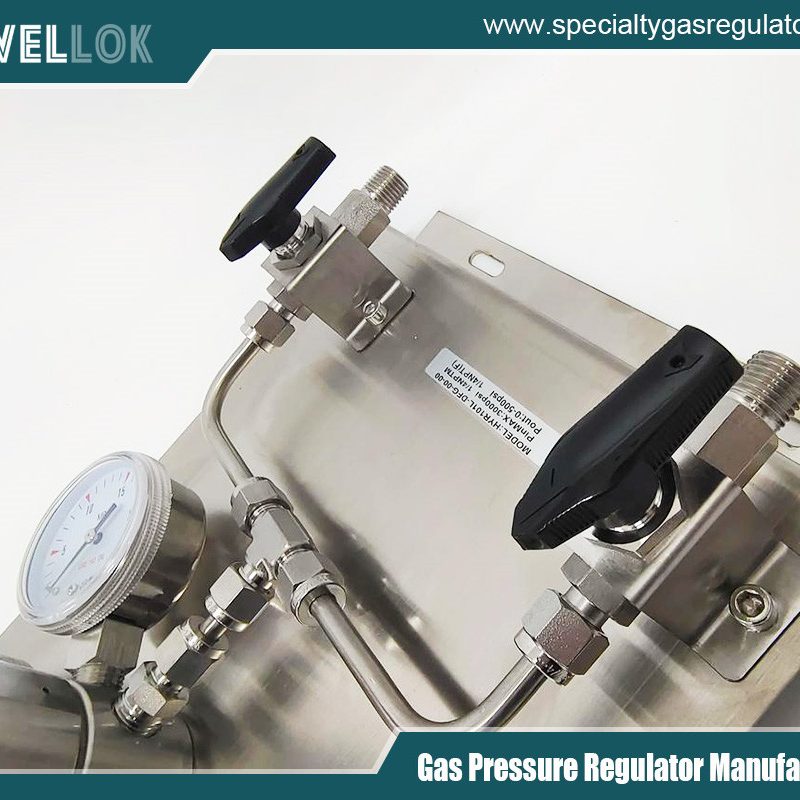
How Does a Gas Back Pressure Regulator Work?
In the intricate world of fluid control systems—spanning industries from oil and gas and chemical processing to pharmaceuticals and semiconductor manufacturing—maintaining precise pressure is paramount. While most people are familiar with pressure-reducing regulators, which lower a high inlet pressure to a stable lower outlet pressure, their lesser-known counterpart plays an equally critical role. This is the back pressure regulator (BPR), a specialized valve designed to control pressure by restricting flow. Its primary function is not to regulate downstream pressure, but to maintain a set pressure upstream of itself. In essence, it acts as a “pressure-relieving” or “pressure-holding” sentinel at the end of a line or vessel. This article will delve into the working principles, internal components, applications, and selection criteria for gas back pressure regulators, providing a comprehensive understanding of this vital piece of engineering.
The Fundamental Principle: Upstream Pressure Control
To grasp the concept of a back pressure regulator, a simple analogy is helpful. Imagine a dam on a river. The dam maintains a desired water level (pressure) in the reservoir behind it (upstream) by allowing excess water to spill over or through gates when the level gets too high. A back pressure regulator functions similarly. It is installed at the end of a process line or on the outlet of a vessel. Its job is to keep the pressure in that line or vessel at a predetermined setpoint. It accomplishes this by remaining closed until the upstream pressure rises to the setpoint. At that threshold, the valve begins to open, releasing excess gas (or fluid) to a lower-pressure destination (often a flare, vent, or return line), thereby relieving the pressure and protecting the upstream system.
This is the key distinction:
- A Pressure Reducing Regulator: Takes a high, variable inlet pressure and maintains a constant, lower outlet (downstream) pressure.
- A Back Pressure Regulator: Takes a variable inlet (upstream) pressure and maintains it at a constant setpoint by venting excess flow to a lower outstream pressure.

Internal Components and Their Roles
A typical spring-loaded back pressure regulator consists of several key components that work in concert:
- Body: The main structure containing the inlet, outlet, and internal flow passages.
- Inlet (Upstream Port): Where the gas from the protected system enters the regulator.
- Outlet (Downstream/Vent Port): The port from which gas is discharged to relieve pressure. This outlet is typically vented to a safe location at a lower pressure (atmosphere, scrubber, flare header).
- Seat: A fixed orifice where the sealing element makes contact to stop flow.
- Sealing Element (Popper, Disk, or Plug): The movable component that contacts the seat to shut off flow. It is attached to the sensing mechanism.
- Sensing Element (Diaphragm or Piston): This is the “brain” of the regulator. It is a flexible diaphragm or a sliding piston that senses the upstream pressure. The upper side of the diaphragm is exposed to the set pressure force (from a spring, gas dome, or external signal). The lower side is exposed to the upstream process pressure via a sensing line or internal passage.
- Spring (Loading Element): Provides the primary force to oppose the upstream pressure. Adjusting the spring compression changes the setpoint. In more advanced models, this spring is replaced by a dome-loaded or pilot-operated system for greater precision and stability.
- Adjustment Mechanism: A screw or knob that compresses or decompresses the spring, allowing the user to set the desired upstream pressure.
- Bonnet: The assembly that houses the spring and adjustment mechanism, sealing the top of the diaphragm chamber.
Step-by-Step Operational Cycle
The operation of a gas back pressure regulator is a dynamic balance of forces. Here’s a step-by-step breakdown of its cycle:
- Closed State (Upstream Pressure Below Setpoint):
- Gas from the process enters the inlet.
- This upstream pressure is channeled to the underside of the diaphragm.
- The force created by this pressure (Fpressure=Pupstream×AreadiaphragmFpressure=Pupstream×Areadiaphragm) is less than the opposing force exerted by the compressed spring on the top of the diaphragm.
- The net force pushes the diaphragm down, keeping the sealing element firmly pressed against the seat.
- No flow passes through the regulator. The upstream pressure is contained and builds as the process adds more gas.
- Opening & Regulating State (Upstream Pressure Reaches/Exceeds Setpoint):
- As the upstream process continues to add gas, pressure builds.
- When the upstream pressure force on the diaphragm equals the spring force, the system is in equilibrium.
- A further minute increase in upstream pressure creates a net upward force on the diaphragm.
- This causes the diaphragm and attached sealing element to lift off the seat, creating an orifice.
- Gas begins to flow from the high-pressure inlet, through the orifice, and out the vent port to the lower-pressure destination.
- This venting action reduces the upstream pressure. As it falls slightly below the setpoint, the spring force again dominates, pushing the diaphragm down to partially close the orifice.
- The regulator finds a dynamic balance point where it modulates (throttles) open just enough to vent the exact amount of gas required to maintain the upstream pressure at the setpoint. The valve “chatters” open and closed in a tiny, precise range to hold steady pressure.
- Re-closing (Upstream Pressure Drops Below Setpoint):
- If the upstream process stops adding gas or a downstream valve opens, the upstream pressure will drop.
- The spring force becomes dominant again, forcing the sealing element back onto the seat.
- Flow stops, and the upstream pressure is held until it again rises to the setpoint.
Key Applications: Where and Why Are They Used?
Back pressure regulators are indispensable in scenarios where controlling pressure at the source or within a contained system is critical:
- Gas Blanketing & Padding: Maintaining a precise, slight positive pressure of inert gas (like N₂) in storage tanks to prevent air ingress, contamination, or oxidation of sensitive chemicals.
- Reactor & Vessel Pressure Control: Protecting chemical reactors, autoclaves, and separators from over-pressurization by venting excess reaction gases or vapors.
- Chromatography & Analytical Systems: In Gas Chromatography (GC), a BPR is often installed after the column to maintain a constant pressure at the column inlet, ensuring consistent carrier gas flow rates and repeatable retention times.
- Pilot Plants & Research Rigs: Providing precise back pressure on systems to simulate deep-well conditions, control reaction kinetics, or test materials under specific pressure.
- Solvent Recovery & Distillation Columns: Controlling the pressure at the top of a distillation column, which directly influences the boiling points and separation efficiency of the components.
- Environmental Stack & Vent Systems: Maintaining a constant pressure in a collection header from multiple process vents before sending gases to a scrubber or flare.
- Flow Controller Partnering: Often used in tandem with a mass flow controller (MFC). The MFC controls the flow rate, while a BPR installed downstream maintains a constant upstream pressure for the MFC, improving its accuracy and response time, especially when downstream pressure fluctuates.
Selection and Sizing Considerations
Choosing the correct back pressure regulator is crucial for performance and safety. Key factors include:
- Material of Construction: Must be compatible with the gas media to avoid corrosion (e.g., stainless steel for general use, Hastelloy for highly corrosive gases, brass for non-corrosive air).
- Pressure Ratings: Must accommodate the maximum inlet pressure (MAWP) and the setpoint range. The outlet (vent side) pressure must also be considered.
- Flow Capacity (Cv): The regulator must be sized to pass the maximum required vent flow rate at the given pressure conditions without excessive pressure drop or instability. An undersized valve will not relieve enough flow; an oversized valve will operate near its shutoff point, leading to poor control and potential chatter.
- Temperature Range: The seals (elastomers like Viton, EPDM, or Kalrez) and metal components must withstand process and ambient temperatures.
- Accuracy & Stability: Defined by parameters like lock-up (the pressure decay needed to fully close) and sensitivity (the pressure change required to initiate opening). Pilot-operated or dome-loaded regulators offer superior accuracy (<±1%) compared to simple spring-loaded models (±5-10%).
- Sealing Technology: Soft-seated (elastomer) for tight shut-off, or metal-seated for high temperatures or abrasive gases.
- Connections: NPT, Swagelok, VCJ, or flange connections suitable for the piping system.
Advanced Designs: Pilot-Operated and Dome-Loaded Regulators
For applications requiring higher accuracy, stability, and capacity, simple spring-loaded designs have limitations (spring constant can cause droop). Advanced designs decouple the loading force from the main valve:
- Pilot-Operated BPR: Uses the process pressure itself to generate a controlling force. A small “pilot” regulator senses the upstream pressure and controls the pressure in a dome above a large piston (the main valve). This provides a powerful, precise force to open/close the main valve with minimal droop.
- Dome-Loaded BPR: Similar concept, but the dome is charged with gas from an external, regulated supply pressure. This external pressure acts on the piston or diaphragm, providing the setpoint force. Changing the external supply pressure adjusts the setpoint remotely and precisely.
Comparison with Relief Valves and Reducing Regulators
It’s important to differentiate a BPR from similar devices:
- Vs. Pressure Relief Valve (PRV)/Safety Valve: A PRV is a safety device that opens fully at a set overpressure to prevent catastrophic failure. It operates in a “pop-action” mode and does not throttle or control pressure during normal operation. A BPR is a process control device that modulates continuously to maintain precise upstream pressure.
- Vs. Pressure Reducing Regulator: As established, the fundamental difference is the control objective: downstream pressure vs. upstream pressure.
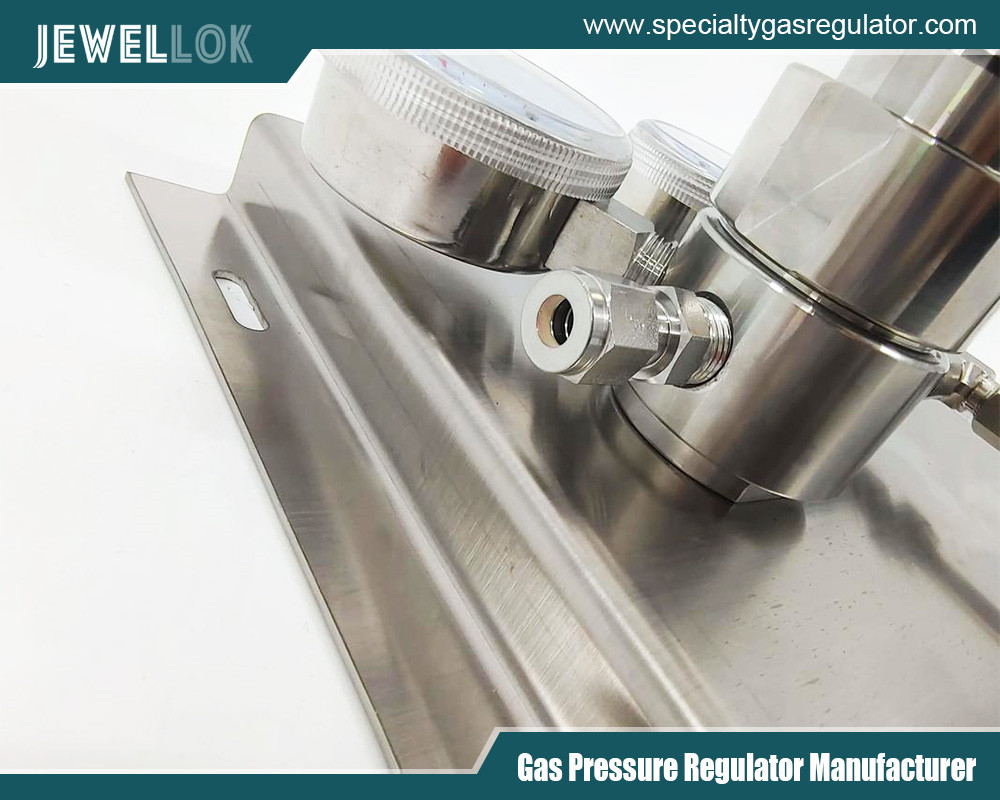
Conclusion
The gas back pressure regulator is a masterpiece of mechanical feedback control, elegantly solving the problem of maintaining a stable pressure in a vessel or pipeline by controlling the outlet. Through the balanced interaction of a sensing diaphragm, a loading spring, and a sealing element, it dynamically throttles flow to vent excess pressure, acting as a precisely adjustable, automated pressure-release mechanism. Its role is foundational in countless processes where pressure is a critical variable for safety, efficiency, and product quality. From ensuring the purity of stored chemicals to enabling the precise analytics of a gas chromatograph, the back pressure regulator operates as an unsung hero of process automation. Understanding its principles, components, and applications is essential for engineers and technicians designing, operating, and maintaining safe and efficient fluid systems.
For more about how does a gas back pressure regulator work, you can pay a visit to Jewellok at https://www.specialtygasregulator.com/product-category/specialty-gas-pressure-regulators/ for more info.
-
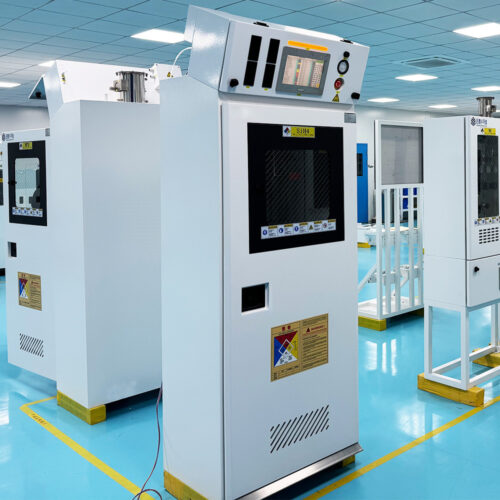
Integrated Scrubber Tail Gas Treatment Cabinet for Safe Bulk Specialty Gas System Exhaust Management
-
Advanced Exhaust Gas Scrubber System Design for 99% Removal Efficiency of Industrial Toxic Gases
-
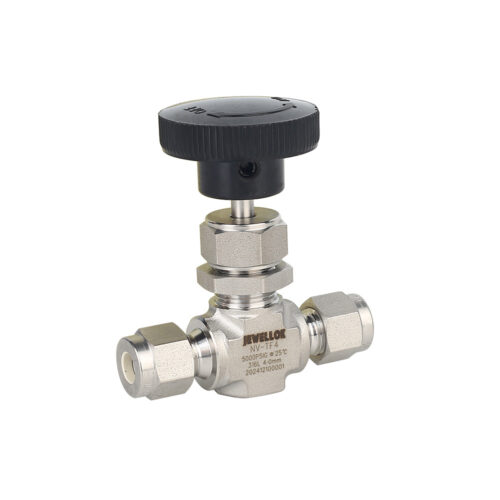
High Purity High Pressure Stainless Steel Needle Valve Natural Gas Flow Control Valve JNV Series
-
764L Stainless Steel Union Tee High Purity Fitting Union Tee Reducing Tubing Connection
-
Ultra High Purity 316L Var Stainless Steel Compressed Gas Changeover Manifold Panel System For Integrated Gas Supply System
-
Semi Automatic Oxygen Nitrogen Helium Argon Gas Changeover Manifold Manual Gas Changeover Manifold Panel For Gas Cylinders
-
High Purity Bulk Gas Delivery Systems for Semiconductor Manufacturing and Advanced Chemical Distribution Infrastructure
-
DPR1 Ultra High Purity Two Stage Dual Stage Pressure Reducing Regulator Semiconductor Grade Regulators