
Regulator Manufacturer Tel: +86 13380377051
Regulator Manufacturer Tel: +86 13380377051

How to Test a Propane Gas Regulator
Propane gas regulators are essential components in systems that use propane for heating, cooking, or powering appliances. These devices control the pressure of propane gas flowing from the tank to the appliance, ensuring safe and efficient operation. Over time, regulators can wear out, become damaged, or fail due to environmental factors, leading to issues like low flame output, gas leaks, or inconsistent pressure. Testing a propane gas regulator is a critical maintenance task that helps prevent accidents and ensures reliable performance.
In this technical article, we will explore the process of testing a propane gas regulator in detail. We’ll cover the fundamentals of how regulators work, the importance of regular testing, safety measures, required tools, step-by-step testing procedures, troubleshooting common problems, and best practices for maintenance. Whether you’re a homeowner with a propane grill, an RV enthusiast, or a professional technician, understanding how to test your regulator can save time, money, and potentially lives. This guide assumes a basic familiarity with propane systems but provides clear, technical instructions for safe execution.

Understanding Propane Gas Regulators
A propane gas regulator is a mechanical device that reduces the high pressure inside a propane tank (typically around 100-200 psi) to a lower, usable pressure for appliances (usually 10-11 inches of water column, or about 0.4 psi). It consists of several key parts: the inlet connection to the tank, a diaphragm that senses pressure changes, a spring mechanism for adjustment, a vent for pressure relief, and the outlet to the appliance line.
There are two main types of regulators: single-stage and two-stage. Single-stage regulators are simpler and used for short-distance applications like portable grills. Two-stage regulators provide more stable pressure over longer distances and are common in home heating systems or RVs. The regulator’s performance relies on the integrity of its internal components, which can degrade due to corrosion, dirt buildup, or mechanical wear.
Testing involves checking for proper pressure output, leaks, and functionality under load. Faulty regulators can cause over-pressurization, leading to explosions, or under-pressurization, resulting in inefficient appliance operation. Regular testing, ideally annually or after any system disturbance, is recommended to comply with safety standards like those from the National Fire Protection Association.
Safety Precautions
Safety is paramount when working with propane, a highly flammable gas. Before starting any test, ensure you’re in a well-ventilated outdoor area away from ignition sources like open flames, sparks, or electrical outlets. Wear protective gear, including gloves, safety glasses, and flame-resistant clothing.
Always shut off the propane tank valve before disconnecting any components. Use soapy water or a gas leak detector solution to check for leaks—never use matches or lighters. If you smell gas (a rotten egg odor from added mercaptan), evacuate the area immediately and contact professionals. For those unfamiliar with gas systems, consulting a certified technician is advisable to avoid risks.
Additionally, familiarize yourself with your system’s specifications. Propane tanks should be inspected for dents, rust, or expiration (tanks over 12 years old may need recertification). Ensure all connections are rated for propane use, as natural gas fittings are incompatible.
Tools and Materials Required
To test a propane gas regulator effectively, gather the following tools and materials:
– Manometer: A U-tube or digital device to measure gas pressure in inches of water column (WC). This is crucial for accurate readings.
– Leak detection solution: Commercial gas leak detector or a mixture of dish soap and water.
– Adjustable wrench: For loosening and tightening connections without damaging fittings.
– Pressure gauge adapter: To connect the manometer to the regulator’s test port or outlet.
– Screwdriver set: For accessing vents or adjustment screws if needed.
– Flashlight: To inspect for corrosion or damage in low-light areas.
– Multimeter: Optional, for checking electrical components in automatic regulators.
– Replacement parts: Have O-rings, gaskets, or a spare regulator on hand in case of failure.
Ensure all tools are clean and in good condition to prevent contamination of the gas system.
Step-by-Step Testing Procedure
Step 1: Visual Inspection
Begin with a thorough visual check. Turn off the tank valve and disconnect the regulator from the tank and appliance. Inspect the regulator for physical damage, such as cracks in the housing, bent vents, or corroded threads. Check the diaphragm area for signs of wear or insect intrusion, which can block vents. Examine hoses and connections for brittleness or leaks. If any damage is evident, replace the regulator immediately—do not attempt repairs on pressurized components.
Step 2: Leak Testing
Reconnect the regulator to the tank but leave the appliance end disconnected. Slowly open the tank valve and apply leak detection solution to all connections, including the inlet, outlet, and vent. Bubbles indicate a leak. If leaks are found at threaded connections, tighten them gently with a wrench. Persistent leaks may require thread sealant or part replacement. For the regulator itself, if bubbles form at the vent or seams, it’s faulty and must be replaced.
Step 3: Pressure Testing (Lock-Up Test)
This test checks if the regulator maintains proper pressure without flow. Attach the manometer to the regulator’s outlet or a test port using the adapter. Open the tank valve fully. The manometer should read between 10-11 inches WC for most low-pressure regulators. If it’s significantly higher (over 14 inches WC), the regulator may be stuck open; if lower, it could be obstructed or worn.
Next, perform the lock-up test: Briefly open a downstream valve (or simulate flow by attaching a temporary hose) to allow gas flow, then close it. The pressure should rise slightly (1-2 inches WC above operating pressure) and stabilize without creeping up further. Creeping indicates a failing seat or diaphragm, allowing gas to leak through.
Step 4: Flow Test (Under Load)
Connect the regulator to the appliance and ignite it to create demand. Monitor the manometer reading—it should hold steady at the specified pressure without dropping below 9 inches WC under full load. Fluctuations suggest issues like undersized regulators, blockages, or tank problems (e.g., low propane level causing vaporization issues in cold weather).
For two-stage regulators, test each stage separately if accessible. The first stage reduces to about 10 psi, and the second to appliance pressure.
Step 5: Vent and Adjustment Check
Ensure the vent is clear and positioned downward to prevent water ingress. If the regulator has an adjustment screw (common in adjustable models), use a screwdriver to fine-tune pressure while monitoring the manometer. Turn clockwise to increase pressure, counterclockwise to decrease. Only adjust if you’re experienced, as improper settings can be dangerous.
Step 6: Reassembly and Final Verification
Once tests are complete, reassemble the system, perform another leak check, and run the appliance for 10-15 minutes to confirm stable operation. Document your findings, including pressure readings and any adjustments.
Troubleshooting Common Issues
Common problems during testing include:
– Low Pressure: Often due to a clogged vent, frozen regulator (in cold climates), or empty tank. Clean vents with compressed air and ensure proper insulation.
– High Pressure: Indicates a failed diaphragm or spring. Replace the regulator.
– Intermittent Operation: Could be from contaminants in the gas line. Flush the system or install filters.
– No Gas Flow: Check for closed valves, kinked hoses, or overfill prevention device (OPD) issues in modern tanks.
If tests reveal failures, do not reuse the regulator. Disposal should follow local hazardous waste guidelines.
Maintenance Best Practices
To extend regulator life, store propane systems in dry, shaded areas. Cover vents with screens to deter insects. Schedule professional inspections every 5 years. Use high-quality, UL-listed regulators and replace them every 10-15 years regardless of condition.
In cold weather, regulators can freeze due to moisture in propane—use methanol additives or heated blankets. For RV or marine applications, corrosion-resistant models are ideal.

Conclusion
Testing a propane gas regulator is a straightforward yet vital process that ensures safety and efficiency in propane-dependent systems. By following the steps outlined— from inspection to flow testing—you can identify issues early and maintain optimal performance. Remember, if you’re unsure at any point, seek professional help to avoid hazards. Regular testing not only complies with safety norms but also provides peace of mind, allowing you to enjoy the benefits of propane without worry.
For more about how to test a propane gas regulator, you can pay a visit to Jewellok at https://www.specialtygasregulator.com/pure-gas-regulator-pressure-and-leak-testing/ for more info.
-
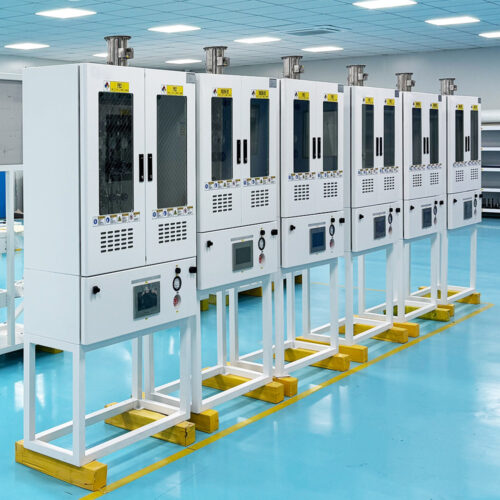
Automated Valve Manifold Box with Leak Detection for Toxic and Flammable Semiconductor Process Gases
-
Custom Wet and Dry Exhaust Gas Scrubber System Technology for Effective Acid Gas Neutralization
-
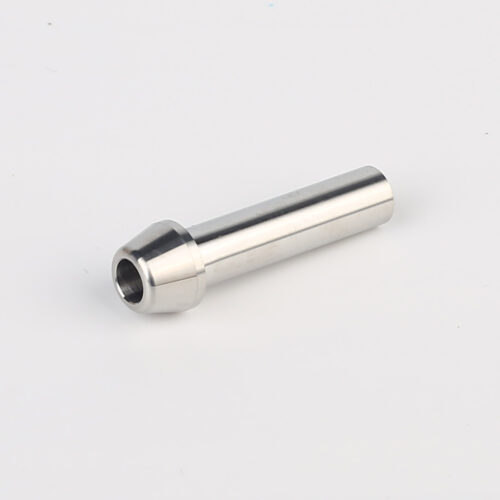
767LP Port Connector Ultra High Purity VCJ Metal Gasket Face Seal Tube Fittings
-
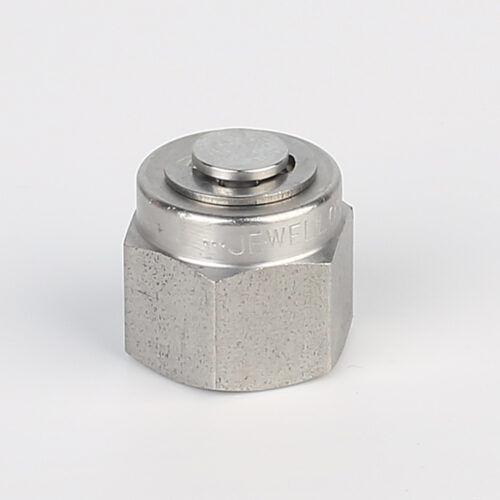
7121L Plug High Purity Plug Fitting And Blanking Plug
-
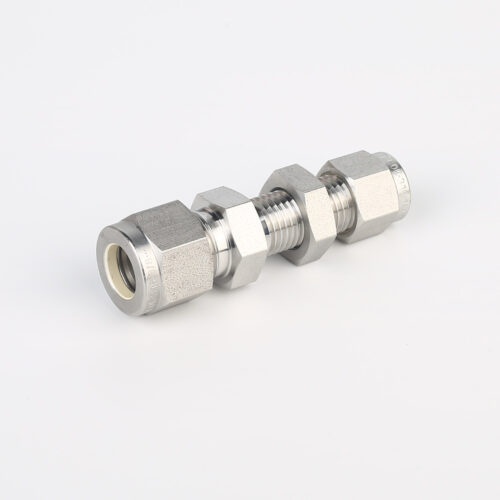
775L Bulkhead Reducing Union | Stainless Steel High Purity Double Ferrule Bulkhead Reducing Unions
-
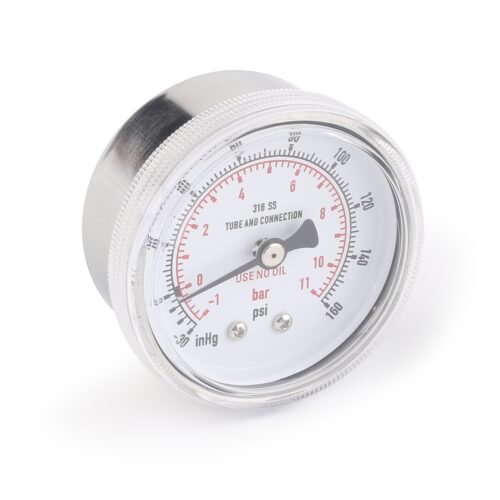
Ultra High Purity Pressure Gauge For Laboratory And Semiconductor JR Series
-
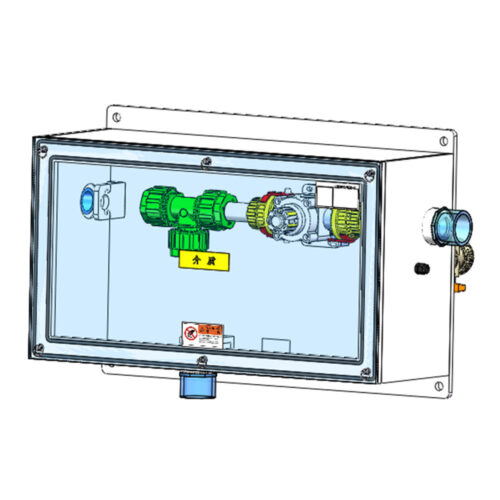
FT-BOX JW-FTB-C Valve Manifold Panels And Boxes With High Purity Configurable Systems
-
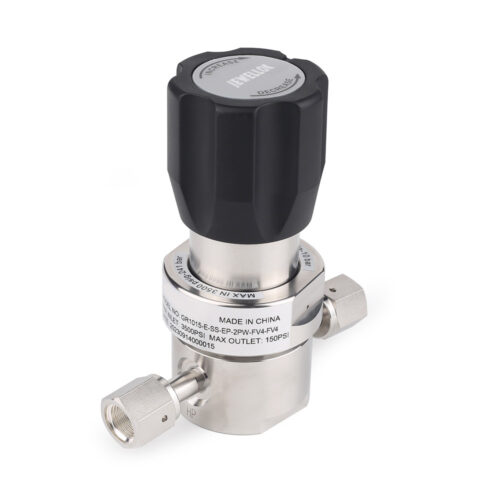
JR1000 Series UHP Ultra High Purity Single Stage Pressure Reducing Regulator And Low To Intermediate Flow