
Regulator Manufacturer Tel: +86 13380377051
Regulator Manufacturer Tel: +86 13380377051
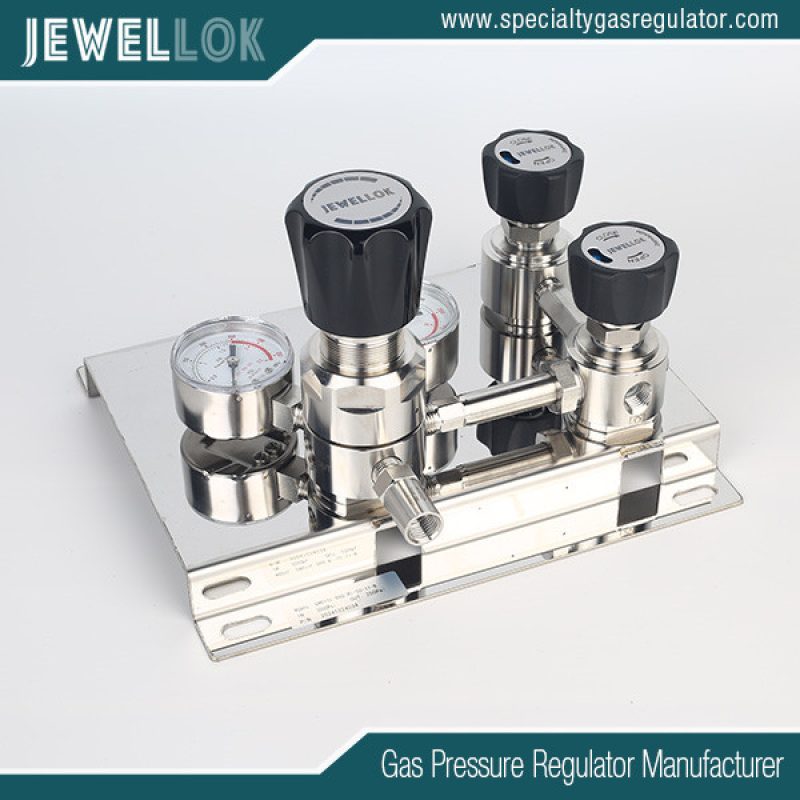
PH3 UHP Pressure Reducing Valve Specially Designed for Highly Toxic and Self-igniting Gases
The safe handling of specialty gases is a cornerstone of modern high-tech manufacturing, particularly in the semiconductor and photovoltaic industries. Among the most challenging of these are highly toxic and pyrophoric gases like phosphine (PH₃), used in doping and deposition processes. Traditional pressure control equipment is often inadequate for such media, where the smallest leak or material incompatibility can lead to catastrophic failure. This article delves into the specialized engineering of Ultra-High Purity (UHP) pressure reducing valves designed explicitly for the containment and precise control of gases like PH₃. We explore the critical design imperatives—materials of construction, leak integrity, safety redundancies, and contamination control—that transform a standard regulator into a vital safety component, enabling the advancement of technology while ensuring operational safety and environmental protection.
The Unique Hazard Profile of PH₃
Phosphine (PH₃) is a colorless, flammable, and highly toxic gas with a characteristic pungent odor. It is spontaneously flammable in air at concentrations above its lower flammability limit (~1.8%) and is lethal to humans at very low concentrations (TLV-TWA of 0.3 ppm). Its primary industrial use is as a dopant source in semiconductor fabrication and in the production of compound semiconductors like gallium phosphide. This combination of toxicity, pyrophoricity, and its critical role in sensitive processes creates a unique set of requirements for fluid handling components.
A standard pressure reducing valve, designed for inert gases, becomes a potential single point of failure in such an application. The imperative shifts from mere pressure regulation to absolute containment, fail-safe operation, and ultrapure delivery. The PH₃ UHP pressure reducing valve is not an adaptation but a ground-up redesign to meet this challenge. Its core mission is threefold: to reduce cylinder or source pressure to a safe, usable delivery pressure with extreme precision; to prevent any outward leakage of the gas; and to ensure the gas delivered is free from contaminants that could compromise process yield or react dangerously with the gas itself.
Foundational Design Imperatives
The design philosophy for a PH₃ valve is governed by the “Safety by Design” principle. Every subsystem is scrutinized for potential failure modes related to the gas’s properties.
1. Material Science and Corrosion Resistance
PH₃, especially when in its UHP grade, can decompose under certain conditions to form more reactive phosphorus species. It can also be corrosive in the presence of moisture. Therefore, material selection is paramount.
-
Body and Internal Components: High-grade stainless steels (e.g., 316L VIM/VAR or equivalent) with exceptional electropolished internal finishes are standard. Electropolishing (Ra < 10 µin) minimizes surface area, reducing the sites for gas adsorption, particle generation, and potential decomposition. For the most stringent applications, nickel-plated or monel components offer enhanced corrosion resistance.
-
Seat and Seal Materials: This is the most critical interface. Elastomers are generally avoided due to permeation risks and potential degradation. Instead, metal-to-metal seals are employed for primary sealing, particularly at the seat. A soft metal (e.g., nickel, silver) seat mated with a hard metal poppet (stainless steel) provides a leak-tight, cold-flow seal. For static seals, confined gaskets made of specialized, impervious materials like perfluoroelastomers (e.g., Kalrez®) or fully metal-sealed (Conflat®-type) connections are used, ensuring they are not exposed to direct line pressure on their outer diameter, which could cause extrusion and failure.
2. Leak Integrity: The Zero-Tolerance Mandate
A leak rate standard of 1 x 10⁻⁹ atm cc/sec He or better is not just a specification; it is a non-negotiable requirement. This is achieved through:
-
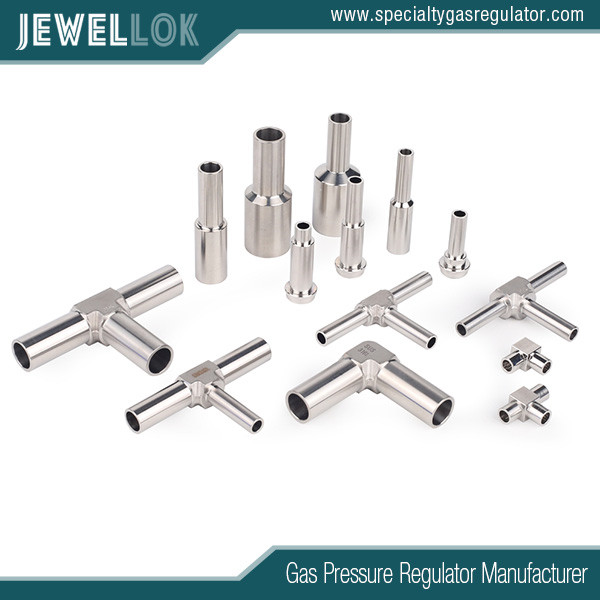
All-Welded Construction: Any potential leak path, such as threaded connections on the gas-wetted side, is eliminated. The valve body, inlet/outlet connections, and sensing lines are welded using orbital TIG or laser welding in a controlled atmosphere to prevent oxidation.
-
Diaphragm Isolation: The heart of any pressure regulator is its sensing element. For PH₃, a welded metal diaphragm is used instead of an elastomeric one. This hermetically seals the process gas from the spring chamber and the ambient environment. The diaphragm is designed to flex within its elastic limits over millions of cycles without fatigue.
-
Dual-Diaphragm (Safety Enclosed) Design: The gold standard for toxic gas service. This features a primary welded metal diaphragm. Beneath it, a secondary (usually elastomeric) diaphragm is installed, with the interstitial space continuously monitored by a pressure sensor or connected to an exhaust vent scrubber. If the primary diaphragm fails, the toxic gas is contained by the secondary diaphragm and an alarm is triggered, allowing for safe shutdown without venting to the atmosphere.
3. Pressure Control and Stability
Beyond containment, the valve must perform its primary function with precision. PH₃ processes often require stable, low delivery pressures.
-
High-Purity Spring: The spring controlling the pressure setpoint is isolated from the gas by the metal diaphragm and is often housed in a sealed, anodized aluminum or stainless-steel bonnet.
-
Flow Characteristics: The internal flow path is designed for laminar flow to minimize pressure surge and droop. The Cv factor (flow coefficient) is carefully calibrated to provide sufficient flow for the process while maintaining control stability. A low Cv valve provides finer control at low flow rates, which is typical for many doping applications.
-
Non-Fragmenting Design: In the event of a catastrophic overpressure event (e.g., downstream blockage), the valve must fail in a safe manner. Designs often incorporate a built-in, non-fragmenting safety feature or are used in conjunction with external, dedicated toxic gas rupture discs that vent to a treated scrubber system.
Operational and Safety Features
1. Purge and Cleaning Protocols
Valves must support rigorous purging before and after use. Standard features include:
-
Multiple Purge Ports: Separate inlet and outlet purge connections (often utilizing VCJ® or other face-seal fittings) allow for independent pressure-purge cycles to evacuate and displace residual gas from the valve body.
-
Compatibility with Cleaning: The design must allow for safe removal and decontamination, often supporting procedures like thermal annealing or specific chemical cleaning to remove hazardous residues before maintenance.
2. Monitoring and Control Integration
Modern PH₃ valves are integral parts of a Gas Cabinet System.
-
Integrated Sensors: They are often fitted with pressure transducers on both the inlet and outlet sides, providing real-time data to the facility’s Gas Detection and Control System (GDCS).
-
Fail-Safe Actuation: While manual versions exist, most are pneumatically operated for remote control. They are configured as normally closed (NC), meaning loss of actuation pressure causes the valve to close securely. The actuator itself is designed with leak-tight pistons and seals to prevent contamination of the control air.
Application in Gas Delivery Systems
In practice, a PH₃ UHP pressure reducing valve is never a standalone component. It is part of a meticulously engineered system:
-
Source: Located within a ventilated, continuously monitored gas cabinet.
-
Primary Containment: The valve is the first critical control point after the cylinder shut-off valve.
-
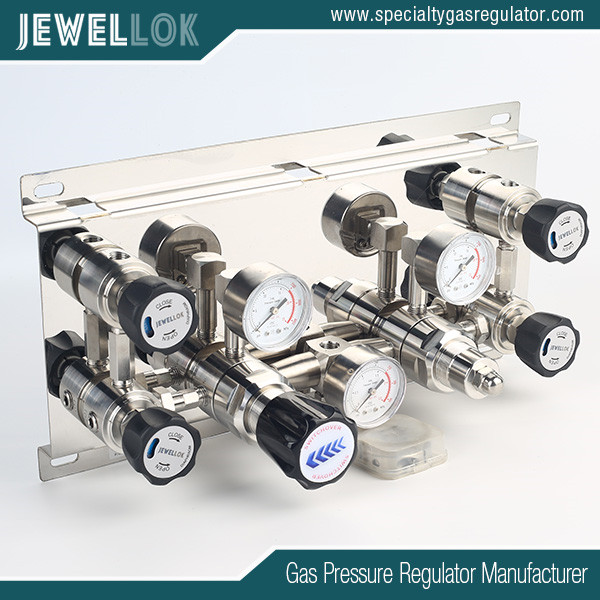
Redundancy: Systems often employ a Series/Redundant Regulator configuration. Two identical valves are plumbed in series. The first acts as a “rough” regulator, the second as a “fine” or process regulator. This extends service life and provides a backup control stage. A Switchover Manifold with two source cylinders ensures continuous supply.
-
Abatement: Every component downstream of the valve, and all vent lines, are plumbed to a dedicated, high-efficiency toxic gas scrubber (e.g., dry sorbent, wet chemical) designed to neutralize PH₃ before any potential atmospheric release.
5. Maintenance and Certification
Due to the extreme hazards, maintenance is highly specialized.
-
Certified Return-to-Service: Valves are periodically removed and sent to the manufacturer or a certified facility for leak testing, seat inspection, and diaphragm replacement.
-
Traceability: Full materials traceability (mill certificates) and performance test records are mandatory, often compliant with SEMI standards.
-
Training: Personnel handling these valves require specific training in toxic gas safety, leak response, and the unique properties of pyrophoric gases.
Conclusion
The PH₃ UHP pressure reducing valve exemplifies the fusion of precision engineering with uncompromising safety protocol. It is a component where metallurgy, surface science, mechanical design, and systems engineering converge to tame a substance that is both indispensable and perilous. Its development and continual refinement are driven by the relentless demands of the semiconductor industry for smaller nodes, higher purity, and absolute reliability. More than just a valve, it is a guardian—a meticulously crafted barrier that enables human innovation to proceed safely. As industries continue to push the boundaries with increasingly sophisticated and hazardous materials, the principles embedded in this specialized hardware—zero-leak integrity, fail-safe design, and systemic integration—will remain the gold standard for the safe handling of extreme fluids, ensuring that technological progress does not come at the expense of human or environmental safety.
For more about PH3 uhp pressure reducing valve specially designed for highly toxic and self-igniting gases, you can pay a visit to Jewellok at https://www.specialtygasregulator.com/product-category/ultra-high-purity-gas-regulators/single-stage-pressure-regulators/ for more info.
-
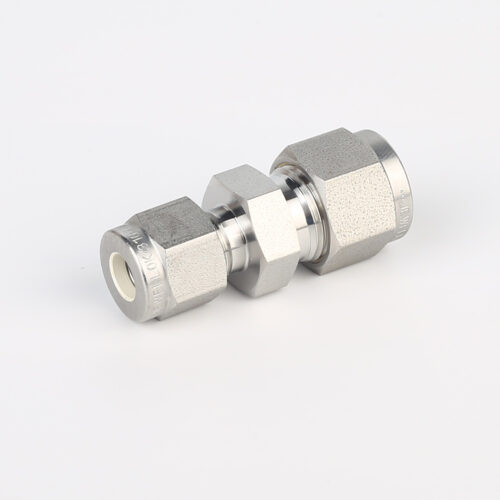
763L Stainless Steel High Purity Pressure Reducing Union Fittings And Tubing Pressure Reducing Valve Adjustment
-
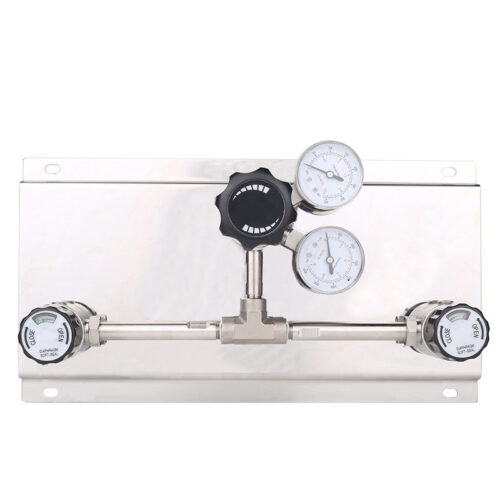
High Pressure High Flow Specialty Gas Control Panel With Diaphragm Valve , 3000Psig Oxygen Control Medical Changeover Manifold Panel
-
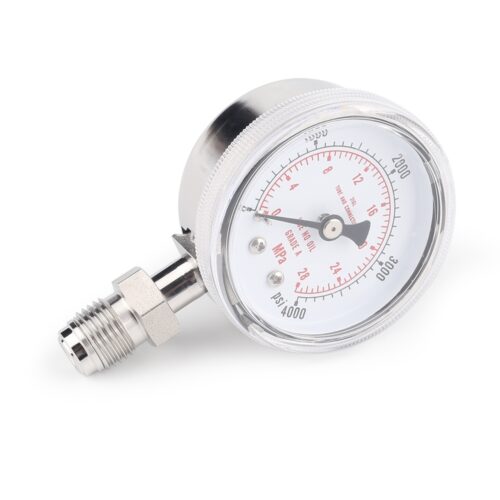
Ultra High Purity Oxygen Pressure Gauge For Semiconductor Gases JG Series Pressure Instruments For Semiconductor Manufacturing
-
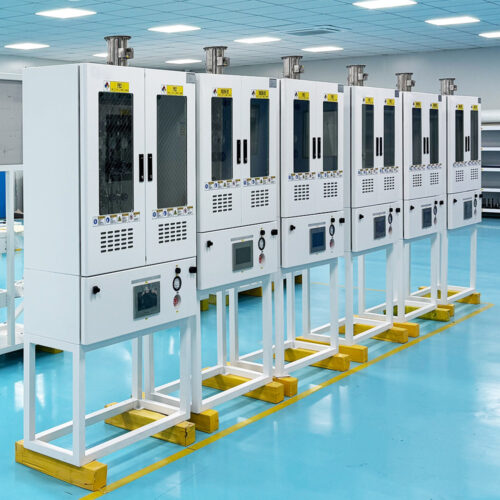
UHP Liquid Chemical Delivery Systems with Nitrogen Blanketing and Secondary Containment for Hazardous Industrial Chemical Processing
-
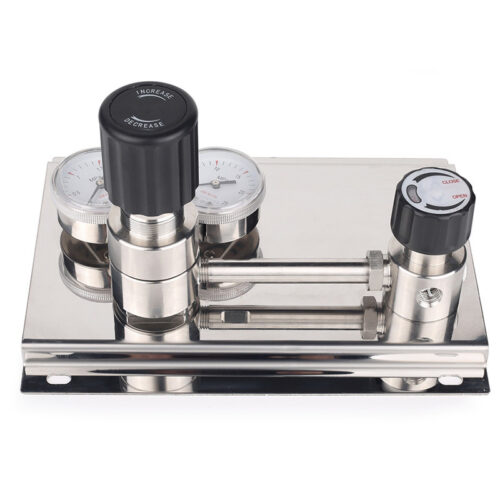
Stainless Steel Fully Automatic Gas Switchover Manifold System Automatic Gas Cylinder Switchover Co2 Cylinder Auto Changeover Controller
-
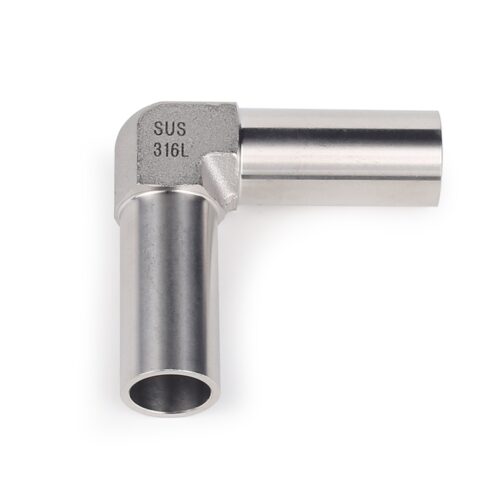
High Purity Stainless Steel Mini Tube Butt Weld Fittings For Semiconductor
-
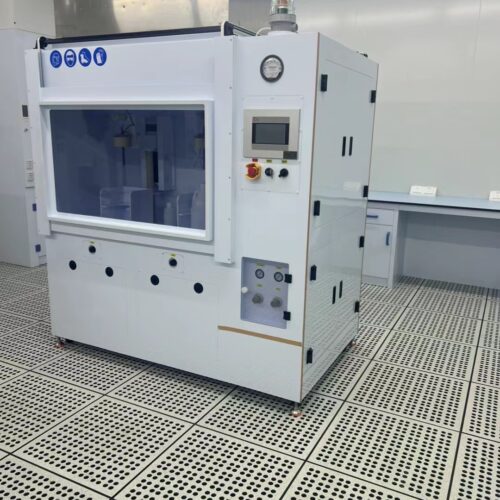
Custom VMB Valve Manifold Boxes for Enhanced Tool Isolation and Maximum Uptime in Complex Chemical Distribution Networks
-
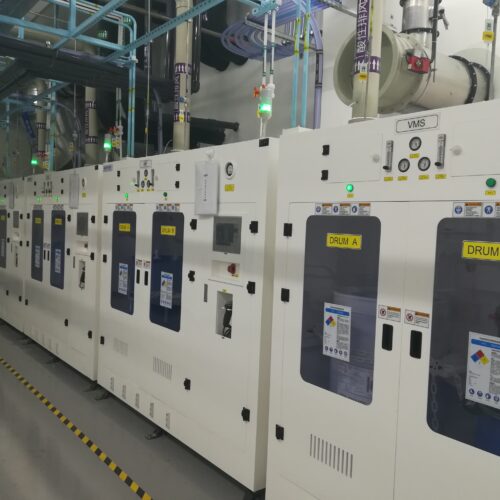
High Purity Liquid Chemical Delivery Systems Designed for Sub Micron Semiconductor Production