
Regulator Manufacturer Tel: +86 13380377051
Regulator Manufacturer Tel: +86 13380377051
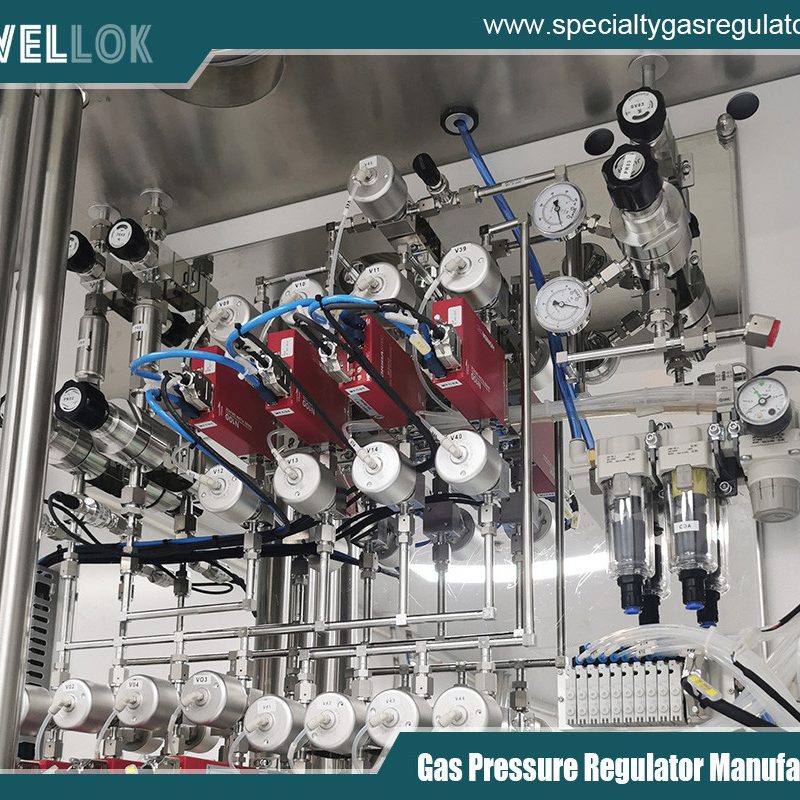
UHP Neon Pressure Regulators – Engineered for Noble and Specialty Gas Integrity
In the rarefied world of advanced manufacturing and cutting-edge research, the gases used are often as critical as the machines that contain them. Among these, neon holds a unique and increasingly vital position. Once primarily associated with vibrant signage, ultra-high-purity (UHP) neon is now an indispensable component in the lasers that power semiconductor lithography, the plasma displays of high-end electronics, and fundamental physics research. However, the very properties that make neon and its noble gas cousins (argon, krypton, xenon) and other specialty gases (e.g., helium, silane) so valuable—chemical inertness, specific spectral properties, and high ionization potentials—also make them exceptionally demanding to handle. At the heart of any safe and effective gas delivery system for these applications sits a critical, yet often overlooked, component: the Ultra-High-Purity neon Pressure Regulator. Specifically designed for noble and specialty gases, this device is not merely a valve; it is a meticulously engineered sentinel of purity, stability, and safety.
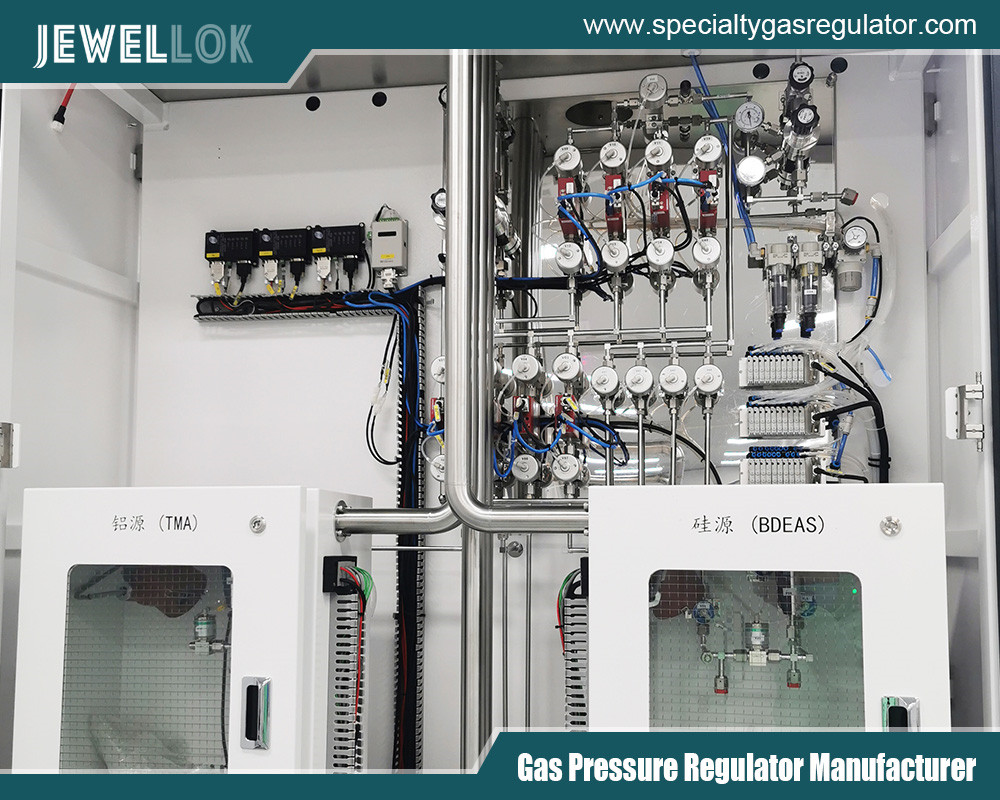
The Unique Demands of Neon and Noble Gases
To appreciate the specialized design of these regulators, one must first understand the challenges posed by the gases themselves.
- Ultra-High Purity Requirements: In semiconductor fabrication, specifically in the deep ultraviolet (DUV) lithography that patterns the latest microchips, neon is used in excimer lasers (e.g., ArF lasers). Impurities at parts-per-billion (ppb) or even parts-per-trillion (ppt) levels can absorb laser energy, reduce output power, create unstable beams, and deposit contaminants on costly optical components. A single introduction of moisture or hydrocarbons can cripple a multi-million dollar lithography tool. The regulator must not only maintain this purity but actively protect against back-diffusion and internal outgassing.
- Chemical Inertness – A Double-Edged Sword: Noble gases do not react with most materials. While this prevents corrosion, it means they provide no “self-cleaning” or passivation effects within the gas system. Any contaminant introduced stays active. Furthermore, their inertness makes leak detection by conventional chemical means difficult, placing a premium on the regulator’s hermetic integrity and leak-tight performance.
- Precision and Stability: Applications like calibration gas mixtures for environmental monitoring or analytical standards require not just purity, but exquisitely precise pressure control. Fluctuations in delivery pressure translate directly to inaccuracies in gas composition or instrument response. The regulator must provide a rock-steady outlet pressure despite decaying inlet pressure from the supply cylinder.
- Safety Considerations: While neon itself is non-toxic and largely inert, many specialty gases used in similar UHP systems are not (e.g., pyrophoric silane, toxic arsine, asphyxiant argon). The principles of containment and purity are identical, but safety is paramount. Regulators must often incorporate additional safety features like built-in check valves, enhanced venting options, and robust construction to contain high pressures safely.
Anatomy of a UHP Noble Gas Regulator: Design Philosophy and Key Features
A UHP regulator for neon transcends the basic diaphragm-and-spring design of industrial regulators. Every component and process is optimized to eliminate contamination and ensure reliability.
- Materials of Construction:
- Body & Internal Components: 316L stainless steel, preferably electropolished (EP) to a mirror finish (e.g., Ra < 10 µin). Electropolishing removes microscopic surface peaks, creating a smooth, passive surface that minimizes particle adhesion and provides an excellent barrier against gas permeation. For the highest purity applications, pressure parts may be manufactured from specialty alloys like Hastelloy C-22.
- Seals and Diaphragms: Elastomers are a primary source of outgassing and permeation. UHP regulators instead use metal diaphragms, typically stainless steel. These provide a hermetic, zero-permeation barrier between the inlet and outlet chambers and the atmosphere. Static seals are almost exclusively metal (e.g., copper or nickel gaskets for CGA connections, or specialized gold-plated stainless steel gaskets for VCJ®/VCO® face-seal fittings). Where elastomers must be used (e.g., in some pressure adjustment mechanisms), they are limited to high-integrity, low-outgassing perfluoroelastomers (FFKM) like Kalrez® or Chemraz®.
- Internal Geometry and Surface Treatments:
- Flow Path: The internal flow path is designed to be streamlined and dead-volume-free. Sharp corners and cavities where gas can stagnate or particulates can accumulate are eliminated. This is often referred to as a “fast-evacuation” design.
- Passivation: All wetted surfaces undergo a rigorous cleaning and passivation process. This typically involves a sequence of alkaline and acidic baths, followed by rinsing with high-purity water and solvents, all performed in a cleanroom environment. The final step often includes baking under vacuum to drive off volatile surface contaminants.
- Inlet and Outlet Connections:
- To prevent atmospheric contamination during cylinder connection, UHP regulators use CGA (Compressed Gas Association) or DISS (Diameter Index Safety System) fittings specific to the gas. For neon and inert gases, CGA 580 is common. The connection interface is critical and is often a metal-to-metal seal. For ultimate integrity, the regulator inlet may be fitted with a high-integrity face-seal fitting like a VCJ® gland and nut, which uses a metal gasket crushed by a precision-machined nose for a helium-leak-tight seal.
- Advanced Functionality:
- Diaphragm-Sensing Design: Unlike piston-sensing regulators, which use sliding O-rings that can wear and generate particles, the best UHP regulators use a direct-acting diaphragm-sensing design. This eliminates a major source of internal contamination.
- Purge and Vent Ports: Many UHP regulators feature auxiliary ports that allow the user to safely and effectively purge the regulator body and outlet lines with an inert gas before introducing the process gas, ensuring the removal of any ambient air.
- Leak Integrity: The entire assembly, particularly the seal between the diaphragm and body, is designed and tested for helium leak rates of < 1 x 10⁻⁹ atm cc/sec, ensuring no in-leakage of atmospheric contaminants.
- Pressure Ratings and Gauges: Gauges, if supplied, are of UHP design with stainless steel internals and Teflon®-coated Bourdon tubes. Regulators are rated for high inlet pressures (up to 3000 or 4500 psi for helium/neon mixtures) and provide precise control over low outlet pressures (0-50, 0-100 psig ranges are typical).
Applications: Where Precision Meets Critical Process
The deployment of these specialized regulators spans industries where failure is not an option.
- Semiconductor Lithography: The flagship application. UHP neon regulators ensure the consistent, pure flow of neon-helium mixtures into excimer laser chambers, directly impacting yield and throughput in chip manufacturing.
- Analytical and Calibration Laboratories: In gas chromatography, mass spectrometry, and environmental monitoring systems, regulators provide stable, uncontaminated flows of noble carrier gases (He, Ar) or calibration gas mixtures, forming the baseline for accurate measurement.
- Advanced Lighting and Display Manufacturing: In the production of plasma displays and specialty lamps, precise amounts of neon, xenon, and krypton must be introduced into glass envelopes. Contamination leads to color shifts and reduced product lifespan.
- Research & Development: From university physics labs studying quantum phenomena to national fusion research facilities, these regulators enable the precise handling of research-grade gases in experimental setups.
- Additive Manufacturing (3D Printing): In metal powder bed fusion (e.g., selective laser melting), high-purity argon or nitrogen is used to create an inert atmosphere. A stable, clean gas supply is essential to prevent oxidation defects in high-value aerospace and medical components.
Selection and Use Best Practices
Selecting and using the correct UHP regulator is a systematic process:
- Gas Service: Confirm the regulator is certified and designated for your specific gas (e.g., “Neon, UHP”).
- Purity Grade: Match the regulator’s specified purity level (e.g., 99.999% vs. 99.9999% neon) and particle rating to your process requirements.
- Connections: Ensure inlet connection matches your cylinder valve (e.g., CGA 580) and outlet connection fits your downstream piping (e.g., ¼” VCJ® female).
- Installation: Always perform in a clean environment. Purge the regulator thoroughly before connecting to sensitive equipment. Use proper torque wrenches on connections to avoid damaging seals.
- Maintenance: These are precision instruments. Follow manufacturer guidelines for service intervals and always use OEM repair kits to maintain specifications. Never use a regulator that has been used for a less pure application or a different gas service.
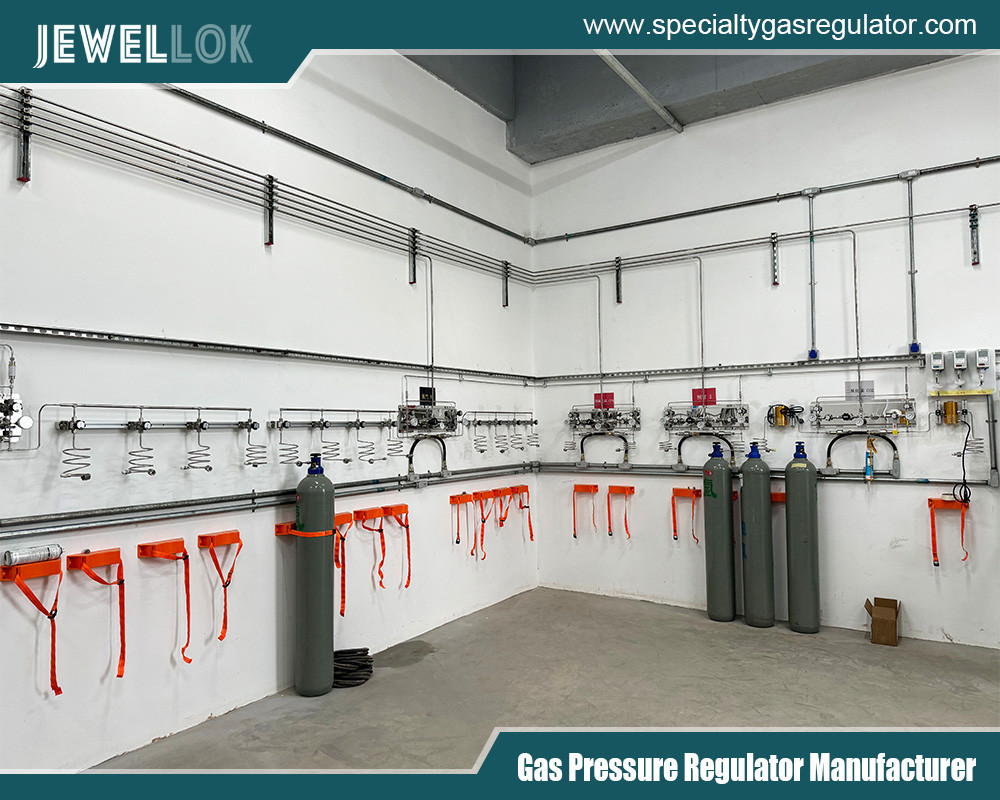
Conclusion
In the quest for technological advancement—smaller transistors, more accurate sensors, brighter displays, deeper scientific understanding—the integrity of materials at their most fundamental level is paramount. The UHP Neon Pressure Regulator, and its counterparts for other noble and specialty gases, operates unseen in the background of these grand endeavors. It is a masterpiece of precision engineering, marrying metallurgy, surface science, and fluid dynamics into a device that performs one deceptively simple task with flawless reliability: delivering gas, perfectly.
Its value lies not in what it adds, but in what it meticulously prevents: contamination, instability, and failure. In an era defined by purity and precision, this specialized regulator is far from a commodity; it is an essential enabler, a silent guardian ensuring that the neon glow fueling our most advanced technologies remains pure, stable, and brilliantly effective.
For more about UHP neon pressure regulators – engineered for noble and specialty gas integrity, you can pay a visit to Jewellok at https://www.specialtygasregulator.com/product-category/specialty-gas-cabinet/ for more info.
-
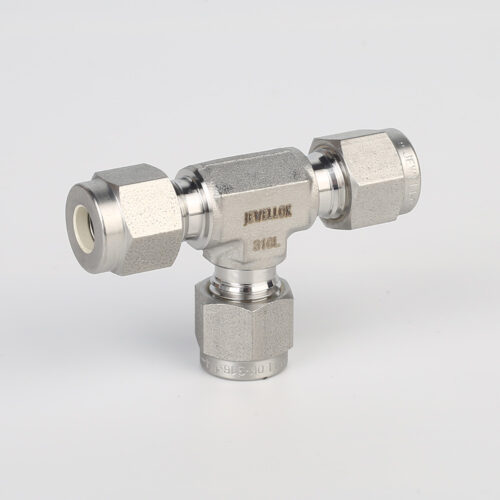
764L Stainless Steel Union Tee High Purity Fitting Union Tee Reducing Tubing Connection
-
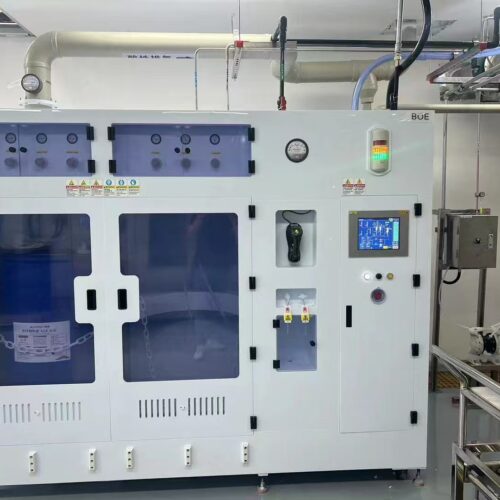
High Purity Bulk Chemical Delivery System and Automatic CDU for Advanced Semiconductor Manufacturing and Fabrication
-
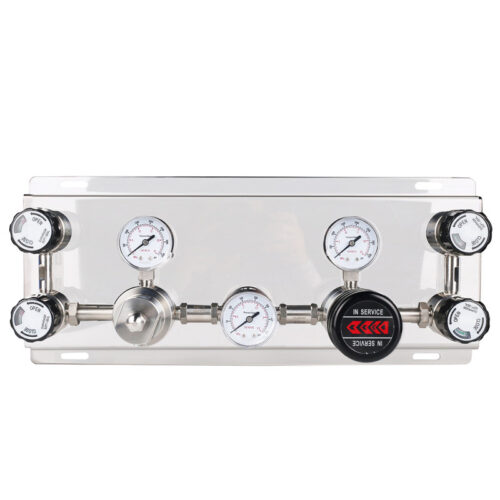
Semi Automatic And Automatic Switching Speicialty Gas Changeover Manifold Panel With Semiconductor Valve Manifold Box Gas Pressure Regulators
-
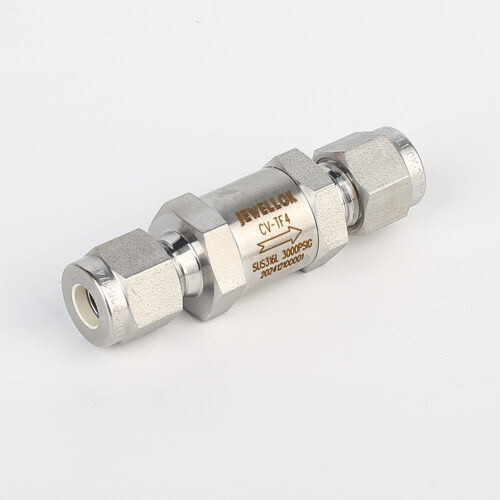
High Pressure High-Purity Welded Check Valves And Low Cracking Pressure Check Valve JCV1 Series
-
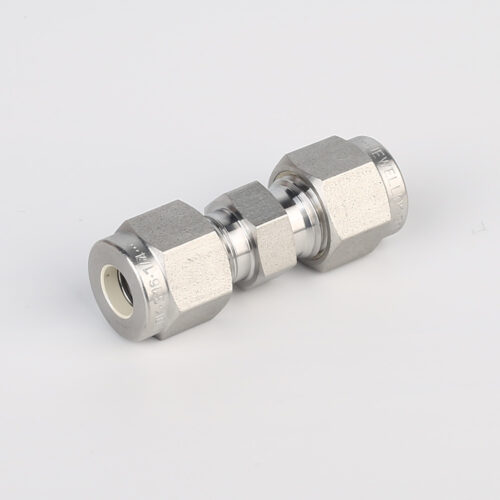
762L Stainless Steel High Purity Union High-Purity Gas System Fittings
-
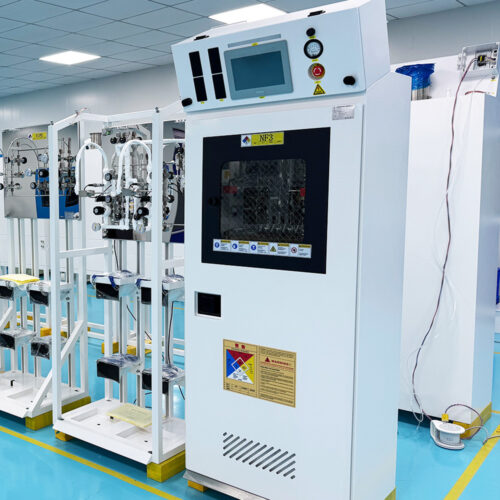
Semi Automatic Gas Cabinet Gas Panels High Purity Gas Delivery Systems JW-200-GC
-
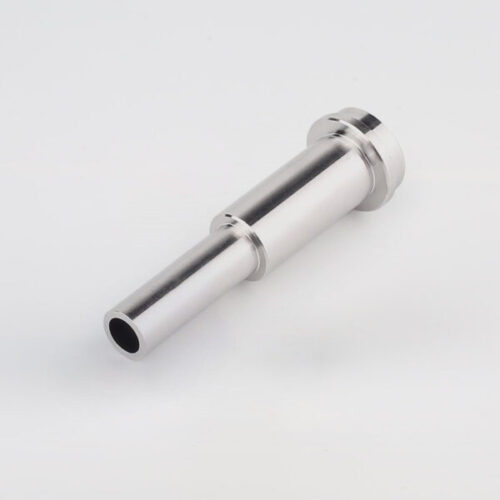
Long Gland LG Series For Ultra High Purity Gas And Chemical Delivery Systems
-
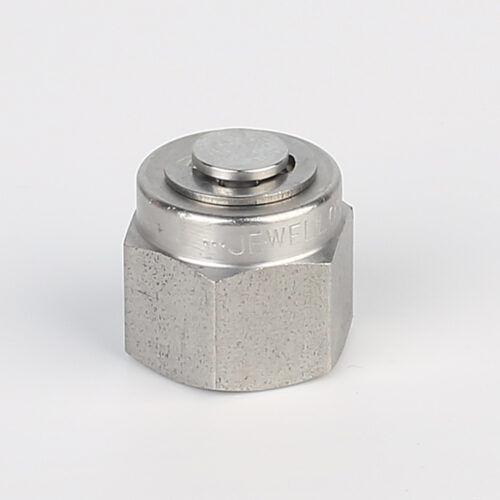
7121L Plug High Purity Plug Fitting And Blanking Plug