
Regulator Manufacturer Tel: +86 13380377051
Regulator Manufacturer Tel: +86 13380377051
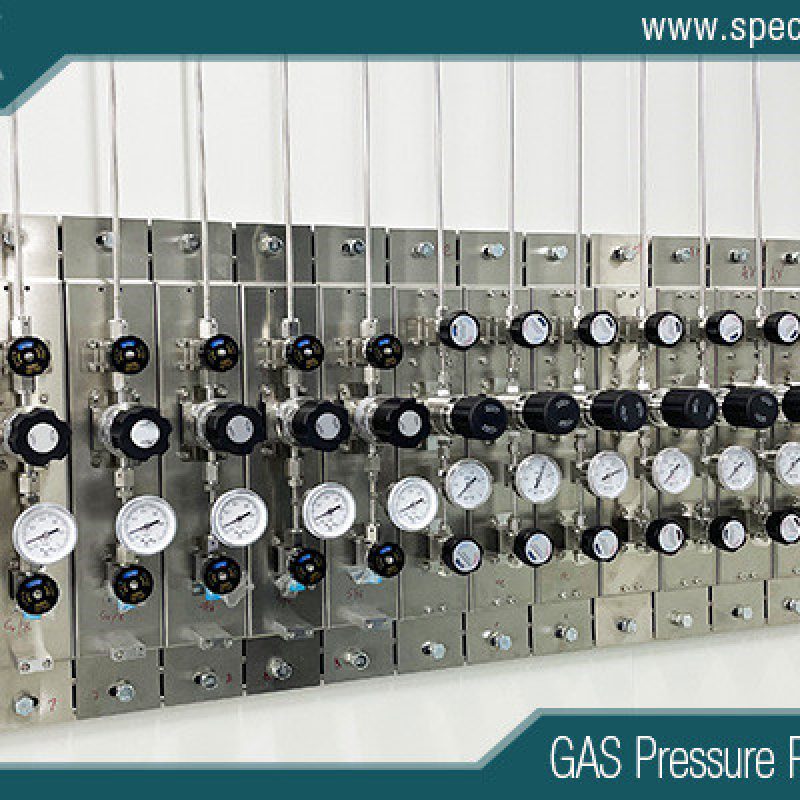
Ultra High Purity Gas Pressure Regulators for Industrial Specialty Gases and Medical Gases
In the realm of gas handling and distribution, ultra high purity (UHP) gas pressure regulators stand as critical components ensuring the safe, precise, and contamination-free delivery of gases. These specialized devices are engineered to manage gases with purity levels exceeding 99.999% (grade 5.0) and often reaching 99.9999% (grade 6.0) or higher. They play a pivotal role in industries where even trace impurities can compromise processes, product quality, or human health. This article delves into the technical aspects of UHP gas pressure regulators, focusing on their applications in industrial specialty gases and medical gases. We will explore their design, functionality, materials, types, benefits, and selection considerations, providing a comprehensive overview for engineers, technicians, and industry professionals.
Industrial specialty gases encompass a wide array of high-purity formulations used in manufacturing, research, and calibration, such as those in semiconductor fabrication, chemical synthesis, and analytical instrumentation. Medical gases, on the other hand, include oxygen, nitrogen, nitrous oxide, and carbon dioxide, which must adhere to stringent purity standards to ensure patient safety in healthcare settings. UHP regulators are indispensable in both domains, as they reduce high cylinder pressures to usable levels while maintaining gas integrity.
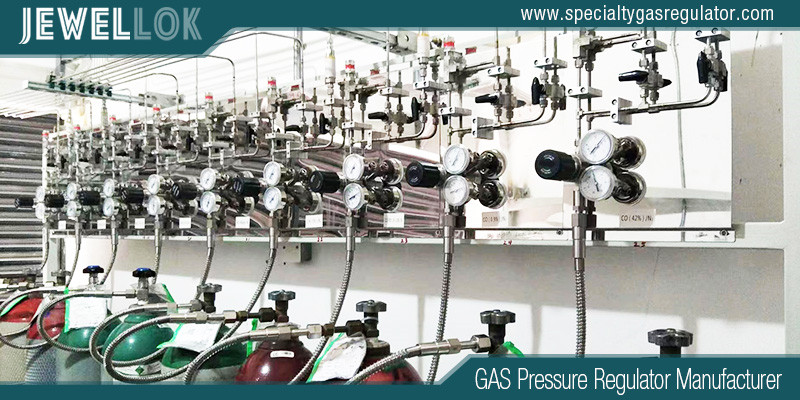
Understanding Gas Purity Levels and the Need for UHP Regulators
Gas purity is classified by the number of “nines” in the percentage, indicating the absence of contaminants. For instance, grade 5.0 gas is 99.999% pure, meaning impurities are limited to 10 parts per million (ppm), while grade 6.0 restricts them to 1 ppm. In ultra high purity applications, contaminants like moisture, hydrocarbons, or particulates can lead to catastrophic failures—such as defects in microchips or adverse reactions in medical therapies.
Standard industrial regulators, often made from forged brass with neoprene diaphragms, suffice for lower purity gases but fall short for UHP needs. They may introduce contaminants through outgassing, diffusion, or material degradation. UHP regulators address these issues by incorporating advanced designs that minimize internal volume, eliminate dead spaces, and use non-reactive materials. They ensure diffusion resistance, low leak rates (often helium leak-tested to 10^-9 cc/sec), and easy cleanup, making them ideal for toxic, flammable, corrosive, or oxidizing gases.
Design and Components of UHP Regulators
At their core, UHP gas pressure regulators function on the principle of pressure reduction through a controlled orifice and feedback mechanism. Incoming high-pressure gas (up to 6000 psi or more) enters the inlet, where a poppet or valve seat modulates flow based on downstream demand. A diaphragm senses outlet pressure and adjusts the valve accordingly, maintaining a stable output.
Key components include:
– Body and Bonnet: Typically machined from bar stock rather than castings to avoid porosity and inclusions that could harbor contaminants.
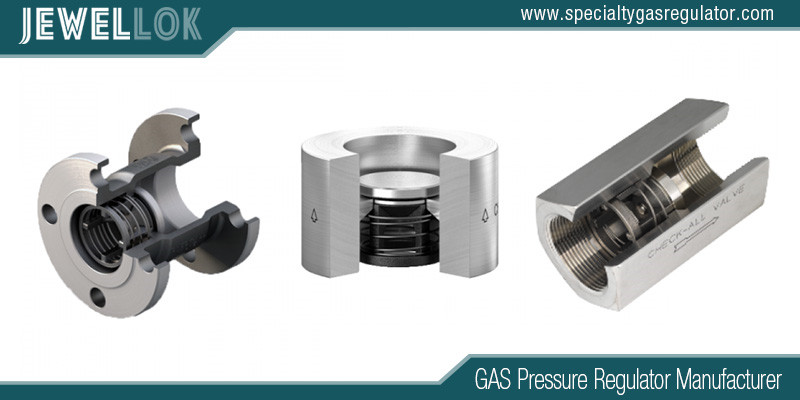
– Diaphragm: Tied-diaphragm designs prevent gas contact with springs or threads, reducing particle generation. Materials like stainless steel or Hastelloy offer superior corrosion resistance.
– Seats and Seals: High-purity elastomers or metal-to-metal seals minimize outgassing. Polytetrafluoroethylene (PTFE) or Kel-F are common for their inertness.
– Gauges and Valves: Integrated pressure gauges (0-4000 psi inlet, 0-100 psi outlet typical) and optional purge valves for system evacuation.
– Inlet/Outlet Connections: Standardized like CGA (Compressed Gas Association) fittings to match gas types, ensuring compatibility and leak-proof seals.
Advanced models feature surface treatments, such as electropolishing, to achieve low roughness averages (Ra < 10 microinches), further preventing particle adhesion and corrosion.
Types of UHP Regulators
UHP regulators are categorized by staging and application:
– Single-Stage Regulators: These reduce pressure in one step, suitable for applications with stable inlet pressures or lower cylinder volumes. They are compact and cost-effective but may experience “droop” (pressure drop under high flow). Ideal for line regulators in fixed installations.
– Two-Stage Regulators: Employing an intermediate chamber, they provide precise control over a wide inlet pressure range (e.g., from 3000 psi to near-empty cylinder). The first stage sets a fixed intermediate pressure (around 300-500 psi), while the second adjusts to the desired outlet. This design minimizes supply pressure effects, ensuring consistent delivery—crucial for long-duration processes.
– Cylinder vs. Line Regulators: Cylinder types mount directly on gas bottles, handling high inlet pressures. Line regulators are for downstream piping, often with lower pressure ratings.
Special variants include high-flow models for bulk systems and point-of-use regulators for precise endpoint control.
Materials and Construction for Durability and Purity
Material selection is paramount in UHP regulators to withstand corrosive gases like hydrogen chloride or silane while preserving purity. Common materials include:
– 316L Stainless Steel: Vacuum arc remelted (VAR) for enhanced cleanliness, offering excellent resistance to pitting and stress corrosion.
– Brass: Used for non-corrosive gases like nitrogen or argon, providing good machinability and cost savings.
– Monel or Hastelloy: For highly aggressive environments, such as fluorine-based gases.
Construction techniques emphasize minimal internal wetted surfaces to reduce adsorption sites. Regulators undergo rigorous testing, including helium leak detection and particle counting, to certify purity compliance.
Applications in Industrial Specialty Gases
Industrial specialty gases, such as silane, phosphine, and arsine, are vital in semiconductor manufacturing for doping and etching processes. UHP regulators ensure these gases reach fabrication tools without contamination, preventing yield losses in wafer production. In photovoltaic cell manufacturing, regulators control inert gases like argon for sputtering, maintaining vacuum integrity.
In analytical labs, regulators supply carrier gases for gas chromatography (GC) and mass spectrometry (MS), where impurities could skew results. Chemical industries use them for calibration standards and reaction control, ensuring precise stoichiometry. For example, in electronics assembly, UHP nitrogen regulators prevent oxidation during soldering.
These applications demand regulators with features like integrated filters (down to 0.003 microns) and low dead volume to minimize gas waste during purges.
Applications in Medical Gases
Medical gases require unwavering purity to safeguard patient health. Oxygen regulators, for instance, must deliver 99.5%+ purity to ventilators and anesthesia machines, free from oils or particulates that could ignite or cause infections. Nitrous oxide and carbon dioxide regulators support surgical procedures and respiratory therapies.
In pharmaceutical manufacturing, UHP regulators handle gases for drug synthesis and sterile filling, complying with USP (United States Pharmacopeia) standards. Hospitals use centralized systems with line regulators to distribute gases from bulk tanks to wards, ensuring consistent pressure (typically 50-55 psi for oxygen).
Special medical-grade regulators incorporate antimicrobial coatings and easy-to-clean surfaces to meet hygiene protocols. In hyperbaric chambers or MRI suites, they manage helium-oxygen mixtures with precision to avoid barotrauma.
Benefits and Advantages
UHP regulators offer several advantages over standard models:
– Purity Maintenance: By eliminating contamination sources, they extend equipment life and improve process reliability.
– Safety Enhancements: Features like burst discs, relief valves, and tied diaphragms protect against over-pressurization and leaks, critical for hazardous gases.
– Efficiency: Two-stage designs reduce gas consumption by maintaining stable pressures, lowering operational costs.
– Versatility: Modular configurations allow customization for flow rates (from 0.1 to 1000 slpm) and pressures.
– Compliance: They meet standards like ASTM, SEMI (Semiconductor Equipment and Materials International), and NFPA (National Fire Protection Association) for safety and performance.
Selection Criteria
Choosing the right UHP regulator involves assessing:
– Gas Type and Purity: Corrosive gases require stainless steel; high-purity needs tied-diaphragm.
– Pressure and Flow Requirements: Match inlet/outlet ranges and Cv (flow coefficient) to application.
– Environmental Factors: Temperature (-40°C to 150°C typical), vibration, and installation space.
– Certifications: Ensure ISO 9001 compliance and traceability.
Consulting manufacturers for compatibility charts is advisable.
Maintenance and Safety Considerations
Regular maintenance includes visual inspections for leaks, gauge calibration, and diaphragm replacement every 1-2 years. Purging protocols using inert gases prevent cross-contamination during cylinder changes.
Safety practices mandate proper ventilation, personal protective equipment, and training on gas hazards. Emergency shutdown valves and alarms enhance system resilience.
Conclusion
Ultra high purity gas pressure regulators are the unsung heroes in handling industrial specialty and medical gases, bridging high-pressure sources to sensitive applications with uncompromised integrity. Their sophisticated designs and materials enable advancements in technology and healthcare, underscoring the importance of precision engineering. As industries evolve toward higher purities and efficiencies, these regulators will continue to adapt, ensuring safe and reliable gas delivery.
For more about ultra high purity gas pressure regulators for industrial specialty gases and medical gases, you can pay a visit to Jewellok at https://www.specialtygasregulator.com/product-category/ultra-high-purity-gas-regulators/ for more info.
-
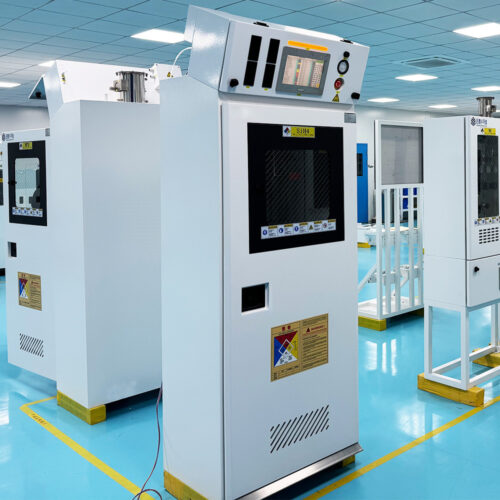
Integrated Scrubber Tail Gas Treatment Cabinet for Safe Bulk Specialty Gas System Exhaust Management
-
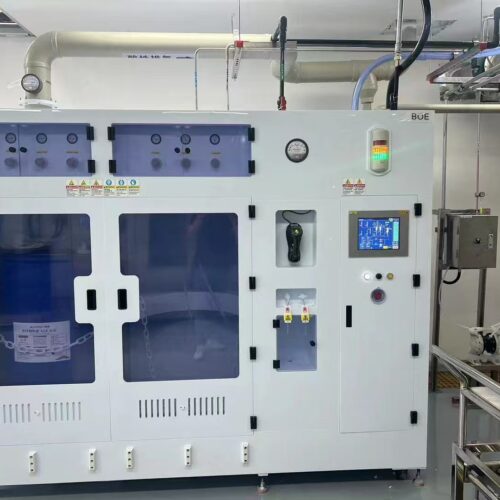
Chemical Delivery Modules for Automated Blending and Precise Dilution in Modern Wafer Cleaning Applications
-
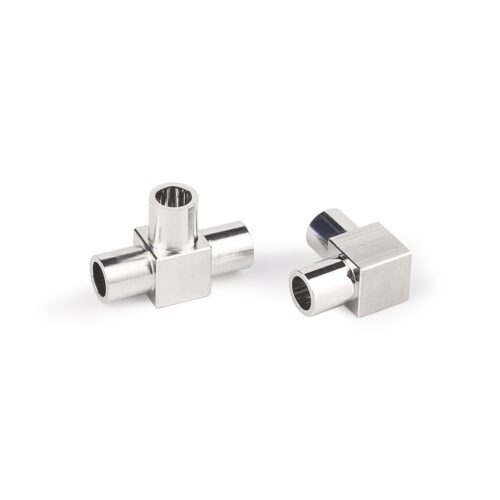
Stainless Steel Mini Elbow Mini Tee Mini Cross Mini Tribow Ultrahigh Purity Mini Butt Weld Fittings
-
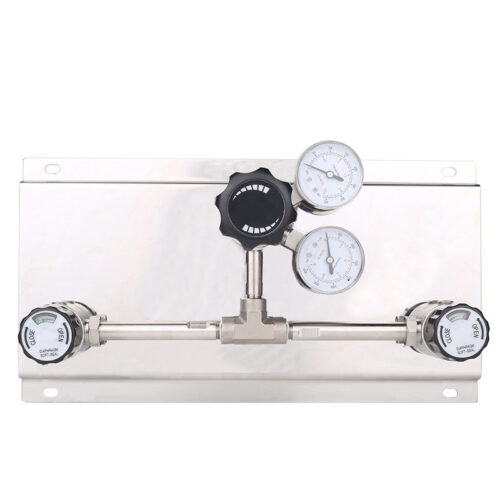
High Pressure High Flow Specialty Gas Control Panel With Diaphragm Valve , 3000Psig Oxygen Control Medical Changeover Manifold Panel
-
High Purity Bulk Chemical Delivery System and Automatic CDU for Advanced Semiconductor Manufacturing and Fabrication
-
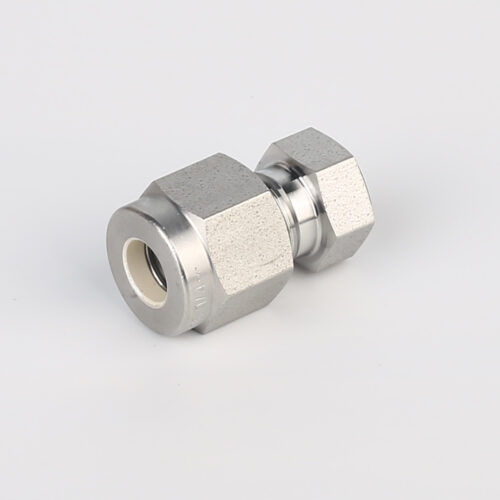
7108L Cylinder Cap Connectors For Ultra High Purity Gases
-
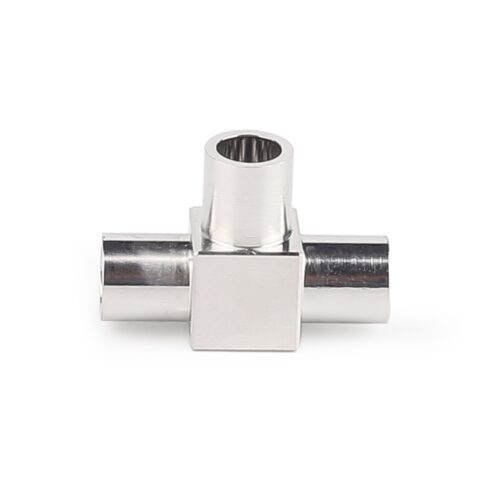
Stainless Steel Ultra High Purity Mini Butt Weld Mini Tee Reducer MTRW Series Fittings
-
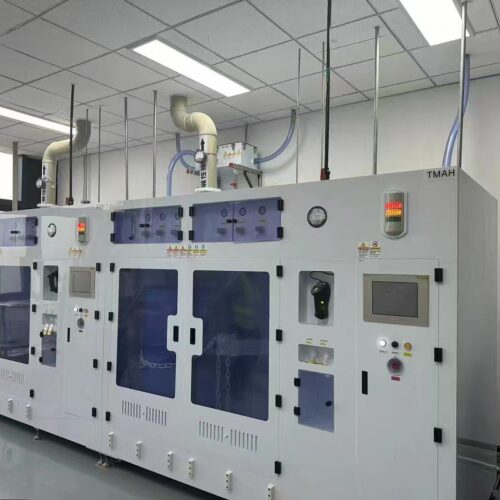
Vertical Laminar Flow Workstation (VLF) With Chemical Concentration Monitor