
Regulator Manufacturer Tel: +86 13380377051
Regulator Manufacturer Tel: +86 13380377051
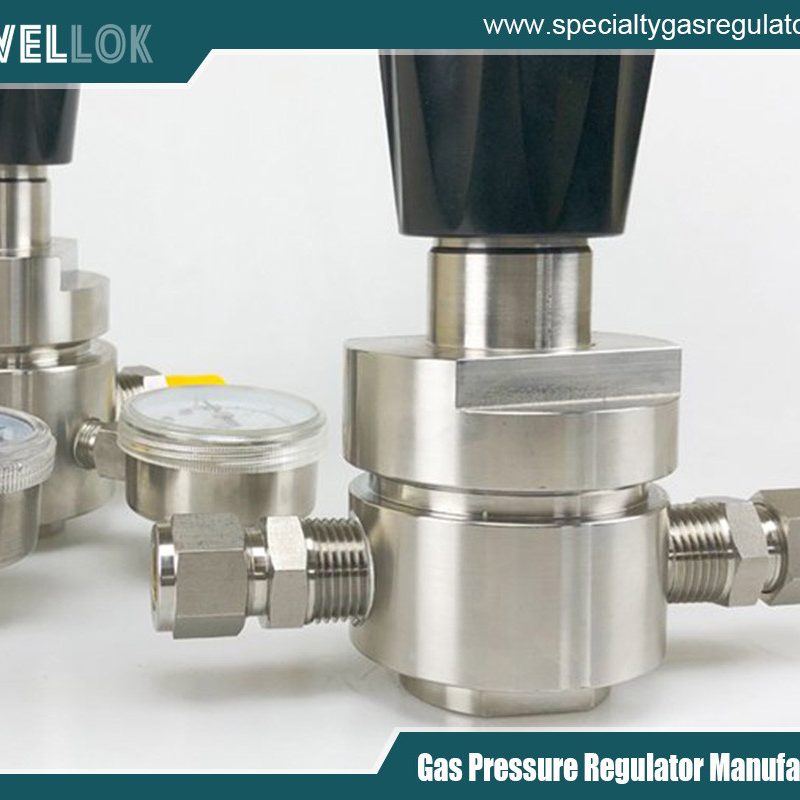
How Does an Oil and Gas Stainless Steel Pressure Regulator Made of Stainless Steel Work?
Pressure regulation is a critical function in the safe and efficient operation of oil and gas systems, from upstream extraction to midstream transportation and downstream distribution. Among the various materials used in this harsh environment, stainless steel stands out for its durability, corrosion resistance, and reliability. This technical article delves into the working principles, design components, material considerations, and application specifics of gas stainless steel pressure regulators in the oil and gas industry. Aimed at engineers, technicians, and industry professionals, it provides a comprehensive understanding of how these devices maintain precise pressure control under extreme conditions.
- Introduction: The Critical Role of Pressure Regulation
In the oil and gas industry, fluids—whether crude oil, natural gas, or various processed hydrocarbons—are transported and processed under pressure. This pressure must be carefully controlled to ensure safety, protect equipment, meet process specifications, and comply with regulatory standards. A pressure failure can lead to catastrophic events, including explosions, leaks, environmental damage, and loss of life.
The gas stainless steel pressure regulator is an automated control valve that reduces a high, variable inlet pressure to a stable, lower outlet pressure, regardless of fluctuations in upstream pressure or downstream demand. When constructed from stainless steel—particularly grades like 316, 316L, or 17-4 PH—these regulators gain exceptional resistance to corrosion, erosion, high temperatures, and hydrogen sulfide (H₂S) exposure, common in oil and gas operations.
This article explores the mechanics of how these robust devices function, component by component, within the demanding contexts of offshore platforms, pipelines, refineries, and gas distribution networks.
- Fundamental Working Principle: The Balance of Forces
At its core, a pressure regulator operates on a simple principle of force balance. It automatically adjusts the flow area through the valve to maintain a set outlet pressure.
The core mechanism involves three key forces:
- The Loading Force: This force, which “calls for” the target outlet pressure, is typically provided by a spring (in spring-loaded regulators) or a gas dome (in pilot-operated regulators).
- The Sensing Force: This is the force exerted by the outlet pressure acting on a sensing element (a diaphragm or piston).
- The Opposing Force: This is the force from the inlet pressure trying to open or close the valve, depending on design.
In a state of equilibrium:
Loading Force = Sensing Force ± Opposing Force (depending on design)
When the outlet pressure drops (e.g., due to increased demand downstream), the sensing force decreases. The loading force now overcomes it, pushing the diaphragm or piston to open the main valve, allowing more flow to increase outlet pressure back to the set point.
Conversely, if the outlet pressure rises (e.g., demand decreases), the increased sensing force compresses the loading mechanism, moving to close the valve, reducing flow and lowering the pressure.
This continuous, automatic adjustment is the essence of regulation.
- Key Components of a Stainless Steel Regulator
Understanding the function of each part is crucial to grasping the overall operation.
3.1. Body & Bonnet
- Material: Manufactured from ASTM A351 CF8M (equivalent to 316 SS) or similar grades. This provides excellent resistance to chlorides, CO₂, and mild H₂S environments.
- Function: The main pressure-containing housing. The body contains the inlet and outlet ports and the seat. The bonnet encloses the loading mechanism and provides a seal against the environment.
3.2. Internal Trim (The Control Elements)
- Valve Seat: Often made from harder stainless steels (like 17-4 PH) or stellite for erosion resistance. It forms a seal with the closure member.
- Closure Member (Plug, Disc, or Poppet): The movable element that contacts the seat to stop flow. Designs include soft-seated (elastomer for tight shut-off) or metal-seated (for high temperatures/erosion).
- Stem: Connects the diaphragm assembly to the closure member. Subject to friction and bending forces, requiring high strength stainless steel like 17-4 PH.
3.3. Sensing Element
- Diaphragm: The most common sensor. A flexible membrane, typically made of elastomer (e.g., NBR, FKM) with a stainless steel disc reinforcement. It isolates the loading mechanism from the process fluid while transmitting pressure forces. For all-stainless, welded metal diaphragms are used.
- Piston: Used in high-pressure or dirty gas applications. A stainless steel piston with seals moves within a cylinder. Less sensitive than a diaphragm but more robust for solids-laden flows.
3.4. Loading Mechanism
- Spring: The most common loading element. A pre-compressed helical spring made of stainless steel (e.g., 316 or Inconel for high temps) provides the loading force. Adjusting the spring compression (via an adjusting screw) sets the outlet pressure.
- Dome-Loaded Pilot System: In more complex regulators, the loading force is supplied by gas pressure from a pilot regulator acting on top of a large diaphragm. This allows for more precise control, remote set-point adjustment, and larger capacity.
3.5. Filter
- An integral or upstream sintered stainless steel mesh filter is vital. It protects the delicate trim and seat from sand, rust, pipe scale, and other particulates common in oil and gas production, preventing wear and blockage.
- Detailed Operational Cycle
Let’s follow the process flow through a typical spring-loaded, diaphragm-actuated stainless steel regulator:
Step 1: Initial State (No Flow, Equilibrium)
The adjusting screw compresses the spring, which pushes down on the diaphragm assembly. The diaphragm pushes the stem and closure member against the seat, holding the valve closed. Inlet pressure (P1) is high; outlet pressure (P2) is at the desired set point with no flow.
Step 2: Downstream Demand Opens the Valve
A downstream valve opens, creating demand. Flow starts, causing P2 to begin dropping. This reduces the upward force on the underside of the diaphragm. The pre-compressed spring force now dominates, pushing the diaphragm and stem down further. This action opens the main valve, increasing the flow area.
Step 3: Achieving Balanced Flow
As more fluid flows, P2 begins to recover. The increasing P2 force acts upward on the diaphragm, counteracting the spring force. The system finds a new equilibrium where the spring force, outlet pressure force, and flow forces balance. The valve stabilizes in a partially open position, delivering the exact flow required to maintain P2 at the set point.
Step 4: Responding to Demand Changes
If downstream demand increases, P2 dips, the spring gains advantage, the valve opens more, and flow increases to restore P2.
If downstream demand decreases, P2 rises, overcoming the spring slightly, the valve closes, reducing flow to lower P2.
Step 5: Shut-off
When downstream demand stops (P2 rises to set point with no flow), the increasing P2 force eventually fully compresses the spring, lifting the diaphragm and allowing the closure member to be forced tightly into the seat by the inlet pressure or a secondary spring, achieving tight shut-off.
- Why Stainless Steel? Material Science in Harsh Environments
The choice of 300-series or precipitation-hardening stainless steels is not incidental; it is an engineering necessity.
- Corrosion Resistance: The passive chromium oxide layer protects against general corrosion from produced water containing chlorides, CO₂ (sweet corrosion), and mildly sour (H₂S) conditions.
- Strength & Toughness: High yield strength allows for compact, high-pressure designs (e.g., for wellhead regulation or compressor discharge).
- Erosion Resistance: Hardened stainless steels resist the abrasive wear caused by sand and particulates in untreated wellstreams.
- Cryogenic to High-Temperature Service: Grades like 316L perform well across a wide range, from LNG applications (-162°C) to hot process streams.
- H₂S Service (with limitations): For NACE MR0175/ISO 15156 sour service, specific hardness limits (≤22 HRC for some components) must be met, which can be achieved with properly heat-treated stainless steels like 316L or duplex steels.
- Advanced Designs: Pilot-Operated Regulators
For large pressure drops, high capacities, or need for extreme accuracy, pilot-operated regulators are used. Here, the main valve’s loading force is provided by gas pressure from a small, precise pilot regulator.
- The pilot regulator senses the main regulator’s outlet pressure.
- It feeds controlled pressure into a dome above the main diaphragm.
- This dome pressure becomes the loading force. If the main outlet pressure falls, the pilot reduces dome pressure, allowing the main valve to open more.
- This two-stage process provides superior accuracy, larger capacity, and the ability to handle larger inlet pressure variations with less droop (offset).
- Application-Specific Considerations in Oil & Gas
- Upstream (Production): Wellhead regulators (“choke valves”) control flow from the reservoir. They face multiphase flow, sand, high pressures, and sour gas. They use hardened trim, erosion-resistant alloys, and often pilot operation.
- Midstream (Transmission): Pipeline regulators maintain station outlet pressure. Reliability is paramount. They are often large, pilot-operated “monitor” and “worker” valves in series for fail-safe operation.
- Downstream (Distribution & Refining): City gate stations reduce pipeline pressure for local distribution. Refinery process regulators control fuel gas, steam, or feedstocks. Material selection here focuses on specific chemical resistance.
- Challenges and Maintenance
Even with stainless steel, challenges exist:
- Hydrate Formation: In gas regulation, the Joule-Thomson effect can cause cooling and ice/hydrate formation, potentially blocking the valve. Heat tracing or indirect heaters are used.
- Noise and Vibration: High pressure drops can cause aerodynamic noise and cavitation (in liquids). Multi-stage trim or special anti-cavitation designs are employed.
- Fouling: Waxes or asphaltenes can coat internals. Regular maintenance and sometimes heated bodies are solutions.
- Maintenance: Involves checking for seat leaks, diaphragm integrity, spring fatigue, and filter cleaning—all crucial for safety.

- Conclusion
The gas stainless steel pressure regulator is a masterpiece of practical mechanical engineering, performing a vital, automatic guardianship role in the oil and gas industry. Its operation, based on the elegant principle of force balance, is rendered reliable through robust design and the strategic use of corrosion-resistant materials. From the wellhead to the consumer meter, these devices ensure that pressure—the lifeblood and potential hazard of the industry—is kept within safe and functional bounds. Understanding their inner workings, material selection, and application nuances is essential for any professional dedicated to the safe and efficient operation of oil and gas infrastructure. As the industry pushes into harsher environments and embraces tighter emission controls, the evolution of the pressure regulator, particularly in materials and smart pilot technology, will continue to be a critical field of innovation.
For more about how does an oil and gas stainless steel pressure regulator made of stainless steel work, you can pay a visit to Jewellok at https://www.specialtygasregulator.com/product-category/specialty-gas-pressure-regulators/ for more info.
-
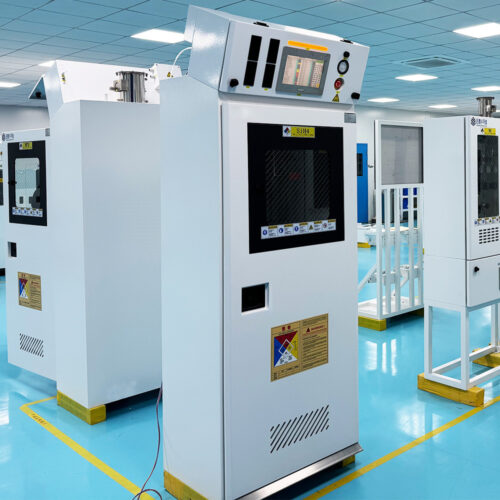
Integrated Scrubber Tail Gas Treatment Cabinet for Safe Bulk Specialty Gas System Exhaust Management
-
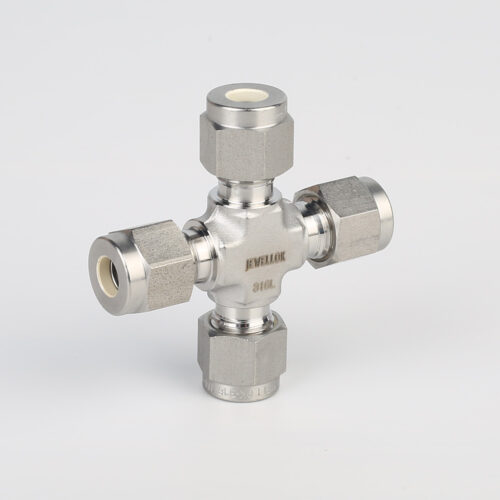
7102L Stainless Steel 316L SS Union Cross Ultra High Purity Long Arm Union Elbow Tee Cross Butt Weld Fittings
-
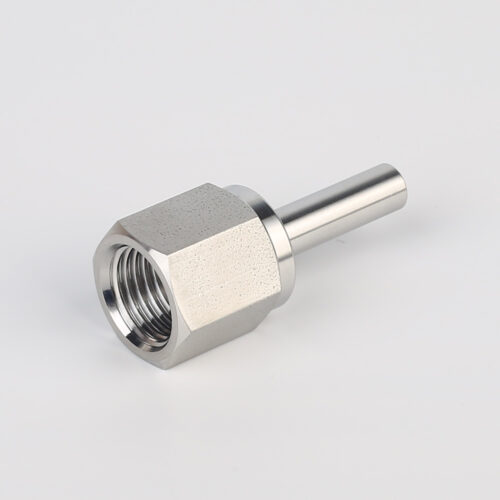
739LF High Purity Female Adapter Tube To Pipe Fittings And Connectors
-
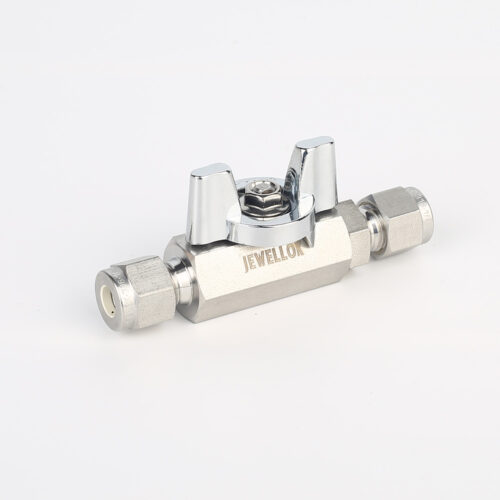
Stainless Steel High-Purity High Temperature Metal Seated Ball Valves JBV3 Series
-
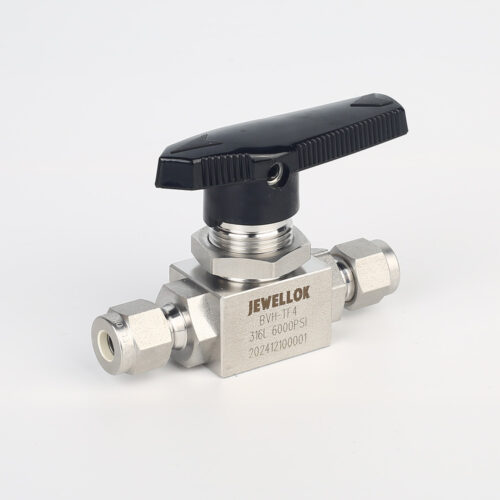
High Purity High Pressure 316 Stainless Steel Ball Valves JBV1 Series From High Pressure Ball Valve Manufacturer And Supplier In China
-
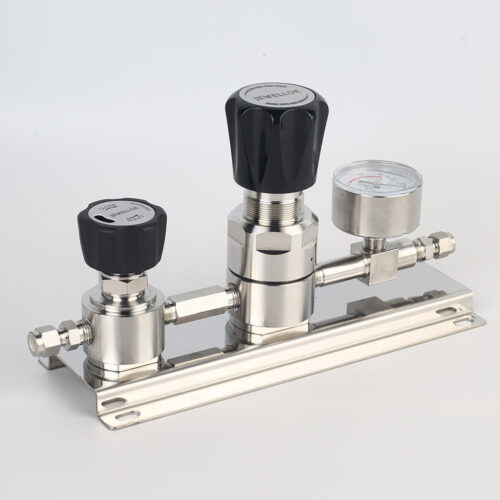
High Purity High Flow Pressure Control Regulators & Valves Gas Stick Assemblies JSR-2TG Series
-
High-Efficiency Exhaust Gas Scrubber System for Semiconductor and Photovoltaic Hazardous Gas Abatement Solutions
-
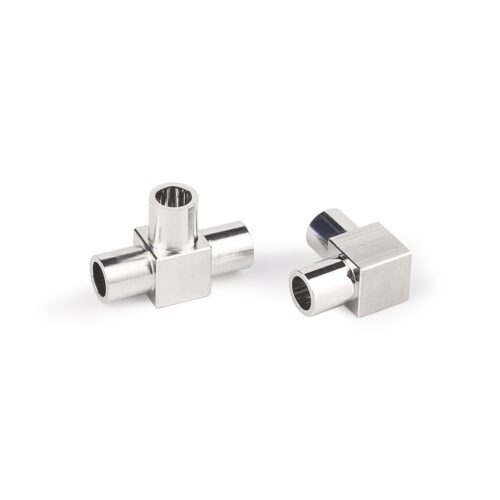
Stainless Steel Mini Elbow Mini Tee Mini Cross Mini Tribow Ultrahigh Purity Mini Butt Weld Fittings