
Regulator Manufacturer Tel: +86 13380377051
Regulator Manufacturer Tel: +86 13380377051
The Role of 316L Stainless Steel Pressure Regulators in Oil and Gas Operations
In the demanding world of oil and gas extraction, processing, and distribution, maintaining precise control over fluid pressures is critical for operational efficiency, safety, and equipment longevity. Pressure regulators serve as essential components in these systems, ensuring that high-pressure gases or liquids are reduced to manageable levels for downstream applications. Among the various materials used in manufacturing these devices, 316L stainless steel stands out for its exceptional properties, making it a preferred choice for harsh environments encountered in the oil and gas industry.
A pressure regulator is a valve that automatically cuts off the flow of a liquid or gas at a certain pressure, allowing for consistent output regardless of fluctuations in input pressure. In oil and gas contexts, these regulators handle everything from natural gas pipelines to offshore drilling platforms, where exposure to corrosive substances, extreme temperatures, and high pressures is commonplace. The keyword “316L stainless steel oil and gas pressure regulator” encapsulates a specialized subset of these devices, designed to withstand the rigors of petrochemical applications while providing reliable performance.
This article delves into the technical aspects of 316L stainless steel pressure regulators, exploring their material composition, design principles, applications in oil and gas, advantages, maintenance requirements, and future trends. By understanding these elements, engineers and operators can better appreciate how these regulators contribute to safer and more efficient operations.
Properties of 316L Stainless Steel
316L stainless steel is an austenitic grade of stainless steel, alloyed primarily with chromium (16-18%), nickel (10-14%), and molybdenum (2-3%), with a low carbon content (typically less than 0.03%). The “L” designation indicates the low-carbon variant, which enhances weldability and reduces the risk of carbide precipitation during welding, thereby minimizing intergranular corrosion.
One of the primary reasons 316L is favored in oil and gas pressure regulators is its superior corrosion resistance. The addition of molybdenum provides excellent protection against pitting and crevice corrosion, which are common in environments exposed to chlorides, sulfides, and other aggressive chemicals found in crude oil, natural gas, and seawater. For instance, in offshore platforms, regulators must endure saltwater exposure, and 316L’s resistance to chloride-induced stress corrosion cracking makes it ideal.
Mechanically, 316L offers a tensile strength of approximately 485 MPa and a yield strength of 170 MPa, allowing it to handle high-pressure applications up to 6000 psi or more in some designs. It maintains its integrity across a wide temperature range, from cryogenic levels (-196°C) to elevated temperatures (up to 870°C), which is crucial for oil and gas processes involving liquefied natural gas (LNG) or high-temperature refining.
Furthermore, 316L is non-magnetic in its annealed state and exhibits good ductility, facilitating the fabrication of complex regulator components like diaphragms, bodies, and bonnets. Its hygienic properties also make it suitable for applications requiring high purity, such as in gas sampling systems or where contamination could compromise product quality.
In comparison to other materials like carbon steel or brass, 316L’s enhanced durability reduces the need for frequent replacements, lowering long-term costs in corrosive settings. This material’s compliance with standards such as ASTM A276 and NACE MR0175 ensures it meets the stringent requirements of the oil and gas sector.
Design and Functionality of 316L Stainless Steel Pressure Regulators
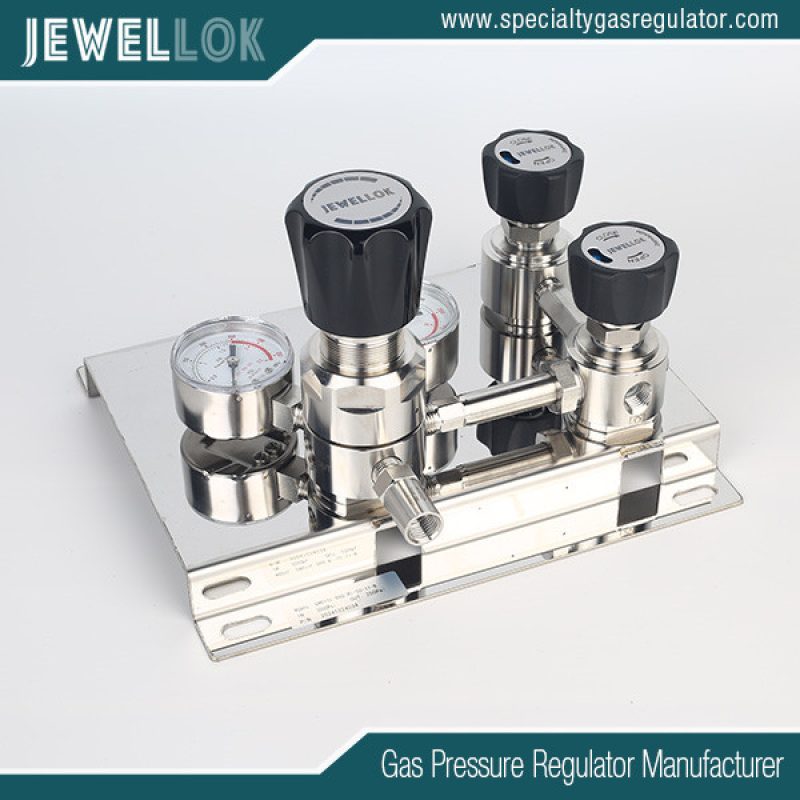
Pressure regulators made from 316L stainless steel come in various configurations, including single-stage and dual-stage designs, each tailored to specific operational needs.
A single-stage regulator reduces inlet pressure to a desired outlet pressure in one step. It typically consists of a body, diaphragm, spring, and valve seat. The diaphragm, often made from 316L or reinforced elastomers, senses the outlet pressure and adjusts the valve opening accordingly. For oil and gas applications, these regulators handle inlet pressures from 10 to 4500 psi, delivering stable outlet pressures as low as 0-1.6 MPa. Features like non-relieving or relieving vents prevent over-pressurization, and large flow capacities (Cv values up to 2) accommodate high-volume gas streams.
Dual-stage regulators provide even greater precision by using two reduction stages. The first stage drops the high inlet pressure to an intermediate level, while the second stage fine-tunes it to the final outlet. This design minimizes supply pressure effects, ensuring consistent output even with varying inlet conditions. In 316L constructions, these are often used for high-purity gases like hydrogen or oxygen in petrochemical plants, where fluctuations could lead to safety hazards.
Key components include:
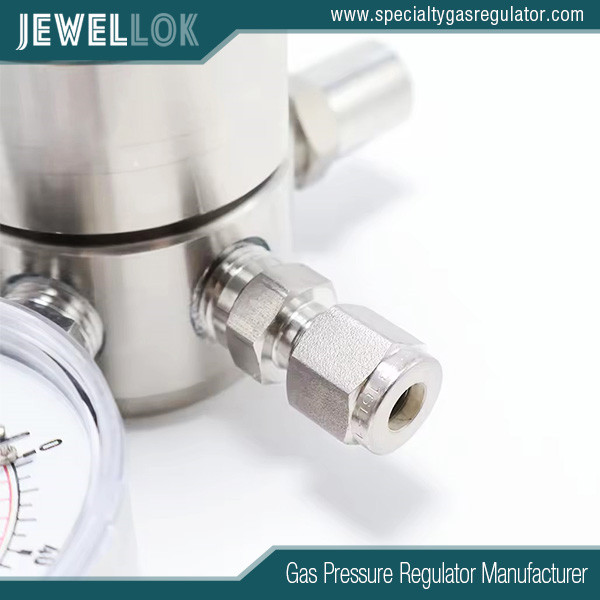
– Body and Bonnet: Machined from 316L bar stock for maximum strength and corrosion resistance.
– Diaphragm: Tied or convolution types, ensuring leak-tight performance.
– Seats and Seals: Materials like Viton or PTFE for compatibility with hydrocarbons.
– Gauges: Dual pressure gauges for inlet and outlet monitoring.
Advanced models incorporate features like hydrogen cleaning for explosive gas handling or pneumatic actuation for remote control. For example, in a typical setup, a 1/2″ NPT threaded regulator might handle flows for natural gas distribution, with adjustable ranges from 10-300 psi.
Functionally, the regulator operates on the principle of force balance. The spring force opposes the diaphragm force created by outlet pressure. When outlet pressure drops, the diaphragm moves to open the valve, increasing flow until equilibrium is restored. This self-regulating mechanism ensures stability, with droop (pressure drop under load) typically less than 5% in high-quality 316L units.
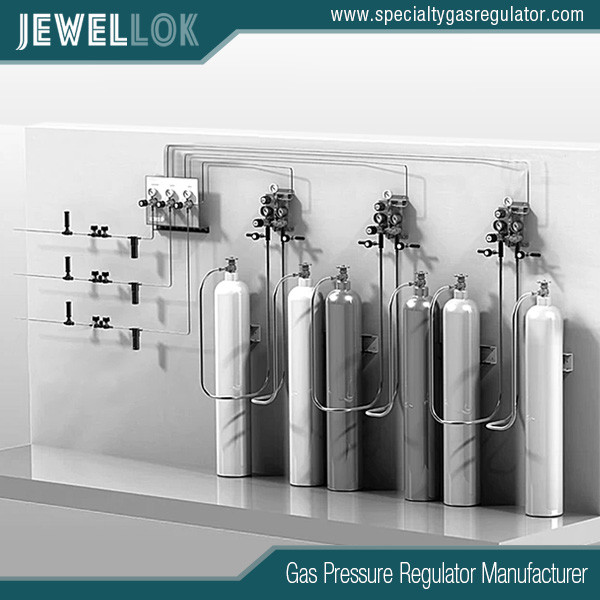
In oil and gas, these regulators often integrate with manifolds or sampling cylinders, ensuring safe pressure reduction for analysis or transport.
Applications in the Oil and Gas Industry
316L stainless steel pressure regulators find extensive use across the oil and gas value chain, from upstream exploration to downstream refining.
In upstream operations, such as offshore drilling rigs, these regulators control the pressure of drilling fluids, hydraulic systems, and blowout preventers. Their corrosion resistance is vital in subsea environments, where exposure to seawater and hydrogen sulfide (H2S) from sour gas wells could degrade lesser materials. For instance, in wellhead pressure control, a 316L regulator might reduce 5000 psi inlet to 500 psi for instrumentation.
Midstream applications include pipeline transportation and storage. Natural gas regulators ensure safe delivery pressures for compressor stations or LNG terminals. In cryogenic storage, 316L’s low-temperature toughness prevents brittleness, maintaining reliability during gas liquefaction processes.
Downstream, in refineries and petrochemical plants, these devices regulate pressures for catalytic cracking, hydrotreating, and gas separation units. They handle corrosive media like chlorine or ammonia, where 316L’s molybdenum content prevents pitting. High-flow models support large-scale operations, such as fuel gas supply to turbines.
Specialized uses include gas sampling systems, where double-ended 316L cylinders paired with regulators collect hydrocarbon samples under TPED compliance. In enhanced oil recovery (EOR), regulators control CO2 injection pressures, optimizing reservoir yields.
Overall, these regulators enhance safety by preventing over-pressurization, which could lead to leaks or explosions in flammable environments.
Advantages of 316L Stainless Steel in Pressure Regulators
The selection of 316L stainless steel offers several technical and economic benefits over alternatives like 304 stainless steel or aluminum.
Primarily, its corrosion resistance extends service life in aggressive media, reducing downtime and maintenance costs. In sour service (high H2S), 316L meets NACE standards, avoiding sulfide stress cracking.
Mechanically, the material’s strength supports high-pressure ratings, with some regulators handling up to 6000 psi inlet. This capability is essential for deep-water oil extraction or high-pressure gas injection.
Hygienic and cleanable surfaces make 316L suitable for high-purity applications, minimizing contamination risks in gas chromatography or medical oxygen systems tangential to oil and gas.
Compared to brass, 316L avoids dezincification in chloride-rich environments, and unlike carbon steel, it doesn’t require protective coatings that can fail over time.
Economically, while initial costs are higher, the total ownership cost is lower due to durability. In explosive atmospheres, 316L’s non-sparking nature enhances safety compliance with ATEX directives.
Maintenance and Safety Considerations
Proper maintenance ensures the longevity and reliability of 316L stainless steel pressure regulators.
Routine inspections involve checking for leaks, diaphragm integrity, and gauge accuracy. In oil and gas settings, annual pressure testing to ASME standards is recommended. Cleaning with compatible solvents removes hydrocarbon residues, while avoiding abrasive methods preserves the passive oxide layer.
Safety protocols include installing regulators in well-ventilated areas, using explosion-proof enclosures, and incorporating relief valves. Operators should monitor for signs of corrosion, though 316L’s resistance minimizes this.
In case of failure, symptoms like erratic pressure or venting indicate diaphragm wear, necessitating replacement with OEM parts.
Training personnel on proper installation—such as ensuring correct orientation and torque—prevents common issues like vibration-induced loosening.
Conclusion
316L stainless steel oil and gas pressure regulators represent a pinnacle of engineering for corrosive and high-pressure environments. Their robust design, material excellence, and versatile applications make them indispensable in modern oil and gas operations. As the industry evolves toward sustainability and digital integration, these regulators will continue to play a key role, potentially incorporating smart sensors for real-time monitoring. By prioritizing such technology, operators can achieve enhanced efficiency, safety, and environmental compliance.
For more about 316L stainless steel oil and gas pressure regulator, you can pay a visit to Jewellok at https://www.specialtygasregulator.com/petroleum-petrochemical/ for more info.
-
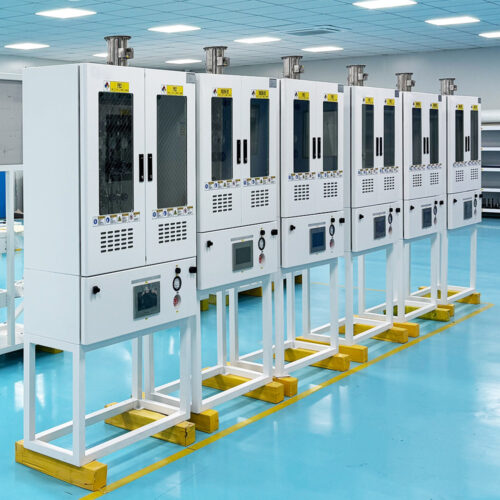
Integrated Gas Cabinets and Exhaust Gas Scrubber System for Ammonia and Hydrogen Chloride Industrial Emission Control
-
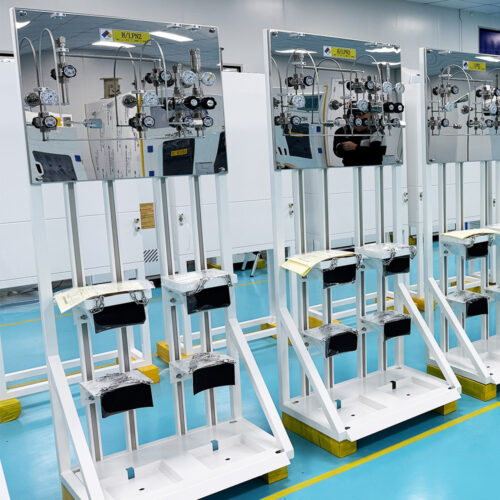
Manual Gas Rack High Purity Gas Delivery Systems JW-100-GR
-
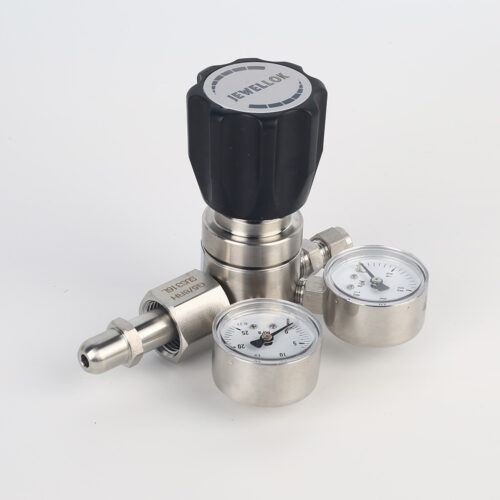
High Purity High Pressure Gas Cylinder Pressure Regulators Pressure Reducing Valve JSR-1E Series
-
Integrated Gas Delivery Solutions with VMB Valve Manifold Box and Automatic Gas Switchover Systems for Industrial
-
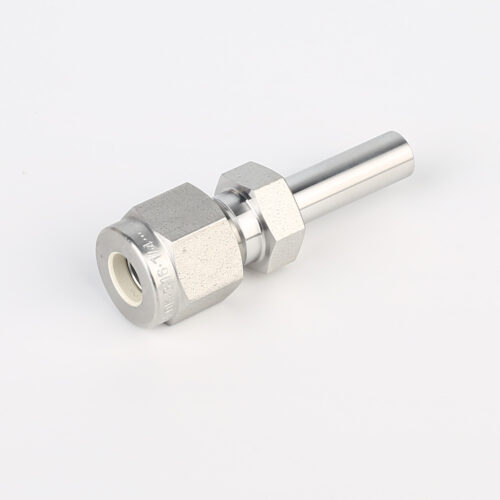
767LT Reducer Pressure Reducing Valve Adjustment High purity Pressure Reducing Union Fittings And Tubing
-
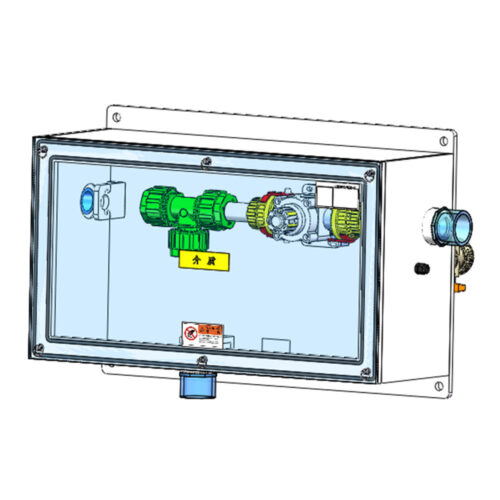
FT-BOX JW-FTB-C Valve Manifold Panels And Boxes With High Purity Configurable Systems
-
Custom Wet and Dry Exhaust Gas Scrubber System Technology for Effective Acid Gas Neutralization
-
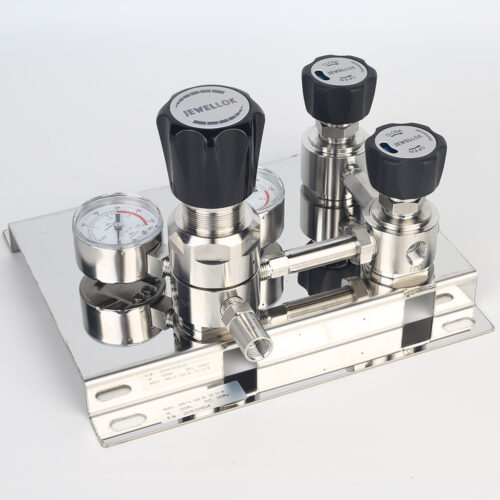
Stainless Steel 316L Single Stage Regulator Pressure Control Panels JSP-1E Series For Semiconductor Fluid Control