
Regulator Manufacturer Tel: +86 13380377051
Regulator Manufacturer Tel: +86 13380377051
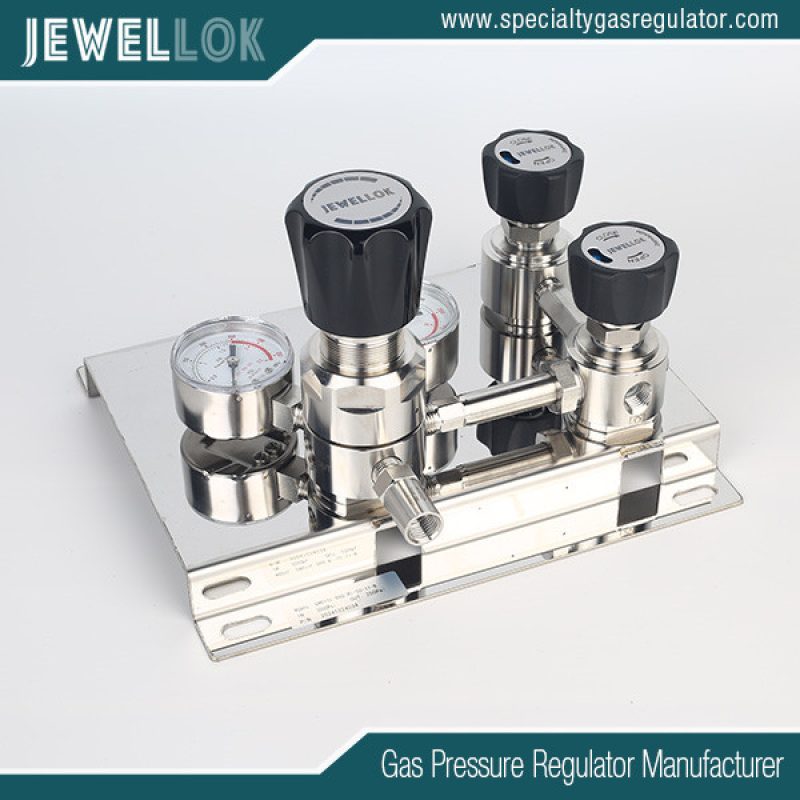
Engineering Precision and Purity in UHP 316L Stainless Steel Gas Pressure Regulators
In the realm of advanced manufacturing—ranging from semiconductor fabrication to aerospace engineering—the integrity of the gas delivery system is paramount. The Ultra-High Purity (UHP) gas delivery system is only as reliable as its weakest link, which is often the pressure regulator. Among the various materials and designs available, UHP 316L stainless steel gas pressure regulators stand as the industry standard for maintaining gas purity, ensuring safety, and providing long-term reliability in aggressive environments.
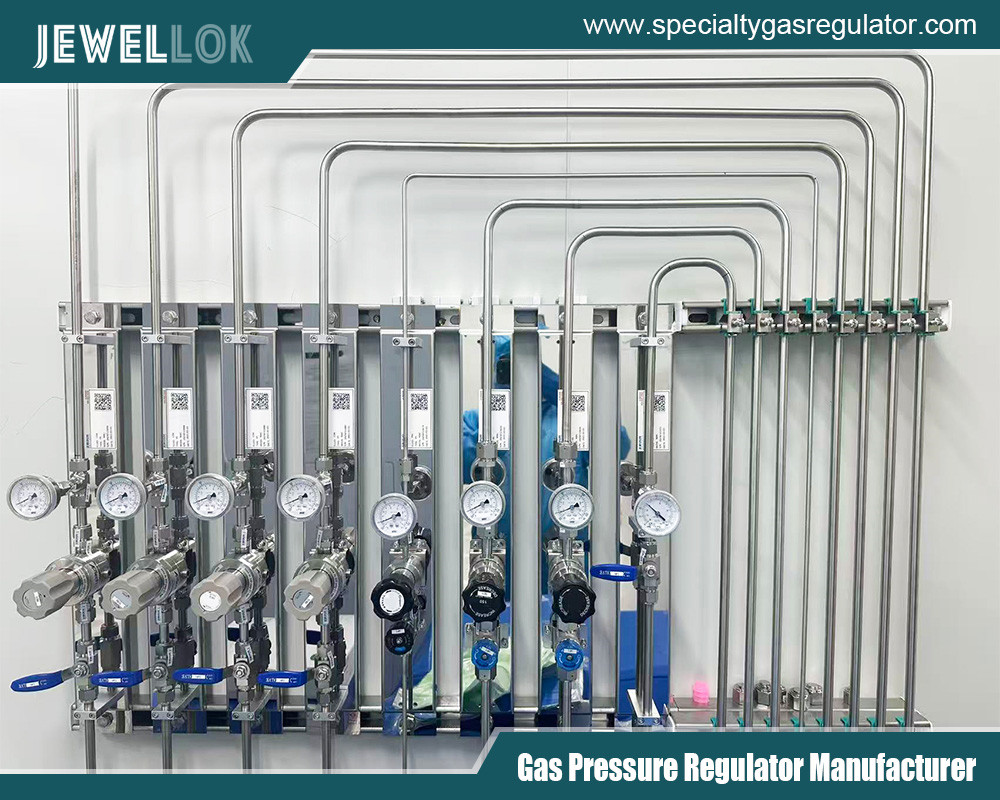
1. Material Science: Why 316L Stainless Steel?
The selection of 316L stainless steel (SS) as the substrate for UHP regulators is driven by its specific chemical composition and mechanical properties.
- Low Carbon Content: The “L” in 316L stands for “low carbon” (typically <0.03% is less than 0.03 % <0.03%). This is critical for preventing carbide precipitation during welding, which can lead to intergranular corrosion.
- Molybdenum Addition: The inclusion of Molybdenum (2-3%) provides significantly higher resistance to pitting and crevice corrosion in chloride-rich or acidic environments compared to standard 304 stainless steel.
-
- Electropolishing Compatibility: 316L is highly responsive to electropolishing. This process removes surface imperfections and creates a chromium-rich oxide layer, which is essential for UHP applications to minimize gas adsorption and desorption.
2. Design Architecture of UHP Regulators
A UHP 316L regulator is not merely a standard regulator made of better steel; it is a precision instrument designed to eliminate contamination sources.
A. Diaphragm Sensing Element
Unlike standard regulators that may use pistons or O-rings, UHP regulators almost exclusively utilize a metallic diaphragm (often made of Hastelloy® C-22 or 316L). This design ensures a “tied” or “frictionless” movement, preventing the generation of metallic particles and eliminating the need for lubricants that could outgas into the process stream.
B. Surface Finish and Ra Values
The internal surface roughness, measured as 𝑅𝑎 (Roughness Average), is a primary metric for UHP performance. Standard industrial regulators might have an 𝑅𝑎 of 32𝜇𝑖𝑛, whereas UHP 316L regulators are typically electropolished to achieve:
-
- Standard UHP:
𝑅𝑎≤10𝜇𝑖𝑛 (0.25 𝜇𝑚)
- High-End UHP:
𝑅𝑎≤5𝜇𝑖𝑛 (0.13 𝜇𝑚)
- Standard UHP:
 𝑅𝑎≤10𝜇𝑖𝑛 (0.25 𝜇𝑚)
C. Dead Space Minimization
“Dead space” refers to pockets within the regulator where gas can become stagnant. In UHP systems, stagnant gas can lead to moisture retention and cross-contamination. Engineers design UHP regulators with high-flow, swept-path geometries to ensure that every molecule of gas is purged during system cycling.
3. Functional Dynamics: Single-Stage vs. Two-Stage
Understanding the pressure control requirements is essential for selecting the correct UHP 316L regulator configuration.
- Single-Stage Regulators: These are ideal when the inlet pressure is relatively constant or when precise “droop” control is less critical. They are simpler, more compact, and often used in point-of-use (POU) applications.
-
- Two-Stage Regulators: These minimize the “Supply Pressure Effect” (SPE). As a gas cylinder empties and inlet pressure drops, a single-stage regulator’s delivery pressure will naturally rise. A two-stage regulator corrects this across two internal valves, providing a constant output—critical for sensitive analytical instruments.
4. Critical Applications
Semiconductor Fabrication
In the production of microchips, gases such as Silane, Phosphine, and Chlorine are used. Even part-per-billion (ppb) levels of moisture or metallic impurities can ruin a wafer. UHP 316L regulators provide the chemical resistance and cleanliness required to transport these “electronic specialty gases” (ESG) without degradation.
Hydrogen Energy and Fuel Cells
Hydrogen embrittlement is a major concern for many metals. 316L stainless steel, due to its austenitic structure, provides excellent resistance to hydrogen-induced cracking, making these regulators a staple in high-pressure hydrogen infrastructure.
Pharmaceutical and Biotechnology
Clean-in-place (CIP) and Steam-in-place (SIP) protocols require hardware that can withstand thermal cycling and corrosive cleaning agents. The corrosion resistance of 316L ensures that the regulator does not become a source of microbial growth or chemical leaching.
5. Installation and Maintenance Best Practices
To maintain the “UHP” status of a 316L regulator, strict protocols must be followed:
-
- Cleanroom Assembly: Regulators should be assembled, tested, and double-bagged in a Class 100 (ISO 5) cleanroom environment.
- Orbitally Welded Connections: For the highest purity, face-seal fittings are preferred over NPT threads, as threads can trap contaminants and require PTFE tape which outgasses.
- Helium Leak Testing: Every unit must undergo rigorous helium leak testing, typically aiming for rates of less than 1×10⁻⁹𝑎𝑡𝑚⋅𝑐𝑐/𝑠𝑒𝑐
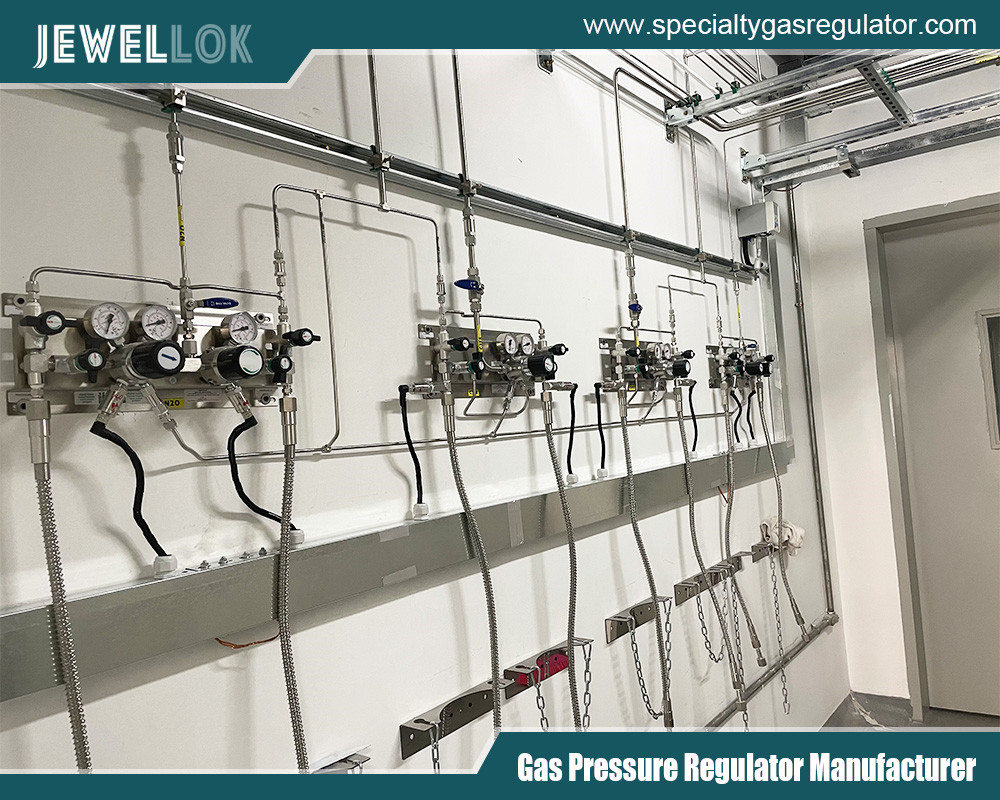
Conclusion
UHP 316L stainless steel gas pressure regulators represent the pinnacle of fluid handling technology. By combining superior metallurgy with meticulous internal finishing and leak-tight design, they enable the world’s most sensitive manufacturing processes. For any engineer or facility manager, investing in high-quality 316L UHP components is not just a safety choice—it is a commitment to the purity and performance of the final product.
For more about uhp 316l stainless steel gas pressure regulators, you can pay a visit to Jewellok at https://www.specialtygasregulator.com/how-does-a-uhp-316l-stainless-steel-gas-pressure-regulator-work/ for more info.
-
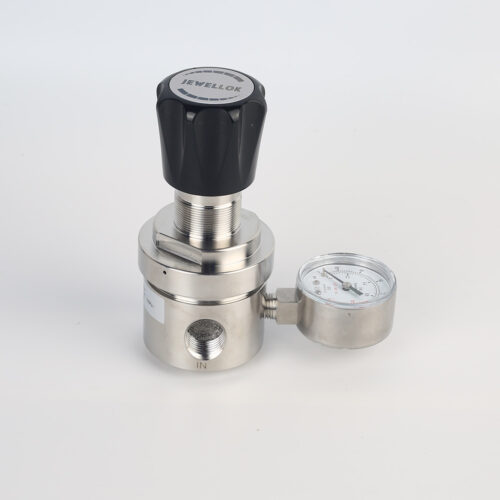
Line And Panel Mounting Adjustable Low Pressure Propane And Nitrogen Pressure Regulator JSR-3L & JSR-3LP Series
-
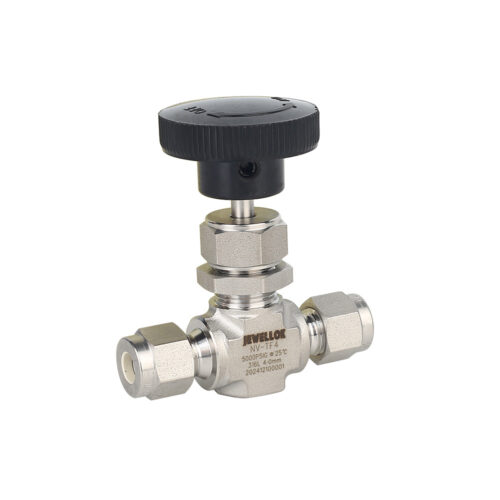
High Purity High Pressure Stainless Steel Needle Valve Natural Gas Flow Control Valve JNV Series
-
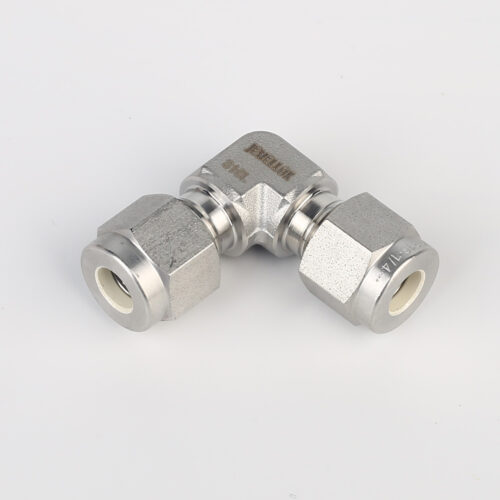
765L Stainless Steel Union Elbow Reducing High Purity Fitting Tubing Extension Tubing Connection
-
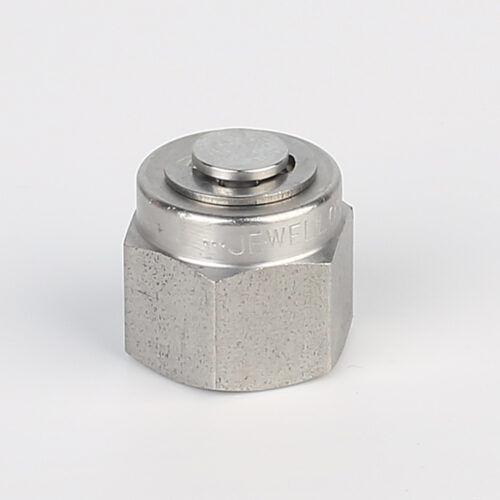
7121L Plug High Purity Plug Fitting And Blanking Plug
-
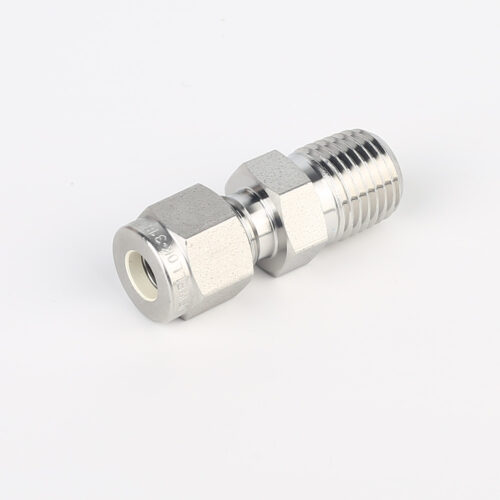
768L Stainless Steel Male Tube Butt Weld Connector | Clean Weld Fittings And Ultra-High Purity Fittings
-
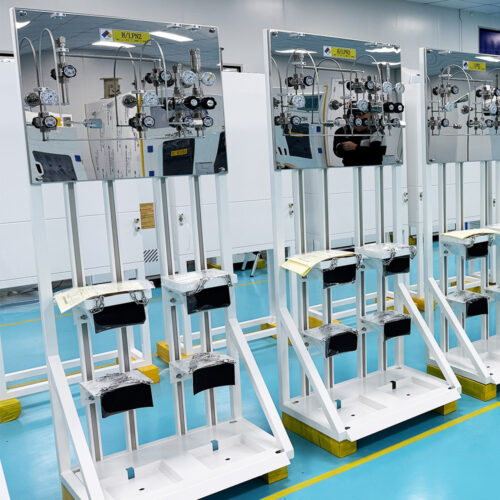
Semi Automatic Gas Cabinet Systems for Handling Toxic and Flammable Process Specialty Gases in High Tech
-
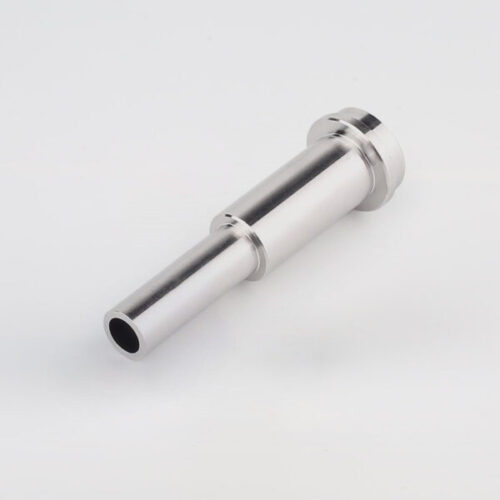
Long Gland LG Series For Ultra High Purity Gas And Chemical Delivery Systems
-
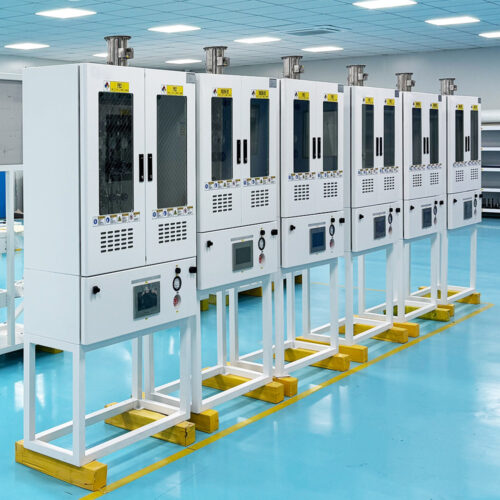
High Purity VMB Valve Manifold Box for Semiconductor Gas Distribution and Specialty Chemical Delivery Systems