
Regulator Manufacturer Tel: +86 13380377051
Regulator Manufacturer Tel: +86 13380377051
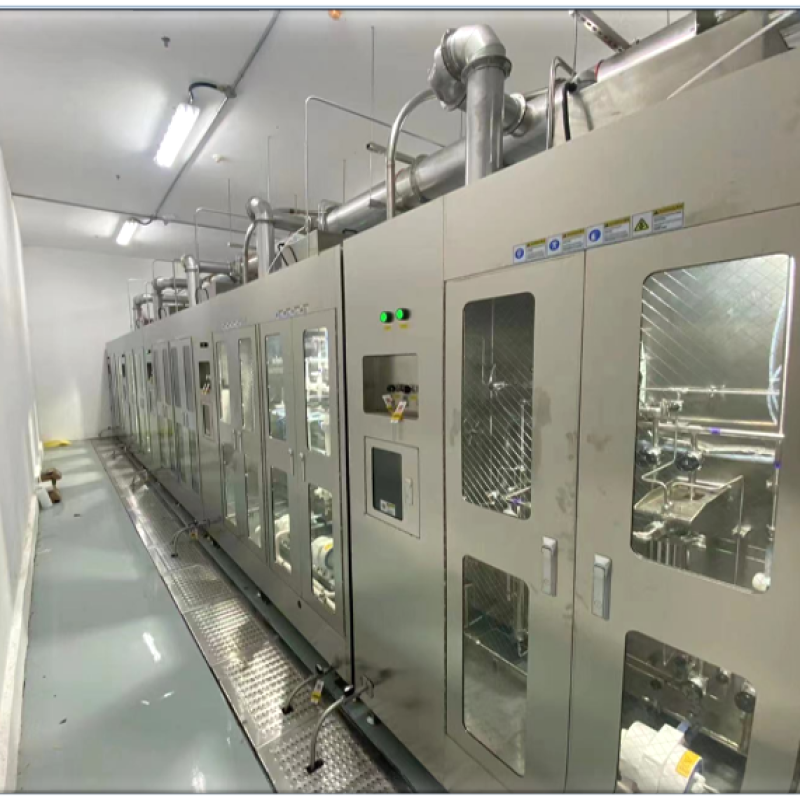
High-Purity Chemical Delivery Using CDU Systems: A Complete Beginner’s Guide
In advanced manufacturing industries such as semiconductors, photovoltaics, pharmaceuticals, and specialty chemicals, the delivery of high-purity chemicals is a critical process that directly impacts product quality, yield, and operational safety. Even trace levels of contamination can lead to device failure, reduced efficiency, or costly production downtime. To address these challenges, High-Purity Chemical Delivery Unit (CDU) systems have become essential components in modern production environments.
CDU systems are engineered to store, control, and distribute ultra-high-purity (UHP) chemicals with precision and reliability. By integrating advanced materials, contamination control strategies, and automation technologies, these systems ensure that chemicals are delivered under strictly controlled conditions. This article provides a comprehensive technical overview of CDU systems, including their design principles, components, operational mechanisms, and applications in high-purity environments.
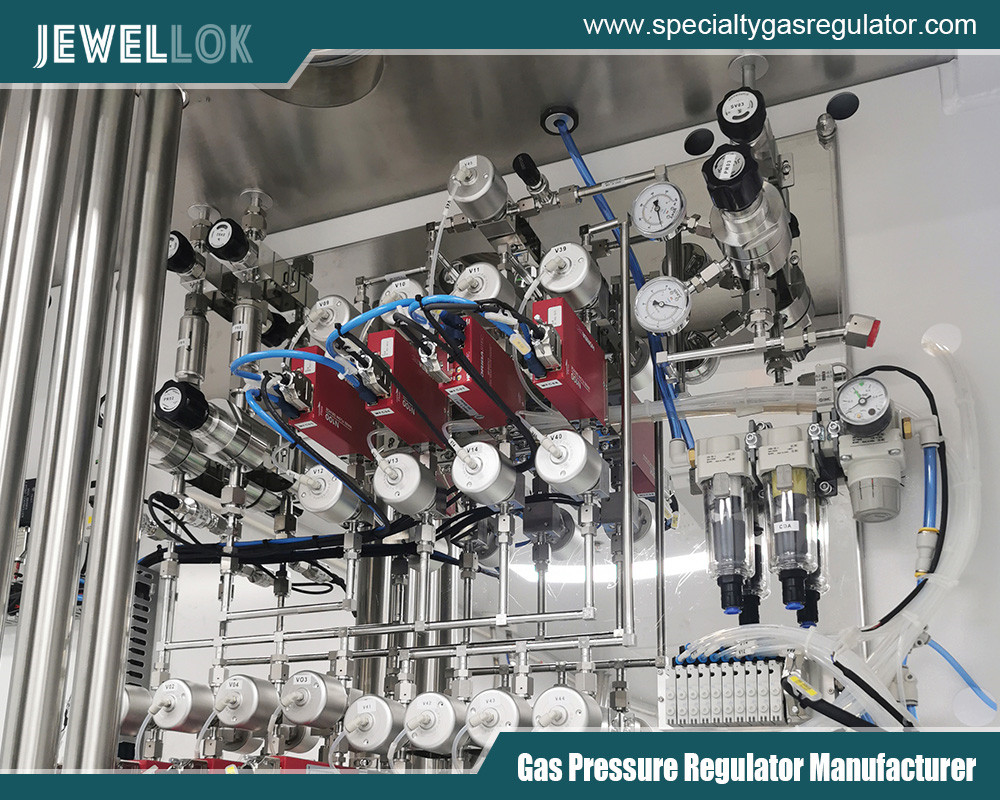
Fundamentals of High-Purity Chemical Delivery
High-purity chemical delivery using systems refers to the controlled transfer of chemicals with minimal contamination from storage to the point of use (POU). The purity requirements in industries like semiconductor fabrication can reach parts-per-billion (ppb) or even parts-per-trillion (ppt) levels. Maintaining such stringent standards requires careful consideration of multiple factors:
- Material compatibility: Preventing chemical reactions or leaching from system components
- Particle control: Avoiding particulate contamination during transport
- Moisture and oxygen exclusion: Particularly critical for reactive chemicals
- Flow stability: Ensuring consistent delivery rates
- System cleanliness: Maintaining ultra-clean internal surfaces
CDU systems are designed to address these requirements through a combination of specialized materials, precise engineering, and controlled environments.
Overview of CDU Systems
A Chemical Delivery Unit (CDU) is an integrated system that manages the storage, conditioning, and distribution of chemicals from bulk containers to process tools. CDU systems are commonly used for acids, bases, solvents, and specialty chemicals in high-tech manufacturing.
Key Functions
- Safe chemical storage
- Pressure and flow regulation
- Filtration and purification
- Monitoring and control
- Distribution to multiple process points
CDUs can be configured for single-chemical or multi-chemical delivery, depending on the application. They are often housed in cleanroom-compatible enclosures and designed to meet industry standards such as SEMI (Semiconductor Equipment and Materials International) guidelines.
Core Components of CDU Systems
1. Chemical Storage Modules
The storage module typically consists of high-purity containers such as:
- Fluoropolymer (e.g., PFA, PTFE) tanks
- Stainless steel vessels (electropolished for UHP applications)
These materials are selected for their chemical resistance and low extractable levels. Storage tanks may include level sensors, pressure relief devices, and inert gas blanketing systems to maintain chemical stability.
2. Fluid Transfer and Piping Systems
The piping network is responsible for transporting chemicals from the storage tank to the point of use. Key considerations include:
- Material selection: PFA tubing is widely used due to its inertness and smooth surface
- Orbital welding: Ensures leak-free stainless steel connections
- Dead-leg minimization: Prevents stagnation and contamination
Proper design of the fluid path is crucial to maintaining chemical purity and avoiding particle generation.
3. Filtration Systems
Filtration is a critical step in removing particles and impurities. CDU systems typically incorporate:
- Point-of-entry (POE) filters
- Point-of-use (POU) filters
Filters are often rated at sub-micron levels (e.g., 0.05 µm or finer) and made from chemically compatible materials. Multi-stage filtration may be used for ultra-critical applications.
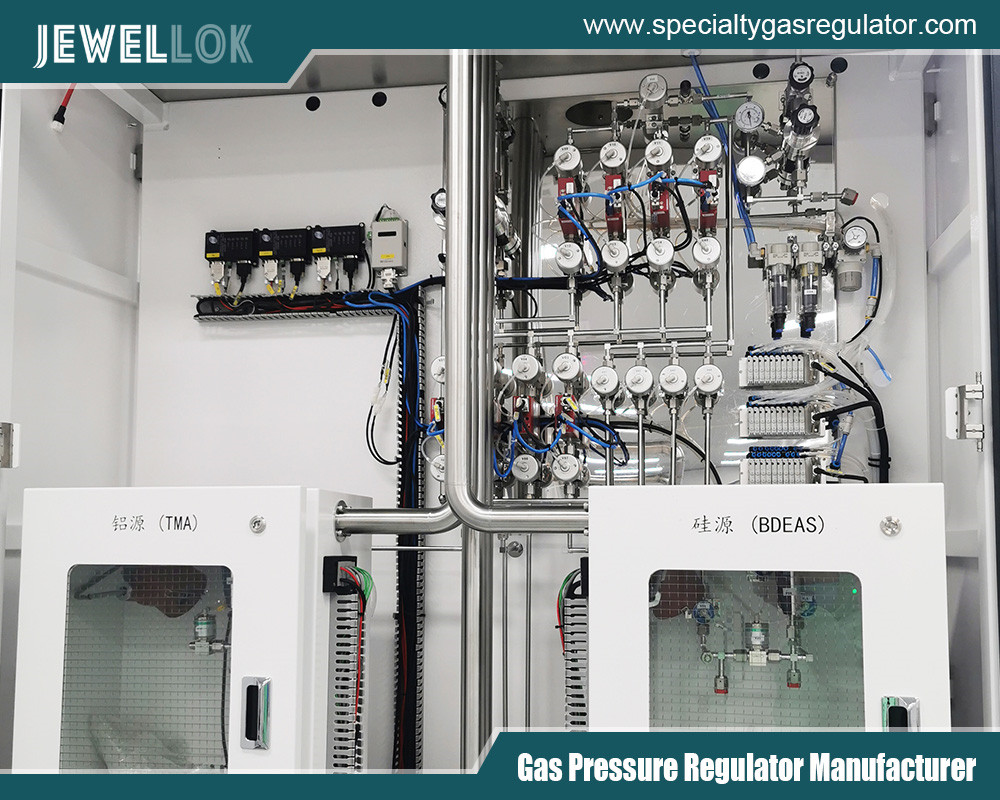
4. Pressure and Flow Control Units
Precise control of pressure and flow is essential for consistent chemical delivery. CDU systems use:
- Mass flow controllers (MFCs)
- Pressure regulators
- Diaphragm valves
These components ensure stable delivery conditions and prevent fluctuations that could impact process performance.
5. Monitoring and Control Systems
Modern CDU systems are equipped with advanced monitoring technologies, including:
- Pressure sensors
- Flow meters
- Temperature sensors
- Leak detection systems
These sensors are integrated into a central control unit, often managed by a programmable logic controller (PLC). Real-time data monitoring enables rapid response to anomalies and enhances system reliability.
6. Purge and Inert Gas Systems
To prevent contamination from moisture or oxygen, CDU systems often include inert gas (e.g., nitrogen or argon) purging capabilities. These systems are used to:
- Purge lines before and after chemical transfer
- Maintain positive pressure in storage tanks
- Prevent backflow contamination
Design Considerations for High-Purity CDU Systems
Material Compatibility
Selecting the right materials is fundamental. For example:
- PFA/PTFE: Ideal for strong acids and ultra-pure applications
- 316L stainless steel: Suitable for solvents and less aggressive chemicals
Electropolishing and passivation processes are often applied to stainless steel components to reduce surface roughness and contamination risk.
Cleanroom Integration
CDU systems are typically installed in cleanroom environments. Therefore, they must be designed to:
- Minimize particle generation
- Be easy to clean and maintain
- Comply with cleanroom classifications (e.g., ISO Class 5 or better)
Enclosures may include laminar flow designs to maintain cleanliness.
Redundancy and Reliability
To ensure continuous operation, CDU systems often incorporate redundancy:
- Dual pumps or parallel lines
- Backup power supplies
- Redundant sensors
This design approach minimizes downtime and enhances system robustness.
Safety Features
Handling high-purity chemicals also involves safety risks. CDU systems include:
- Leak detection and containment
- Emergency shutoff valves
- Ventilation and exhaust systems
- Compliance with safety standards (e.g., NFPA, SEMI S2)
Operational Principles
The operation of a CDU system typically follows these steps:
- Chemical Loading
Chemicals are introduced into the storage tank under controlled conditions, often using closed transfer systems to prevent contamination. - Conditioning and Stabilization
The chemical may be filtered and equilibrated to the desired temperature and pressure. - Distribution
The CDU delivers the chemical through the piping network to one or more process tools. - Monitoring and Feedback
Sensors continuously monitor system parameters, and the control system adjusts conditions as needed. - Purge and Shutdown
After delivery, lines may be purged with inert gas to remove residual chemicals and prevent contamination.
Applications in High-Tech Industries
Semiconductor Manufacturing
In semiconductor fabs, CDU systems are used to deliver chemicals such as:
- Hydrofluoric acid (HF)
- Sulfuric acid (H₂SO₄)
- Ammonium hydroxide (NH₄OH)
- Photoresists and developers
These chemicals are essential for processes like wafer cleaning, etching, and lithography. CDU systems ensure that they are delivered with ultra-high purity and precise control.
Pharmaceutical Industry
In pharmaceutical production, CDU systems handle:
- Active pharmaceutical ingredients (APIs)
- Solvents and reagents
Maintaining purity is critical to meeting regulatory requirements such as Good Manufacturing Practice (GMP).
Photovoltaic and Display Manufacturing
CDU systems are also used in:
- Solar cell production (e.g., wafer cleaning and texturing)
- Flat panel display fabrication
These applications require consistent chemical delivery to ensure uniform product quality.
Advantages of CDU Systems
- Enhanced purity control: Minimizes contamination risks
- Improved process consistency: Stable flow and pressure conditions
- Increased safety: Automated handling reduces human exposure
- Scalability: Suitable for both small-scale and large-scale production
- Automation integration: Enables smart manufacturing and Industry 4.0 compatibility
Challenges and Future Trends
Challenges
- High initial investment
- Complex system integration
- Maintenance requirements in ultra-clean environments
Future Trends
- Smart CDU systems with AI-driven predictive maintenance
- Advanced materials with even lower extractables
- Miniaturization for localized delivery systems
- Sustainability improvements, including chemical recycling and reduced waste
Conclusion
High-purity chemical delivery is a cornerstone of modern advanced manufacturing, where even the smallest impurity can have significant consequences. CDU systems provide a robust and reliable solution for managing the storage, control, and distribution of ultra-high-purity chemicals. Through careful design, material selection, and integration of advanced control technologies, these systems ensure that chemicals are delivered safely and consistently to meet the stringent demands of high-tech industries.
As manufacturing processes continue to evolve toward greater precision and complexity, CDU systems will play an increasingly important role. Innovations in automation, materials science, and system design will further enhance their capabilities, supporting the next generation of high-performance products across multiple industries.
For more about the high-purity chemical delivery using CDU systems :A Complete Beginner’s Guide, you can pay a vis it to Jewellok at https://www.specialtygasregulator.com/product-category/specialty-gas-pressure-regulators/ for more info.
-
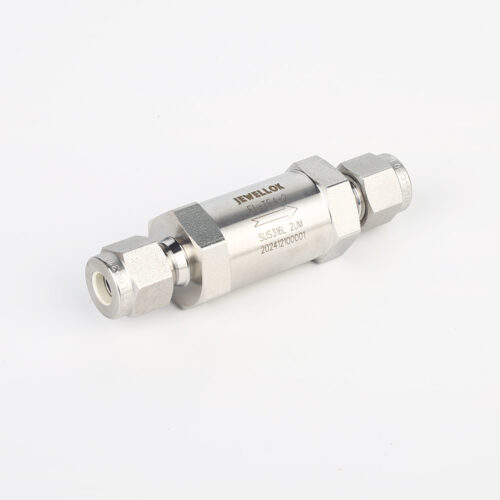
JF Series In-Line Gas Filters | High Purity High Precision High Flow Semiconductor Gas Filter Gas Filtration & Purification
-
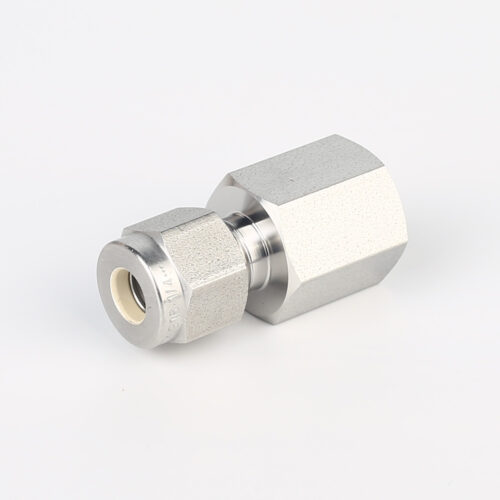
766L High Purity Female Connector UHP Fitting Female Connector
-
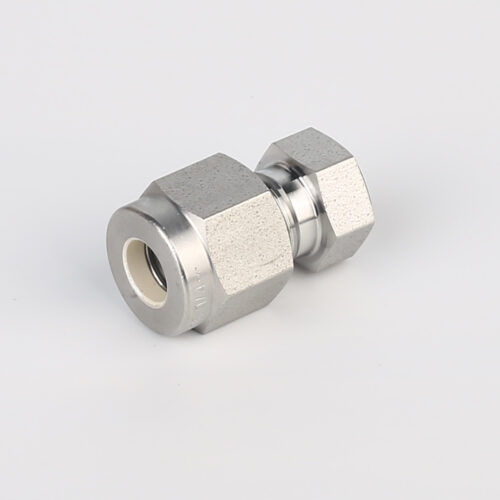
7108L Cylinder Cap Connectors For Ultra High Purity Gases
-
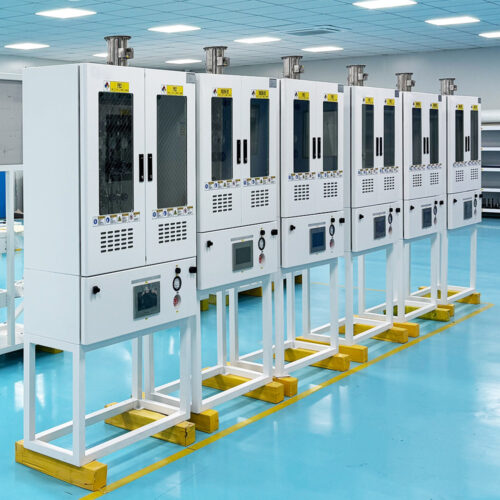
Automated Valve Manifold Box with Leak Detection for Toxic and Flammable Semiconductor Process Gases
-
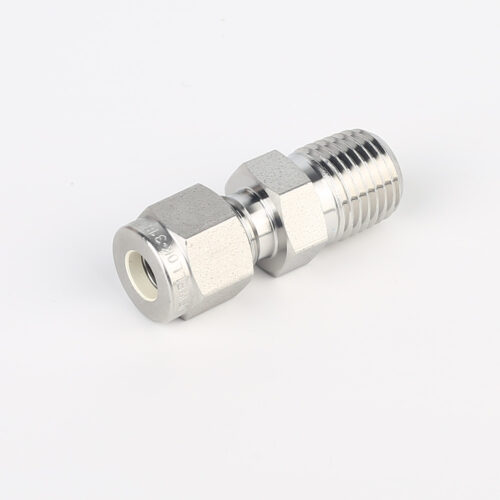
768L Stainless Steel Male Tube Butt Weld Connector | Clean Weld Fittings And Ultra-High Purity Fittings
-
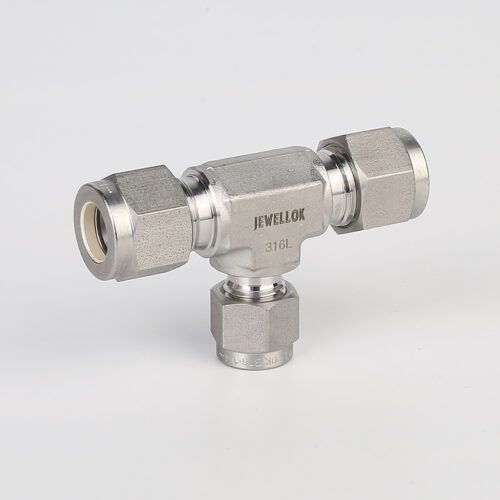
764LR Stainless Steel 316 Reducing Tee UHP Fitting Automatic Buttweld Reducing Tee
-
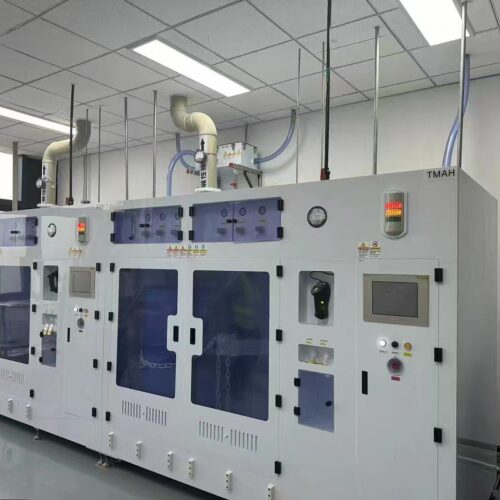
Integrated Bulk Chemical Delivery System and Automatic CDU Solutions for Safe Hazardous Chemical Fluid Handling
-
Corrosion Resistant 316L Stainless Steel Exhaust Gas Scrubber System for Harsh Chemical Process Environments