
Regulator Manufacturer Tel: +86 13380377051
Regulator Manufacturer Tel: +86 13380377051
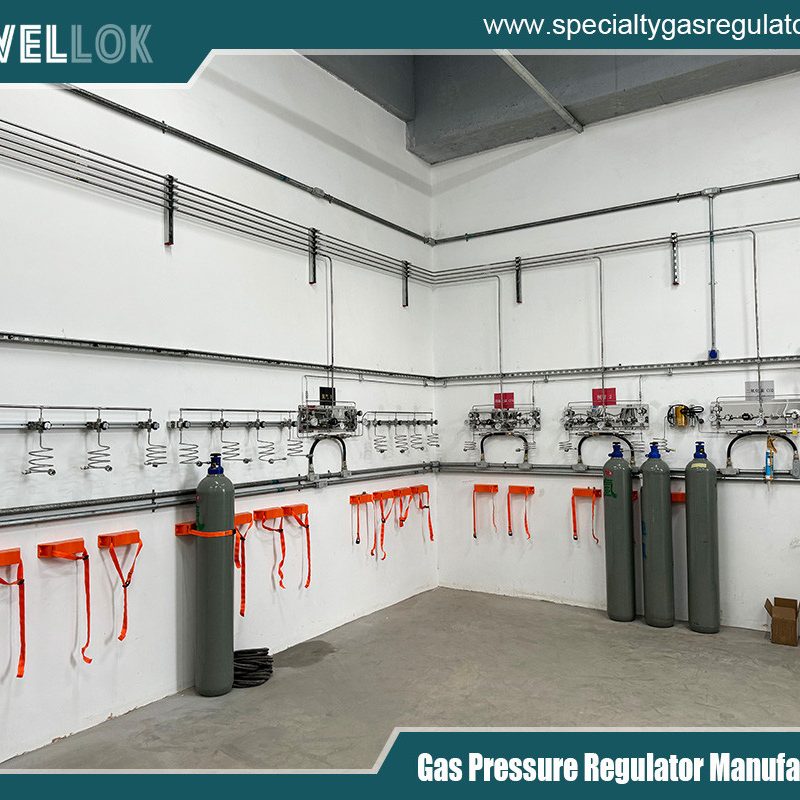
The Comprehensive Guide to LPG Gas Manifold Systems: Design, Operation, and Safety
In industrial, commercial, and large-scale residential applications, a consistent and high-volume supply of Liquefied Petroleum Gas (LPG) is critical. Unlike a single-cylinder setup found in a home kitchen, high-demand environments—such as industrial furnaces, commercial kitchens, and HVAC systems—require an LPG Gas Manifold System.
This article explores the technical architecture, operational mechanics, and safety protocols of LPG manifolds, focusing on how they ensure an uninterrupted energy flow.
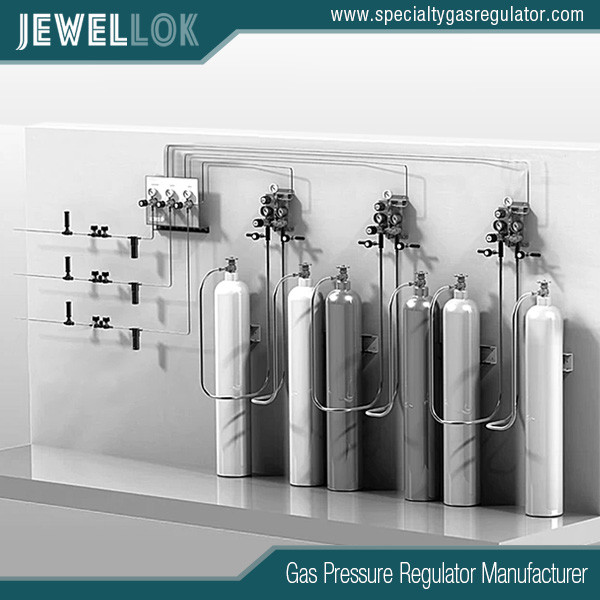
- What is an LPG Gas Manifold System?
An LPG manifold is a centralized distribution network that connects multiple LPG cylinders (or tanks) to a single discharge line. Its primary purpose is to consolidate gas from several sources to meet high flow rate requirements and to provide a “service” and “reserve” bank system. This setup allows for the replacement of empty cylinders without shutting down the gas supply to the connected appliances.
- Core Components of the System
A professional-grade manifold is engineered to handle high pressures and highly flammable gas. Key components include:
- Manifold Header Pipe: The main trunk of the system, usually made of heavy-duty seamless steel (Schedule 80) or high-grade brass, designed to withstand the high vapor pressure of LPG.
- Pigtails: Flexible, high-pressure hoses (often wire-braided) that connect individual cylinders to the header pipe.
- Non-Return Valves (NRVs): Installed at each cylinder connection point, NRVs prevent gas from flowing back into an empty cylinder or leaking out if a pigtail is disconnected.
- Isolation Valves: These allow operators to shut off specific cylinders or entire banks for maintenance.
- Pressure Regulators:
- First Stage: Reduces cylinder pressure to a manageable intermediate pressure.
- Second Stage: Further reduces pressure to the specific “working pressure” required by the burners or equipment.
- Pressure Gauges: Vital for monitoring the remaining gas in the banks and ensuring the delivery pressure remains within safe limits.
- Operational Logic: Manual vs. Automatic Changeover
The efficiency of an LPG gas manifold depends on its changeover mechanism.
Manual Changeover
In a manual system, the operator monitors the pressure gauges. When the “Service Bank” is depleted, the operator manually closes the valves on the empty side and opens the valves on the “Reserve Bank.” While cost-effective, this introduces the risk of human error and brief downtime.
Automatic Changeover (The Gold Standard)
An Automatic Gas Switchover System is the preferred choice for 24/7 operations. It utilizes a differential pressure regulator.
- The Process: The system is set to draw from the “Service Bank” first. Once the pressure in that bank drops below a pre-set threshold (indicating the liquid LPG is exhausted), the regulator automatically shifts the draw to the “Reserve Bank.”
- The Benefit: There is zero interruption in gas flow. An indicator (often changing from green to red) alerts staff that it is time to order a refill for the depleted side.
- Technical Advantages of Manifold Systems
Implementing a gas manifold system offers several technical and economic benefits:
- Increased Vaporization Rate: LPG turns from liquid to gas inside the cylinder. High demand can cause a single cylinder to “freeze up” because it cannot vaporize fast enough. Drawing from multiple cylinders simultaneously increases the total surface area, preventing freeze-ups.
- Uninterrupted Supply: As discussed, the changeover capability ensures that the flame never goes out during a tank swap.
- Space Efficiency: Centralizing cylinders in one outdoor manifold area is safer and more organized than having individual tanks scattered throughout a facility.
- Safety Protocols and Installation Standards
Because LPG is heavier than air and highly explosive, manifold systems must adhere to strict engineering standards (such as NFPA 58 or local equivalents).
- Placement: Manifolds must be located in well-ventilated outdoor areas, away from drains, pits, or basements where leaking gas could pool.
- Testing: Systems must undergo rigorous pneumatic leak testing at 1.5 times the working pressure before commissioning.
- Flashback Arrestors: In industrial cutting or welding applications, these are essential to prevent a flame from traveling back into the manifold.
- Earthing/Grounding: The entire manifold must be electrically grounded to prevent static electricity build-up, which could ignite the gas.
- Maintenance Requirements
To ensure longevity and safety, LPG manifolds require a scheduled maintenance program:
- Daily: Visual inspection for frost (indicating a leak or high draw) and checking gauge levels.
- Monthly: Testing for leaks using a soap-water solution or electronic leak detectors at all joints and pigtail connections.
- Annually: Calibration of regulators and replacement of any worn flexible pigtails, which can degrade over time due to UV exposure and pressure cycles.

Conclusion
The LPG Gas Manifold System is the backbone of any high-demand gas application. By transitioning from single-cylinder use to a regulated, multi-bank manifold, businesses gain better control over their energy consumption, enhance site safety, and eliminate the costly downtime associated with gas depletion. Whether opting for a semi-automatic or a fully automatic system, the investment in a high-quality manifold pays for itself through operational reliability and safety.
For more about the comprehensive guide to lpg gas manifold systems: design, operation, and safety, you can pay a visit to Jewellok at https://www.specialtygasregulator.com/product-category/gas-changeover-system/ for more info.
-
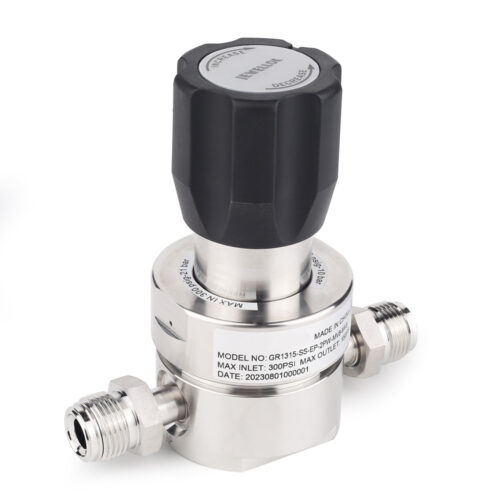
JR1300 Series Ultra High Purity Single Stage Regulator High Flow Line Regulator For Ultra High Purity Intermediate Flow
-
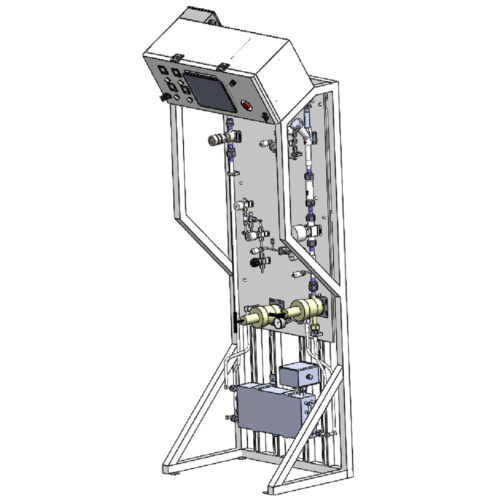
High Purity High Pressure Specialty Gas Bottle Gas Cylinder Storage Cabinet And Gas Pressure Regulating Cabinet For Semiconductor
-
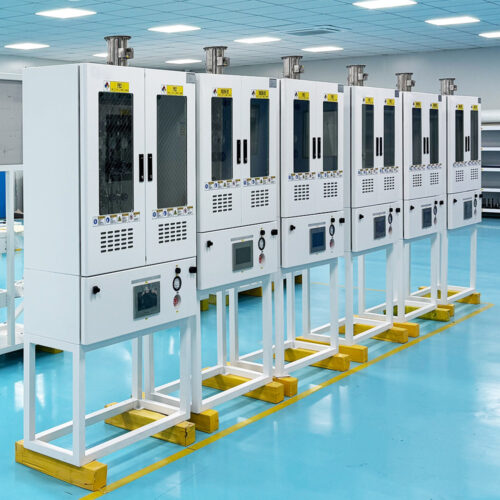
Ultra High Purity Gas Delivery Systems And Liquid Chemical Delivery Systems JW-300-LDS
-
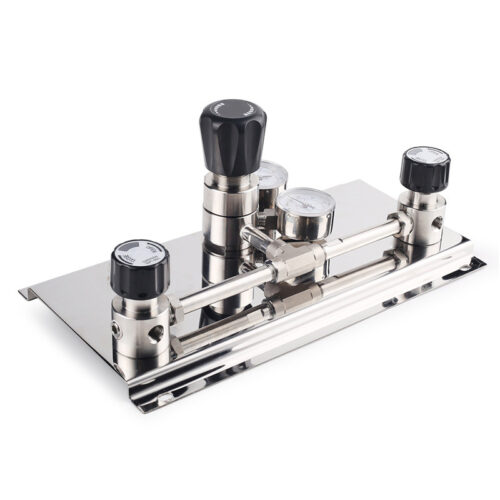
High Purity Semi-Auto Stainless Steel Changeover Manifold System, Nitrogen High Pressure Control Panel With Semiconductor Valve Manifold Box Diaphragm Valves
-
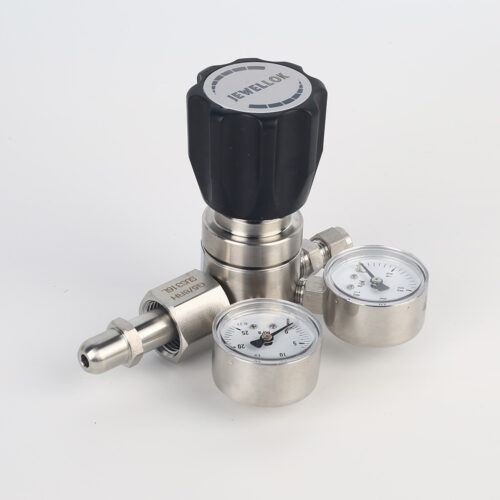
High Purity High Pressure Gas Cylinder Pressure Regulators Pressure Reducing Valve JSR-1E Series
-
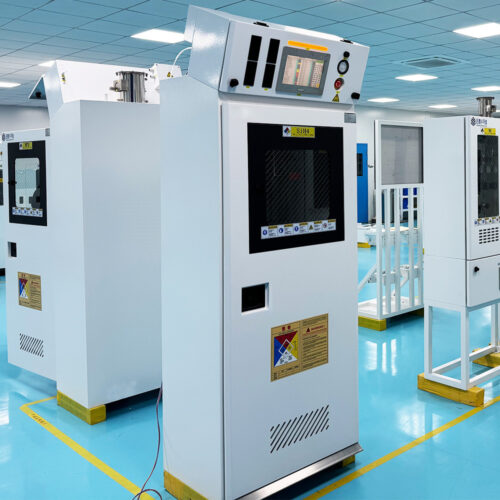
High Purity Bulk Specialty Gas Pressure Control And Filtration Bulk Gas Skid Systems JW-300-BSGS
-
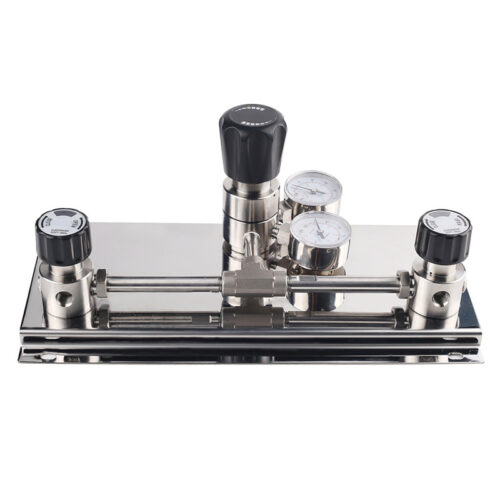
Semi Automatic Oxygen Nitrogen Helium Argon Gas Changeover Manifold Manual Gas Changeover Manifold Panel For Gas Cylinders
-
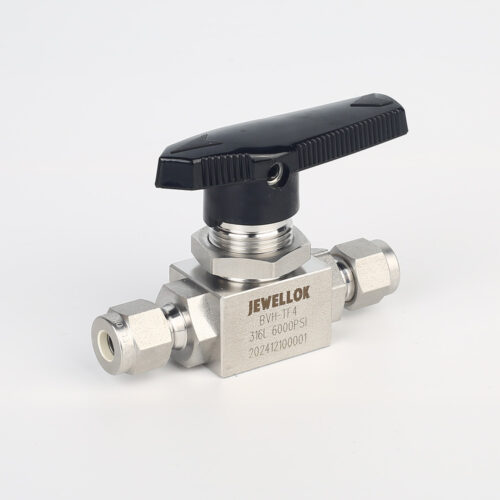
High Purity High Pressure 316 Stainless Steel Ball Valves JBV1 Series From High Pressure Ball Valve Manufacturer And Supplier In China