
Regulator Manufacturer Tel: +86 13380377051
Regulator Manufacturer Tel: +86 13380377051
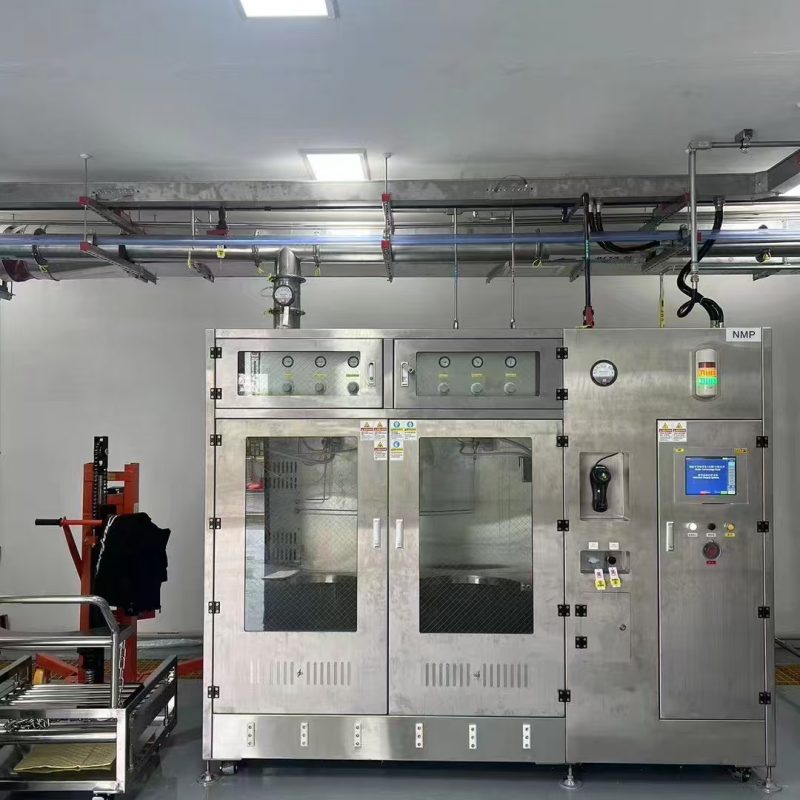
Atomic Layer Deposition (ALD) Gas Delivery: The Art of Precision Pulsing
Atomic Layer Deposition (ALD) has emerged as a cornerstone of modern nanotechnology, enabling the fabrication of ultra-thin, conformal, and pinhole-free films with atomic-scale precision. From the high-k dielectric gates in advanced logic chips to the protective encapsulation layers in organic light-emitting diode (OLED) displays, ALD’s unique self-limiting growth mechanism is indispensable. However, the exceptional promise of ALD is realized only through the flawless execution of its most critical subsystem: the gas delivery system. While the chemistry of precursors and the thermodynamics of the reactor are vital, the gas delivery system acts as the central nervous system of the ALD tool. It is responsible for the rapid, precise, and repeatable introduction of chemical precursors and purge gases into the reaction chamber. Any failure in speed, accuracy, or purity at this stage directly translates to film non-uniformity, particle contamination, or process drift. This article explores the architecture, components, and engineering challenges of modern ALD gas delivery systems, detailing how they transform chemical precursors into the precisely defined pulses that define atomic layer deposition.
The Fundamentals of the ALD Cycle
To appreciate the demands on the gas delivery system, one must first understand the ALD process. Unlike chemical vapor deposition (CVD), where precursors flow continuously and react simultaneously on the substrate surface, ALD splits the reaction into two complementary, self-limiting half-reactions. A standard ALD cycle consists of four distinct steps:
-
Precursor A Pulse: A chemical precursor (e.g., trimethylaluminum for Al₂O₃) is introduced into the chamber. It chemisorbs onto the substrate surface until all available reactive sites are saturated. The reaction self-terminates.
-
Purge A: An inert gas, typically argon or nitrogen, flows through the chamber to remove all unreacted precursor molecules and gaseous byproducts.
-
Precursor B Pulse: A second precursor (e.g., water vapor or ozone for oxidation) is introduced. It reacts with the chemisorbed layer from step one, forming the desired solid film (e.g., Al₂O₃) and regenerating the surface reactive sites.
-
Purge B: A final purge removes excess precursor B and byproducts, resetting the chamber for the next cycle.
The gas delivery system must execute these steps with exceptional fidelity. The pulse duration for precursors is often measured in milliseconds to seconds, while purge steps must be fast enough to maintain throughput but long enough to prevent CVD-like “parasitic” growth caused by gas-phase mixing. This cyclical operation, repeated hundreds or thousands of times, places extreme demands on the speed, repeatability, and cleanliness of the delivery hardware.
Architecture of the Gas Delivery System
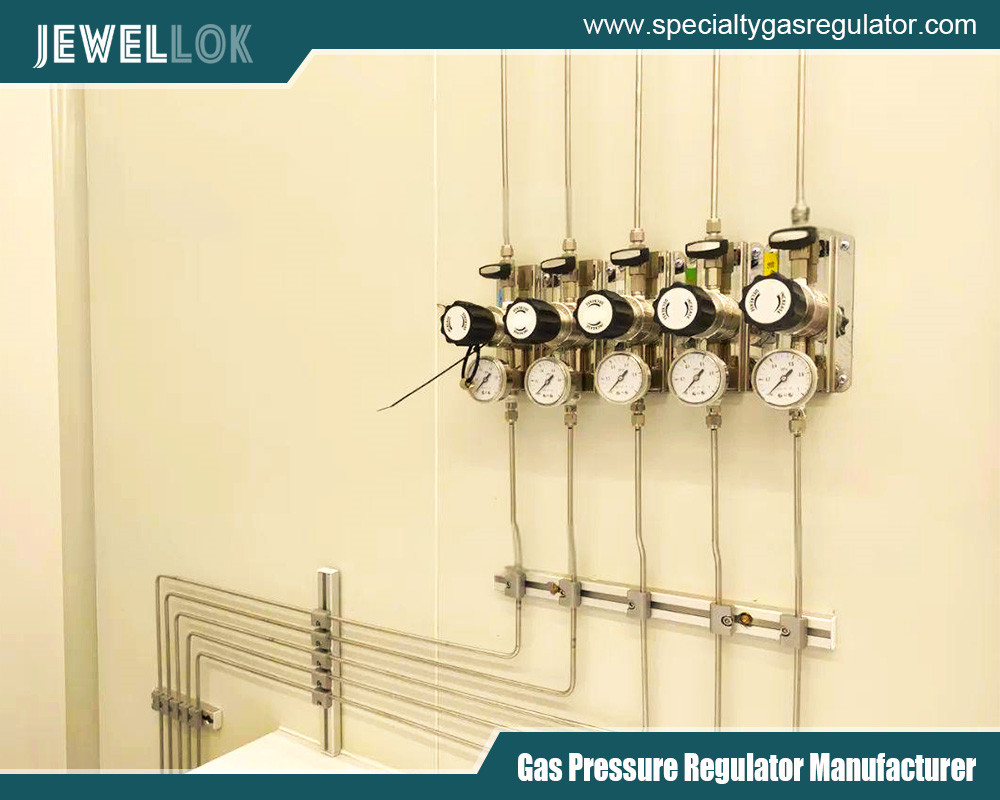
A typical ALD gas delivery system is a complex assembly of cylinders, regulators, valves, mass flow controllers (MFCs), and manifolds. The architecture can be broadly divided into three sections: the precursor source management, the injection manifold, and the reactor interface.
1. Precursor Source Management
The physical state of the precursor dictates the delivery method. ALD precursors can be solids, liquids, or gases at room temperature, each presenting unique handling challenges.
-
Vapor Draw Systems: For liquids with sufficient vapor pressure (e.g., H₂O, TiCl₄), a vapor draw system is used. An inert carrier gas (typically Ar or N₂) is bubbled through the heated liquid precursor, becoming saturated with its vapor. The mixture is then delivered to the chamber. The precision here relies on maintaining a constant temperature (to stabilize vapor pressure) and a constant carrier gas flow rate using an MFC.
-
Direct Liquid Injection (DLI): For low vapor pressure precursors common in metalorganic ALD, such as many metal precursors for hafnium or zirconium oxides, DLI is the preferred method. A liquid mass flow meter precisely measures the precursor, which is then flash-evaporated in a vaporizer unit just before entering the chamber. DLI offers excellent control over precursor flux but introduces complexity, requiring heated lines to prevent recondensation.
-
Solid Source Delivery: Some precursors, like AlCl₃ or certain cyclopentadienyl compounds, are solids. They are stored in heated ampules where sublimation occurs. The carrier gas flows over the solid surface, picking up the precursor vapor. Maintaining a consistent surface area and sublimation rate over the lifetime of the source is a significant engineering challenge, often requiring sophisticated temperature control and automated refill mechanisms.
2. The High-Speed Manifold
The heart of the ALD delivery system is the manifold—a network of gas lines, valves, and pressure sensors that orchestrates the rapid switching between precursor and purge gases. The key components here are:
-
Ultra-High Vacuum (UHV) Valves: The pulse speed and repeatability are determined by the valves. Modern ALD systems use pneumatically actuated or, increasingly, piezoelectric valves. Piezoelectric valves are particularly advantageous as they offer millisecond response times, high cycle life (millions of cycles), and minimal particle generation due to the absence of sliding seals. The manifold is designed to be “dead-leg” free, meaning there are no stagnant volumes where precursor can accumulate and later outgas, causing contamination.
-
Mass Flow Controllers (MFCs): While the pulse duration controls the dose, MFCs regulate the flow rate of the carrier and purge gases. For the purge steps, high-flow MFCs are used to ensure rapid evacuation of the chamber. For precursor delivery, the MFC on the carrier gas line ensures a consistent precursor flux, decoupling the dose from bottle temperature fluctuations.
-
Manifold Pressure Control: To ensure shot-to-shot repeatability, the pressure in the manifold is often actively controlled. If the pressure upstream of the injection valve fluctuates, the amount of precursor delivered during a fixed pulse time will vary. By using a closed-loop pressure controller (a fast-acting valve with a pressure sensor), the system maintains a constant “pressure head,” ensuring that the molar quantity of precursor delivered with each valve opening is identical.
3. Reactor Interface and Gas Distribution
After the manifold, the gas mixture enters the reactor, but its distribution is critical for uniformity. There are two primary ALD reactor types, each with different gas delivery requirements:
-
Single-Wafer (Showerhead) Reactors: In these systems, the manifold delivers the gas to a precision-engineered showerhead. The showerhead must provide uniform gas flow across the entire wafer surface. In thermal ALD, the showerhead is often temperature-controlled to prevent precursor decomposition or condensation. In plasma-enhanced ALD (PEALD), the showerhead may also serve as an electrode for the plasma source, requiring complex electrical isolation while maintaining ultra-high vacuum integrity.
-
Spatial ALD Reactors: Designed for high-throughput manufacturing, spatial ALD physically separates the precursor zones. The substrate moves rapidly back and forth under a gas delivery head that has adjacent, physically isolated zones for Precursor A, purge, and Precursor B. This eliminates the need for fast switching valves on the chamber, replacing them with the mechanical motion of the substrate. The gas delivery challenge here shifts to maintaining absolute gas separation between zones to prevent unwanted CVD reactions.
Key Engineering Challenges and Solutions
The pursuit of atomic-scale perfection forces the ALD gas delivery system to overcome several formidable engineering obstacles.
1. Particle Generation and Contamination Control
In semiconductor manufacturing, particles larger than a certain fraction of the critical dimension can kill a device. ALD gas delivery systems are, therefore, designed for extreme cleanliness. Particles can originate from valve actuation, where mechanical friction generates debris, or from precursor decomposition, where “crusts” form on hot surfaces and flake off.
To mitigate this, modern systems use:
-
All-metal seals (VCR fittings): These replace elastomer O-rings in critical gas paths, offering lower outgassing and fewer particle sources.
-
Electropolished surfaces: Internal surfaces are electropolished to a mirror finish (Ra < 10 µin), reducing surface area for particle adhesion and improving cleanability.
-
Particle filters: Inline filters with pore sizes as low as 0.003 µm are installed immediately upstream of the chamber to trap any particles generated by upstream components like valves or MFCs.
2. Temperature Management
Thermal management is critical for preventing precursor condensation (which leads to particles and blocked lines) and premature decomposition (which alters the precursor chemistry). Most ALD precursors require delivery lines to be heated to 120°C–200°C. The challenge is maintaining this temperature uniformly. Cold spots are catastrophic; they act as condensation sites, effectively draining the precursor from the gas stream and creating a reservoir that can cause unpredictable dosing later.
The solution lies in fully heated manifolds, where the entire valve block, pressure sensors, and associated piping are housed in a precisely controlled, heated enclosure. Temperature zones are meticulously defined, with gradients controlled to prevent hot spots that could decompose precursors before they reach the substrate.
3. Switching Speed and “Tailing”
For high-throughput manufacturing, cycle times must be minimized. A significant limitation is the “tail” of the precursor pulse. When the valve closes, the precursor does not instantly disappear from the line between the valve and the chamber. This residual precursor diffuses into the chamber, effectively lengthening the pulse and complicating the purge. This effect, known as “tailing,” can lead to unwanted gas-phase mixing.
Advanced ALD systems combat this by placing the switching valves as close to the chamber as possible, ideally mounted directly on the reactor flange. This minimizes the internal volume between the valve and the reaction space. Additionally, the use of high-flow purge gases and efficient chamber pumping helps to rapidly sweep this residual gas away.
4. Abatement and Safety
Many ALD precursors are pyrophoric (spontaneously combustible in air), corrosive (e.g., HF, TiCl₄), or toxic (e.g., organometallics). The gas delivery system must incorporate safety as a primary design principle. This includes double-containment piping, automated leak detection systems, and crucially, the exhaust abatement system.
The exhaust from the ALD process is a mixture of inert purge gases and unreacted precursors. Before this gas can be released to the facility exhaust or the atmosphere, it must be treated. Abatement systems use technologies such as thermal oxidation (burn boxes) to combust pyrophoric and toxic gases, or wet scrubbers to neutralize corrosive halides. The gas delivery system must be designed to prevent backflow from the abatement system into the cleanroom environment, often using pressure interlocks and isolation valves.
The Future: Data-Driven Delivery and New Precursors
As semiconductor nodes progress toward Angstrom-scale dimensions (2nm and below), the demands on ALD gas delivery continue to intensify. The industry is moving toward “smart” delivery systems. These systems are equipped with sensors that monitor not just flow and pressure, but also the chemical “signature” of the gas stream. Using techniques like residual gas analyzers (RGAs) or optical emission spectroscopy, future delivery systems will provide real-time feedback on precursor concentration, detecting the end of a bottle or changes in precursor purity before they cause a wafer lot to be scrapped.
Furthermore, the push for new materials, such as ferroelectric hafnium zirconium oxide (HZO) for next-generation memory or molybdenum for interconnects, requires the delivery of novel, often more complex precursors. These molecules are frequently thermally sensitive, requiring even tighter temperature control and faster delivery to the substrate to prevent gas-phase decomposition.
Conclusion
Atomic Layer Deposition gas delivery is fundamentally a process of precise timing and flawless chemical separation. The gas delivery system is the enabler of this precision, translating chemical stocks into the perfectly sculpted pulses of precursor and purge that define the ALD cycle. From the heated ampule that stabilizes a solid precursor’s sublimation rate, to the piezoelectric valve that opens in milliseconds with micron-level consistency, to the abatement system that safely neutralizes hazardous effluents, every component is critical.
The evolution of ALD gas delivery mirrors the evolution of the semiconductor industry itself: a relentless pursuit of control, cleanliness, and speed. As devices shrink and architectures become three-dimensional, the margin for error approaches zero. The future of ALD will not only depend on discovering new precursors but equally on perfecting the art and science of how those precursors are delivered, pulsed, and purged—one atomic layer at a time.
For more about atomic layer deposition (ALD) gas delivery: the art of precision pulsing, you can pay a visit to Jewellok at https://www.specialtygasregulator.com/product-category/specialty-gas-cabinet/ for more info.
-
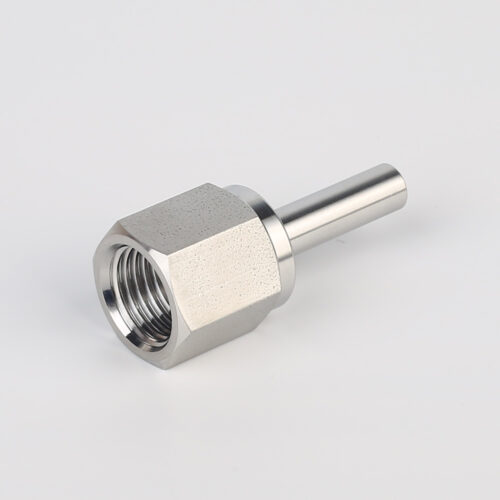
739LF High Purity Female Adapter Tube To Pipe Fittings And Connectors
-
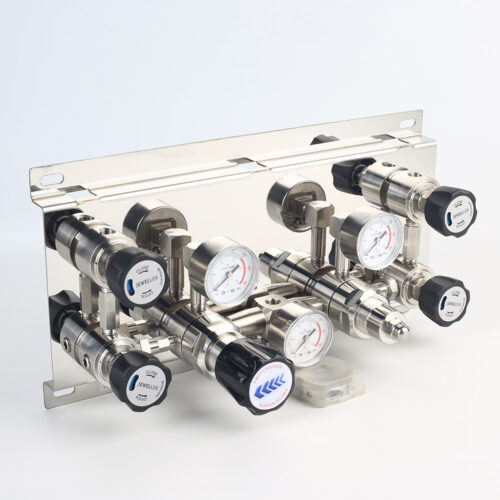
Pressure Control Panels For High Purity Gas Control System JSP-3AE Series From Pressure Control Panels Suppliers And Manufacturer
-

Semi Automatic Gas Changeover Manifold System Manual Changeover Manifold Panel Single Stage Automatic Switchover Board
-
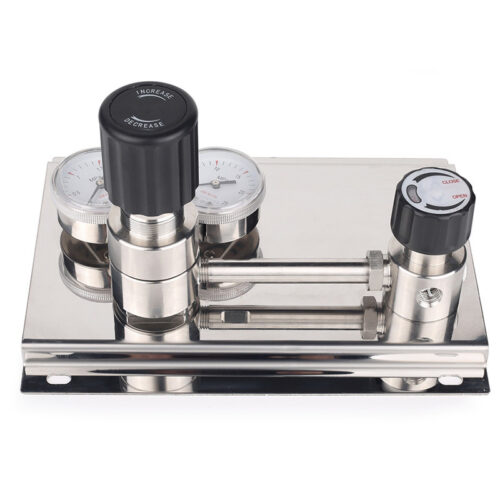
Stainless Steel Fully Automatic Gas Switchover Manifold System Automatic Gas Cylinder Switchover Co2 Cylinder Auto Changeover Controller
-
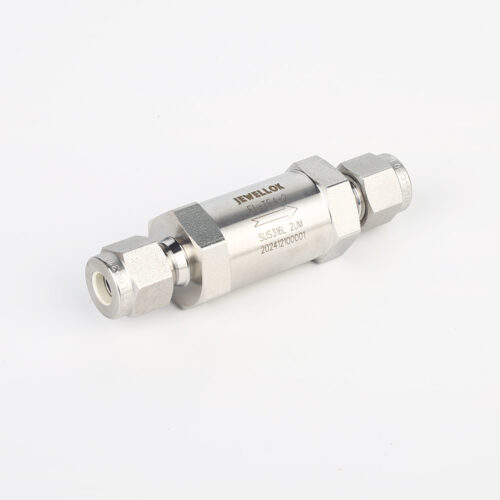
JF Series In-Line Gas Filters | High Purity High Precision High Flow Semiconductor Gas Filter Gas Filtration & Purification
-
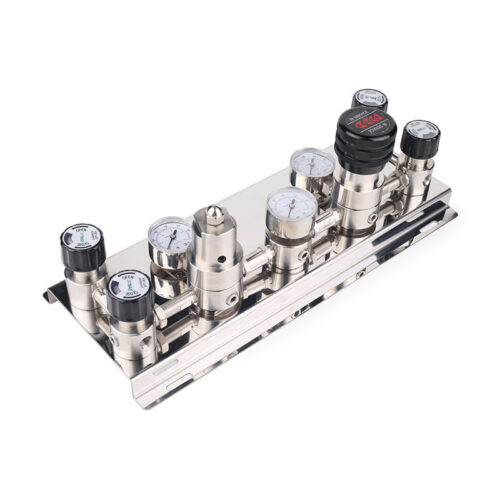
Stainless Steel High Pressure Specialty Gas Changeover Manifold For High Purity Oxygen Nitrogen Argon Helium Hydrogen Co2
-
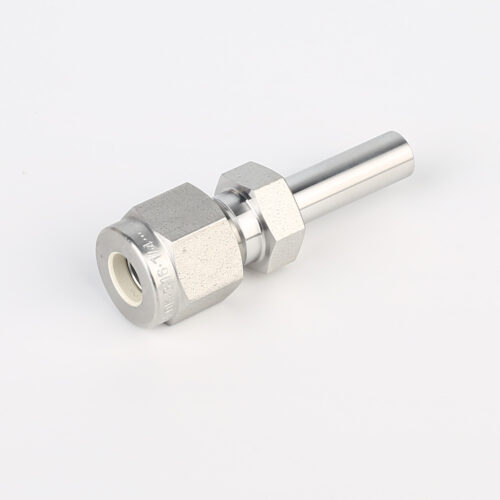
767LT Reducer Pressure Reducing Valve Adjustment High purity Pressure Reducing Union Fittings And Tubing
-
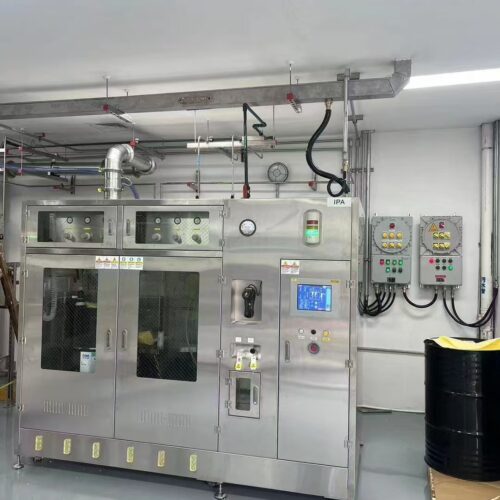
Ultra High Purity CDS Solutions Featuring 316L Electropolished Stainless Steel for Superior Chemical Integrity and Safety