
Regulator Manufacturer Tel: +86 13380377051
Regulator Manufacturer Tel: +86 13380377051
Critical UHP Argon Valves in HPLC & Mass Spectrometry Systems: Guardians of Purity and Precision
High-Performance Liquid Chromatography (HPLC) and Mass Spectrometry (MS), particularly in their hyphenated configuration as LC-MS, represent the gold standard for analytical chemistry in pharmaceuticals, proteomics, environmental monitoring, and clinical diagnostics. The integrity of these analyses is profoundly dependent on the purity and stability of the gases employed. Argon, as a collision gas in tandem MS (MS/MS) and a nebulizer/desolvation gas in Inductively Coupled Plasma (ICP) sources, is indispensable. This article delves into the critical, yet often overlooked, role of Ultra-High-Purity (UHP) argon valves within these systems. We explore the technical demands, valve types, material science, installation practices, and maintenance protocols that ensure these components function as reliable guardians against contamination, thereby safeguarding instrument sensitivity, reproducibility, and uptime.
The Invisible Pillar of Analytical Fidelity
The pursuit of parts-per-billion (ppb) or even parts-per-trillion (ppt) detection limits in modern HPLC and MS systems creates an environment where every component is a potential source of interference. While significant attention is paid to column chemistry, detector design, and software algorithms, the gas delivery system—specifically its valving—forms an invisible pillar supporting the entire analytical structure. UHP argon (typically 99.999% pure or higher) must travel from the cylinder or generator to the instrument’s ionization or collision cell without degradation. Any valve in this pathway that introduces moisture, hydrocarbons, oxygen, or particulates can cause baseline noise, elevated background, signal suppression, spurious peaks, and corrosion of sensitive metal components. Consequently, the selection and management of UHP argon valves are not mere plumbing decisions but critical technical choices directly impacting data quality.
The Role of Argon in HPLC-MS Systems
Understanding the valve’s importance first requires an appreciation of argon’s functions:
- Collision-Induced Dissociation (CID) in Tandem MS (QqQ, Q-TOF): In collision cells, argon molecules collide with precursor ions, causing them to fragment into product ions for structural elucidation. The pressure and purity of argon are paramount. Impurities like nitrogen or water can alter collision efficiency, leading to inconsistent fragmentation patterns and reduced quantitative accuracy.
- Nebulization and Desolvation in ICP-MS: In one of the most sensitive elemental analysis techniques, argon plasma (at ~10,000 K) atomizes and ionizes samples. The argon used to create the plasma, nebulize the sample, and cool the interface must be of extreme purity. Hydrocarbon or moisture contamination quenches the plasma, increases oxide formation (e.g., CeO⁺ interfering with Pr⁺), and creates spectral overlaps, devastating accuracy.
- Atmospheric Pressure Chemical Ionization (APCI) Source Purging: Argon is sometimes used as a curtain or drying gas. Contamination here directly introduces interferents into the ionization region.
Any valve that compromises the 5.0 or 6.0 grade UHP argon standard jeopardizes these fundamental processes.
Technical Demands on UHP Argon Valves
Valves for UHP service must be engineered to meet a set of rigorous criteria:
- Zero Dead Volume or Minimal Internal Volume: Stagnant zones where gas can pool lead to memory effects and slow response times, especially critical when valves are used for switching or calibration purposes. Internal volumes are minimized through specialized design.
- Exceptional Leak Integrity: External leaks waste expensive gas and pose safety issues. More insidiously, internal seat leaks (allowing gas to bypass when closed) or permeation through seals can cause system pressure instability. Valves must be helium-leak tested to very low rates (e.g., <1 x 10⁻⁹ atm cc/sec).
- Minimal Particulate Generation: The actuation mechanism (stem movement) must not generate metallic or elastomeric particles. This is achieved through precise machining, hard-seat designs, and the use of diaphragm or bellows seals to isolate the actuation mechanism from the gas stream.
- Outgassing and Permeation Resistance: Valve body materials and seat/seal polymers must have low inherent outgassing rates of water, oxygen, and hydrocarbons. Permeation of atmospheric gases through seals must be negligible.
- Corrosion Resistance and Inert Flow Path: The wetted materials—typically 316L stainless steel, electropolished (EP) or chemically passivated—must be highly inert to prevent adsorption/desorption of active species and to resist corrosion, which becomes a major particulate source.
Valve Types and Their Specific Applications
Different points in the gas line require different valve technologies.
- Shut-Off Valves:
- Diaphragm Valves: The gold standard for UHP applications. A flexible diaphragm is pressed against a hard seat (often metal-to-metal or PFA-to-metal). The actuation mechanism is completely isolated from the process gas, eliminating stem seals as a source of leakage or contamination. They offer excellent leak integrity and low internal volume.
- Bellows Valves: Use a hermetically sealed metal bellows to isolate the stem. Excellent for high-cycle or high-temperature applications. Like diaphragm valves, they provide a high degree of assurance against atmospheric ingress.
- Packed Stem Valves (with caution): While cheaper, traditional stem valves with packing (e.g., graphite) are generally unsuitable for critical UHP applications. The packing can absorb moisture, requires periodic tightening (which can distort the stem), and is a potential leak path.
- Check Valves (Non-Return Valves): Essential for preventing backflow, which could occur during cylinder changeovers or if system pressure drops. UHP check valves use spring-loaded diaphragms or balls with hard seats to ensure a positive seal and fast response with minimal cracking pressure.
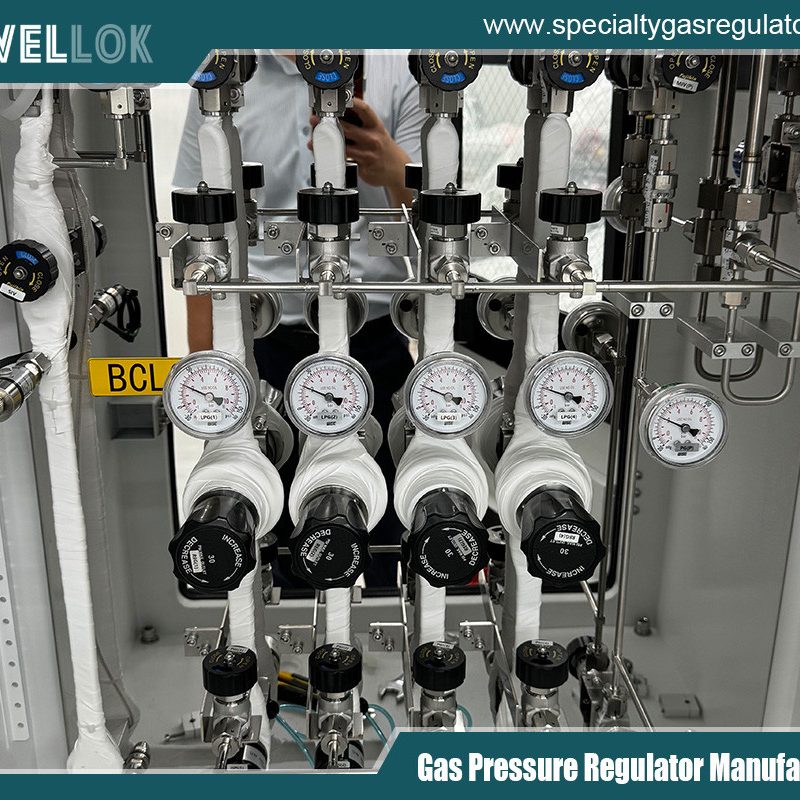
- Regulator Valves (First-Stage and Panel): While not simple on/off valves, the regulator is the most critical valve in the system. It controls the high-pressure cylinder down to a usable system pressure. UHP argon requires dedicated, clean, brass or stainless steel regulators with specially cleaned interiors and elastomer-free diaphragms. A poor-quality regulator is the single biggest point of potential contamination.
- Two-Stage vs. Single-Stage Regulation: For ultimate stability in MS applications, a two-stage regulator (or a single-stage followed by a panel-mounted secondary regulator) is preferred. It provides more stable output pressure despite declining cylinder pressure, ensuring consistent collision gas pressure or ICP plasma stability.
Material Science and Surface Finish
The materials used are as important as the valve design.
- Metallic Components: 316L Stainless Steel (low carbon content prevents sensitization and corrosion) is standard. Surface finish is critical:
- Electropolishing (EP): An electrochemical process that removes the surface layer, smoothing the microstructure and removing embedded iron particles. It leaves a chromium-rich, passive oxide layer that is highly corrosion-resistant and reduces surface area for adsorption.
- Mechanical Polishing: Can be effective but may smear metal and trap contaminants.
- Seat and Seal Materials: Elastomers are generally avoided in the critical flow path. Where necessary, perfluoroelastomers (FFKM, e.g., Kalrez®) offer the best chemical and temperature resistance with low outgassing. Polytetrafluoroethylene (PTFE) is common for seats and seals due to its supreme inertness, though it is prone to cold flow. Metal-to-metal seats (e.g., stainless steel to stainless steel) provide the ultimate in purity and temperature resistance but may not achieve bubble-tight shut-off.
Selection, Installation, and Maintenance Best Practices
- Selection Criteria:
- Specify UHP or Atomic Absorption/ICP Grade: Ensure the valve is rated and certified for UHP service.
- Request Certifications: Manufacturers should provide material certifications, helium leak test reports, and cleanliness data (e.g., particulate counts per SA/ISO standards).
- Match the Valve to the Function: Use diaphragm/bellows shut-off valves for main lines, high-integrity check valves for prevention of backflow, and dedicated UHP regulators.
- Installation (The Art of “Clean”):
- Proper Handling: Valves should remain in their sealed plastic bags until the moment of installation. Wear powder-free gloves.
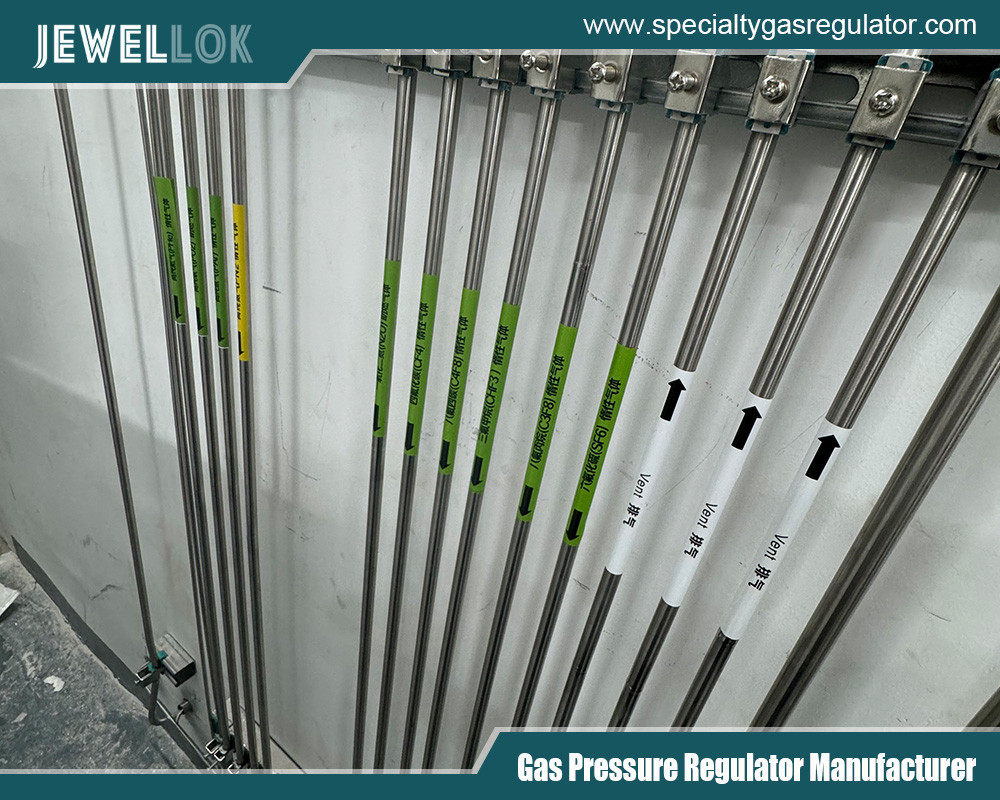
- Proper Tubing: Use 316L EP stainless steel tubing. Tube Cutting and Deburring: Use a dedicated tube cutter, never a hacksaw. A poor cut creates a shred of metal that will travel downstream. Always deburr thoroughly inside and out.
- Cleaning and Purging: Before connecting to the instrument, the entire gas line (with valves installed) should be purged extensively with UHP argon to displace any atmospheric contaminants introduced during assembly.
- Leak Checking: The entire installed system must be leak-checked with a sensitive helium leak detector or a proprietary leak detection fluid specifically formulated for high-purity systems (never soapy water).
- Maintenance:
- Preventive Maintenance: Establish a schedule based on cycle count or time. This may involve replacing diaphragm heads or entire valves in critical positions.
- Troubleshooting: A gradual decline in instrument sensitivity or increase in background can often be traced to gas purity. Diagnostic steps include isolating sections of the gas line, using a residual gas analyzer (RGA), or substituting with a known-clean, portable argon source.
- Record Keeping: Maintain logs of all valve installations, certifications, and leak-check results.
Conclusion
In the high-stakes world of analytical science, where a single contaminated sample or a drifting calibration can invalidate weeks of work, the gas delivery system cannot be an Achilles’ heel. UHP argon valves, from the regulator on the cylinder to the final shut-off before the instrument, are the critical control points that preserve the integrity of the analytical gas. Investing in the correct valve technology—diaphragm or bellows shut-off valves, high-integrity check valves, and dedicated UHP regulators—made from appropriately finished materials and installed with fastidious care, is not an overhead cost. It is a direct investment in the core assets of the laboratory: data integrity, instrument uptime, and scientific reputation. By treating these components with the same rigor applied to columns and detectors, scientists and lab managers ensure that their HPLC and Mass Spectrometry systems perform at their theoretical peak, delivering the precision and accuracy that modern science demands.
For more about critical UHP argon valves in HPLC & mass spectrometry systems: guardians of purity and precision, you can pay a visit to Jewellok at https://www.specialtygasregulator.com/product-category/specialty-gas-cabinet/ for more info.
-
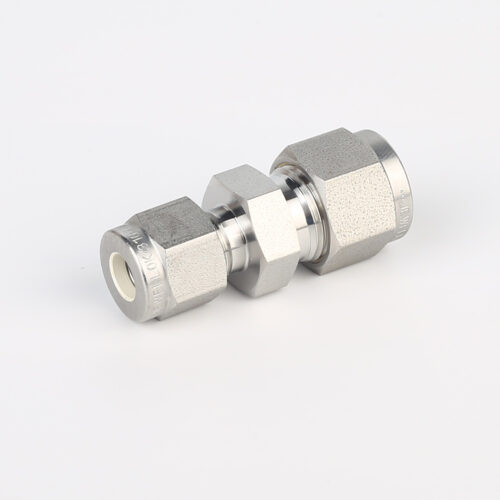
763L Stainless Steel High Purity Pressure Reducing Union Fittings And Tubing Pressure Reducing Valve Adjustment
-
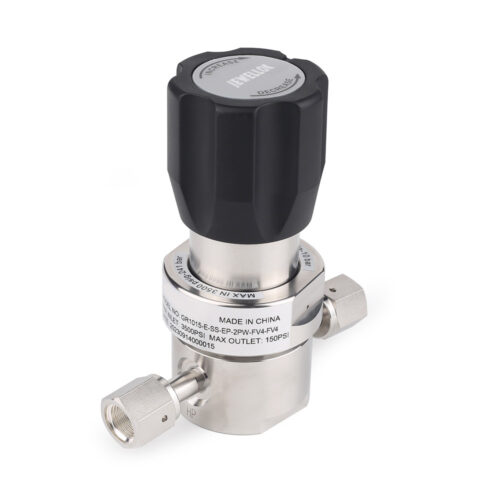
JR1000 Series UHP Ultra High Purity Single Stage Pressure Reducing Regulator And Low To Intermediate Flow
-
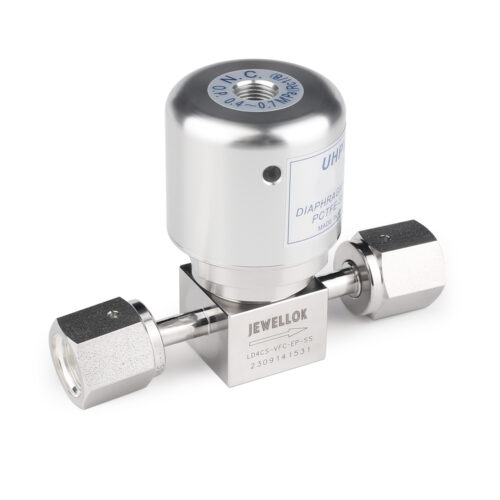
Stainless Steel Low Pressure Seal Pneumatic Diaphragm Control Valve For For HP & UHP Gases
-

Semi Automatic Gas Changeover Manifold System Manual Changeover Manifold Panel Single Stage Automatic Switchover Board
-
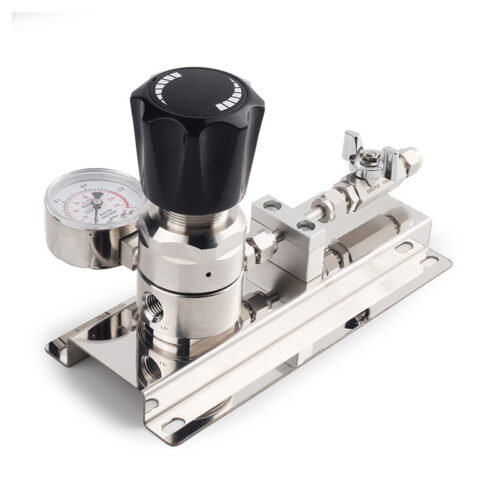
Ultra High Purity 316L Var Stainless Steel Compressed Gas Changeover Manifold Panel System For Integrated Gas Supply System
-
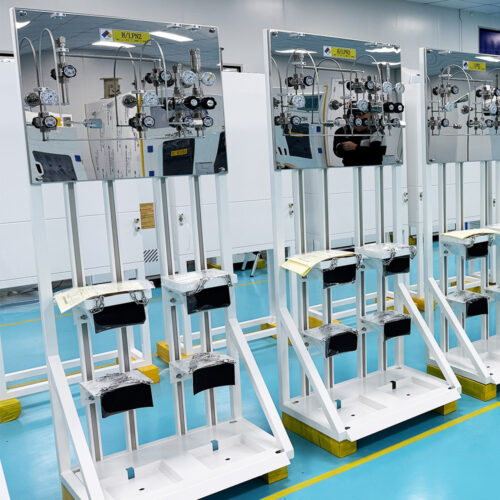
Semi Automatic Gas Cabinet Systems for Handling Toxic and Flammable Process Specialty Gases in High Tech
-
764L Stainless Steel Union Tee High Purity Fitting Union Tee Reducing Tubing Connection
-
Ultra High Purity CDS Solutions Featuring 316L Electropolished Stainless Steel for Superior Chemical Integrity and Safety