
Regulator Manufacturer Tel: +86 13380377051
Regulator Manufacturer Tel: +86 13380377051
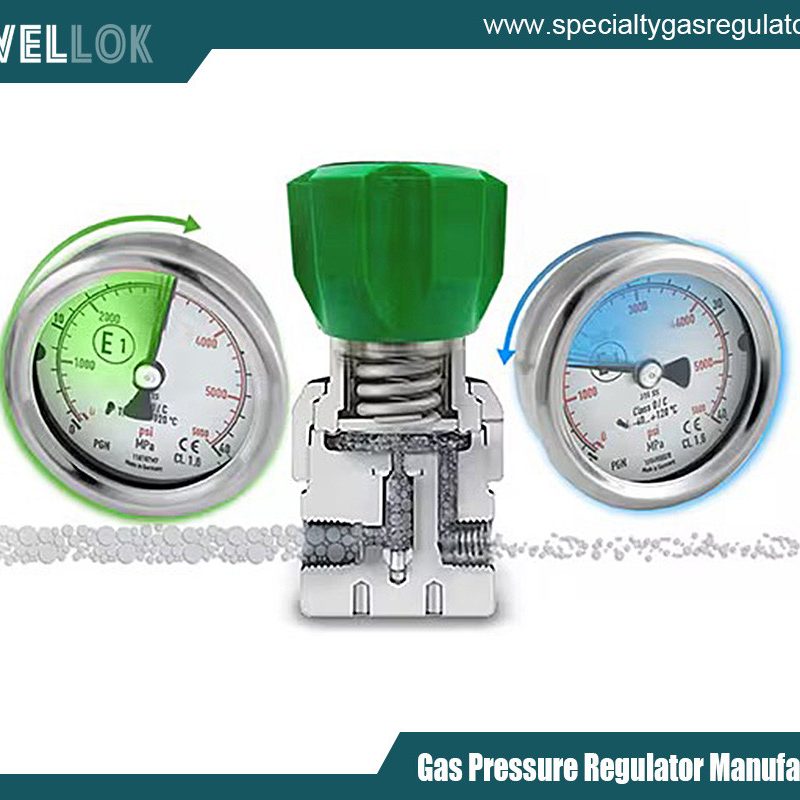
High-Pressure Gas Control Valves for Industrial Use
In the realm of industrial engineering, high-pressure gas control valves play a pivotal role in managing the flow, pressure, and direction of gases under extreme conditions. These specialized valves are designed to handle pressures exceeding 1000 psi, often reaching up to 10,000 psi or more, making them indispensable in sectors such as oil and gas, chemical processing, aerospace, and power generation. Unlike standard valves, high-pressure variants must withstand intense forces while ensuring precise control to prevent leaks, explosions, or system failures. This article delves into the technical aspects of these valves, exploring their design, types, materials, applications, and maintenance considerations.
The evolution of high-pressure gas control valves has been driven by the need for enhanced safety and efficiency in industrial operations. Early designs were rudimentary, relying on manual operation, but modern iterations incorporate advanced automation, sensors, and materials science to meet stringent regulatory standards like those from ASME and API. Understanding these valves requires a grasp of fluid dynamics, thermodynamics, and mechanical engineering principles, as they operate in environments where even minor malfunctions can lead to catastrophic consequences.
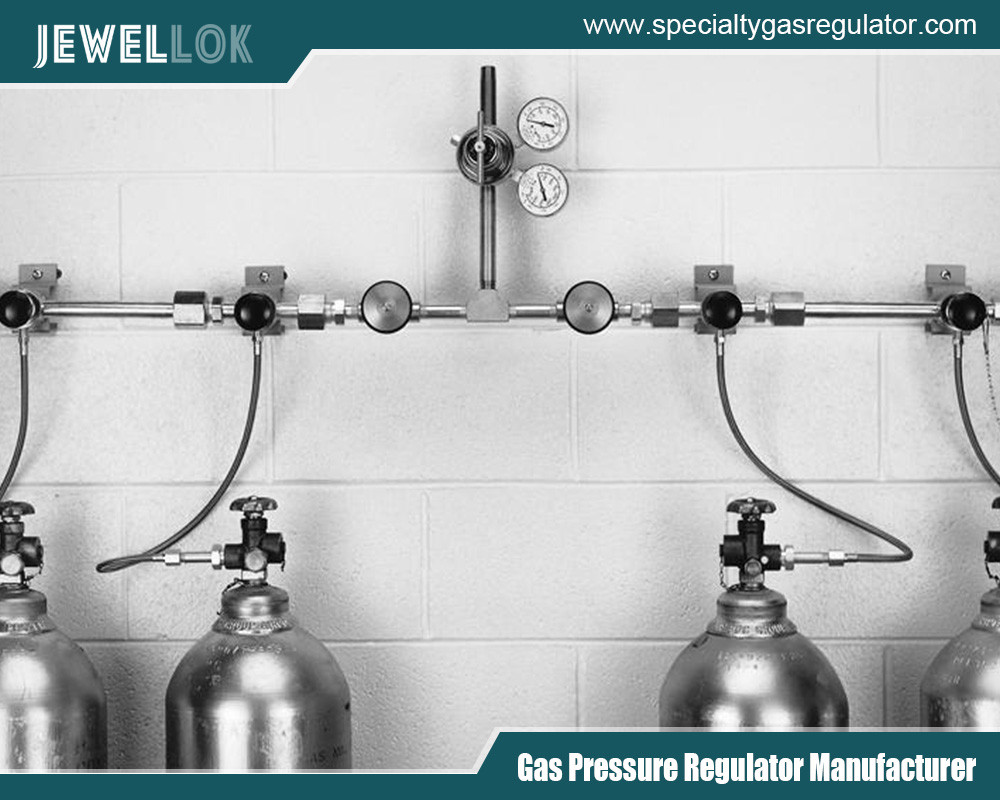
Types of High-Pressure Gas Control Valves
High-pressure gas control valves come in various configurations, each tailored to specific operational needs. The most common types include globe valves, ball valves, needle valves, and pressure relief valves.
Globe valves are favored for their throttling capabilities, allowing precise flow regulation. In high-pressure scenarios, they feature a spherical body with an internal baffle that directs gas flow through a seat and plug mechanism. This design minimizes turbulence and provides excellent shut-off characteristics, ideal for applications requiring fine control, such as in gas chromatography systems.
Ball valves, on the other hand, offer quick on-off operation with low torque requirements. Constructed with a spherical disc that rotates to align with the flow path, they are highly reliable under high pressures due to their full-bore design, which reduces pressure drop. Variants like trunnion-mounted ball valves support the ball from both top and bottom, enhancing stability in pressures above 5000 psi.
Needle valves provide ultra-precise control, often used in instrumentation lines. Their long, tapered plunger allows for gradual flow adjustment, making them suitable for calibrating pressure gauges or controlling small gas volumes in laboratory settings adapted for industrial use.
Pressure relief valves serve a safety function, automatically venting excess pressure to prevent over-pressurization. These are spring-loaded or pilot-operated, with the latter offering more accurate set points for high-pressure gases like hydrogen or natural gas.
Each type’s selection depends on factors such as flow rate, pressure rating, and gas compatibility, ensuring optimal performance in diverse industrial contexts.
Design Principles
The design of high-pressure gas control valves is governed by principles aimed at maximizing durability, sealing integrity, and operational efficiency. Key considerations include pressure containment, flow characteristics, and actuation methods.
Pressure containment is achieved through robust body designs, often using finite element analysis (FEA) to simulate stress distributions. Valves are rated by their maximum allowable working pressure (MAWP), calculated based on material yield strength and safety factors. For instance, a valve designed for 6000 psi might incorporate thick-walled forgings to distribute hoop stress evenly.
Flow characteristics are analyzed using the Cv coefficient, which quantifies the valve’s capacity to pass fluid. In high-pressure gases, compressible flow equations like the ideal gas law (PV = nRT) are applied to predict behavior, accounting for sonic velocity and choking phenomena where flow becomes independent of downstream pressure.
Actuation can be manual, pneumatic, hydraulic, or electric. Pneumatic actuators are common in hazardous areas due to their intrinsic safety, while electric ones integrate with SCADA systems for remote control. Advanced designs incorporate smart features like positioners and feedback sensors to maintain accuracy within 0.5% of setpoint.
Sealing is critical, with options like O-rings, metal-to-metal seats, or graphite packing. In cryogenic applications, where gases like LNG are handled, seals must remain flexible at low temperatures to prevent brittleness.
Materials Used
Material selection is paramount for high-pressure gas control valves, balancing strength, corrosion resistance, and cost. Common materials include stainless steel, alloy steels, and exotic metals.
Stainless steel grades like 316L are widely used for their excellent corrosion resistance in acidic or saline environments, with yield strengths around 30,000 psi. For higher pressures, precipitation-hardened steels such as 17-4 PH offer tensile strengths up to 200,000 psi.
In corrosive gases like chlorine or hydrogen sulfide, Hastelloy or Inconel alloys are preferred, providing superior resistance to pitting and stress corrosion cracking. These nickel-based superalloys maintain integrity at temperatures from -200°C to 1000°C.
For seals, elastomers like Viton or PTFE are chosen for chemical compatibility, while metal seals ensure zero leakage in ultra-high-pressure systems.
Advancements in composite materials, such as carbon fiber-reinforced polymers, are emerging for lightweight applications in aerospace, reducing valve weight without compromising strength.
Applications in Industry
High-pressure gas control valves find extensive use across industries. In oil and gas, they regulate flow in wellheads, pipelines, and refineries, handling natural gas at pressures up to 15,000 psi during hydraulic fracturing.
Chemical processing relies on them for reactor control, where precise gas injection maintains reaction rates. For example, in ammonia synthesis, valves manage hydrogen and nitrogen feeds under 3000 psi.
Aerospace applications include fuel systems for rockets, where valves control propellant gases like oxygen at cryogenic pressures. Power generation uses them in gas turbines for fuel modulation, enhancing efficiency and reducing emissions.
In pharmaceuticals, sterile gas control valves ensure purity in processes like fermentation, complying with FDA standards.
These applications underscore the valves’ versatility, adapting to harsh conditions while supporting industrial productivity.
Maintenance and Safety
Proper maintenance is essential to extend valve lifespan and ensure safety. Regular inspections involve checking for leaks using ultrasonic detectors or helium sniffers, and torque verification on bolted connections.
Lubrication of moving parts prevents seizure, while seat lapping restores sealing surfaces. Predictive maintenance employs vibration analysis and thermography to detect anomalies before failure.
Safety protocols mandate pressure testing per API 598, including hydrostatic and pneumatic tests at 1.5 times MAWP. Interlocks and fail-safe designs, such as spring-return actuators, prevent accidental operation.
Compliance with standards like ISO 9001 and ATEX for explosive atmospheres mitigates risks, emphasizing the human element in training operators.
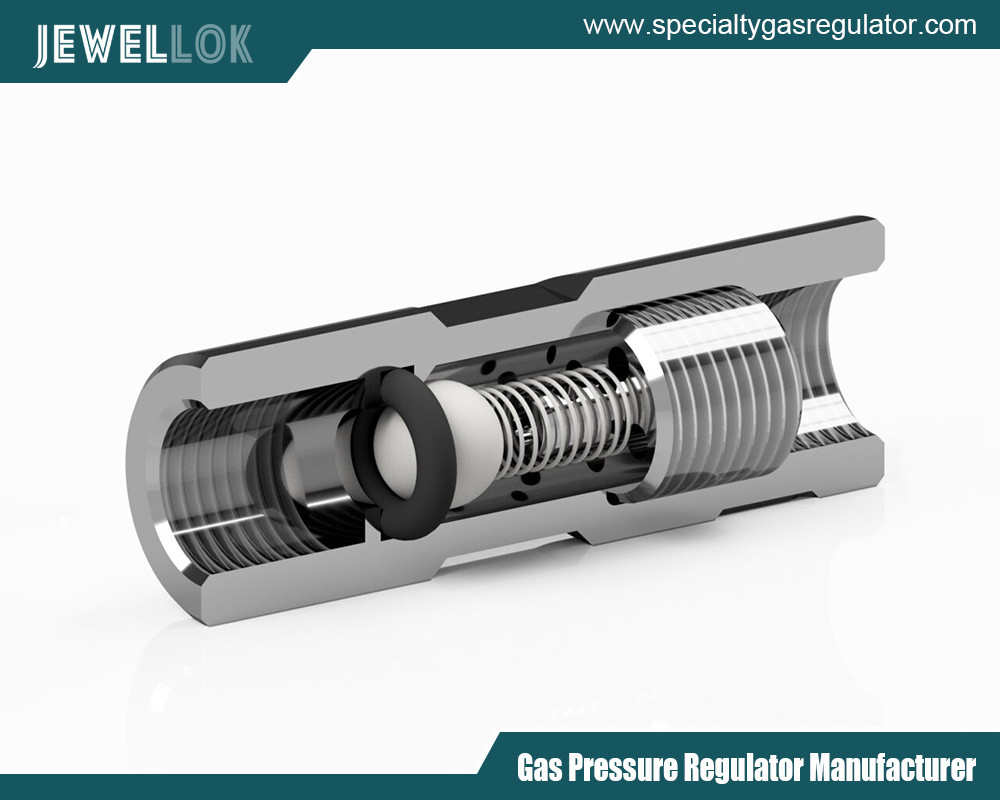
Future Trends
Looking ahead, high-pressure gas control valves are evolving with Industry 4.0 integrations. IoT-enabled valves provide real-time data analytics for predictive maintenance, while additive manufacturing allows custom geometries for optimized flow.
Sustainable materials and designs aim to reduce environmental impact, supporting green hydrogen initiatives. AI-driven control systems promise adaptive responses to varying conditions, enhancing efficiency.
Conclusion
High-pressure gas control valves are the unsung heroes of industrial infrastructure, enabling safe and efficient gas management under demanding conditions. As technology advances, their role will only grow, driving innovation across sectors. Understanding their intricacies equips engineers to harness their full potential, ensuring reliability in an ever-evolving industrial landscape.
For more about high-pressure gas control valves for industrial use, you can pay a visit to Jewellok at https://www.specialtygasregulator.com/product-category/specialty-gas-pressure-regulators/ for more info.
-
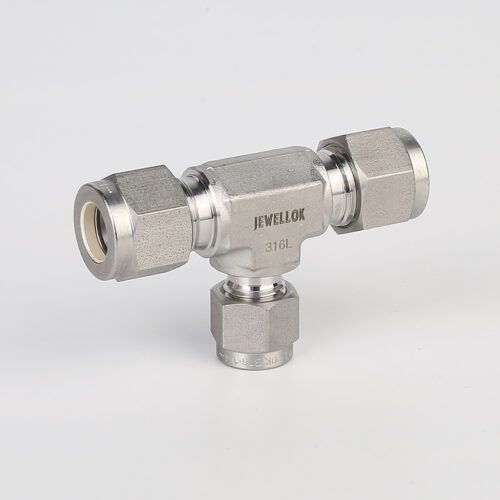
764LR Stainless Steel 316 Reducing Tee UHP Fitting Automatic Buttweld Reducing Tee
-
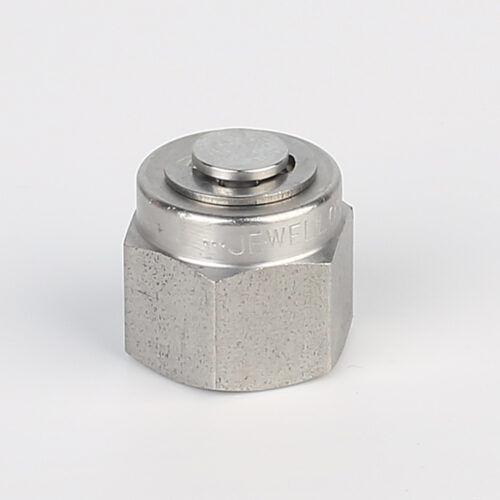
7121L Plug High Purity Plug Fitting And Blanking Plug
-
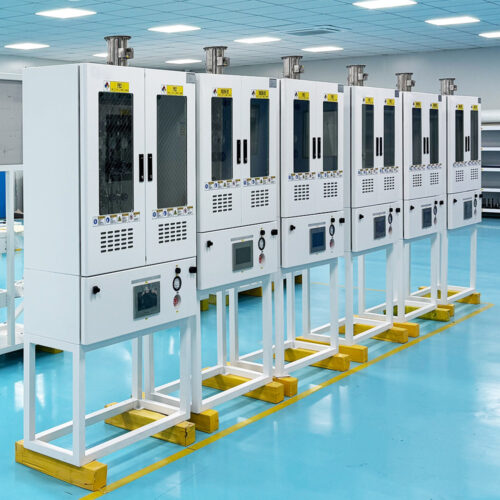
Automated Valve Manifold Box with Leak Detection for Toxic and Flammable Semiconductor Process Gases
-
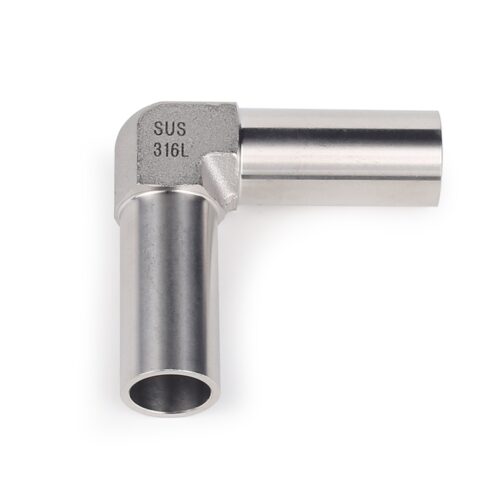
High Purity Stainless Steel Mini Tube Butt Weld Fittings For Semiconductor
-
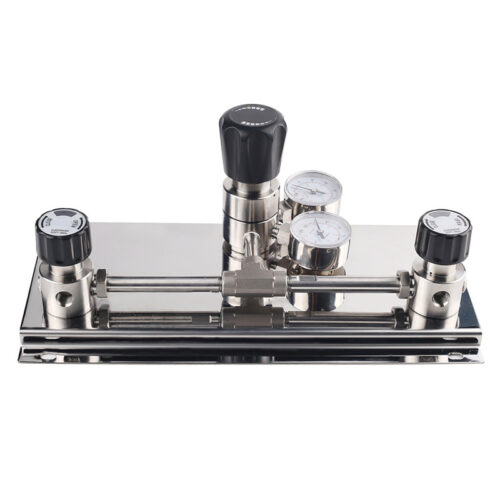
Semi Automatic Oxygen Nitrogen Helium Argon Gas Changeover Manifold Manual Gas Changeover Manifold Panel For Gas Cylinders
-
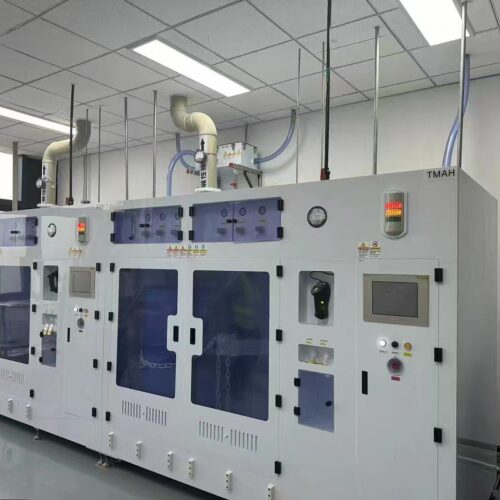
Integrated Bulk Chemical Delivery System and Automatic CDU Solutions for Safe Hazardous Chemical Fluid Handling
-
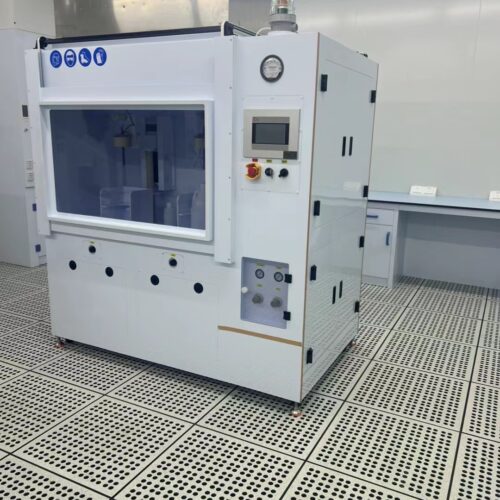
Custom VMB Valve Manifold Boxes for Enhanced Tool Isolation and Maximum Uptime in Complex Chemical Distribution Networks
-
High Purity VMB Valve Manifold Box for Semiconductor Gas Distribution and Specialty Chemical Delivery Systems