
Regulator Manufacturer Tel: +86 13380377051
Regulator Manufacturer Tel: +86 13380377051
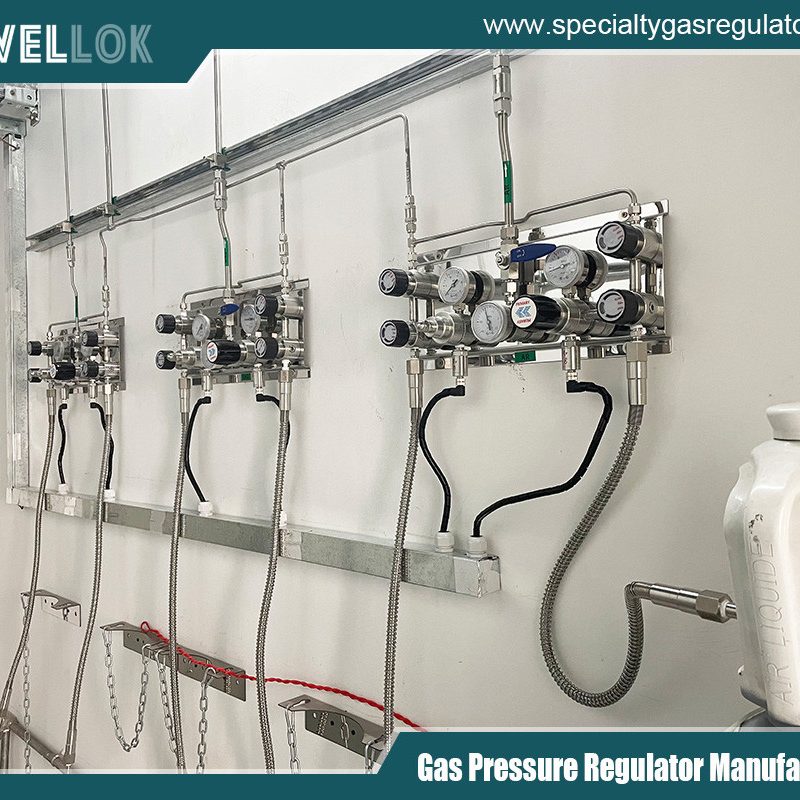
Hydraulic and Pneumatic Valve Manifold Machining Manufacturing Process
Valve manifolds are critical components in hydraulic and pneumatic systems, serving as centralized hubs that distribute fluids or gases to multiple actuators or control elements. These manifolds integrate multiple valves into a single block, reducing piping complexity, minimizing leaks, and enhancing system efficiency. The manufacturing process for hydraulic and pneumatic valve manifolds involves precise machining to ensure tight tolerances, smooth surfaces, and reliable performance under high pressures. This article delves into the technical aspects of the machining manufacturing process, covering design, material selection, machining techniques, assembly, and quality assurance. Understanding this process is essential for engineers and manufacturers aiming to produce high-quality manifolds that meet industry standards such as ISO 9001 and ASME specifications.
Hydraulic manifolds typically handle liquids like oil under pressures up to 5000 psi, while pneumatic versions manage compressed air or gases at lower pressures, around 100-150 psi. The machining process must account for these differences, focusing on durability for hydraulics and lightweight design for pneumatics. Advances in computer numerical control (CNC) technology have revolutionized manifold production, enabling complex geometries with minimal human intervention.
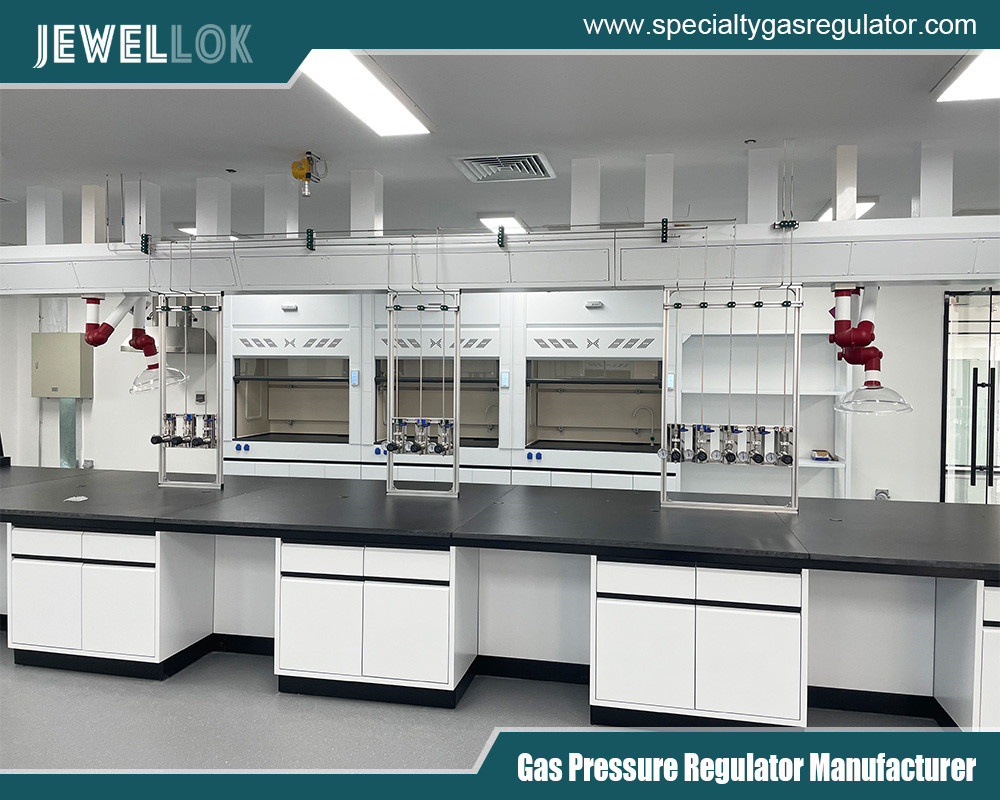
Material Selection
The choice of material is foundational in manifold manufacturing. Common materials include aluminum alloys (e.g., 6061-T6) for pneumatic applications due to their lightweight nature, corrosion resistance, and ease of machining. For hydraulic systems, where higher strength is required, stainless steel (e.g., 316L) or carbon steel is preferred to withstand aggressive fluids and high pressures. Brass is occasionally used for low-pressure pneumatic manifolds in non-corrosive environments.
Material properties such as tensile strength, thermal conductivity, and machinability index play a key role. For instance, aluminum offers a machinability rating of 300-400% compared to steel’s 100%, allowing faster production cycles. However, steel’s superior fatigue resistance makes it ideal for heavy-duty applications. Manufacturers must also consider surface treatments like anodizing for aluminum to enhance wear resistance or passivation for stainless steel to prevent corrosion. The raw material is typically sourced as bar stock, forgings, or castings, with castings being common for complex shapes to reduce machining time.
Design Considerations
Before machining begins, the design phase employs computer-aided design (CAD) software like SolidWorks or AutoCAD to create 3D models. Key considerations include port configurations, valve mounting patterns (e.g., ISO 5599 for pneumatics), flow paths, and pressure ratings. Finite element analysis (FEA) simulates stress distribution to optimize material thickness and avoid weak points.
Manifold designs often incorporate modular concepts, allowing customization for specific applications such as automation machinery or aerospace systems. Internal channels must be designed to minimize pressure drops, typically aiming for laminar flow with Reynolds numbers below 2000. Tolerances are stringent, often ±0.001 inches for port alignments, to ensure leak-free seals with O-rings or gaskets. The design must also facilitate machining accessibility, avoiding deep pockets that could lead to tool breakage.
Machining Processes
The core of manifold manufacturing is machining, primarily using CNC mills and lathes for precision. The process starts with roughing, where excess material is removed using high-speed steel (HSS) or carbide end mills. For aluminum, cutting speeds can reach 1000-2000 sfm (surface feet per minute), while steel requires slower speeds of 200-500 sfm to prevent tool wear.
Drilling is crucial for creating ports and mounting holes. Multi-axis CNC machines enable angled drilling for complex flow paths, reducing the need for multiple setups. Tapping follows to thread holes for fittings, using form taps for stronger threads in soft materials. Boring ensures precise diameters for valve seats, often achieving surface finishes of Ra 0.8-1.6 μm.
Milling operations shape the external contours and internal cavities. Pocket milling creates valve mounting areas, while contour milling defines the manifold’s outline. Advanced techniques like high-speed machining (HSM) with trochoidal paths minimize heat buildup, preserving material integrity. For hydraulic manifolds, honing may be applied to internal bores to achieve mirror-like finishes, reducing friction and wear.
Electrical discharge machining (EDM) is used for intricate features that are difficult to machine conventionally, such as narrow slots or blind holes. Wire EDM cuts precise profiles with kerfs as small as 0.004 inches, ideal for stainless steel manifolds. In pneumatic applications, where weight is critical, additive manufacturing like 3D printing may prototype designs before full machining.
Manufacturing Steps
The manufacturing workflow is sequential and iterative. It begins with material preparation: cutting bar stock to size using bandsaws or abrasive cutoff wheels. Fixturing secures the workpiece on the CNC machine, often using vacuum chucks for aluminum to avoid distortion.
Primary machining involves roughing all major features, followed by semi-finishing to approach final dimensions. Heat treatment, such as annealing for steel, may occur midway to relieve stresses induced by machining. Final finishing passes use fine-grit tools to achieve tolerances.
Post-machining processes include deburring to remove sharp edges, which could cause injuries or interfere with assembly. Ultrasonic cleaning removes chips and coolant residues, ensuring cleanliness for fluid systems. Surface treatments like powder coating or electroplating are applied for protection.
Assembly integrates valves, sensors, and fittings. Hydraulic manifolds may require pressure testing at 1.5 times the operating pressure, while pneumatic ones undergo leak tests with helium for sensitivity. Automation in assembly lines uses robotic arms for consistency in high-volume production.
Quality Control and Testing
Quality assurance is integral throughout the process. Coordinate measuring machines (CMM) verify dimensions with accuracies of ±0.0005 inches. Non-destructive testing (NDT) methods like dye penetrant inspection detect surface cracks, while ultrasonic testing checks for internal voids.
Functional testing simulates real-world conditions. For hydraulics, cycle testing under varying pressures assesses durability, aiming for millions of cycles without failure. Pneumatic manifolds are tested for flow rates using anemometers, ensuring compliance with standards like NFPA/T3.19.8.
Statistical process control (SPC) monitors production variables, using control charts to maintain consistency. Traceability is maintained through laser-etched serial numbers, linking each manifold to its manufacturing data for recalls or audits.
Advantages and Applications
Machined valve manifolds offer advantages over traditional piping, including compact size, reduced weight, and lower assembly costs. They enhance system reliability by minimizing connections, which are potential leak points. In applications like industrial robotics, automotive braking systems, and medical equipment, these manifolds enable precise control and rapid response.
Hydraulic manifolds are prevalent in construction machinery for powering cylinders, while pneumatic ones dominate in food processing for clean, explosion-proof operation. The machining process allows for customization, supporting Industry 4.0 with integrated sensors for predictive maintenance.
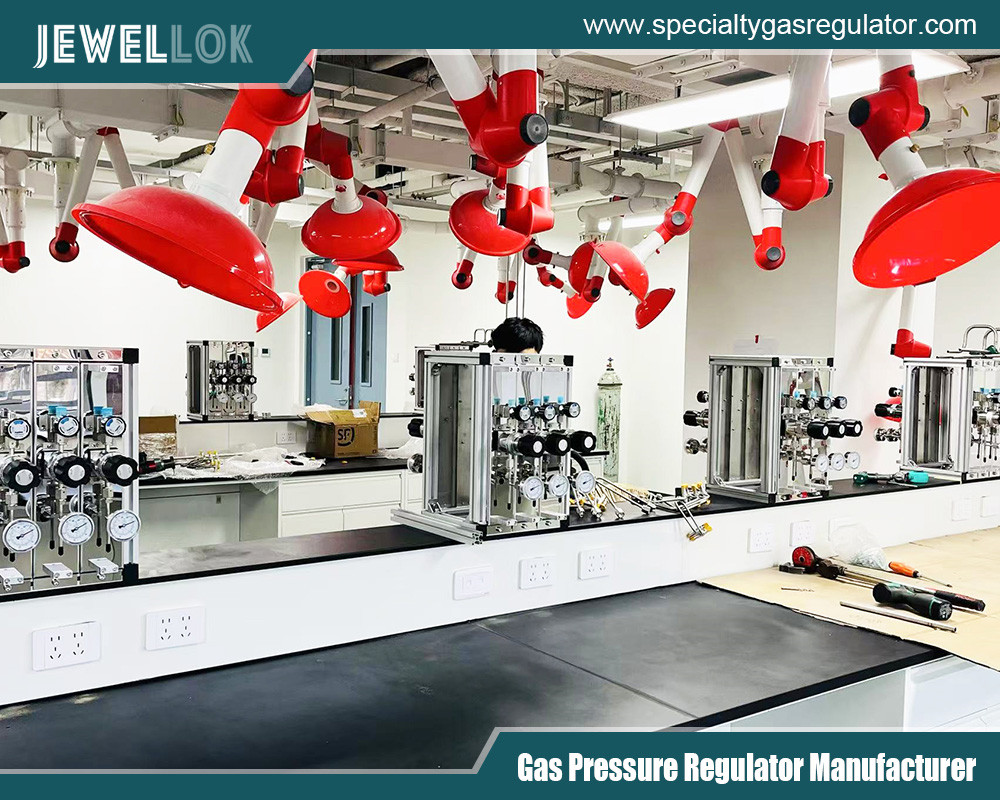
Conclusion
The machining manufacturing process for hydraulic and pneumatic valve manifolds combines advanced materials, precise design, and sophisticated machining techniques to produce components that are robust, efficient, and reliable. As technology evolves, innovations like AI-driven optimization and sustainable materials will further enhance this field. Manufacturers must balance cost, performance, and quality to meet the demands of modern fluid power systems. This process not only ensures operational excellence but also drives advancements in automation and engineering.
For more about hydraulic and pneumatic valve manifold machining manufacturing process, you can pay a visit to Jewellok at https://www.specialtygasregulator.com/cnc-valves/ for more info.
-
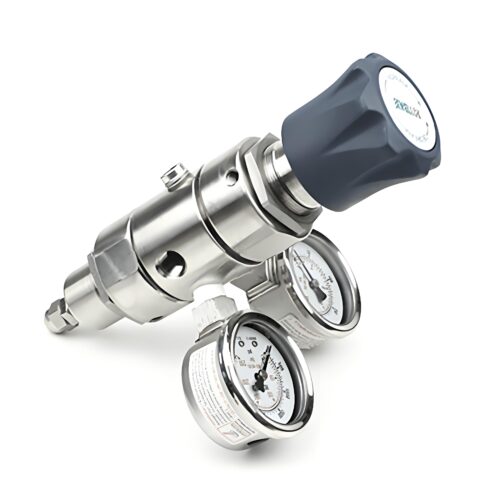
DPR1 Ultra High Purity Two Stage Dual Stage Pressure Reducing Regulator Semiconductor Grade Regulators
-
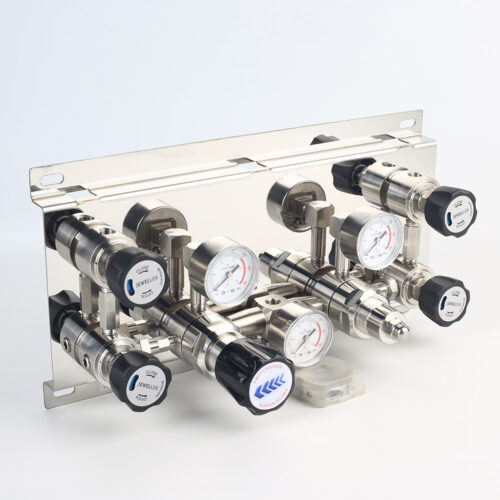
Pressure Control Panels For High Purity Gas Control System JSP-3AE Series From Pressure Control Panels Suppliers And Manufacturer
-
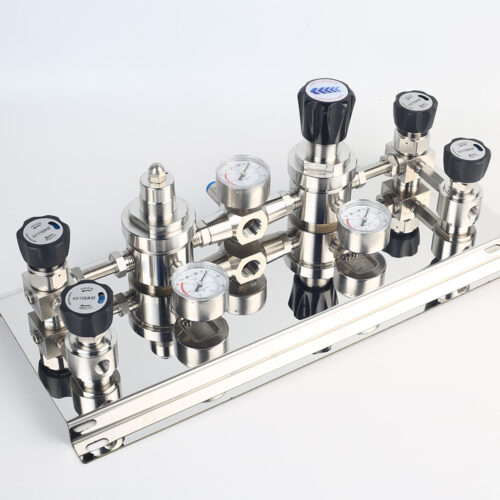
Stainless Steel Single Stage Semiconductor Grade Pressure Control Module Pressure Control Panels JSP-6A Series
-
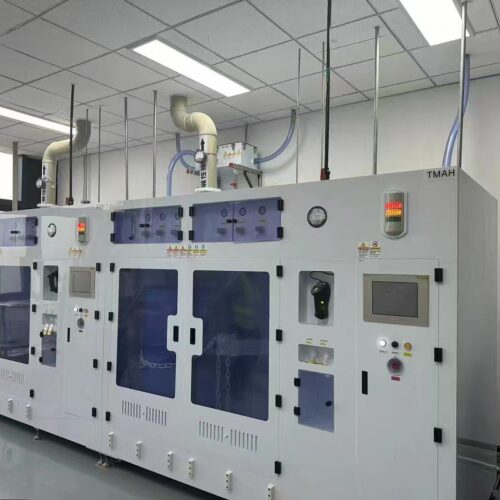
Automated Bulk Chemical Delivery System with Ultra High Purity CDU for Precise Industrial Fluid Control
-
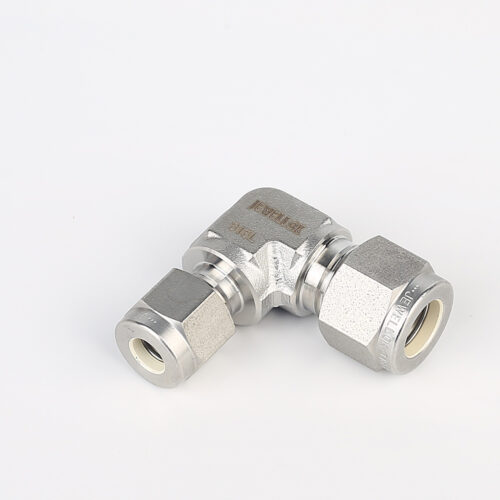
765LR Reducing Tee | Stainless Steel 316 High Purity Butt Weld Fittings Metal Face Seal For Welding Pipe Fitting Reducing Tee
-

Semi Automatic Gas Changeover Manifold System Manual Changeover Manifold Panel Single Stage Automatic Switchover Board
-
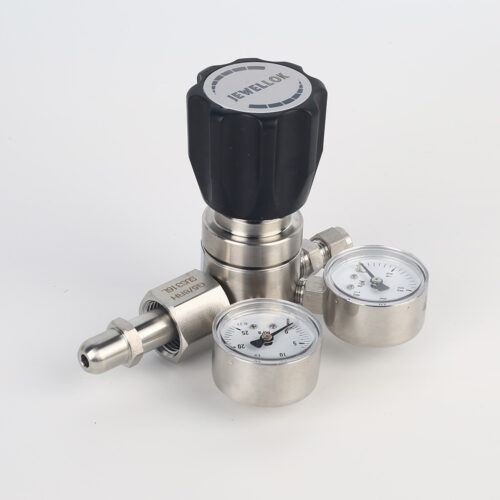
High Purity High Pressure Gas Cylinder Pressure Regulators Pressure Reducing Valve JSR-1E Series
-
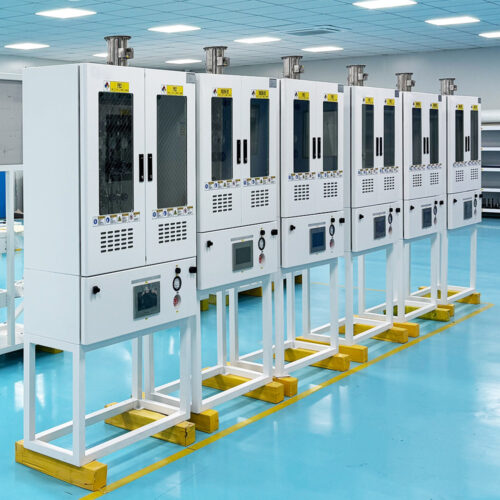
Custom Wet and Dry Exhaust Gas Scrubber System Technology for Effective Acid Gas Neutralization