
Regulator Manufacturer Tel: +86 13380377051
Regulator Manufacturer Tel: +86 13380377051
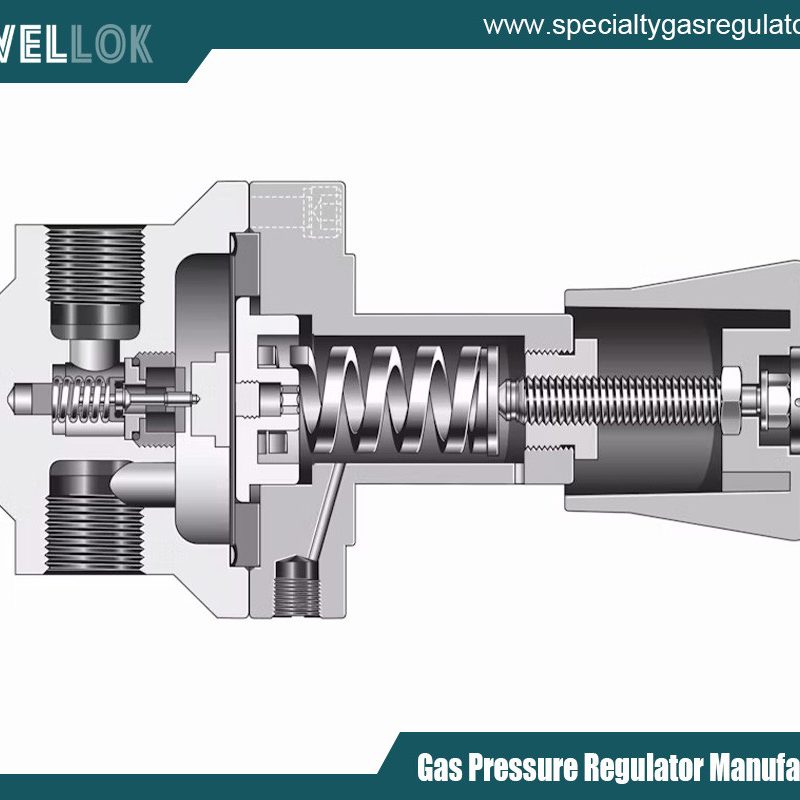
The 316 SS Ball Valves Manufacturer
In the world of industrial fluid control, 316 stainless steel (SS) ball valves stand out as a pinnacle of reliability, durability, and performance. These valves are engineered to regulate the flow of liquids and gases in demanding environments, where corrosion resistance and mechanical strength are paramount. A ball valve operates using a spherical disc—the ball—with a hole through its center. When the valve is open, the hole aligns with the flow path, allowing media to pass through with minimal resistance. Rotating the ball 90 degrees closes the valve, blocking the flow entirely.316 SS, also known as marine-grade stainless steel, is an austenitic alloy composed primarily of iron, with 16-18% chromium, 10-14% nickel, and 2-3% molybdenum. This composition differentiates it from other grades like 304 SS, which lacks molybdenum and thus offers less resistance to pitting and crevice corrosion in chloride-rich environments. The addition of molybdenum enhances its ability to withstand harsh chemicals, making 316 SS ideal for ball valves used in corrosive settings.
Manufacturers of 316 SS ball valves produce these components in various configurations, including full-port, reduced-port, two-piece, three-piece, and multi-port designs. Full-port valves, for instance, maintain the same internal diameter as the pipeline, reducing pressure drop and preventing cavitation. These valves are typically rated for pressures up to 1000 PSI (WOG—water, oil, gas) and can handle temperatures from -20°F to 450°F, depending on the seals and seats used, such as PTFE (Teflon) for chemical compatibility.
The manufacturing of 316 SS ball valves involves precision engineering to ensure leak-proof operation and longevity. As industries like oil and gas, chemical processing, and marine applications continue to evolve, the demand for high-quality 316 SS ball valves has surged. This article delves into the intricacies of these valves, their advantages, manufacturing processes, applications, top manufacturers, and tips for selecting the right supplier, providing a comprehensive guide for engineers, procurement specialists, and industry professionals.
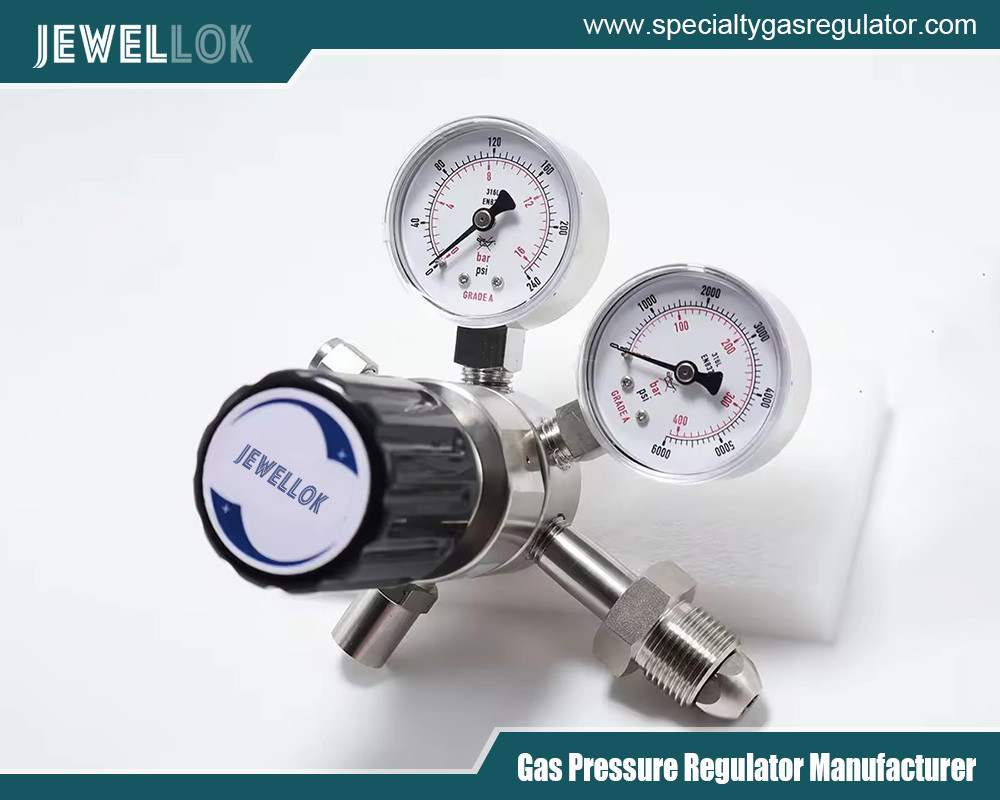
Advantages of 316 SS Ball Valves
The superiority of 316 SS ball valves lies in their material properties and design features, offering numerous benefits over alternatives like brass or carbon steel valves.
First and foremost is corrosion resistance. The molybdenum content in 316 SS provides exceptional protection against chlorides, acids, and alkaline solutions, making these valves suitable for marine environments, chemical plants, and food processing facilities where exposure to corrosive media is constant. Unlike brass valves, which may degrade in chlorinated water, 316 SS maintains integrity, reducing maintenance costs and downtime.
Durability and strength are equally impressive. 316 SS ball valves exhibit high tensile strength and can withstand extreme pressures without deformation. They are less prone to cracking under stress, ensuring reliable performance in high-vibration or high-impact applications. For example, in hydraulic systems, these valves handle fluids up to 1000 PSI without failure.
Temperature tolerance is another key advantage. 316 SS can operate in a broad range, from cryogenic conditions to elevated temperatures, without losing mechanical properties. This versatility surpasses that of plastic or lower-grade metal valves. Precision flow control is inherent in ball valve design. The quarter-turn operation allows for quick shut-off, minimizing leakage and providing bubble-tight sealing. This is crucial in safety-critical systems where rapid isolation is needed.
Additionally, 316 SS ball valves are hygienic and easy to clean, making them compliant with FDA standards for pharmaceutical and food industries. Their smooth surfaces prevent bacterial buildup, and they resist scaling from hard water. Compared to other materials, 316 SS offers longevity—often lasting decades—with minimal wear. While initial costs may be higher than brass equivalents, the total cost of ownership is lower due to reduced replacements and repairs. In steam applications, for instance, stainless steel’s resistance to oxidation at high temperatures prevents valve failure. Environmental sustainability is also a factor; 316 SS is fully recyclable, aligning with modern industrial practices focused on reducing waste.
In summary, the advantages of 316 SS ball valves—corrosion resistance, durability, temperature range, precise control, and hygiene—make them indispensable in demanding sectors.
Manufacturing Process of 316 SS Ball Valves
The production of 316 SS ball valves is a meticulous process combining metallurgy, machining, and quality assurance to meet stringent industry standards like API, ASME, and ISO.
It begins with raw material selection. High-purity 316 SS ingots or bars are sourced, verified for composition through spectrometry to ensure the correct percentages of chromium, nickel, and molybdenum. Impurities can compromise corrosion resistance, so suppliers adhere to ASTM A351 or A182 specifications.
Next is forging or casting. Forging involves heating the steel to around 2200°F, making it malleable, then shaping it under high pressure using dies. This process enhances grain structure for superior strength. Alternatively, investment casting (lost-wax method) is used for complex shapes: a wax pattern is coated in ceramic, melted out, and filled with molten 316 SS. Casting is cost-effective for large volumes but may require additional heat treatment.
Machining follows. CNC lathes and mills shape the valve body, ball, stem, and end connections. The ball is precision-ground to a mirror finish for tight sealing, with tolerances as low as 0.001 inches. Threading or flanging is added for connections like NPT or ANSI. Heat treatment, such as solution annealing at 1900°F followed by rapid quenching, relieves stresses and optimizes corrosion resistance. Assembly integrates components: the ball is inserted into the body, seats (often PTFE) are placed, and the stem is attached with packing for leak prevention. Handles or actuators are added for operation.
Quality testing is rigorous. Hydrostatic pressure tests simulate operating conditions, checking for leaks at 1.5 times rated pressure. Non-destructive tests like ultrasonic or radiographic inspection detect flaws. Surface finishing, such as electropolishing, enhances corrosion resistance and aesthetics.
Finally, packaging and certification ensure traceability, with each valve marked with material grade, pressure rating, and manufacturer details.
This process, often automated in modern facilities, ensures 316 SS ball valves meet global standards, with manufacturers continually innovating for efficiency, like using 3D printing for prototypes.
Applications of 316 SS Ball Valves
316 SS ball valves find extensive use across industries due to their robustness and versatility.
In the oil and gas sector, they control flow in pipelines, refineries, and offshore platforms, resisting sour gas and saltwater corrosion. Chemical processing relies on them for handling acids, solvents, and caustics, where precise shut-off prevents hazardous leaks.
Marine applications benefit from their chloride resistance, used in ballast systems, desalination, and shipbuilding. Food and beverage industries employ sanitary 316 SS valves for hygienic transfer of liquids like milk or beer, complying with 3A standards.
Pharmaceuticals use them in sterile environments for drug formulation and water purification systems.
Water treatment plants utilize them for controlling chlorinated water, preventing degradation seen in lesser materials. HVAC and plumbing systems incorporate them for durability in heating and cooling lines.
In power generation, they manage steam and cooling water in nuclear and thermal plants.
Aerospace and automotive sectors use miniaturized versions for fuel and hydraulic systems.
Overall, their applications span any scenario requiring reliable, corrosion-resistant flow control.
Top Manufacturers of 316 SS Ball Valves
Several global manufacturers excel in producing 316 SS ball valves, known for quality and innovation.
Emerson (USA) offers a wide range, including automated valves for industrial automation.
Flowserve (USA) specializes in high-pressure valves for energy sectors.
IMI PLC (UK) provides engineered solutions with focus on severe service.
KITZ Corporation (Japan) is renowned for precision and global distribution.
NIBCO (USA) offers lead-free options for plumbing.
Parker Hannifin (USA) excels in instrumentation valves.
ANIX Valve (USA) stocks a variety of stainless valves.
Bonomi Valves (Italy/USA) provides customizable designs.
Apollo Valves (USA) focuses on durable, full-port models.
Pro Flow Dynamics and DonyRony (China/USA) offer competitive pricing with quality.
These manufacturers invest in R&D, ensuring compliance with international standards.
How to Choose a 316 SS Ball Valve Manufacturer
Selecting the right manufacturer involves evaluating several criteria.
Assess material quality: Ensure they use certified 316 SS with traceability.
Check certifications: Look for ISO 9001, API, and CE marks.
Review pressure/temperature ratings and compatibility with your media.
Consider design options: Full-port vs. reduced, manual vs. actuated.
Evaluate after-sales support, warranties, and lead times.
Price vs. quality: Opt for reputable brands to avoid failures.
Read reviews and case studies for real-world performance.
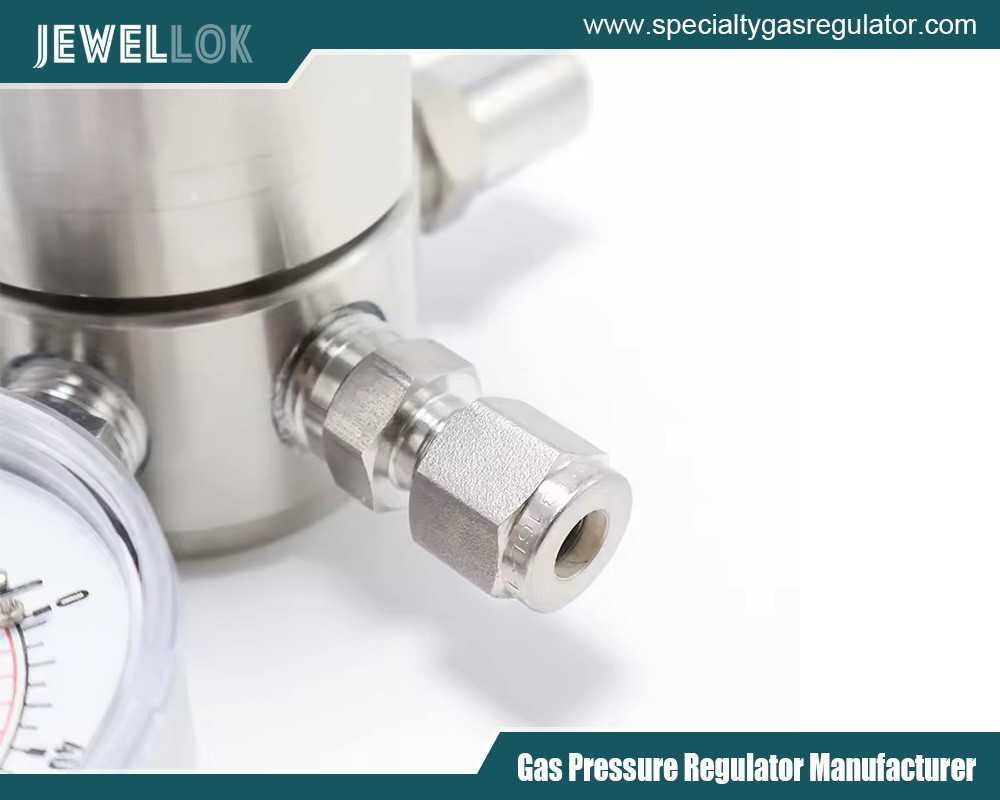
Conclusion
316 SS ball valves represent engineering excellence, with manufacturers pushing boundaries to meet industrial needs. By understanding their advantages, production, and selection, users can ensure optimal performance in their systems. As technology advances, these valves will continue to play a vital role in global infrastructure.
For more about the 316 SS ball valves manufacturer, you can pay a visit to Jewellok at https://www.specialtygasregulator.com/product-category/specialty-gas-cabinet/ for more info.
-
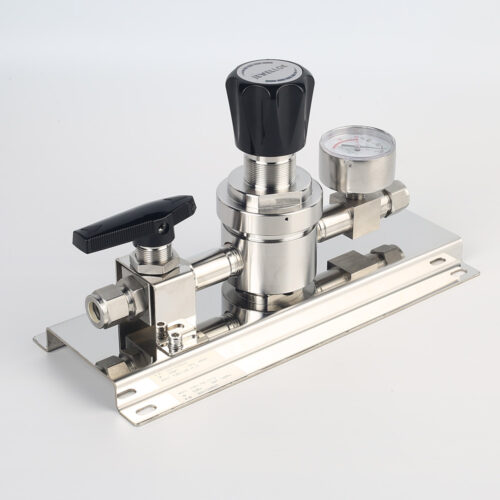
High Purity And Industria Gas Stick Assemblies Precise Pressure Control Gas Systems JSR-1ETG-BV Series
-
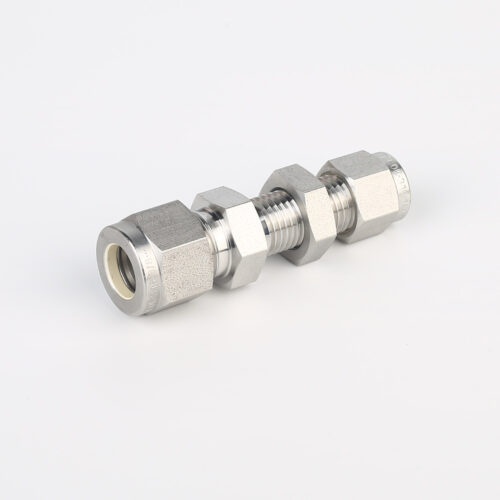
775L Bulkhead Reducing Union | Stainless Steel High Purity Double Ferrule Bulkhead Reducing Unions
-
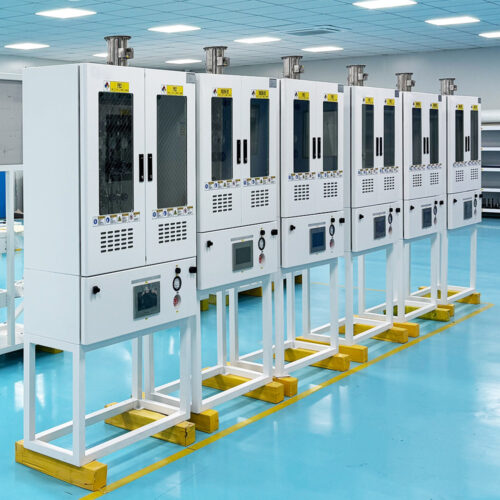
VMB Valve Manifold Panels And Boxes High Purity Configurable Systems JW-200-VMB & JW-100-VMB
-
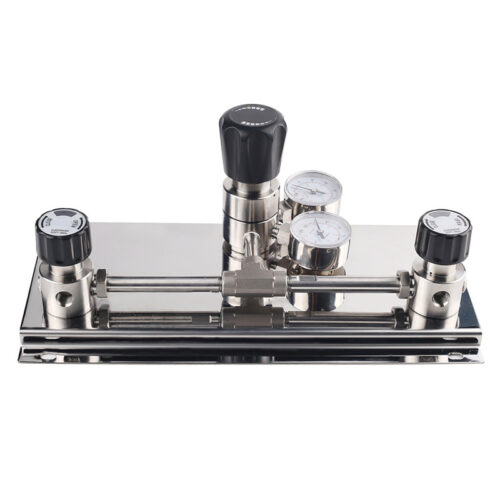
Semi Automatic Oxygen Nitrogen Helium Argon Gas Changeover Manifold Manual Gas Changeover Manifold Panel For Gas Cylinders
-
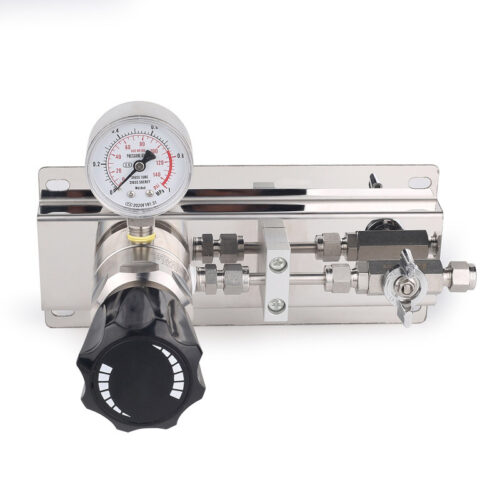
High Purity Gas Cylinder Semi Automatic Changeover Manifold Regulator Panel 3000psig Stainless Steel Gas Control Panel 1/8 Npt With Gauge
-
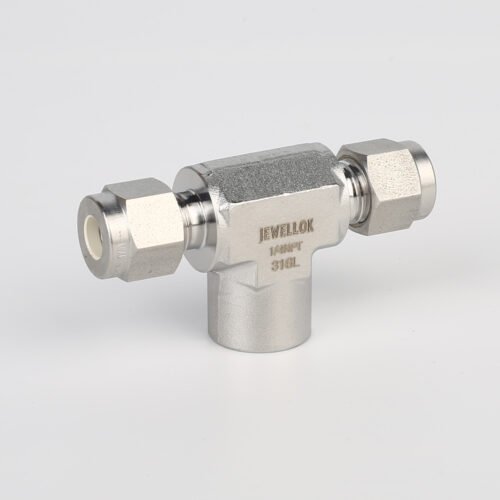
772 LF Female Branch Tee | Stainless Steel Tube Fitting Female Branch Tee 1/2 in. Tube OD x 1/2 in. Tube OD x 3/8 in. Female NPT
-
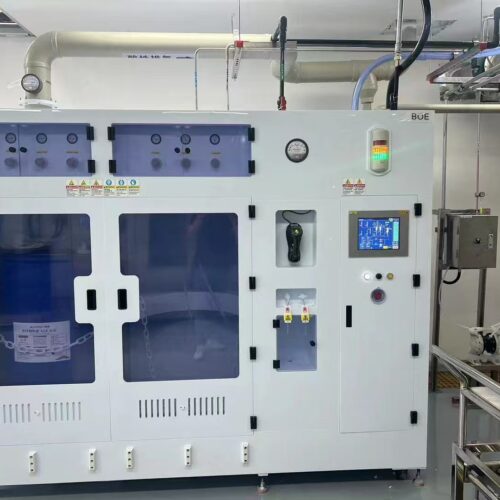
UHP Liquid Chemical Delivery Systems for Semiconductor Fabrication and Photovoltaic Manufacturing Processes
-
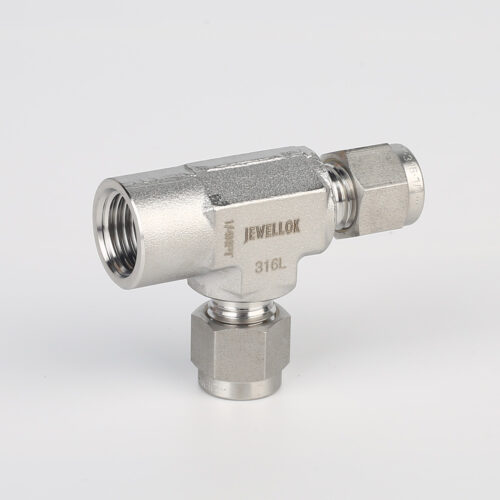
771LF Female Run Tee | Stainless Steel Tube Fitting Compression Fittings 1/4 In 3-Way Tee Female Run Tee