
Regulator Manufacturer Tel: +86 13380377051
Regulator Manufacturer Tel: +86 13380377051
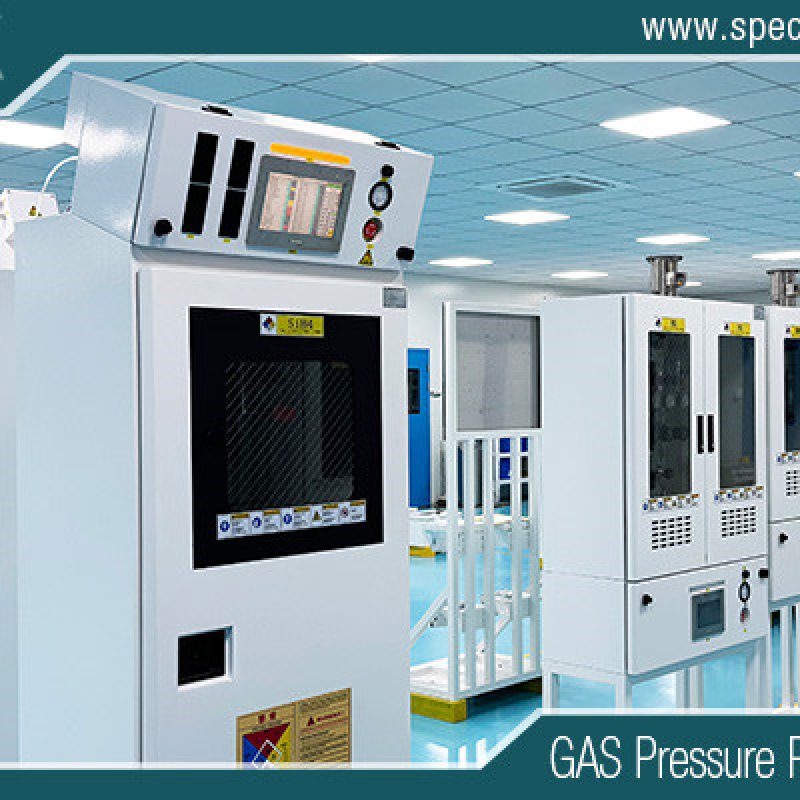
The Safe and Precise Step-by-Step Procedure for Leak Testing of Specialty Gas Regulators
The Critical Importance of Leak Testing
In the precise worlds of laboratory research, semiconductor fabrication, medical gas delivery, and high-purity manufacturing, specialty gases are the lifeblood of process and discovery. These gases—whether toxic (like arsine or phosphine), corrosive (like hydrogen chloride), pyrophoric (like silane), high-purity (like 99.999% helium), or simply expensive (like isotope-labeled compounds)—demand an unparalleled level of handling safety and integrity. At the heart of this handling system lies the gas regulator, the device that controls the high pressure from a cylinder down to a safe, usable working pressure.
A single, tiny leak in this critical interface can lead to catastrophic consequences: toxic exposure to personnel, contamination of ultra-clean processes, runaway reactions, financial loss from wasted resources, or even explosive atmospheres. Therefore, rigorous and regular leak testing of specialty gas regulators is not merely a recommended best practice; it is a fundamental, non-negotiable pillar of operational safety and quality assurance. This article provides a comprehensive, step-by-step guide to performing effective leak testing, encompassing preparation, multiple testing methodologies, and post-test protocols.
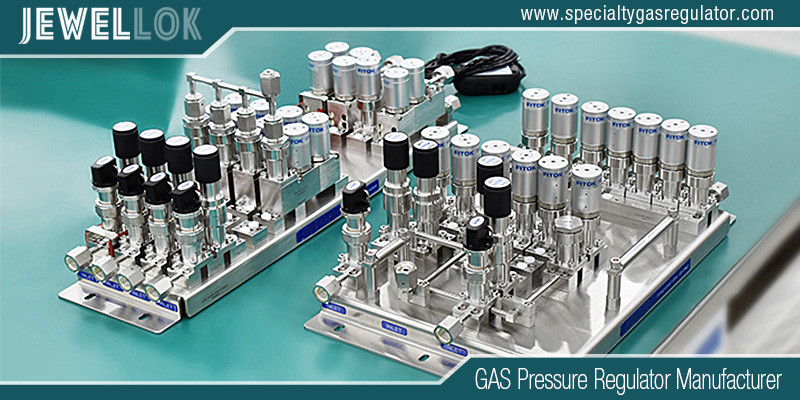
Part 1: Understanding the Stakes and Preparing for the Test
1.1 The Anatomy of a Potential Leak
A regulator is a complex assembly of potential leak points:
- Connection #1: Cylinder Valve to Regulator Inlet (CGA Connection):The threaded or compressed seal where the regulator attaches to the cylinder.
- Connection #2: Regulator Outlet to Delivery System:The point where tubing or piping connects to the regulator’s outlet.
- Internal Seals & Diaphragms:The regulator body houses seals, O-rings, and a diaphragm that can degrade over time or from incompatible gases.
- Pressure Adjustment Knob & Vent Holes:The stem seal and any safety relief vents are potential leak paths.
1.2 Pre-Test Preparation: Safety and Setup
- Personal Protective Equipment (PPE):
- Always wear appropriate PPE: safety glasses, lab coat, and chemical-resistant gloves. For toxic gases, have the correct respirator available and work within a certified fume hood or ventilated gas cabinet.
- Know the Gas:Consult the Safety Data Sheet (SDS) for the specific gas’s hazards (toxicity, flammability, asphyxiation risk, corrosivity).
- Workspace Preparation:
- Perform testing in a well-ventilated area, ideally with continuous monitoring for specific hazards (e.g., toxic gas sensors).
- Ensure the work area is clean, free of ignition sources (for flammable gases), and has appropriate spill/leak response equipment nearby.
- Regulator & Tool Readiness:
- Regulator Compatibility:Verify the specialty gas regulator is certified and cleaned for the specific gas service. Using an oxygen regulator for fuel gas, or a general-purpose regulator for ultra-high purity (UHP) service, is a primary cause of failure.
- Clean Tools:Use dedicated, clean wrenches (preferably torque wrenches) to avoid contaminating fittings and cross-threading.
- Leak Test Solution:Prepare a certified, compatible leak detection fluid. For most applications, a soap-based solution (like Snoop®) is used. For ultra-high purity or oxygen service, use only high-purity, non-silicone, non-chlorinated solutions to avoid contamination. Never use oil or household soap.
Part 2: Step-by-Step Leak Testing Procedures
The following procedures assume a new setup or a regulator that has been disconnected. Leak testing should be performed any time a regulator is installed and periodically during use, as defined by your facility’s safety plan.
Procedure A: Initial Installation and Pressure Test (Without Gas Flow)
This test checks the integrity of the pressurized system in a static state.
Step 1: Secure the Cylinder and Purge the Valve.
- Secure the gas cylinder in a stable rack or chain.
- Briefly crack the cylinder valve (open and immediately close) to clear any dust or debris from the outlet port. Point the port away from yourself and others.
Step 2: Connect the Regulator.
- Ensure the regulator’s pressure adjustment knob is fully counter-clockwise (off/unloaded).
- Hand-tighten the regulator inlet nut onto the cylinder valve. Use the correct wrench to complete the connection, applying firm but controlled force. A torque wrench set to the CGA specification is ideal to prevent damage.
Step 3: Pressurize the Regulator.
- Slowly open the cylinder valve fully. You will see the high-pressure (HP) or inlet gauge register the cylinder pressure.
- Do not open the outlet valve to your system yet.
Step 4: Apply Leak Detection Solution.
- Generously apply the leak test solution to all potential leak points:
- The CGA connection threads and nut.
- The regulator outlet connection.
- The diaphragm seal (typically under a bonnet or cap).
- The pressure adjustment knob stem.
- Any vent holes or safety device housings.
Step 5: Observe for Bubbles.
- Watch each applied area closely for 30-60 seconds.
- A positive leak is indicated by the formation of growing, persistent bubbles. A few transient bubbles may be from trapped air; these will dissipate. Leak bubbles will grow and reform continuously.
- Critical Check: If a leak is detected at the CGA connection, immediately close the cylinder valve, carefully vent the regulator pressure (see Step 7), and re-tighten the connection. Repeat the test. If it persists, replace the regulator or cylinder valve seal (e.g., the gasket or “bullnose”).
Step 6: Test the Outlet Side.
- With the downstream system valve closed, slowly turn the regulator’s adjustment knob clockwise until the low-pressure (LP) or outlet gauge reads your desired working pressure.
- Apply leak solution to the outlet connection and the knob stem again. Observe for bubbles. This tests the regulator’s internal seals under outlet pressure.
Step 7: Depressurize if Leaks are Found.
- If a significant leak is found and cannot be remedied by tightening, the system must be safely depressurized:
- Close the cylinder valve.
- Slowly open the regulator to your downstream system (or a vent) to release pressure from both gauges.
- Once gauges read zero, back out the adjustment knob fully.
- Disconnect and tag the regulator as faulty for repair or replacement.
Procedure B: System-Wide Leak Check (With Controlled Gas Flow)
This test verifies the entire gas delivery path after the initial regulator test is passed.
Step 1: With the regulator pressurized and set to working pressure (from Procedure A, Step 6), slowly open the valve to your downstream system (manifold, tool, reactor, etc.).
Step 2: Pressurize the entire delivery system to its intended operating pressure.
Step 3: Isolate the System.
- Once pressurized, close the cylinder valve. The system is now a closed, pressurized volume.
Step 4: Monitor for Pressure Drop.
- Observe the regulator’s outlet gauge for a period of time (e.g., 15-60 minutes, depending on system volume and required sensitivity).
- A drop in pressure on this gauge with the source valve closed indicates a leak somewhere in the entire system (regulator, lines, fittings, end-point).
- This is a sensitive test for very small leaks.
Step 5: Pinpoint the Leak.
- If a pressure drop is observed, apply leak detection solution to every joint, valve, and fitting in the entire gas path, starting from the CGA connection and working downstream.
- The source of the growing bubbles is your leak.
Part 3: Advanced Considerations & Alternative Methods
- Helium Mass Spectrometer Leak Testing:For ultra-high integrity systems (e.g., semiconductor or vacuum applications), a helium leak detector is the gold standard. It can detect leaks many orders of magnitude smaller than bubble testing. The system is evacuated, and helium is sprayed on external joints or used as a tracer gas internally; the spectrometer detects any helium drawn into the vacuum.
- Electronic Leak Detectors:Hand-held sniffers can detect specific gases (like SF6 or HFCs used as tracers) or general hydrocarbons. They are useful for hard-to-reach areas but require calibration and can be influenced by background air currents.
- Testing Toxic/Flammable Gases:For highly hazardous gases, testing is often done with an inert gas like nitrogen or helium first. Only after the system passes a rigorous inert gas leak test is the actual process gas introduced, with testing then conducted under strict controls in a ventilated enclosure.
Part 4: Post-Testing Protocol and Maintenance
- Documentation:Record all leak tests—date, cylinder ID, regulator ID, gas, tester, and result. This is crucial for safety audits and troubleshooting.
- Cleaning:After testing, wipe off all residual leak solution with a clean, lint-free cloth and appropriate solvent (e.g., isopropanol for UHP systems). Soap residue can attract dirt and corrode fittings.
- Regular Schedule:Establish a preventive maintenance schedule. A regulator on a continuously used cylinder should be leak-checked at least weekly. One in intermittent use should be checked at each setup.
- Professional Recertification:Regulators have a finite service life. They should be returned to the manufacturer or a certified lab for internal inspection, seal replacement, and recalibration typically every 3-5 years, or more frequently for harsh service.
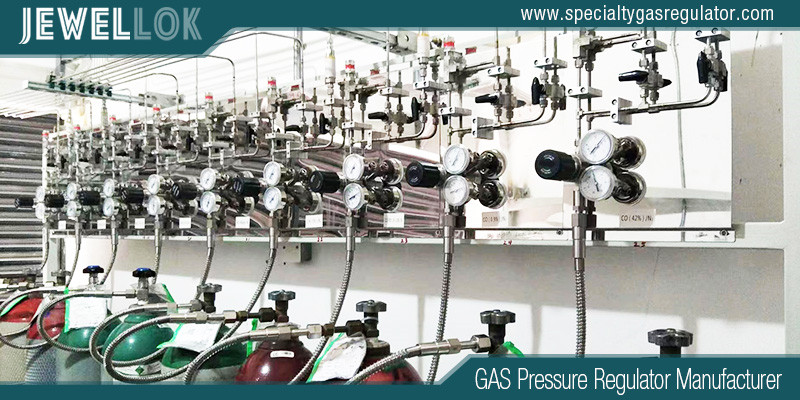
Conclusion
Leak testing a specialty gas regulator is a meticulous but essential ritual. It is a physical manifestation of a safety-first culture. By following these step-by-step procedures—emphasizing preparation, methodical application, and diligent observation—technicians and researchers protect themselves, their colleagues, their experiments, and their facilities. In the realm of specialty gases, there is no tolerance for “probably okay.” Integrity must be verified, every time, without exception. The few minutes invested in a thorough leak test are the cheapest and most effective insurance policy against the high cost of failure.
For more about the safe and precise step-by-step procedure for leak testing of specialty gas regulators, you can pay a visit to Jewellok at https://www.specialtygasregulator.com/product-category/specialty-gas-cabinet/ for more info.
-
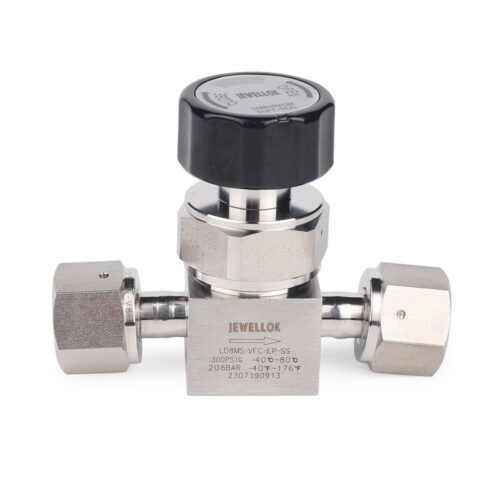
Flow Control Stainless Steel Low Pressure Manual Diaphragm Valve For High Purity And Ultra High Purity Gases
-
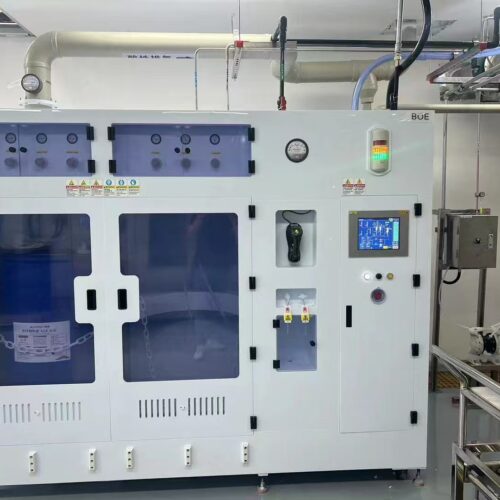
Chemical Delivery Modules for Automated Blending and Precise Dilution in Modern Wafer Cleaning Applications
-
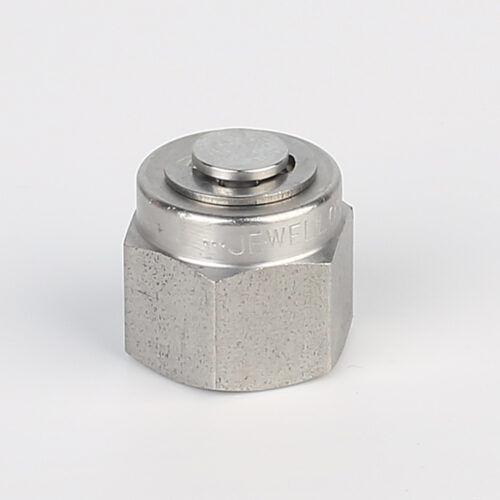
7121L Plug High Purity Plug Fitting And Blanking Plug
-
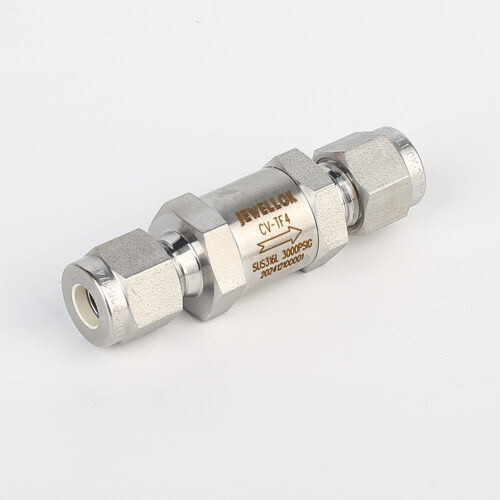
High Pressure High-Purity Welded Check Valves And Low Cracking Pressure Check Valve JCV1 Series
-
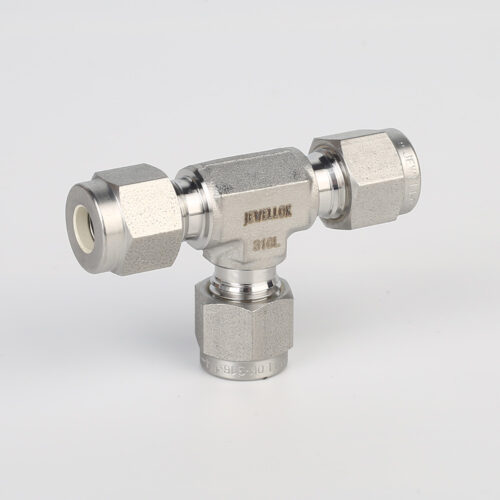
764L Stainless Steel Union Tee High Purity Fitting Union Tee Reducing Tubing Connection
-
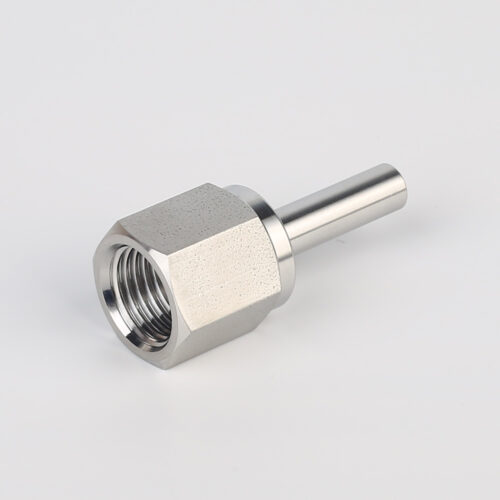
739LF High Purity Female Adapter Tube To Pipe Fittings And Connectors
-
UHP Liquid Chemical Delivery Systems for Semiconductor Fabrication and Photovoltaic Manufacturing Processes
-

Advanced Exhaust Gas Scrubber System Design for 99% Removal Efficiency of Industrial Toxic Gases